REVIEW · IVALO
Polar Night Snowshoe Trek
Book on GetYourGuide →Operated by Xwander Nordic · Bookable on GetYourGuide
Polar night in Lapland sounds dramatic, but it’s the practical version that grabs me: a guided snowshoe walk plus a sky-watching plan built around low light pollution. I especially like two things here: the chance to spot winter animal signs (including willow and black grouse activity in the snow), and the way the trek is timed for Northern Lights viewing when conditions cooperate. The one thing to plan for is that you’re going into the dark for real—so if you hate cold or uneven snow, you’ll need to dress seriously and move at a steady pace.
You’ll meet up at Xwander’s headquarters and get geared up for the evening, with warm drinks and light snacks keeping you from turning into a human popsicle. Gear rental is available (overalls, boots, socks, gloves), which makes this easier if you’re traveling light. The possible drawback: the tour includes transfers from Ivalo only, so add-ons from places like Inari, Nellim, Kakslauttanen, Kiilopää, or Saariselkä aren’t covered.
In This Review
- Key moments that make this trek worth your time
- Polar Night Snowshoeing in Lapland: What the 3 hours really feels like
- From Xwander Headquarters to your gear: the part that sets you up for success
- Snowshoe walk through the forest: pace, stops, and why the route matters
- Wildlife spotting on snow: grouse signs and the reindeer vibe
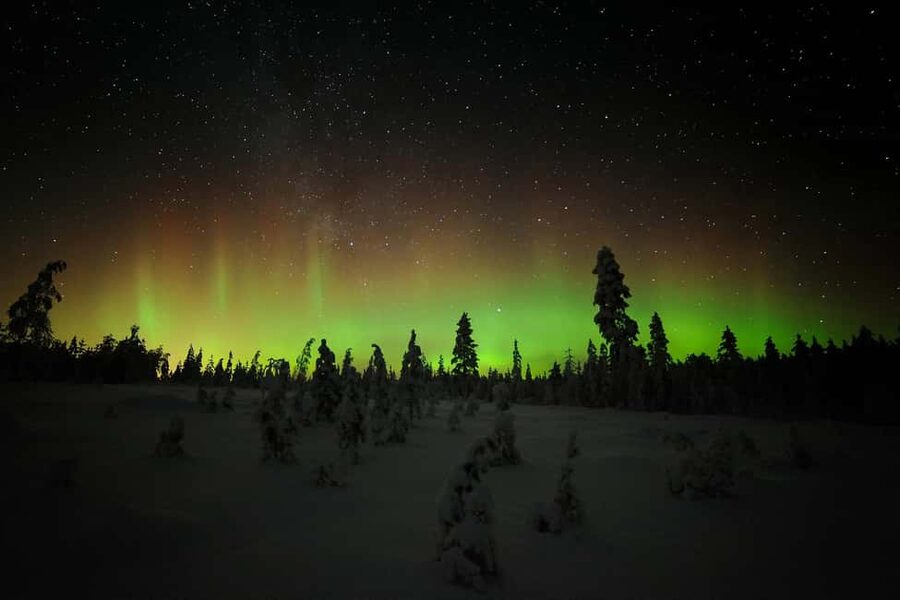
- Northern Lights hunting: how low light pollution changes your odds
- Warm drinks, light snacks, and cold-proof comfort
- Price and value: what $152 buys you (and what to check first)
- Transfers from Ivalo and the practical reality of getting there
- Who should book this snowshoe trek (and who should think twice)
- Should you book the Polar Night Snowshoe Trek?
- FAQ
- FAQ
- How long is the Polar Night Snowshoe Trek?
- Where do we meet and how do transfers work?
- What’s included in the price?
- Can I rent winter gear for the trek?
- What should I bring with me?
- What languages are available for the tour guide?
- Is Northern Lights viewing guaranteed?
- What’s the cancellation policy?
Key moments that make this trek worth your time
- Snowshoeing through a snowy forest with a guide leading the pace and path
- Looking for willow and black grouse signs as they dig in the snow
- Low light pollution that improves your odds of seeing the Northern Lights
- Warm drinks and light snacks to keep your energy up
- Route adjustments based on weather and your conditioning (including moving from trails to off-trail at times)
- Guide support in multiple languages (English, Finnish, French, Spanish)
Polar Night Snowshoeing in Lapland: What the 3 hours really feels like
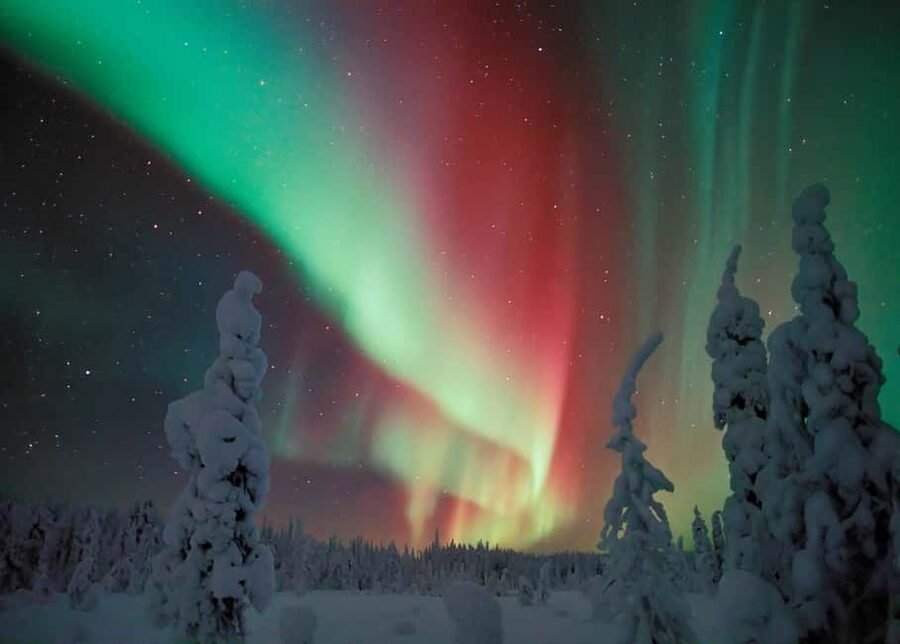
This isn’t a long, slow nature stroll. It’s a 3-hour evening trek built to keep you moving while also giving you a fair chance to look up. In Lapland’s polar night, the difference between a fun winter walk and a miserable one usually comes down to two things: correct clothing and a steady rhythm. The format here is simple and effective—snowshoe in the forest, stop often enough to warm up and scan for wildlife signs, then spend time watching the dark sky.
I like that the experience mixes “feet first” with “eyes up.” You get the physical payoff of snowshoe hiking, plus the emotional payoff of hoping for Aurora Borealis. And if the lights don’t show, you’re not stuck with a consolation prize. You still have snow, forest stillness, and a guide who can explain what you’re seeing at ground level—animal behavior, not just scenery.
From Xwander Headquarters to your gear: the part that sets you up for success
Your evening starts at Xwander headquarters, where you’ll be outfitted for the trek. That’s a big deal in Lapland. Snowshoeing isn’t complicated, but cold feet and a tight fit can ruin everything fast. If you don’t already have proper winter gear, you can rent a complete set of winter overalls, boots, socks, and gloves. That one choice can be the difference between enjoying the walk and spending the whole time distracted by discomfort.
What you should bring matters too. Comfortable shoes go on first, then warm clothing, plus snow clothing as needed. You’ll also want water and snacks, even though warm drinks and light snacks are included on the tour. Bring snacks you personally like, especially if you know you get hungry during activity. Pack smart. Keep your hands ready. In deep cold, fumbling with zippers and pockets is annoying.
This tour is led by a live guide in English, Finnish, French, or Spanish, so you can actually understand what you’re doing, not just follow along. That helps a lot when the terrain gets snowy and a guide is making choices for safety, comfort, and the best chance at wildlife and lights.
Snowshoe walk through the forest: pace, stops, and why the route matters
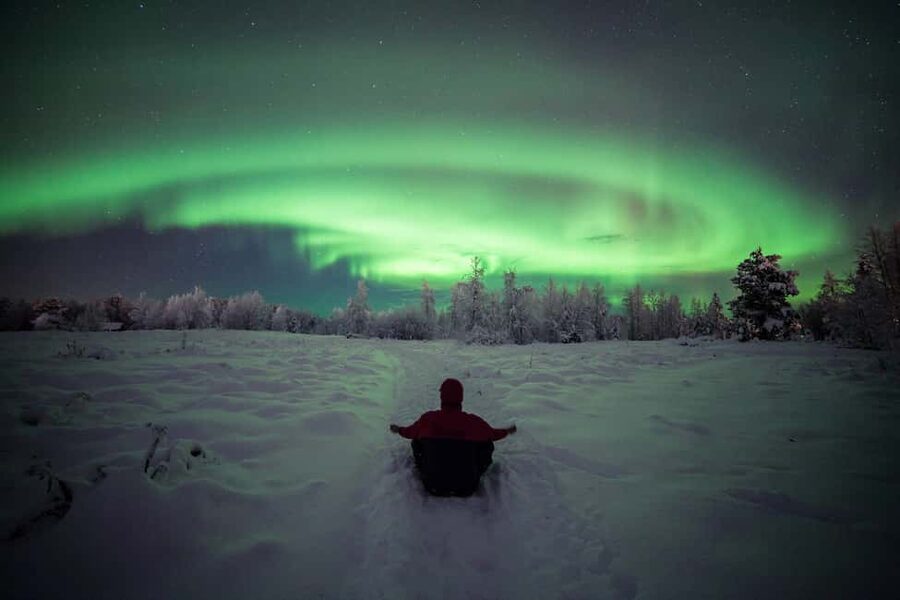
The core of the experience is a guided snowshoe walk through a snowy forest. You’ll move along the winter routes the guide chooses, and you may spend time on marked paths before heading off-trail depending on conditions and group energy. That flexibility is one reason this type of tour works well in polar night. The goal isn’t just distance—it’s staying comfortable while still getting the deep winter feel.
Here’s the practical part: snow in winter isn’t always “the same snow” underfoot. Sometimes it’s packed and easier to walk; sometimes it’s deeper and more tiring. A good guide responds. In past experiences with guides on this program, the route has been adjusted to weather forecasts and the group’s conditioning—so the hike can be more relaxed or more challenging. You don’t need to be an athlete, but you do need to be honest with yourself about what you can handle for 3 hours in cold.
Stops aren’t random. They’re where you catch the small details—like animal sign in snow or the first hints of sky activity—then get a warm drink before you start moving again. That pattern keeps the trek enjoyable rather than grindy.
Wildlife spotting on snow: grouse signs and the reindeer vibe
This tour is built around looking for animal clues, especially willow and black grouse. The idea is simple: these birds dig in the snow to reach food, so you’re watching for signs of that activity. You’re not trying to chase wildlife. You’re reading the winter. That’s why it feels more grounded than pure sightseeing.
You might also see reindeer grazing through the winter scenery. Even if you don’t spot them directly, the chance to notice how animals use the landscape adds meaning to what you’re walking through. Instead of thinking, it’s just trees and snow, you start noticing evidence: tracks, disturbed snow, and patterns around where the birds and deer are feeding.
This is one area where a good guide earns their pay. When someone can explain what you’re looking at—why a patch of snow looks different or what a particular clue suggests—you stop feeling like you’re guessing. You feel like you’re participating.
Northern Lights hunting: how low light pollution changes your odds
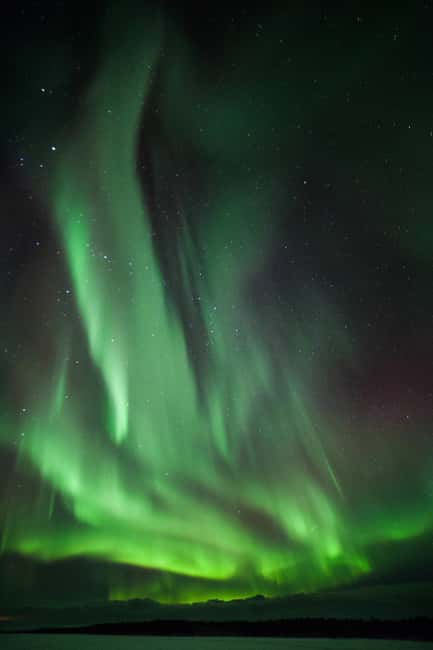
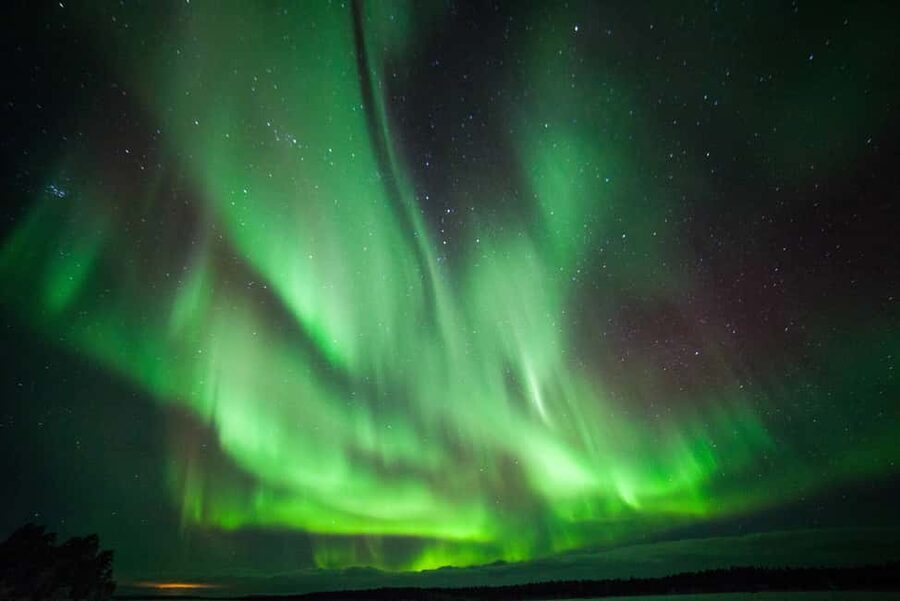
The Northern Lights are the headline, but the viewing part works best when you understand how Aurora actually behaves. This trek leans into the biggest practical advantage: the lack of light pollution. When you’re farther from city glow, the sky gets darker and the Aurora—when it appears—has a better chance of standing out.
You should still keep expectations realistic. The experience is described as a chance to witness the Northern Lights in full glory if you’re lucky, not a guaranteed show. That matters for your planning. Don’t build the trip around one single must-see moment. Build it around having a good time outside, learning the rhythm of watching, and staying warm enough to keep looking.
A helpful way to approach this mentally: treat the sky as part of the hike. You’re not just waiting for lights to happen. You’re stepping through the dark while periodically checking the sky with a group and a guide who knows what to watch for. That turns uncertainty into an experience.
Warm drinks, light snacks, and cold-proof comfort
One reason this kind of winter tour doesn’t feel like suffering is the inclusion of hot drinks and light snacks. That small comfort is huge in polar night. If your body is cold, your brain gets foggy. If you’re sipping something warm at the right times, you keep your mood and focus.
Light snacks are also smart. During snowshoe hiking, your energy use can spike, especially when the snow gets soft. You don’t need a full meal on the move, but you do need enough fuel so you can keep walking and scanning without feeling drained.
You’ll still want to hydrate. Bring water. Cold air can trick you into thinking you don’t need it. And if you’re the type who gets hungry at predictable times, pack your own extra snack so you’re never stuck waiting for the next stop.
Price and value: what $152 buys you (and what to check first)
At $152 per person for a 3-hour guided trek, you’re paying for more than just “someone leads you outside.” You’re buying:
- A guide
- Hot drinks and light snacks
- Transfers from Ivalo and back
That last part is the silent value driver. Winter travel can be time-consuming and tiring. If you’re staying in Ivalo, built-in transfers reduce the hassle and keep you from worrying about schedules in darkness. It also makes the experience feel smoother from start to finish.
The one cost caveat: supplementary transfers from other areas aren’t included. If you’re based in places like Inari, Nellim, Kakslauttanen, Kiilopää, or Saariselkä, you’ll need to plan additional transport. That could change the real total cost of the evening, depending on how you get there.
So how do you judge value? If you’re in Ivalo already, this is a tidy, guided evening with food, warmth, and a serious chance at dark-sky viewing conditions. If you’re not near Ivalo, factor in extra transport before you compare.
Transfers from Ivalo and the practical reality of getting there
The tour includes transfers from Ivalo and back. That’s convenient and straightforward. It means you likely won’t have to coordinate your own winter navigation to a meeting point in the dark.
If your base isn’t Ivalo, read the transport line closely. You can still do the trek, but you may need to arrange supplementary transfers. In winter, “extra logistics” tends to cost time, not just money. Plan accordingly so you’re not arriving exhausted.
Also, watch your timing. This is a 3-hour experience, and polar night darkness makes lateness feel bigger than it is in summer. You want to be ready to gear up when you arrive.
Who should book this snowshoe trek (and who should think twice)
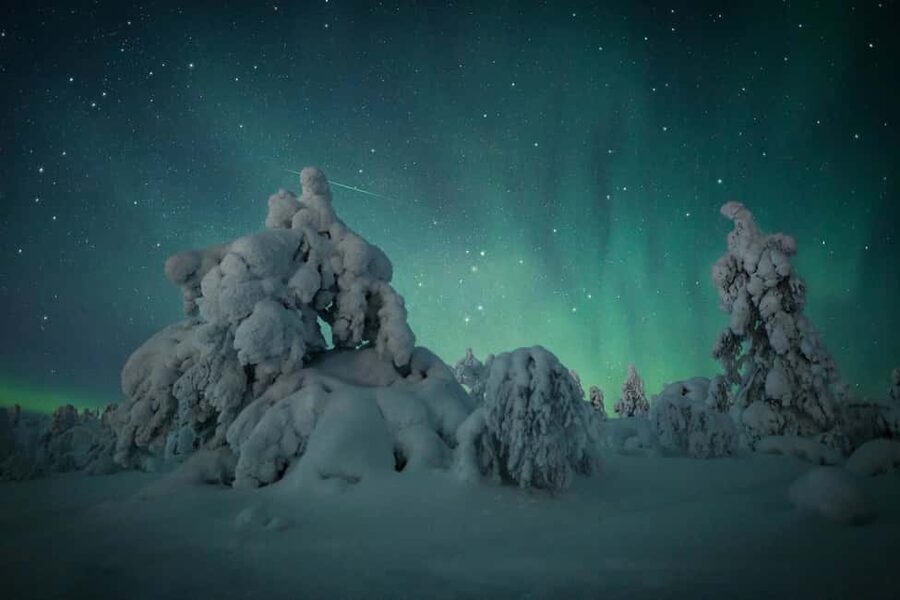
This trek fits best if you want a guided evening that combines three things:
- Active winter time on snowshoes
- Wildlife curiosity, especially grouse digging signs
- Northern Lights viewing opportunities without the stress of trying to do everything on your own
It’s also a great option if you don’t have winter gear yet. The ability to rent overalls, boots, socks, and gloves removes a lot of friction. If your plan is to see Lapland’s winter in a single, focused chunk, this is a good use of time.
You might want to think twice if you’re very sensitive to cold, or if uneven snow and night conditions make you anxious. The tour is only 3 hours, but the cold is real, and comfort depends on being dressed right. Another group that should plan carefully: anyone arriving from outside Ivalo. Extra transport costs can change the value.
Should you book the Polar Night Snowshoe Trek?
I’d book it if you’re staying near Ivalo and you want a structured winter evening: snowshoeing, wildlife sign spotting, and a real attempt at seeing the Northern Lights under low light pollution. The included transfers, warm drinks, and light snacks make it feel practical, not just romantic.
Skip it or at least reconsider if you’re not able to dress warmly or if you’re already stretched thin on winter logistics from farther away. This tour’s success depends on you being comfortable outdoors in the dark.
FAQ
FAQ
How long is the Polar Night Snowshoe Trek?
The duration is 3 hours.
Where do we meet and how do transfers work?
You meet at Xwander headquarters, and transfers from Ivalo and back are included.
What’s included in the price?
Included are guide services, hot drinks and light snacks, and transfers from Ivalo and back.
Can I rent winter gear for the trek?
Yes. You can rent a complete set of winter overalls, boots, socks, and gloves.
What should I bring with me?
Bring comfortable shoes, warm clothing, snow clothing, snacks, drinks, and water.
What languages are available for the tour guide?
The live tour guide is available in English, Finnish, French, and Spanish.
Is Northern Lights viewing guaranteed?
No. The trek offers a chance to witness the Northern Lights, and conditions depend on luck and the night sky.
What’s the cancellation policy?
You can cancel up to 24 hours in advance for a full refund.