REVIEW · KATHMANDU
2 Days Ghorepani Poonhill Trek from Pokhara
Book on Viator →Operated by Happy Mountain Nepal · Bookable on Viator
That sunrise climb is short, but it hits hard. This 2-day Ghorepani Poon Hill trek is a tight, rewarding taste of the Annapurna region, with big mountain views, village walking, and a guide who keeps things smooth from start to finish.
I love the sunrise payoff at Poon Hill. I also like that your trekking permits and transportation are handled for you, so you spend less time worrying and more time looking up.
The main consideration is effort. You’ll do an early start and hike uphill for sunrise, so you’ll want a moderate fitness level and realistic expectations for a short trek.
In This Review
- Key highlights to know before you go
- Why This 2-Day Poon Hill Trek Works From Pokhara
- Getting to Banthanti: The 4W Ride That Sets the Tone
- Day 1: The Ghorepani Walk Gets You Into Real Annapurna Country
- Day 2 Sunrise at Poon Hill: The One-Hour Climb for a Big View
- Meals, Permits, and Transport: What Your $220 Actually Buys
- The Guide Makes the Difference: Santosh and the Smooth-Fix Energy
- What the Group Setup Means for Your Day
- Difficulty Level: Moderate Fit, Early Starts, and Realistic Expectations
- What to Pack for a 2-Day Sunrise Trek
- Best For: Who This Trek Suits Best
- Should You Book This Ghorepani Poonhill Trek?
- FAQ
- What is the duration of the Ghorepani Poonhill trek?
- Where does the trek start?
- What time does the experience start?
- Do you get pickup from Pokhara?
- Are meals included?
- Are permits included?
- What transportation is provided?
- How hard is the hike?
- What will I see at Poon Hill?
- Is this a private tour?
- What is the cancellation policy?
Key highlights to know before you go
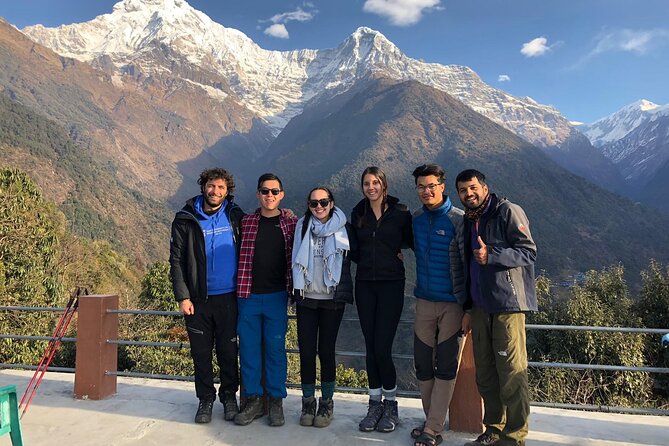
- Sunrise at Poon Hill after a roughly 1-hour uphill hike from the tea houses
- Big-view returns: you can expect the Annapurna range and Dhaulagiri range, plus other peaks in the wider panorama
- Meals are included (breakfast, lunch, dinner), which matters on a short timeline
- Professional English-speaking guide plus permits handled (ACAP and TIMS)
- 4W transportation from Pokhara to Banthanti and back, saving you time and hassle
Why This 2-Day Poon Hill Trek Works From Pokhara
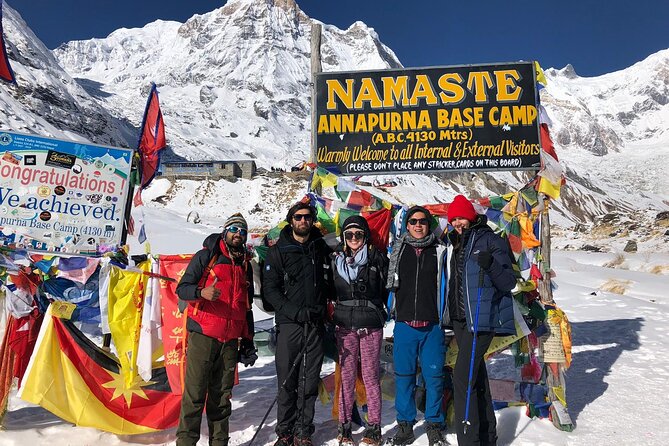
If you’re short on time but you still want real Himalayan payoff, this is a smart setup. In two days, you get walking time, village atmosphere, and that classic Poon Hill sunrise view that people talk about for a reason.
The best part is the rhythm: you don’t waste the trip on complicated logistics. You start with a scenic drive out of Pokhara, trek to the Ghorepani area, then wake early enough to catch the mountains as the light changes. You’ll likely feel like you’re racing the sun, in a good way.
And yes, it’s famous. But fame doesn’t automatically make something bad. When a viewpoint is repeatedly chosen, it’s usually because it reliably delivers.
You can also read our reviews of more tours and experiences in Kathmandu.



Getting to Banthanti: The 4W Ride That Sets the Tone
Your day starts in Pokhara with pickup from your hotel. The transfer to Banthanti takes about 3.5 to 4 hours by 4W vehicle, and it’s the kind of ride that quickly shifts you from city pace into trekking mode.
Why I think this matters for you: a short trek doesn’t leave much margin. If you had to handle bus schedules and local connections on your own, you’d burn energy before you even begin hiking. The included 4W transport keeps the plan simple, which is a big value for a two-day experience.
Another practical upside: because you’re traveling as part of a guided setup, you’re less likely to show up at the trailhead rushed or confused. Even if you’re not a “morning person,” at least the complicated part is done for you.
Day 1: The Ghorepani Walk Gets You Into Real Annapurna Country
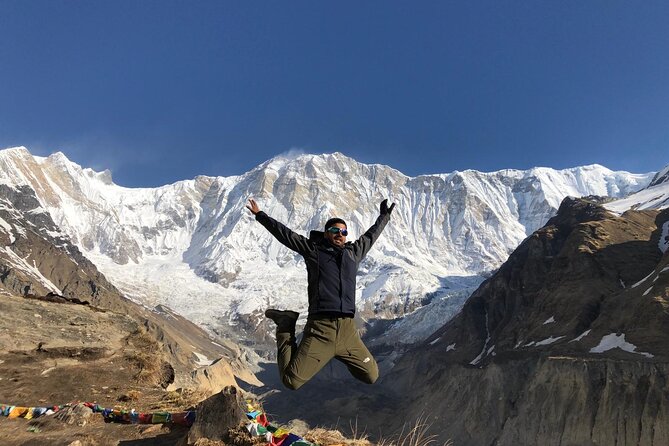
Day one is all about transitioning from the road to the trail—and then into the Annapurna-style mix of nature and village life. After breakfast and the drive to Banthanti, you start walking and spend the day moving through terraced hillsides and rural settlements.
This area is known for rhododendron forests and Gurung and Magar village culture. On a shorter trek like this, you don’t need to force a deep cultural study to feel the place. You just need enough time to pass through the rhythms of daily life—paths, small tea houses, local scenery, and the slow satisfaction of walking in mountain air.
Expect a long day on the trail. The day runs about 7 hours total, and even if the pace is steady, you’re still stacking time on your feet. You’ll want to treat day one like a warm-up for the sunrise push on day two.
One small perk you’ll feel at the end of day one: dinner is included. After a day of hiking, that matters more than it sounds. It cuts down on decision-making and lets you focus on sleeping well.
Day 2 Sunrise at Poon Hill: The One-Hour Climb for a Big View
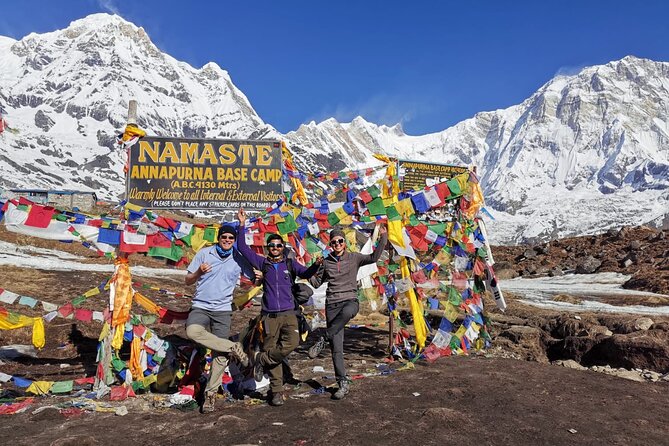
Day two begins early. You wake up for sunrise and then hike from the tea house to Poon Hill. The uphill section is about 1 hour, which is perfect for the “short but memorable” goal of this trek.
From Poon Hill, you can expect a wide panorama that includes the Annapurna range and Dhaulagiri range, with views extending to other major peaks in the region. This is where the trek pays you back for the early wake-up. The light over the Himalaya is one of those things that doesn’t need a script. It just works.
Then you hike down and continue through the rest of the day back toward Pokhara. Day two is listed at about 7 hours total, which gives you time for the sunrise moment and still keeps the whole trip compact.
Practical tip: plan your layers for the early hours. Sunrise viewing often means cooler air and changing wind. Even if the day feels mild earlier, you’ll want something warm for the minutes you’re standing still with your camera.
Meals, Permits, and Transport: What Your $220 Actually Buys
At $220 per person for about two days, this trek is priced like a “systems deal,” not just a guided walk. You’re paying for the parts that would be annoying to assemble yourself: transport, permits, and food.
Here’s what’s included:
- Breakfast, lunch, dinner during the trek
- Professional English-speaking trek guide
- ACAP (Annapurna Conservation Area Project) permit and TIMS permit
- Both-way 4W transportation between Pokhara and Banthanti
- All taxes and service charges
When I look at value, I think about what you avoid. Permits can be a hassle to sort out, especially when you’re trying to keep a tight schedule. Similarly, the included 4W transport saves you time and stress. For a two-day trek, that “less hassle” part is not a small benefit.
You also get an official mobile ticket, which is helpful if you like not carrying extra paperwork.
What you should budget separately: personal expenses, and hard/soft drinks during the trek. Tips are not included either. If you love your guide’s style and knowledge, you’ll probably want to tip, but that’s up to you.




The Guide Makes the Difference: Santosh and the Smooth-Fix Energy
The guiding is one of the strongest reasons people recommend this experience. The reviews highlight guide Santosh as especially knowledgeable and excellent at organizing the whole trip. What I take from that isn’t just praise—it’s a clue about what you’ll likely experience: clear explanations, confident handling of timing, and fewer moments where you wonder what comes next.
On a short trek, that’s a big deal. You don’t have days to “figure it out.” If sunrise timing runs on a knife edge, you want someone who’s calm and knows the flow.
Also, because the guide is English-speaking, you’re more likely to get useful context while you walk. That can turn the trek from just scenic to actually satisfying—like you understand what you’re looking at when the views open up.
What the Group Setup Means for Your Day
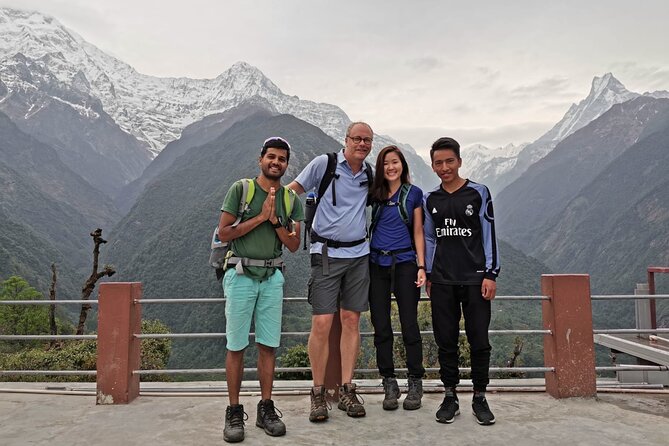
This is described as a private tour/activity for your group, meaning you aren’t sharing it with strangers in the same way some multi-person group tours do. At the same time, there are references to group discounts, so you might save money by traveling with friends or a larger party, depending on how the operator applies it.
Why this matters: on a trek, group logistics affect pace and comfort. In a private setup, you often get a bit more flexibility with your pace and needs—especially if you’re traveling with people who want the same vibe.
The meeting time is listed as 7:45 am, and the whole plan runs off that kind of early-day structure. If you like waking up early and making the most of daylight, you’ll probably feel at home here.
Difficulty Level: Moderate Fit, Early Starts, and Realistic Expectations
The trek is aimed at people with moderate physical fitness. That’s a good match for a lot of first-timers in Nepal’s trekking scene, as long as they respect the timing.
You’ll hike uphill for sunrise from the tea houses to Poon Hill (about 1 hour). You’ll also spend several hours on day one trekking to the Ghorepani area. So yes, it’s short—but it’s not a flat stroll.
Here’s how I’d think about it for you: if you can handle a steady uphill walk for an hour and you’re comfortable doing multiple hours of walking across two days, you’re in the right zone. If you’re expecting a gentle walk with no effort, you’ll likely feel it.
What to Pack for a 2-Day Sunrise Trek
Your pack for a two-day trek should be small but smart. You’ll be on foot, changing temperatures, and you’ll need basics for comfort when you stop to watch the mountains.
Bring:
- Layering for early morning cold
- A day bag and a reliable water plan
- Solid walking shoes with good grip
- Sunglasses and sunscreen (even with clouds, the sun can still bite)
- A flashlight/headlamp for early wake-up moments
You should also keep your electronics powered down between view moments. Cold mornings can drain batteries faster than you expect.
And remember: included meals take pressure off, so you don’t need to carry a full food stash.
Best For: Who This Trek Suits Best
This is ideal if:
- You want Annapurna views in a very short time
- You’re a beginner or intermediate hiker who doesn’t want a long commitment
- You appreciate guided structure, permits handled, and simple logistics
- You’re excited by sunrise and can handle early starts
If you’re an experienced trekker craving deep backcountry routes and lots of elevation change, you might feel the two days are too brief. But if your goal is a memorable Himalayan snapshot with real walking, this nails it.
Should You Book This Ghorepani Poonhill Trek?
I’d book it if you want a clean, well-supported trek that focuses on the payoff: mountain views from Poon Hill and a genuine sense of the Annapurna region in a tight schedule. The included transport from Pokhara, the permits, and the meals are exactly what you want to avoid extra headaches.
Skip it or rethink if you:
- Hate early mornings
- Need a very low-effort hike
- Want many days to explore instead of just two
For the right person, this trek is a fast ticket to stunning views, and it’s run with enough organization that you can enjoy the moment instead of managing the details.
FAQ
What is the duration of the Ghorepani Poonhill trek?
It’s listed as about 2 days.
Where does the trek start?
You’ll be driven from Pokhara to Banthanti, which is the start point used for this trek.
What time does the experience start?
The meeting time is 7:45 am.
Do you get pickup from Pokhara?
Yes, pickup from your hotel in Pokhara is included.
Are meals included?
Yes. Dinner, lunch, and breakfast are included.
Are permits included?
Yes. The ACAP permit and TIMS permit are included.
What transportation is provided?
You get both-way 4W transportation between Pokhara and Banthanti to and from the trek.
How hard is the hike?
The tour info says you should have moderate physical fitness. It includes an uphill walk to Poon Hill of about 1 hour.
What will I see at Poon Hill?
You’ll get sunrise views with a panorama that includes the Annapurna range and Dhaulagiri range, and you may also see other major peaks such as Manaslu.
Is this a private tour?
It’s listed as a private tour/activity, meaning only your group participates.
What is the cancellation policy?
Free cancellation is available up to 24 hours in advance for a full refund.