REVIEW · KATHMANDU
Private Multi Day Nepal Poon Hill Trekking Tour
Book on Viator →Operated by EncountersNepal.com · Bookable on Viator
Poon Hill is short on days and long on payoff. This private trek turns the Annapurna foothills into a clear, guided route to Poon Hill’s sunrise and big mountain panoramas, without you doing any route planning. I like the private guide setup that lets you control pacing, plus the way meals and overnight stays are handled for you.
One watch-out: you’ll still be climbing for hours, starting early, and the trek is weather-dependent—clouds can soften the sunrise promise.
What makes this feel like a smart value is the logistics work done for you. With guides like Buddhi (praised for kindness and professionalism) and Thakur Dahal (praised for patience), the trip runs with clear guidance and calmer decision-making on the trail. The one drawback to keep in mind is that no porter is included, so you’ll want to travel light and manage your own daypack.
In This Review
- Key highlights you’ll care about
- Poon Hill is the “baby trek” that still makes you earn it
- Private guiding: how it changes your whole trek
- The route in plain English: 6 days from Kathmandu to Kathmandu
- Day 1: Kathmandu to Pokhara
- Day 2: Pokhara to Tikhedhunga (about 1,577m)
- Day 3: Tikhedhunga to Ghorepani (about 2,855m)
- Day 4: Ghorepani to Poon Hill (about 3,190m) and down to Ghandruk
- Day 5: Ghandruk to Pokhara via Birethanti
- Day 6: Pokhara back to Kathmandu
- Sunrise morning at Poon Hill: what you’re really buying
- Walking terrain and what it feels like day to day
- Value check: what $900 covers, and what you’ll still need
- Timing and start: the 6:00am reality
- What to wear and pack for comfort (without overthinking it)
- Who this trek is best for
- The decision: should you book this Poon Hill trek?
- FAQ
- What’s the duration of the Poon Hill trek?
- What time does the tour start?
- Is this a private tour?
- What’s included in the price?
- Are drinks included?
- Do I need a passport name and details when booking?
- What’s the minimum age?
- Is a porter included?
Key highlights you’ll care about
- Private tour pace: Your guide shapes the day around you, not the other way around.
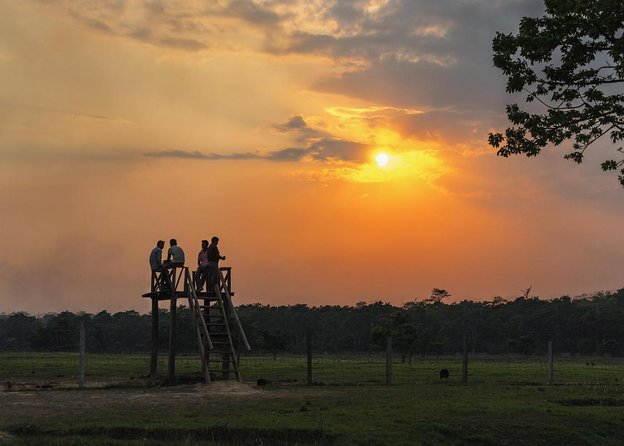
- Sunrise from Poon Hill: A very early hike gets you to the 3,190m viewpoint.
- Cultural stops, not just trekking: Gurung and Magar villages and local religious blends show up along the way.
- Meal and lodge coverage: Breakfast, lunch, dinner, and lodge overnights are part of the package.
- Modi River + forest zones: You’ll move from warmer mid-hills to cooler alpine air with rhododendrons and forests.
Poon Hill is the “baby trek” that still makes you earn it
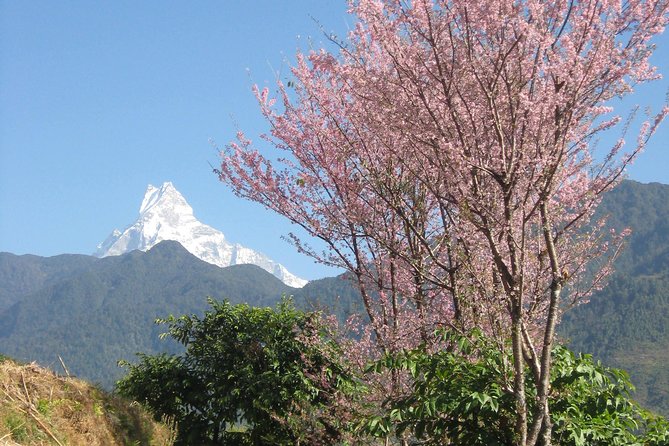
If you’ve heard Poon Hill called a baby trek, you’re not wrong—but don’t let the nickname fool you. This route feels manageable compared with major high passes, yet it still adds up to steady uphill walking, steps, and changing air as you gain elevation. The result is a hike that feels like a workout, then pays you back with wide-angle views of the Annapurna region.
The reason this trek works so well for many people is that it’s structured. You have a guide, planned overnights, and a sunrise timing that’s built around getting to the viewpoint while the light is right. When you’re hiking in Nepal, that matters. Confusion costs energy. Here, the plan keeps you moving with less stress and more time to notice details—like village life, river valleys, and the shift into cooler forest air.
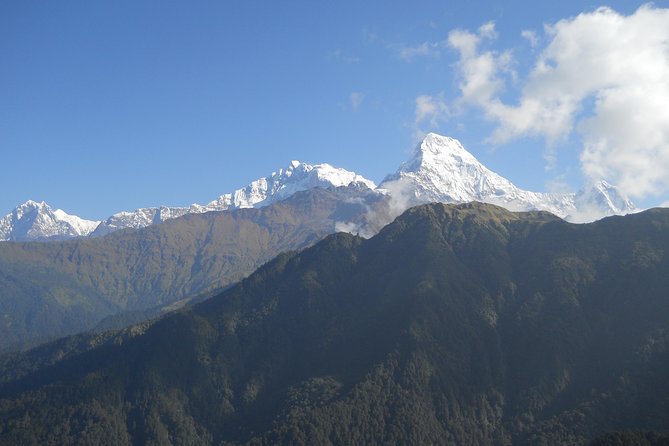
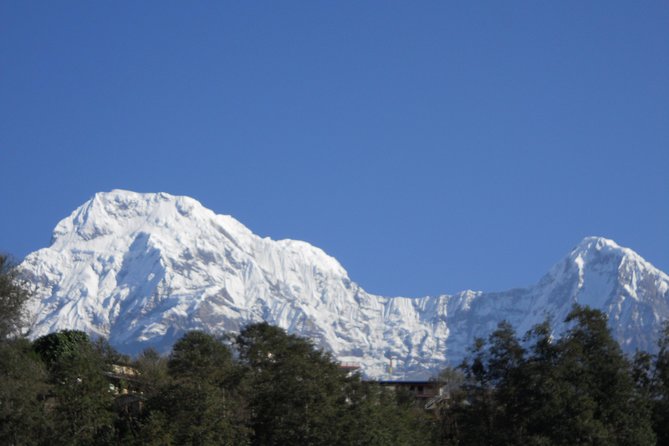
And yes, the mountains are the headline. From Poon Hill at about 3,190m, you can see a cluster of peaks including Annapurna I and Annapurna South, plus views toward Dhaulagiri and others on clear mornings. Even if you don’t catch the sky at its most dramatic, the climb itself is part of the experience.
You can also read our reviews of more tours and experiences in Kathmandu.



Private guiding: how it changes your whole trek
The biggest practical advantage is that this is a private tour. That means you’re not stuck with a mixed-speed group or forced to keep up with someone else’s pace. Your guide can nudge you along, slow you down when the trail steepens, and help you make small choices—like when to stop, where to rest, and how to manage your energy.
The guide quality seems to be a real strength. In past experiences, guides such as Buddhi were described as extremely benevolent, and Thakur Dahal was praised for being patient and professional. That fits what you want on a multi-day trek: clear direction, steady calm, and a friendly approach when conditions feel demanding.
You also get context beyond “walk to the view.” The route passes through communities tied to Gurung and Magar backgrounds, with local cultural traditions that include Buddhist influences and blends with Hindu practices. Instead of treating villages like scenery, you get a chance to understand what you’re walking through—farm terraces, everyday routines, and the rhythm of life in the mid-hills.
The route in plain English: 6 days from Kathmandu to Kathmandu
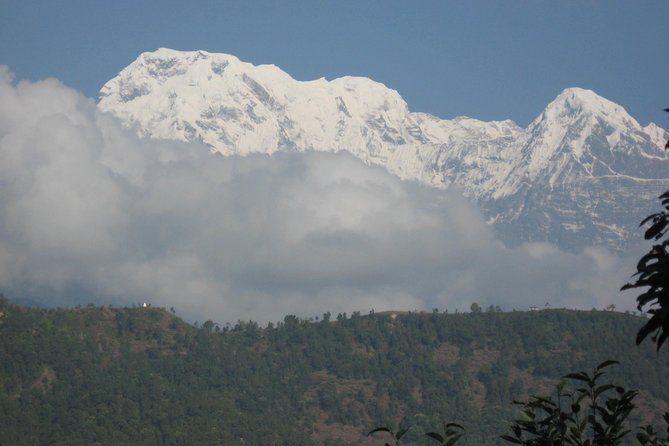
This is a 6-day plan built around moving from Kathmandu to Pokhara, trekking into the Annapurna foothills, reaching the sunrise viewpoint, then returning to the lakeside city.
Day 1: Kathmandu to Pokhara
You start early with a drive out of Kathmandu and into the Pokhara area. The trek journey kicks off after a highway transfer that follows the Baglung and Beni/Pokhara corridor, with grand views of the Annapurna Himalayan range as you go. Pokhara is your staging point for the trail-side route that begins at Nayapul or Bhirethanti.
Why this day matters: It’s not just transport. It helps you settle in, and it sets expectations for what you’ll see once you’re walking—mountain angles that look closer as you get lower to the valleys and then start climbing again.
Day 2: Pokhara to Tikhedhunga (about 1,577m)
Today you shift from city roads to trail starts. You’ll begin with the approach toward Tikhedhunga. The walking trend is gradual gaining, with warm mid-hills conditions mentioned for this part of the route.
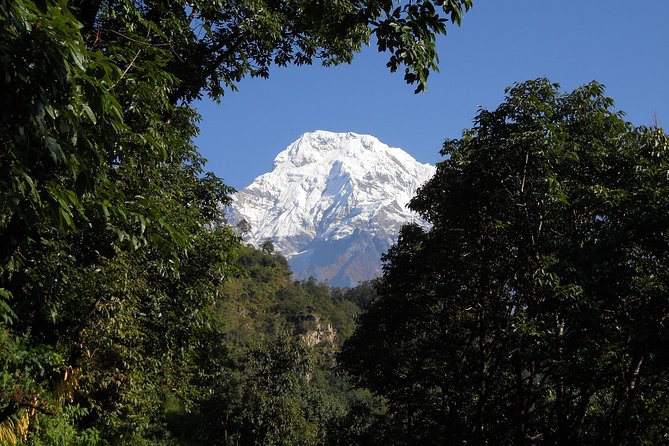
You follow the Modi River, fed by glaciers from the Annapurna Himalaya. That river reference matters because it explains the valley logic you’ll notice—where the trail sits, why the walking corridors feel like they do, and how the environment transitions from lower warmth toward cooler air later.
What to watch: This is where good hiking habits start. Keep your pace steady and don’t burn matches early. Even when the day feels “doable,” your legs will thank you for pacing.




Day 3: Tikhedhunga to Ghorepani (about 2,855m)
You’ll climb higher today and move toward Ghorepani, where you’ll sleep in a lodge. The route heads through terraced farm areas and traditional Gurung farm villages. The path includes stone steps on the route toward Ulleri, and as elevation rises, the air turns cooler.
Then comes a noticeable change: the trek shifts into a forested feel with pines and oaks, and you move closer to an alpine climatic zone. That change is more than scenery. Cooler air usually means you’ll breathe easier for most people, but the ground can be firm and steps can be tiring.
Why Ghorepani is a key stop: It’s the night base for your sunrise morning. Getting rest here isn’t a luxury—it’s what sets you up to hike early without rushing.
Day 4: Ghorepani to Poon Hill (about 3,190m) and down to Ghandruk
Day 4 is the payoff day. You’ll hike early from Ghorepani up to Poon Hill through a beautiful forested area lined with rhododendron. Reaching Poon Hill means you’re at the highest spot on the itinerary, and the big moment is sunrise over the Himalaya.
Afterward, the plan takes you down toward Ghandruk (around 1,960m). This part of the day shifts you from mountain-top drama to village atmosphere, where the descent feels different—more knee-bracing, but also more time to look at local homes and terraces.
A practical note: Sunrise treks are cold until the sun arrives. Warm layers and gloves help more than people expect, even if the afternoons feel mild.
Day 5: Ghandruk to Pokhara via Birethanti
Today you descend further and return toward Pokhara via Birethanti (around 1,040m). This is a quieter “reset” day compared with sunrise morning, though you’ll still be walking. Expect the trail to feel longer than you think, mostly because you’ll want to enjoy what you’re passing and you’ll likely feel the cumulative climb in your legs.
Why it’s worth taking your time: This is where the valley views and village life you saw earlier become more recognizable in context—like you’re finally seeing the whole picture of where you’ve been.
Day 6: Pokhara back to Kathmandu
You finish with the return transfer from Pokhara to Kathmandu. The itinerary keeps the end straightforward: get back to the city and complete the loop. You’ve got the benefit of built-in transportation rather than trying to coordinate on the fly.
Sunrise morning at Poon Hill: what you’re really buying
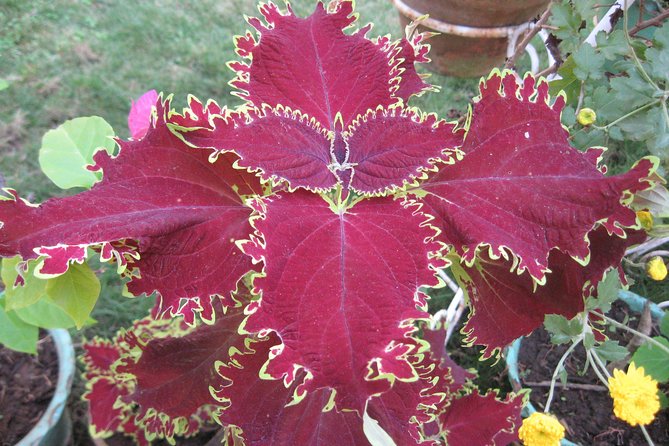
The hike to Poon Hill is short in distance compared with many mountain treks, but early mornings make it feel bigger. You’ll head out from Ghorepani into rhododendron-lined forest toward Poon Hill. Then comes the moment: sunrise over the Annapurna range, with wide-angle views of major peaks like Annapurna I and Annapurna South.
What you’re paying for here isn’t just the view. It’s the timing. If you try to DIY this trek without a plan, you can end up arriving too late, missing the best light, or wasting time negotiating the route. A guide and fixed overnights reduce those risks.
Also, this trek includes the lodge night at Ghorepani so you’re positioned for the early start. That small detail—where you sleep the night before—can make or break the sunrise experience.
Walking terrain and what it feels like day to day
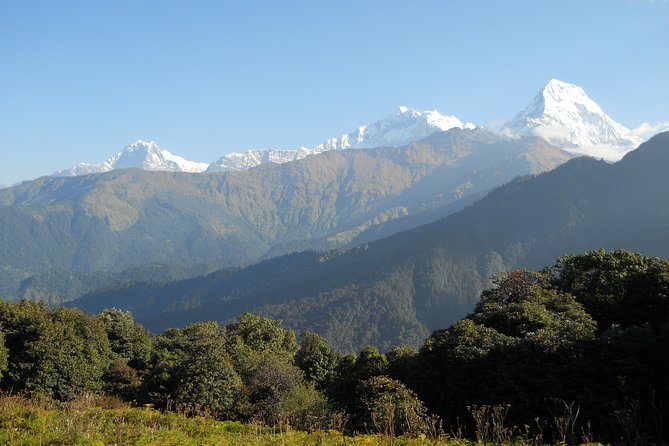
This route mixes a few types of hiking. You’ll spend time along river-fed valleys, then climb through farm villages and terraced fields, then spend time in forest and cooler zones as you gain elevation.
Key things to expect:
- Steps and stone climbing: There are stone steps on the way toward Ulleri. Steps are never as kind as flat trails, so practice good foot placement.
- Forest transitions: The description calls out pines, oaks, and then alpine-zone vegetation. In real terms, that often means more temperature swings and trail surfaces that change as you go higher.
- Altitude rise without a huge jump: Ghorepani sits around 2,874–2,855m, while Poon Hill is roughly 3,190m. You’re not doing a long high-altitude acclimatization trek, but you are gaining enough to feel it—especially if you push too hard early.
If you’ve got decent hiking fitness, you’ll likely handle it. If you’re coming straight from a sedentary schedule, you’ll want to plan training time or at least start with a conservative pace. This is “baby trek” in days, not in effort.
Value check: what $900 covers, and what you’ll still need
At $900 per person, you’re not just buying a route. You’re buying covered logistics. The included items are substantial:
- Accommodation: 6 nights of lodging as per the itinerary
- Meals: breakfast, lunch, and dinner
- Guide: professional guide
- Transfers: round-trip private transfer by bus, plus hotel drop-off for selected hotels
- Fees: national park fees and included taxes
- Coffee/tea: provided
That’s a meaningful package for Nepal trekking, because lodging and meals add up quickly when you’re working without an organized plan. And park fees matter—this tour has them handled.
What’s not included (important for budgeting):
- Drinks and alcoholic drinks (available to purchase)
- Souvenir photos (available to purchase)
- Personal trekking gear
- Porter (not included), so you carry your own stuff
- Hotel upgrades
- Domestic flights
- Food in bus journey
So the value question becomes simple: if you want a smooth, guided experience with your costs controlled, this package is strong. If you plan to hire gear help or porter support, note that this option doesn’t include that.
Timing and start: the 6:00am reality
The tour start time is 6:00am, with hotel pickup/drop-off for selected hotels and a meeting point near public transportation. Early starts are common for sunrise treks, but this tour makes mornings part of the design rather than an accident.
You’ll get the most out of the early start if you do two things:
1) sleep as well as you can the night before, and
2) keep your breakfast routine simple so you’re not experimenting with food right before you hike.
What to wear and pack for comfort (without overthinking it)
The tour notes a smart casual dress code, which makes sense for city days and transfers. On the trail, you’ll be in hiking clothes and layers. You’ll want to think in terms of temperature changes—from warmer mid-hills down in the valley zones to cooler air as you climb and reach higher points.
Because porter service isn’t included, packing light matters. Bring what you can carry comfortably for multiple days. If you’re unsure, keep your daypack lean: water, a warm layer, basic snacks, and essentials for the trek.
Also remember: sunrise hikes can be cold. A hat and light gloves can help a lot, even when the afternoon feels pleasant.
Who this trek is best for
This private Poon Hill tour fits hikers who:
- want a guided route with less planning stress
- enjoy village walking and cultural context, not only mountain chasing
- prefer flexibility in pacing that comes with a private guide
- can handle a steady multi-day climb and early starts
It might be less ideal if you:
- need porter support (not included here)
- want zero altitude discomfort at all
- plan to rely on a very flexible schedule if weather is poor (this trip requires good weather)
The decision: should you book this Poon Hill trek?
I’d book this tour if you want the classic Poon Hill experience with the hardest parts handled: route clarity, guide support, lodge timing, and sunrise logistics. The included meals and accommodation help keep you focused on the trail instead of budgeting and negotiating every day.
I’d skip or compare options if you hate early mornings, you don’t want to carry your own pack, or your travel dates are set during a period where weather can be unpredictable for you.
If you’re somewhere in the middle—good fitness, realistic expectations, and you want a clean, private plan—this is a strong way to get to Poon Hill and feel the Annapurna region up close.
FAQ
What’s the duration of the Poon Hill trek?
The tour runs for about 6 days.
What time does the tour start?
Start time is 6:00 am.
Is this a private tour?
Yes. It’s a private tour/activity, and only your group will participate.
What’s included in the price?
The tour includes 6 nights accommodation, a professional guide, breakfast, lunch, and dinner, coffee and/or tea, private round-trip bus transfers, hotel drop-off for selected hotels, and national park fees and taxes.
Are drinks included?
No. Drinks and alcoholic drinks are not included, though they are available to purchase.
Do I need a passport name and details when booking?
Yes. You’ll need the participant’s passport name, number, expiry, and country at booking.
What’s the minimum age?
The minimum age is 9. Children must be accompanied by an adult.
Is a porter included?
No. Porter service isn’t included, so you’ll carry your own trekking gear.