REVIEW · LAKE SEGARA ANAK
Oke Rinjani 2-Day Trek – Summit senaru Climb & Amazing Views
Book on GetYourGuide →Operated by oke rinnjani · Bookable on GetYourGuide
A two-day climb can still feel life-changing. This Oke Rinjani Senaru route gives you crater-rim camping with killer sunset views of Segara Anak, plus a dawn push to the second summit for sunrise over the sea and volcanoes. I also love the practical crew setup, from a certified English-speaking guide to porters who handle camping gear so you can focus on the climb. One consideration: it’s a hard uphill trek with cold, windy nights at the rim, so you’ll want solid footwear and warm layers.
Here’s the good news: this is a classic 2-day plan with enough structure to keep you moving, not wandering. You’ll hike through dense tropical forest, hit key points like Pelawangan Senaru (2,641m), camp above the clouds, then descend through forest back to Senaru Village. If you’re coming from Lombok/Senggigi/Mataram/Bangsal, pickup and post-trek drop-off are included, which removes a lot of day-of stress.
The possible downside isn’t the schedule. It’s your fitness and cold tolerance. Even if you’re a beginner-intermediate hiker, the incline is real, the summit morning is early, and your hands may feel it, especially near dawn.
In This Review
- Key highlights to circle on your map
- Entering the crater-rim world: why Senaru works for 2 days
- Day 1: Senaru Village to Pelawangan Senaru and camp above the clouds
- Day 2: the second summit sunrise push (and how to survive it)
- Sunset dinner and crater-rim camping: comfort you’ll notice at 5–10°C
- The crew matters: guides, porters, and the value of English support
- Price and value at about $171: where the money really goes
- Gear and cold-weather tips that keep you steady
- Weather and route realism: what “tough” actually means
- Who should book this trek, and who should think twice
- Should you book the Oke Rinjani 2-Day Trek via Senaru?
- FAQ
- Do I need to pay the national park entrance fee?
- What health check fees apply?
- What’s included for camping gear?
- Does the trek include meals and drinks?
- What transport is included?
- Can I rent trekking gear on-site?
- How cold does it get at night?
Key highlights to circle on your map
- Sunrise payoff from the Senaru summit line with sea views that make early mornings worth it
- Crater rim sunset over Segara Anak Lake from camp, when light hits the caldera just right
- Tropical forest hiking that cools you down on the climb and keeps the scenery interesting
- Porters who carry camp cooking gear and equipment, so you can trek lighter
- Hot drinks at wake-up (tea or coffee) before the sunrise push
- Helpful gear advice from the field, including glove and tread tips for cold and slippery sections
Entering the crater-rim world: why Senaru works for 2 days
Mt. Rinjani is famous, but the reason Senaru shines for a short trek is timing. In two days, you get the best “Rinjani feel” in the right order: warm tropical forest at daytime, then the crater rim when temperatures drop and the world opens up.
From Senaru Village you start climbing through dense rainforest. That part matters more than you might think. It slows your pace, protects you from harsh sun, and gives you plenty of variety underfoot while your body warms up. By the time you reach higher points, you’re not just fighting altitude. You’re also moving from green jungle to open volcanic views.
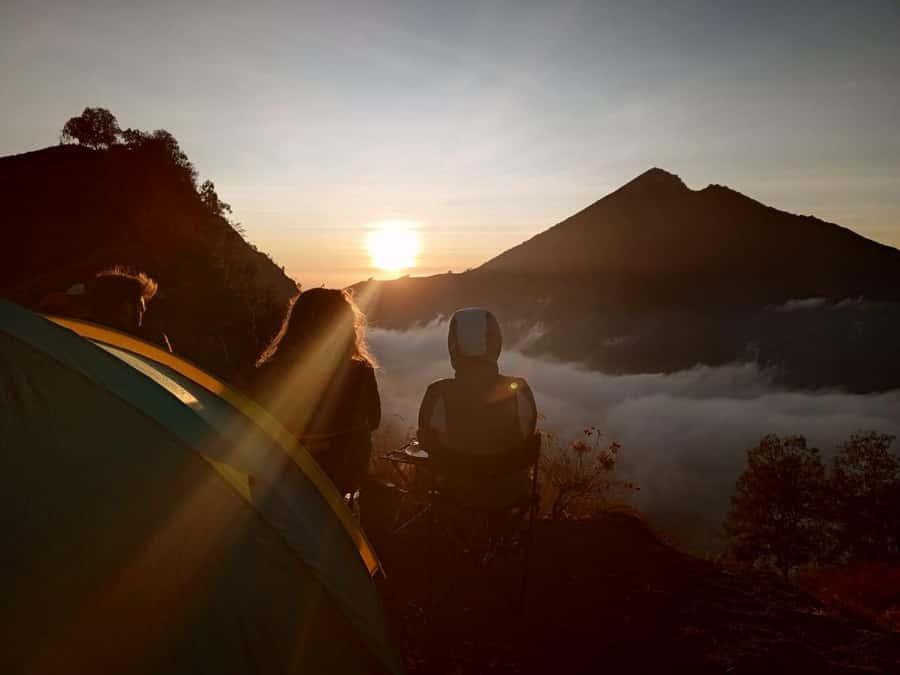
Then comes the payoff: camping on the rim. That isn’t just a place to sleep. It’s your viewing platform for sunset, and it becomes your launch pad for sunrise. If you’ve ever done hikes where you miss the best light because you’re too far away or too tired to appreciate it, this route is designed to put you in position.
You can also read our reviews of more tours and experiences in Lake Segara Anak.
Day 1: Senaru Village to Pelawangan Senaru and camp above the clouds
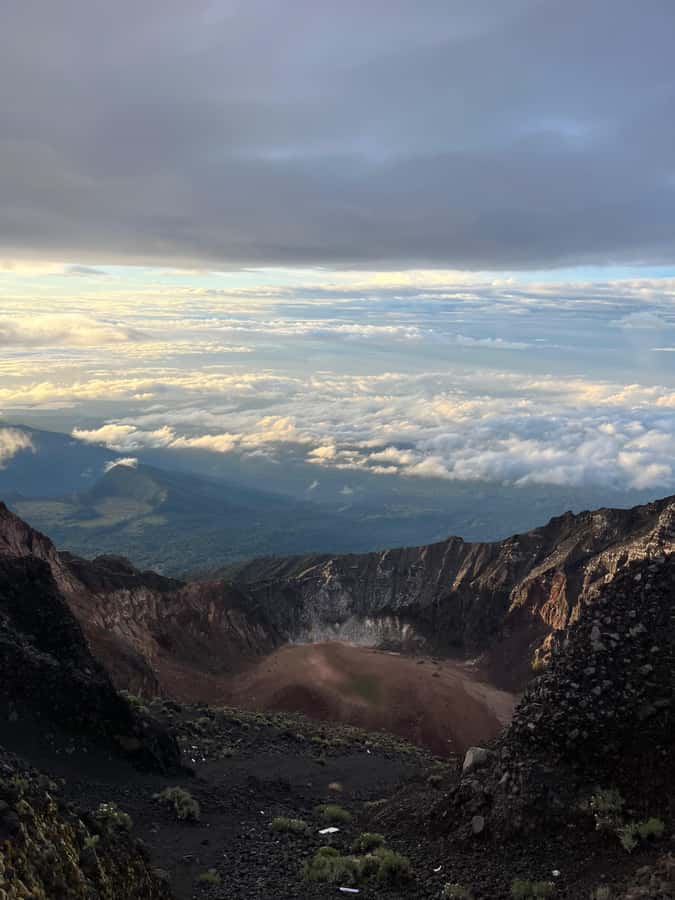
Your day starts with an early pickup from your hotel in Senaru area. If you’re staying around Senggigi, Mataram, Lombok, or Bangsal, the pickup/drop-off logistics are built into the package, so you’re not negotiating transport after the trek when you’re tired.
After a light breakfast and trek registration, you begin the climb through dense rainforest. Expect a mix of steady uphill sections and moments where you catch your breath and check your footing. The plan stops around route points (often called positions). Lunch is scheduled at Pos 3, which is a solid rhythm for a 2-day trek: eat, reset, then keep climbing.
Next you continue toward Pelawangan Senaru at 2,641m. This is where the hike starts to feel more like you’re entering a high-altitude zone. The air tends to shift, and the ground can feel different under your shoes. Your reward is that you reach the camp setup area with views over Segara Anak Lake.
By late day, you set up camp at the crater rim and you’re there for sunset. This is one of the strongest reasons to choose this trek. Sunset from the rim is a full scene, not a quick “photo and go” moment. You’ll also get dinner plus a safety briefing for the next morning push. The briefing is key because the second summit part starts very early, and cold + low light can mess with your focus if you’re not mentally ready.
Overnight, plan on being above the clouds. It’s beautiful, and it’s also why conditions can feel cooler than you expect. The temp range at night can drop to about 5–10°C, so pack for cold, not for tropical beach weather.
Day 2: the second summit sunrise push (and how to survive it)
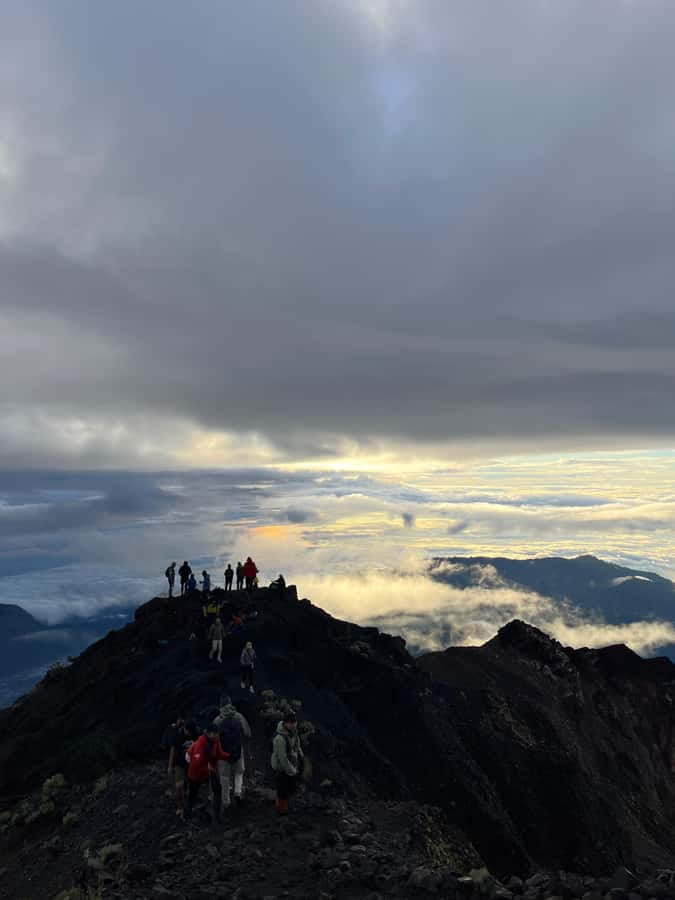
Day 2 is built around one mission: get to the second summit in time for sunrise. You’ll wake before dawn with hot tea or coffee, which is a smart touch. It helps you start moving without feeling groggy or cold.
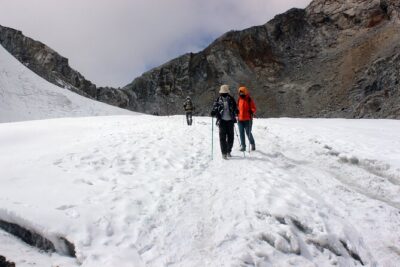
Then you hike toward the second summit for sunrise. The trek aims for around ±2,700m for that summit line. That means early darkness, uphill effort, and steady breathing. You’ll want to move at a pace you can sustain. A fast start feels good for five minutes, then you’ll pay for it later.
When the morning light comes, the views turn magical in a very practical way: visibility improves, your sense of direction returns, and you can actually appreciate the geometry of the caldera. From this higher point, you get that mix of volcanic terrain, the lake in the middle, and often sea views layered behind it. It’s the kind of panorama that makes the cold morning feel worth it.
After sunrise, you return to camp for breakfast. Then you begin the descent. The good thing here is that you go from exposed volcanic terrain back toward forest. The descent is still tiring, but it’s easier on your head because you can focus on the path and the sounds of the trees.
Back in Senaru Village, you’re dropped off to your hotel or arranged location. After two intense days, that final transport matters. It lets you recover immediately instead of figuring out your ride while your legs complain.
Sunset dinner and crater-rim camping: comfort you’ll notice at 5–10°C
Camping on a volcano rim can sound dramatic. The reality is simpler: you’re sleeping outdoors, and you’ll feel the temperature difference.
The package includes camping gear, which is a huge value win for most hikers. You should have a tent, sleeping bag, sleeping mat, a toilet tent, and even tissues. That means you’re not guessing what “good enough” gear looks like in a mountain setting.
Meals are properly planned across the two days. You get freshly cooked meals, plus drinking water and hot drinks during the trek. From the field notes I’ve seen, dinner can include nasi and breakfast can include pancakes. That’s not just cute. Warm carbs and a real meal help you keep energy stable on summit morning, when your appetite might be low but your body still needs fuel.
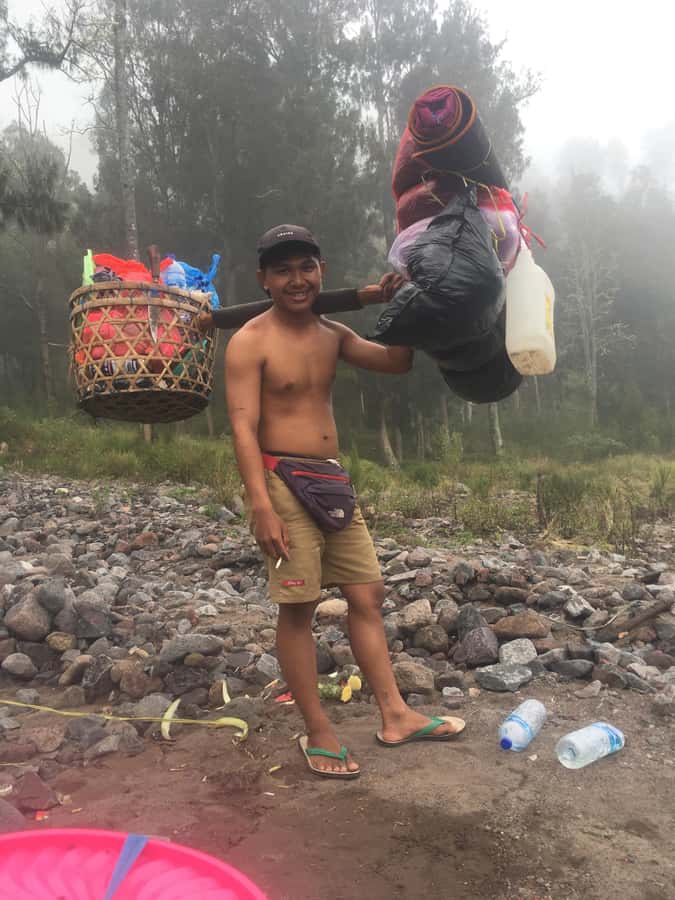
Your crew also handles a lot of the logistics. Porters carry the cooking gear and camping equipment. In practice, that’s the difference between hiking with a light daypack and hiking with a full camping load. It’s also why people walk farther comfortably even when the route is steep.
The crew matters: guides, porters, and the value of English support
This trek is run with an English-speaking mountain guide and professional porters. That combination matters because it changes how you experience the hike.
A guide isn’t only there for route navigation. They’re there to manage pacing, timing, and safety, especially on the second day when you’re moving in the dark and then reaching high ground at dawn. The included safety briefing the night before is a sign the operator takes early-morning risk seriously.
The porters are the unsung heroes of this route. One of the most memorable details from the ground is that some porters climb with flip-flops while handling responsibilities the rest of us would never risk. Whether you feel amazed or just impressed, it’s a reminder that this is skilled labor, not casual support. Treat them with respect, keep your daypack light, and you’ll all move smoother.
Price and value at about $171: where the money really goes
At roughly $171 per person, this isn’t a bargain climb, but it also isn’t inflated for what you get. The price makes sense when you think about what’s included:
- Pickup and return transport from your lodging area
- Certified English-speaking guide plus professional porters
- Camping gear (tent, sleeping bag, mat, toilet tent)
- Meals across both days and hot drinks
- Drinking water (3 liters of mineral water each day)
- Basic accommodation at the Oke Rinjani base if needed
What’s not included is also clear. You’ll need the national park entrance fee (IDR 200,000 per day), plus a mandatory health check fee (IDR 15,000) isn’t included. Gear rentals are available at the office, and tips are always appreciated.
So is it worth it? If you’d otherwise have to arrange guides, camping setup, and a reliable transport plan, this package becomes easier to justify. The biggest value is the reduction in moving parts. On a steep, cold 2-day trek, fewer moving parts means more energy for the hike.
Gear and cold-weather tips that keep you steady
The route is demanding, so gear matters. But you don’t need to overthink it if you stick to what’s proven.
Footwear with grip is the top priority. The climb and especially the descent can be slippery. One practical tip: even if some people manage in sneakers, you’ll want good tread on your soles. If you can rent boots at the office, do it early, because sizes may be limited.
Next: a windproof jacket and warm layers. At night, temperatures can drop to around 5–10°C. Even if you feel fine during the day, crater-rim evenings can get chilly fast.
Bring a headlamp or flashlight for the pre-dawn hike. You also want warm gloves. Gloves weren’t listed as a must in the basics, but they’re a real summit-morning comfort upgrade. Cold hands show up fast when you’re moving slowly and the air is thin.
Other items you’ll be glad you packed:
- A daypack (for your personal layer and snacks)
- Trekking shoes (gaiters recommended, if you have them)
- Long pants and comfortable clothes
- Sunscreen that’s biodegradable
- Cash (for park fees and extras)
- A charged smartphone and a power bank
- Passport or a copy accepted
- Hand sanitizer or tissues
Also: alcohol and drugs are not allowed. Stick to clean, safe mountain habits.
Weather and route realism: what “tough” actually means
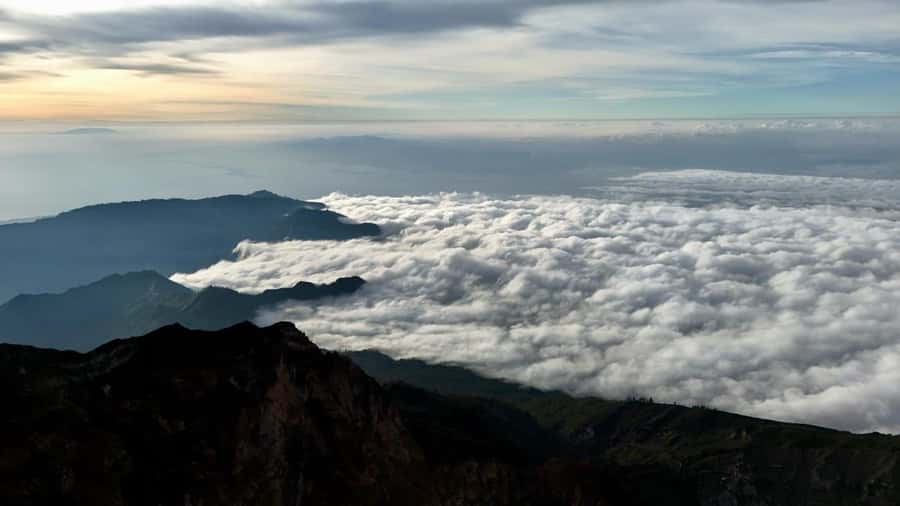
This trek is suitable for fit beginners to intermediate hikers. That means you don’t need mountaineering skills, but you do need stamina. The route is mostly uphill with steep sections, especially as you climb higher. Your legs will feel it, but your breathing and pacing matter just as much as strength.
Bad weather can happen. One of the best signs from real-world experiences is that even when conditions aren’t perfect, the experience still lands as memorable because the schedule puts you where you need to be for sunset and sunrise. Still, don’t show up expecting guaranteed visibility every minute. Rinjani weather can change.
Your biggest fight will be time and temperature on the second day. When you wake early, your body can take a while to warm up. That’s why hot drinks and a sensible pace are so important.
Who should book this trek, and who should think twice
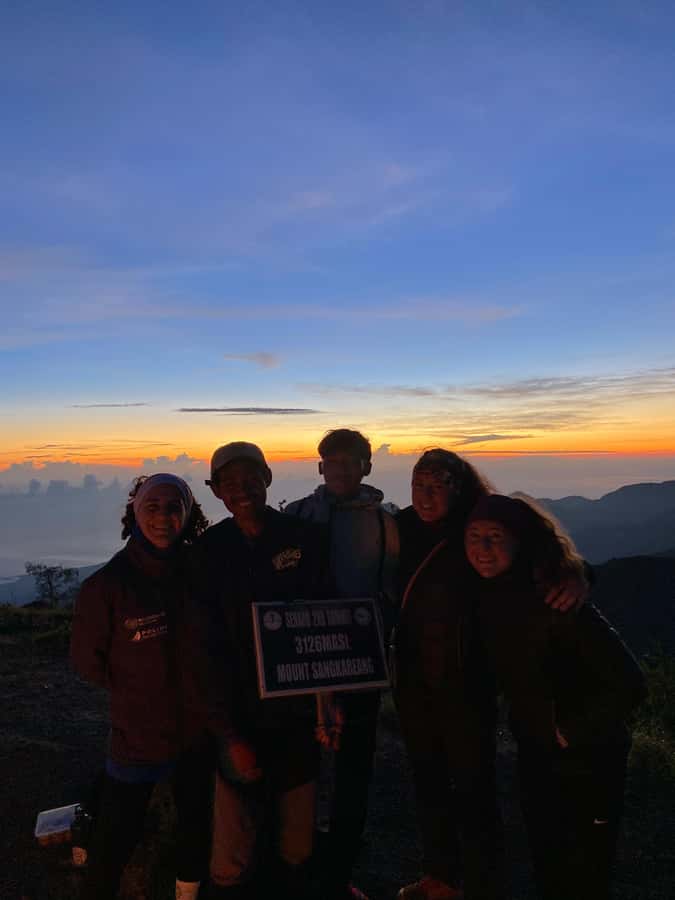
This is a great option if you want a short trek that still feels like you earned the views. If you like hikes with a clear goal (sunset, then sunrise) and you’re okay with cold nights and steep walking, you’ll fit right in.
It’s less ideal if you’re looking for an easy stroll. You should plan for a strenuous uphill climb and a tough descent.
Age limits matter too. It’s not suitable for children under 3, 4, 5, or 6 years (as listed), and it’s also not suitable for people over 95 years or over 70 years. If you’re near those limits, you should take the terrain seriously and consider your ability to handle cold, uneven ground, and early starts.
Should you book the Oke Rinjani 2-Day Trek via Senaru?
Book it if you want maximum view time in a short window: rainforest climbing, crater-rim camping, Segara Anak at sunset, and a real sunrise summit push. The included camping setup, meals, and guide support make it feel doable even when the route is tough.
Skip it if cold nights, early mornings, and steep inclines sound stressful rather than exciting. If you’re unsure about your gear or fitness, rent boots from the office if possible, add gloves, and plan to move at a steady pace rather than racing your group.
If you’re ready for a physically honest trek with a strong sense of place, this one is a solid bet.
FAQ
Do I need to pay the national park entrance fee?
Yes. The Mount Rinjani National Park entrance fee is not included. It’s listed as IDR 200,000 per day.
What health check fees apply?
A mandatory health check fee is listed as IDR 15,000, and it’s not included in the trek price.
What’s included for camping gear?
The package includes a tent, sleeping bag, sleeping mat, a toilet tent, and tissues for the camping night.
Does the trek include meals and drinks?
Yes. You’ll have 4 freshly cooked meals during the trek and drinking water plus tea and coffee.
What transport is included?
There’s return transport from your hotel areas (Lombok/Senggigi/Mataram/Bangsal are referenced), plus pickup from your accommodation in Senaru. After the trek you’re driven back to Senggigi, Mataram, or Bangsal Harbor (or arranged location).
Can I rent trekking gear on-site?
Yes. Essential trekking gear such as jackets, headlamps, trekking poles, small daypacks, trekking shoes, and long pants can be rented at the Oke Rinjani office before trekking.
How cold does it get at night?
Night temperatures can drop to about 5–10°C on the crater rim, so warm layers and a windproof jacket are important.