REVIEW · SA PA
Sapa: Sapa Mountain View And Villages Trek
Book on GetYourGuide →Operated by Sapa Trekking Hiking Tours · Bookable on GetYourGuide
Mountain air and village paths in Sapa. This guided Sapa Mountain View And Villages Trek pairs easy-to-follow walking routes with big scenery: views over Muong Hoa valley and Sapa town from about 1,850 meters. The icing on the cake is that you’re not just looking at mountains—you’re meeting people and learning how daily life works in the area.
I especially love the payoff: the panorama from Ham Rong Mountain (Dragon), including a view of Fansipan on a clear day. And I really like how the day includes time in Black Hmong villages, plus a visit to a Hmong House, with your guide explaining local customs as you go. The one thing to consider is that this is still a hike on uneven, rocky slopes, so good hiking shoes matter—and it’s not a fit if you have back problems, mobility issues, are pregnant, or are traveling with young children.
In This Review
- Key highlights worth your attention
- Hotel pickup, 30-minute ride, and a 9:30 AM start
- Ham Rong Mountain views: Sapa town, Fansipan, and the Hoang Lien Son range
- The orchard route to the 1,850-meter peak
- Following the trail past Sa Seng, Hang Da, and Hau Chu Ngai
- Hmong House visit: turning a village visit into real context
- Lunch in Hang Da: fueling up in a village restaurant
- Gear and weather reality: raincoats, hats, and what you still need
- Price and value: what $38 covers in Sapa
- Who should book this trek (and who should skip it)
- Book it? My quick decision guide
- FAQ
- What time does the trek start, and how long is it?
- Where is pickup in Sapa?
- Is lunch included?
- What hiking gear is provided?
- Is the tour suitable for everyone?
- What should I bring, and what isn’t allowed?
Key highlights worth your attention
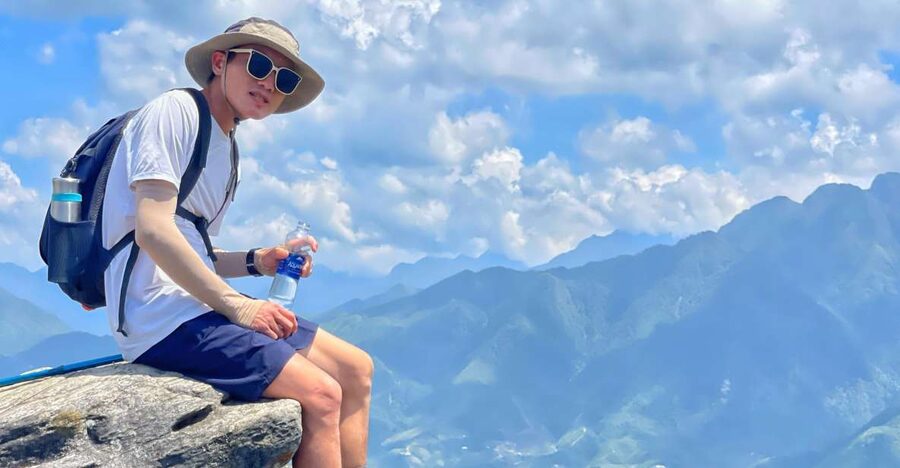
- Panoramic views from around 1,850 meters over Sapa town and the Muong Hoa valley
- Ham Rong Mountain trail with stops at multiple village areas along the slopes
- Black Hmong village visits plus a Hmong House stop for context
- A village lunch in Hang Da, served at a local restaurant setting
- Practical gear included: raincoat, hat, small backpack, and trekking stick
Hotel pickup, 30-minute ride, and a 9:30 AM start
Your day kicks off at 9:30 AM, with pickup in Sapa center (or at Sapa Church). You’ll get a short briefing before heading out, and the plan is built to keep you moving without wasting time. After that, there’s a short bus/coach transfer of about 30 minutes, which helps you get to the start of the mountain area with less hassle.
This is the kind of schedule that works well if you don’t want to spend hours arranging taxis or self-navigating roads up and down the hills. Also, the trek is only about 6 hours total, which makes it feel doable even on a short Sapa visit.
One practical note: you’ll want to travel light. Luggage or large bags aren’t allowed, so plan on using just what you need for the day.
You can also read our reviews of more tours and experiences in Sa Pa.
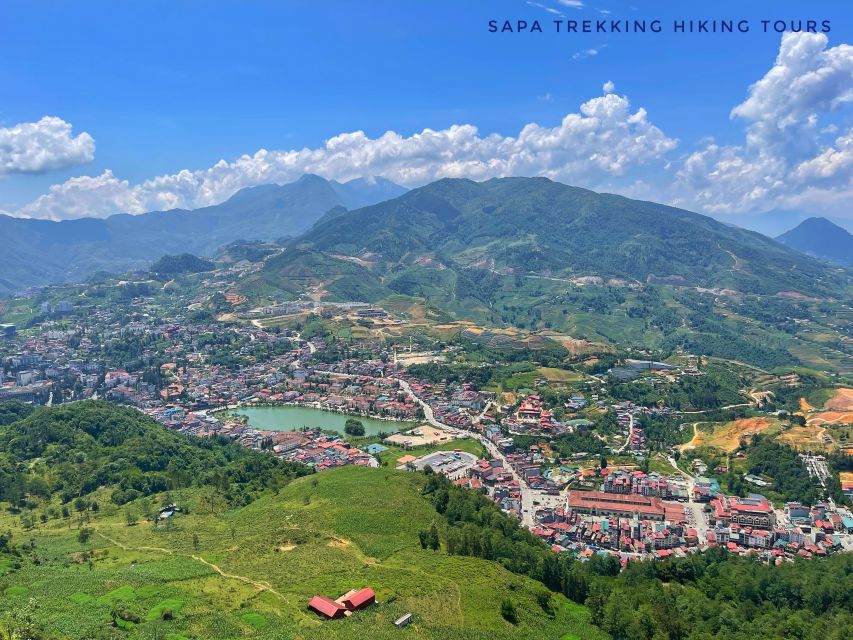
Ham Rong Mountain views: Sapa town, Fansipan, and the Hoang Lien Son range
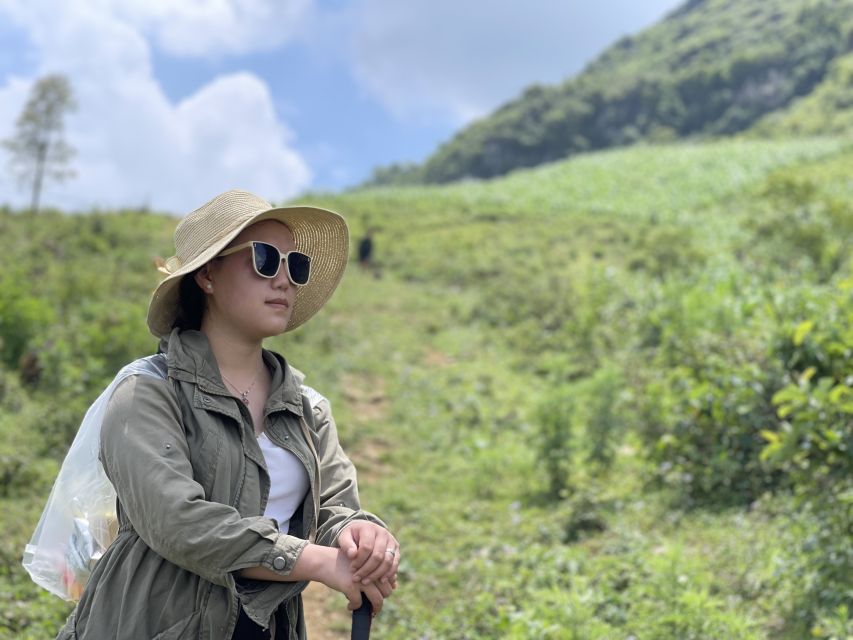
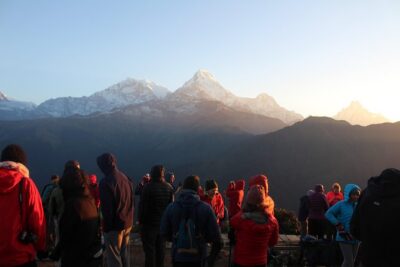
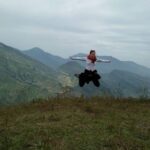
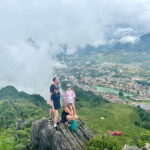
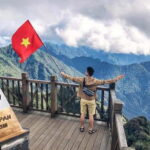
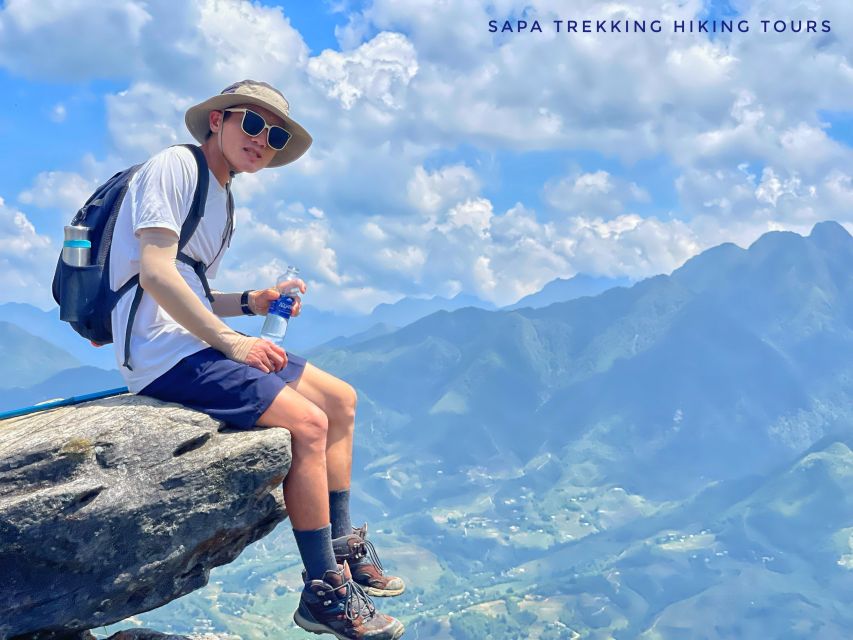
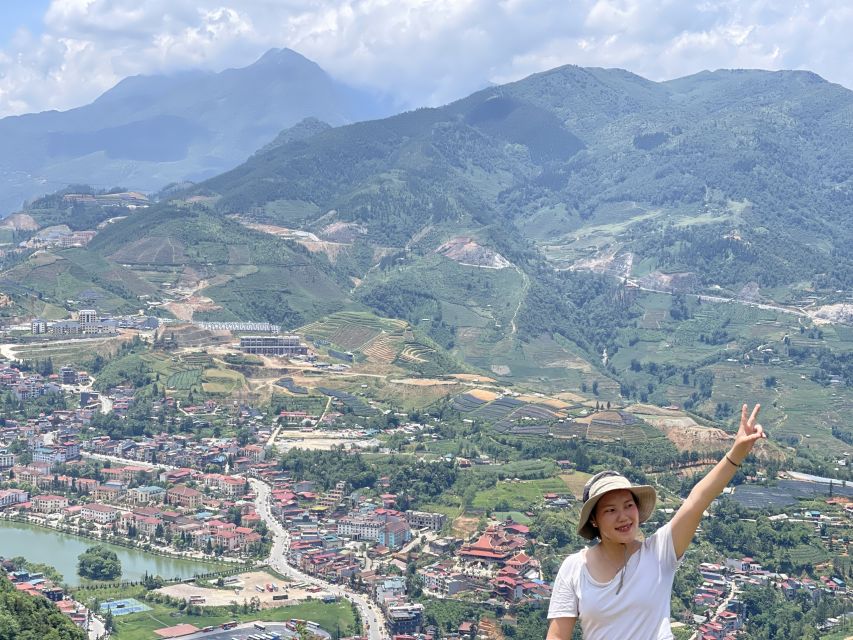
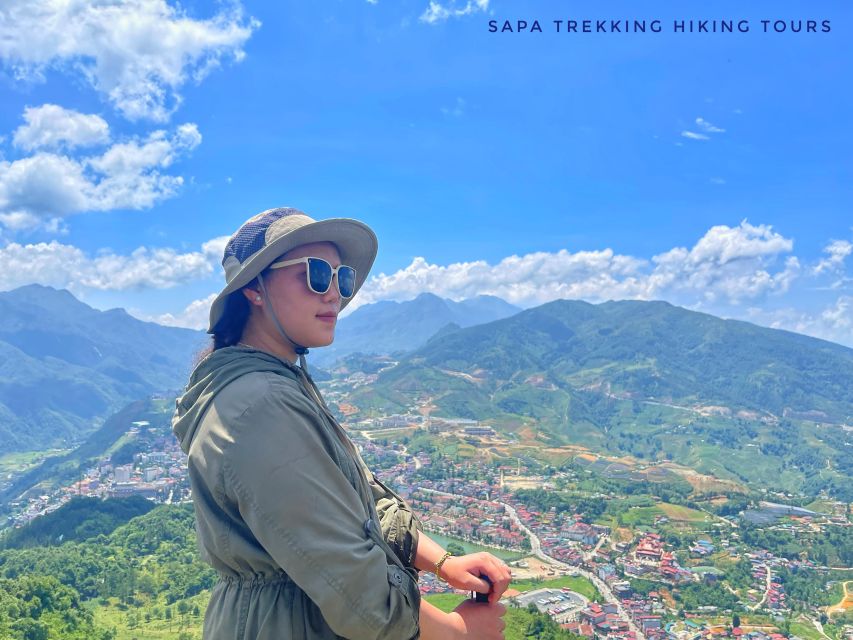
The main stage of your Sapa trekking experience is Ham Rong Mountain (Dragon). From the start, you’re building toward a high viewpoint at roughly 1,850 meters above sea level, where the views open up in a big way.
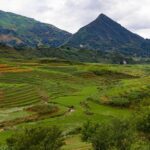
Expect to look out across the Hoang Lien Son mountain range, and you’ll also get a sight line to Fansipan, the highest mountain in Indochina, located opposite Ham Rong. From that altitude, it’s easier to understand the geography of Sapa: why the valley is carved the way it is, how towns sit against steep slopes, and why people have lived along these mountain routes for generations.
What I like about this part is that the scenery isn’t just a distant backdrop. Your path and village stops are tied directly to the mountain, so the views feel earned rather than accidental. Your guide also points out what you’re seeing, and there’s an English audio guide included to help you connect the dots while you walk.
The orchard route to the 1,850-meter peak
Before the viewpoints and villages, you travel down a smaller road along the mountainside. This is where the trek gets more grounded and local. You’ll pass peach, plum, and corn orchards, which gives you a sense that Sapa isn’t only about dramatic peaks—it’s also about farming and seasonal work on steep terrain.
Then the route continues toward the peak area around 1,850 meters, where you can really take in the contrast: orchards and working land below, wide mountain views above. If you’re the type who likes seeing how a region earns its food, this stretch is more interesting than it sounds. You’re watching livelihoods happen while the scenery slowly expands.
Bring a bit of patience here. Even when the walking feels manageable, the air and light can change fast at this altitude. A hat and sunscreen are not optional if you’re sensitive to sun, and the day is designed for you to have that covered.
Following the trail past Sa Seng, Hang Da, and Hau Chu Ngai
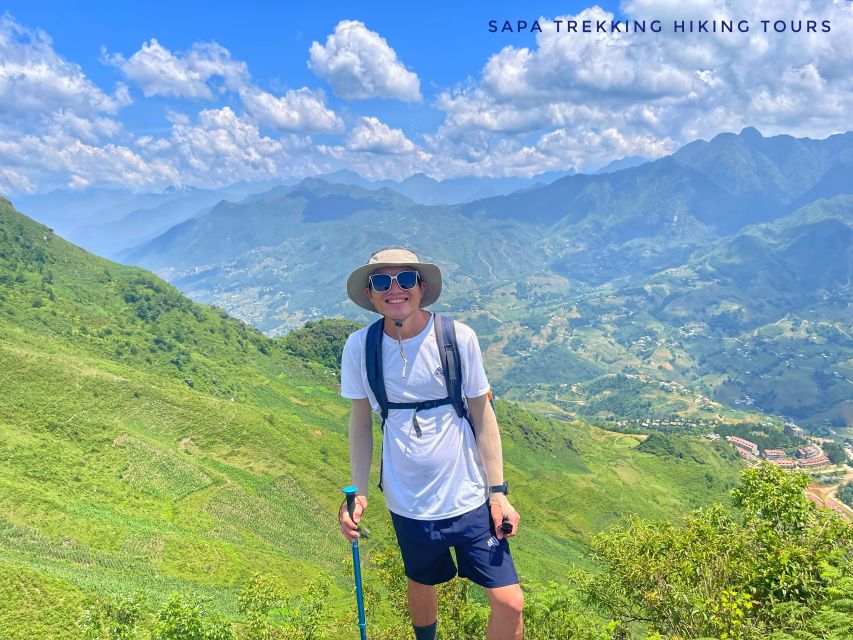
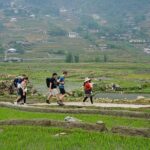
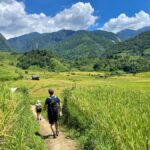
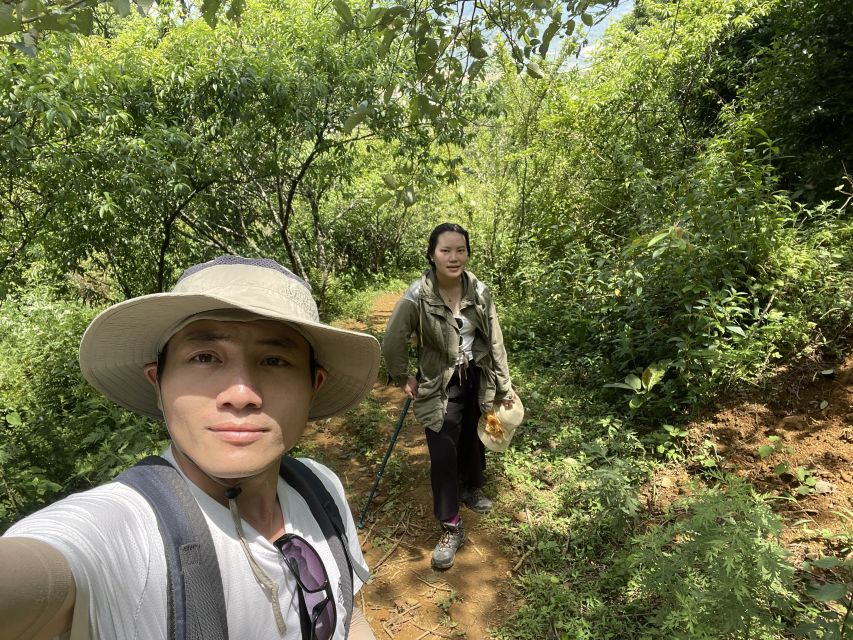
After the main viewpoint time, the trek becomes a village-and-trail day. You’ll follow a trail along Ham Rong Mountain to three small villages on the mountainside: Sa Seng, Hang Da, and Hau Chu Ngai.
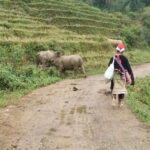
This is where the day shifts from photo stops to people stops. The villages you visit are described as Black Hmong villages on rocky slopes, which matters because it explains why homes and paths are often built close to the land and worked around the terrain. You’ll also be walking through green surroundings and gaining context for what you’re looking at.
Your guide plays an important role here. You’ll learn about local life and cultural practices while you move through the village areas. This isn’t the kind of visit where you’re just shown a building and sent on your way. The goal is understanding daily routines—how people live, how they organize village spaces, and how traditions show up in ordinary moments.
Also, you should know what to expect physically. Even if you’re not doing a long-distance hike, you’ll still be on uneven ground. Good footing isn’t just about comfort; it’s part of keeping the day enjoyable.
Hmong House visit: turning a village visit into real context
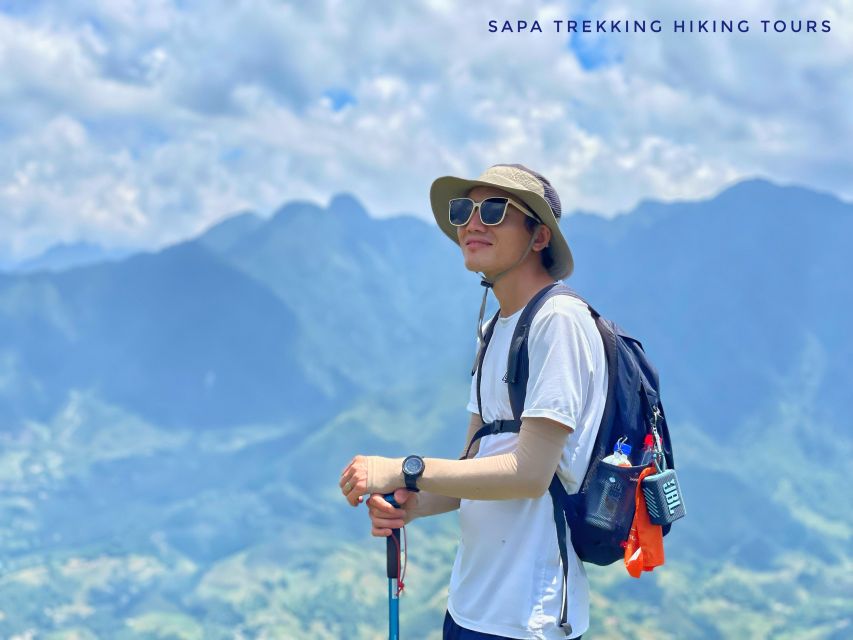
One of the most valuable included extras is the visit to a Hmong House. This stops the day from becoming a simple walking tour of scenery. Instead, you get a chance to see how space, household life, and tradition connect—at least in the way your guide explains it during the visit.
Think of this as your cultural anchor. When you see houses and then walk between villages, it helps to have an explanation for how things work. That’s where the local English-speaking guide helps most, and the audio guide can help you catch details without having to ask the same question twice.
If you’ve ever felt like village tours are too quick, this one is designed so the cultural piece isn’t an afterthought. You’re traveling to villages, and your guide fills the time with interpretation, not just directions.

Lunch in Hang Da: fueling up in a village restaurant
Lunch is included, and it’s served at a local restaurant in Hang Da village. This matters because it keeps the day anchored in place. You’re eating where the trek takes you, not somewhere “convenient” back in town.
You’ll also have time while eating and after lunch to learn more about daily life. The guide leads you through the village areas and shares cultural details along the way, which is especially useful during lunch when everyone’s slowing down anyway.
A small practical point: extra drinks are not included, so if you want bottled water or something beyond what’s provided, you’ll need to pay separately. (You do get 1.5 liters of water per person per day, which helps a lot.)
If you’re sensitive to new foods, your best move is to follow the guide’s lead and keep expectations realistic. This lunch is meant to be local and part of the experience, not a guaranteed comfort-food meal.
Gear and weather reality: raincoats, hats, and what you still need
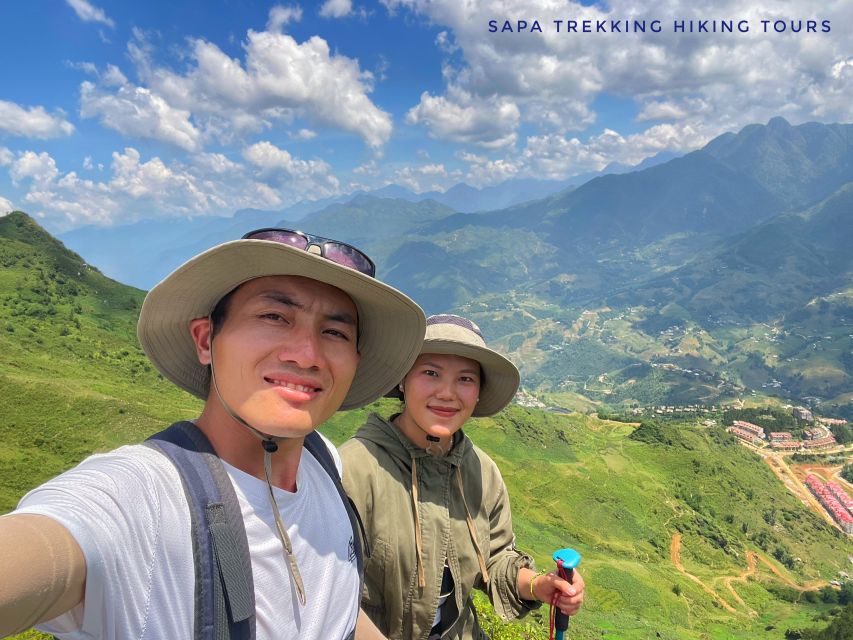
The tour company includes several items that make a difference on the ground. You get a raincoat per person, a hat, a small backpack, and a trekking stick, plus 1.5 liters of water per person. For a 6-hour trek, that’s a lot of what you’d otherwise be trying to source last-minute in Sapa.
What you still need to bring is listed clearly for a reason:
- Hiking shoes (required for hiking)
- Comfortable clothes
- Sunscreen
- Cash
- Passport or ID card
- Hat (even though you get one included, it’s smart to plan for sun protection)
There’s also a not-ideal detail worth noting: not suitable for people with mobility impairments, people with back problems, pregnant women, and children under 5. Even if you’re “fine walking,” these restrictions reflect the rocky-slope setting and the fact that you’re moving across uneven terrain.
Price and value: what $38 covers in Sapa
At about $38 per person, this trek is priced like a straightforward guided outdoor experience with culture built in. The value is in what’s included, especially if you don’t want to arrange your own transfers and guides.
What you get for the price:
- Hotel pickup and drop-off (only hotels in Sapa center, plus Sapa Church pickup point)
- English-speaking local guide
- Village entry fee
- Lunch in Hang Da
- Hmong House visit
- Transport back to Sapa from the last village
- Water, raincoat, hat, small backpack, and trekking stick
What you pay extra for:
- Travel insurance
- Tips for guides and driver
- Extra drinks
To me, the biggest value is the combination: panoramic mountain views plus actual village time with guided interpretation. A lot of Sapa tours do one or the other. This one is trying to do both inside a manageable 6-hour window.
If you’re traveling with limited free time, this is the type of tour that helps you get a lot done without feeling rushed into a full-day commitment.
Who should book this trek (and who should skip it)
You’ll probably enjoy the Sapa Mountain View And Villages Trek most if you:
- Want guided viewpoints of Sapa and the Muong Hoa valley
- Care about meeting people and learning about Black Hmong customs
- Prefer a 6-hour day with a clear structure and included lunch
- Like having gear supplied so you don’t over-pack
You might want to skip or look for a gentler alternative if you:
- Have back problems or mobility limitations
- Are pregnant
- Travel with a child under 5
- Expect to carry luggage or large bags (this isn’t allowed)
If you’re a confident walker and you can handle uneven terrain, this tour gives you a strong mix of scenery and culture without eating your entire day.
Book it? My quick decision guide
I’d book this trek if you want a guided Sapa day that gives you real context—not just Instagram views. The Ham Rong Mountain panoramas at about 1,850 meters, paired with Black Hmong village visits and a Hmong House, make the experience feel like more than a hike.
I’d hesitate if you’re worried about rocky ground or you don’t handle stairs and uneven surfaces well. Also, keep expectations realistic: you’re outdoors, sometimes in shifting weather, and you’ll want proper footwear.
If you like the idea of learning how locals live while you walk through mountain villages and farming areas, this one is a solid use of your time in Sapa—especially at $38 with lunch and essential gear included.
FAQ
What time does the trek start, and how long is it?
The tour starts at 9:30 AM and lasts about 6 hours.
Where is pickup in Sapa?
You’ll be picked up at your hotel in Sapa center or at Sapa Church.
Is lunch included?
Yes. Lunch is included at a local restaurant in Hang Da village.
What hiking gear is provided?
It includes a raincoat per person, a hat, a small backpack, and a trekking stick.
Is the tour suitable for everyone?
No. It’s not suitable for people with back problems, pregnant women, people with mobility impairments, and children under 5.
What should I bring, and what isn’t allowed?
Bring hiking shoes, comfortable clothes, hat, sunscreen, cash, and passport or ID. Luggage or large bags are not allowed.