REVIEW · PLAKIAS
Kourtaliotiko Gorge: Guided River Trekking with Lunch
Book on GetYourGuide →Operated by Cretan Explorer · Bookable on GetYourGuide
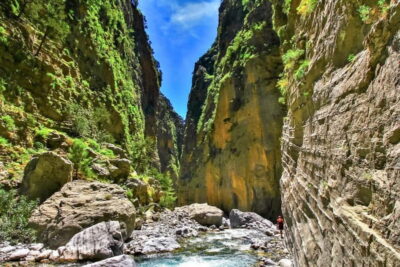
Kourtaliotiko Gorge feels like Crete’s secret playground. You hike right in the riverbed of the biggest gorge near Rethymnon, then cool off with swims into natural pools and even a cave-waterfall swim. What I especially like is how the guide gear keeps things practical, and how the route is designed to help you find time away from the densest spots—so the gorge still feels wild.
Two standouts I’d point you to: the first big waterfall moment (with a safe, small jump for a dramatic photo), and the final stretch toward the exit where the scenery opens up into a calmer “walk-and-splash” rhythm. One consideration: there’s a 5€ entrance fee paid in cash on the day, plus you’ll need proper footwear because soft-sole watershoes aren’t suitable here.
In This Review
- Why Kourtaliotiko Gorge Beats a Typical Beach Day
- How the Guided Trek Starts (Neoprene, Helmet, and First Water View)
- The Cave Waterfall Swim: The Moment Everyone Talks About
- Natural Pools and the Crowds-Avoiding Route Along the River
- The Two-Hour River Walk That Builds Momentum
- Banana Garden Lunch: Recovery in a Local Agricultural Setting
- Price and Value: Is $112 Worth It for a 5-Hour Gorge Day?
- Practical Tips That Make or Break Your Comfort
- Who Should Book This (and Who Should Skip It)
- Should You Book the Kourtaliotiko Gorge River Trek With Cretan Explorer?
- FAQ
- Is the 5€ entrance fee included in the price?
- How long is the Kourtaliotiko Gorge guided river trekking tour?
- What gear is provided during the trek?
- Where does pickup work?
- What should I bring for the day?
- What languages are the guides available in?
Why Kourtaliotiko Gorge Beats a Typical Beach Day
The gorge trek isn’t a long-distance hike. It’s more like a guided day out that mixes hiking, controlled adventure, and water-time—right in the center of the island of Crete. If your trip is already full of museums and viewpoints, this is the one activity that gets your body moving and your senses switched on: rushing water, cool air under the rock, and that sudden “wait, we can swim right here?” feeling.
I also like that it’s built around structure, not guesswork. You’re not just wandering in. You get briefed, fitted with gear, and led along the river shore using paths meant to reduce crowding. That matters in places like this, where the natural beauty attracts people fast.
And yes, the waterfalls are the headline—but the whole route keeps paying off: natural pools along the way, shady plantings (plane trees show up in the scenery), and the sense that you’re moving through a living canyon system, not just checking off one photo.
How the Guided Trek Starts (Neoprene, Helmet, and First Water View)
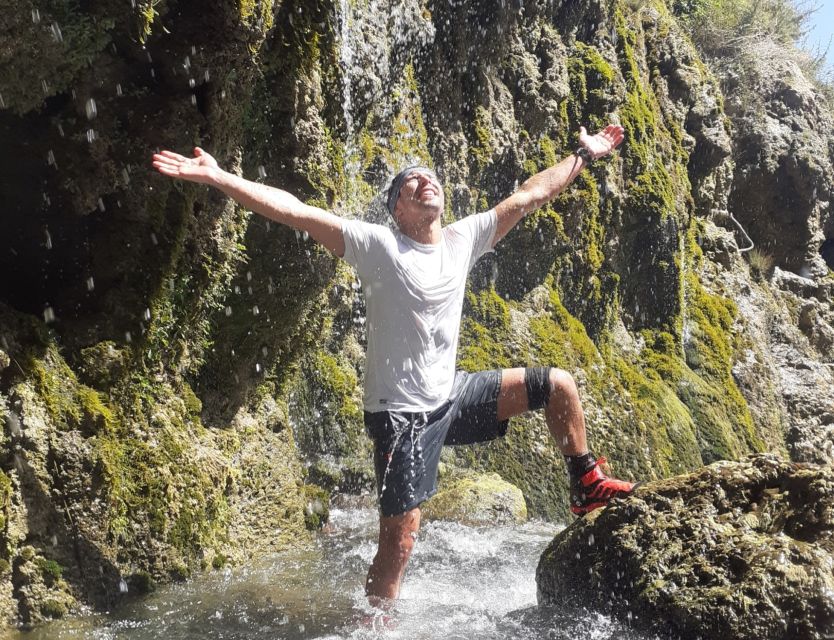
The day begins with your gear. Above the gorge you’re provided neoprene short-sleeve suits, helmets, and hiking poles. You also get waterproof support for electronics: waterproof cases for mobile phones and waterproof backpacks. The practical point here is simple: you can focus on footing and timing instead of worrying about whether your phone survives the spray.
After a short briefing on the route, you start immediately. The opening stretch gives you a view of the great waterfall, and it sets the tone: the water flow never really “softens,” and you can feel the power even before you get in. This is where you’ll see why guides emphasize safety and pacing—there’s water everywhere, and the rock can be slick.
Many people love the first moment because it’s both spectacular and manageable. You get the chance for a small, safe jump that helps cool you down quickly. Even if you’re not a thrill-seeker, the first plunge is short, controlled, and framed as part of the experience rather than a stunt.
The Cave Waterfall Swim: The Moment Everyone Talks About
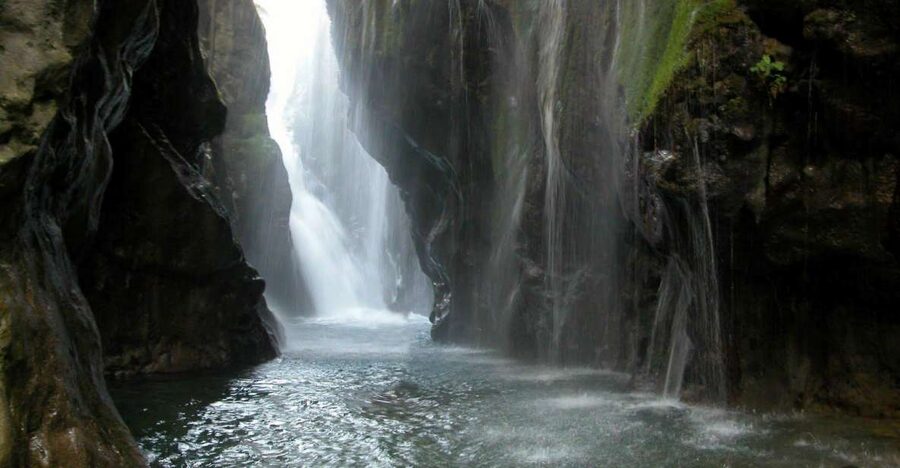
One of the most talked-about highlights is swimming into the cave behind a waterfall. This is the kind of stop that doesn’t feel like a “touristic photo spot.” It feels like an environment—rock overhead, water rushing behind, and that quick second where you realize you’re inside the gorge’s action.
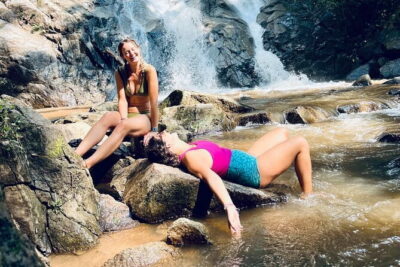
For many groups, this becomes a defining memory because it combines three things: the novelty (cave swim), the sensation (cooling water + moving current), and the visuals (photos that look like they came from a movie set). It’s also specifically framed as an achievable swim moment with the gear provided and the guide watching the group.
If you’re sensitive to cold water, go in mentally prepared. Even on hot days, this is river water and it can feel startling at first. The guides seem to handle this well by keeping you moving and letting you settle into a rhythm—splash, pause, swim, then continue.
Natural Pools and the Crowds-Avoiding Route Along the River
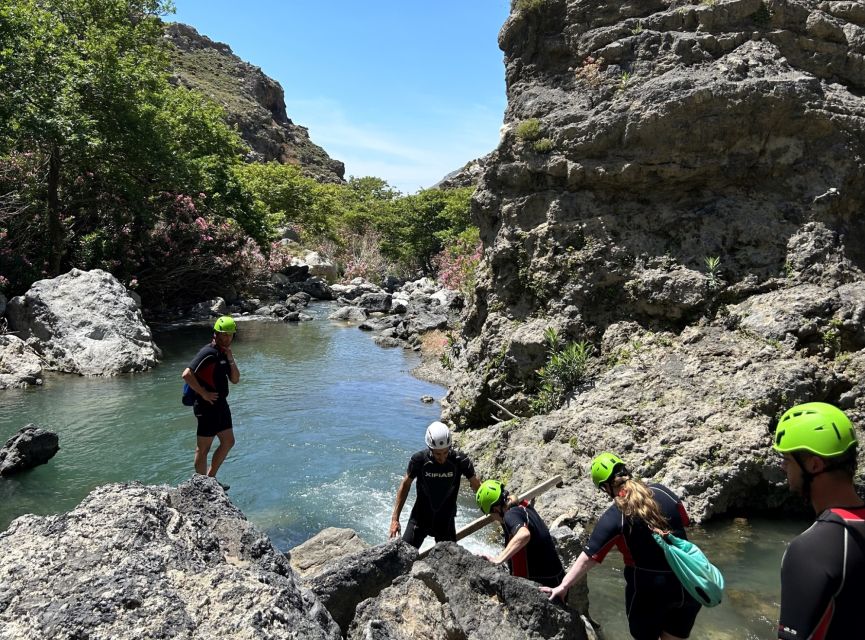
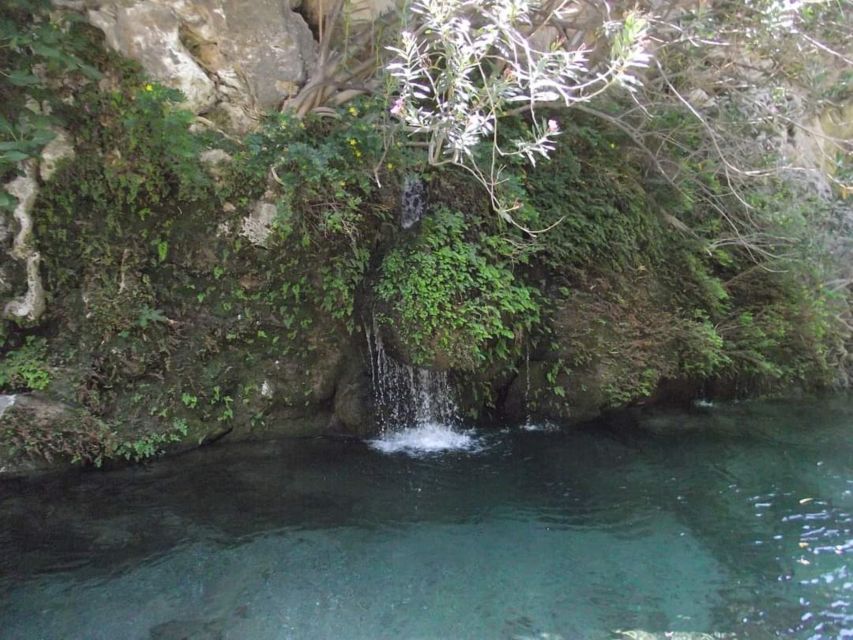
After the first waterfall experience, you continue down the river. This is where the trek turns into a playful pattern: you’re splashing into natural pools, moving along the shore when you can, and stopping when the scenery or the water conditions make it worth it.
You’ll also see why the guide route matters. The activity is designed to take you along special paths away from crowds, and you’ll feel the difference. Instead of being pushed along shoulder-to-shoulder, you get more time for photos and moments of stillness—especially in the shaded sections where the canyon feels cooler.
The scenery shifts too. Plane trees and the mix of forest and gorge walls create a changing backdrop as you go. The water keeps giving you small “refresh points” where dipping in is part of the flow, not a disruption.
One more detail I really appreciate: the trek is described as moderate and suitable for most fitness levels. That doesn’t mean it’s effortless. You’re walking on uneven ground where the riverbed can be slippery. But with poles and a guide, the day becomes much more about enjoying movement than surviving the terrain.
The Two-Hour River Walk That Builds Momentum
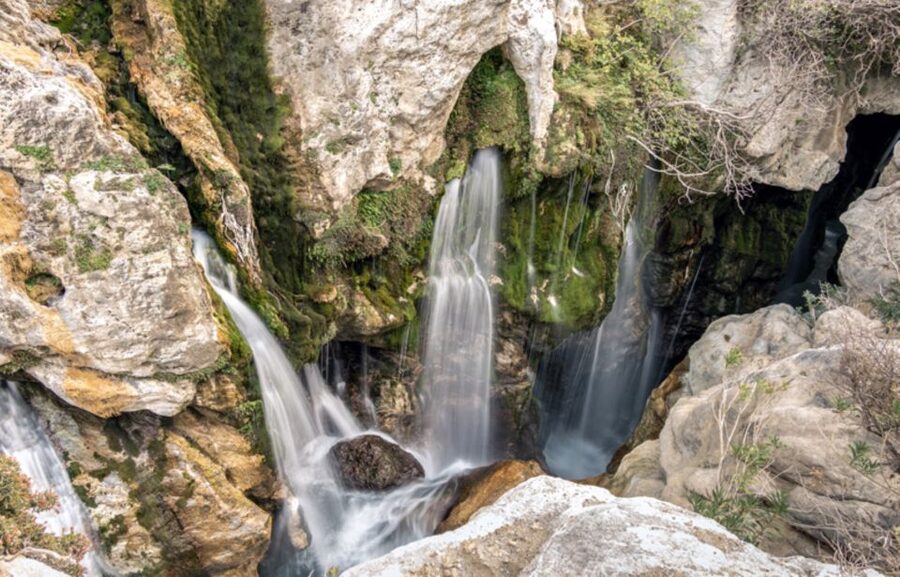
At about two more hours into the gorge, you reach the exit point: an old olive grove. This timing is important because it helps you pace the day. You get enough water action upfront to feel rewarded, then the second half becomes a longer “steady adventure” segment.
This is also where you see the value of having a guide who knows the gorge route. You’re not just walking straight through. Sometimes you need to adjust your route by leaving the water and taking a path. That’s normal in river trekking, and it’s exactly why doing it with a guide helps you avoid confusion and keep the group safe.
In practice, this stretch often feels like the gorge is letting you settle into it. The sound of water is constant. You’re not sprinting between stops. You’re moving in a way that lets you watch the gorge walls, notice plants, and take photos without rushing.
Banana Garden Lunch: Recovery in a Local Agricultural Setting
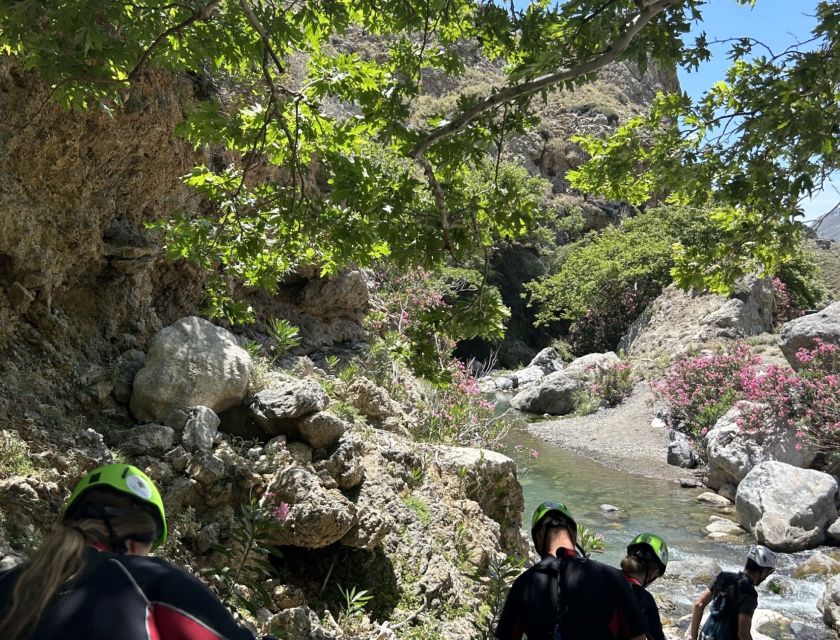
When you finish the gorge, you don’t go straight back to your hotel. You head to a place described as Banana Garden, an agricultural farm setting where you refresh and talk through the experience.
This is where the day turns from exertion to recovery. You get a light lunch after the trek, and reviews also mention finishing touches like Greek salad, cold drinks, and watermelon in that same relaxed post-trek vibe. The core info to keep in mind: drinks during lunch aren’t included, but the light meal is part of the activity.
Why I like this stop for value: it’s not just food after a workout. It gives you a proper decompression window—shade, conversation, and time to cool down. And because the group is still “in the moment” from the gorge, you’ll likely find the guides and the team friendly and ready to answer questions about what you saw.
Then you’re handled logistically. Transfers between the exit point and the entrance of the gorge are included, so you’re not stuck trying to solve transport after wet trekking.
Price and Value: Is $112 Worth It for a 5-Hour Gorge Day?
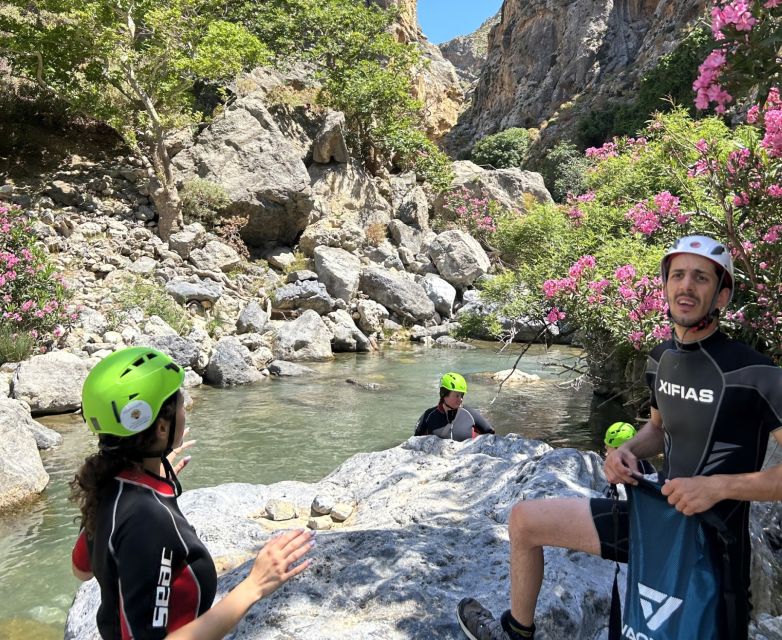
At $112 per person for a roughly five-hour experience, the big value question is what you’re paying for besides “walking in a gorge.”
You’re paying for:
- A professional guide (the experience depends on route choice and safety)
- All the key water gear (neoprene suit, helmet, hiking poles, waterproof phone case, waterproof backpack)
- Transfers between key points so you don’t waste time figuring out logistics
- Skip-the-line entrance handling (but note the entrance fee itself is separate)
The one thing that can change the real cost slightly is the entrance fee: there’s a 5€ cash charge per person that isn’t included in the listed price. On the day, you’ll want to have cash ready.
So is it worth it? For most people who want a guided, water-focused gorge experience without hunting for the right route, the answer is yes. You’re also getting a structured day that fits comfortably into a vacation schedule. It’s not a half-day where you do nothing but change clothes—this is real activity with real payoff.
Practical Tips That Make or Break Your Comfort
This is the part I’d treat like your packing checklist, because river trekking punishes poor choices.
What to bring (and why):
- Swimwear: you’ll be in the water more than once.
- Sports shoes: the footing can be uneven.
- A towel: you’ll want it for the shift from wet-to-dry.
- Water and snacks: even with lunch later, you can stay comfortable early.
- Cash: 5€ entrance fee is paid in cash.
- Flip-flops: nice for post-trek comfort.
Footwear warning: watershoes with a soft sole are not suitable. That’s not a small detail. It can affect stability on rock and river sections. If your shoes feel too squishy or too flexible, swap them for something with better grip and support.
Also, tell the provider your height and weight so the neoprene suit fits you properly. A better fit means less fuss during the day and better comfort once the cold hits.
And if you tend to get nervous in water environments: go in calm. This trek is designed to feel safe with the guide team, helmets, and gear. A few people with knee injury needs were still able to enjoy the hike with their guide taking special care, so the key is communicating your needs early.
Who Should Book This (and Who Should Skip It)
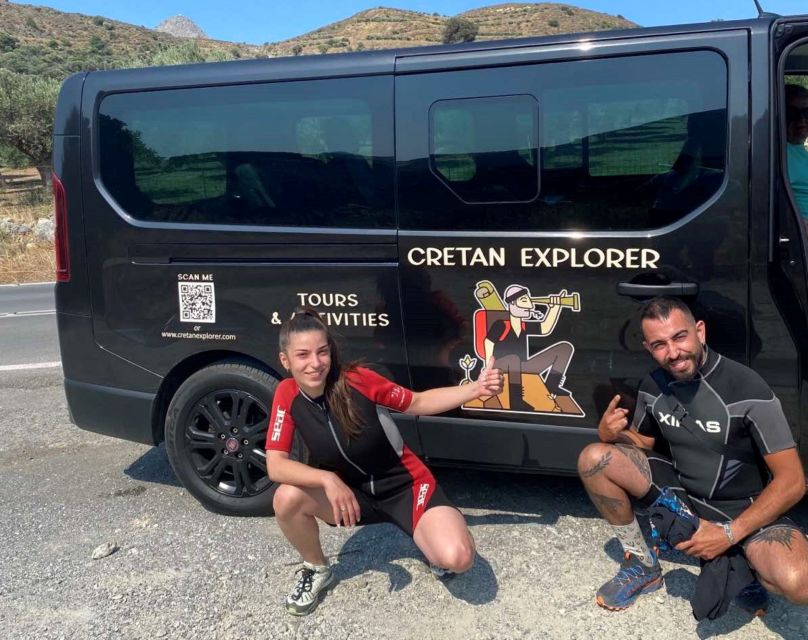
This experience is a moderate hike and seems to work well for many fitness levels, but the activity has clear “not for everyone” rules.
It’s not suitable for:
- Pregnant women
- People with back problems
- People with mobility impairments
- People with heart problems
- People with recent surgeries
- People over 70 years
- Visually impaired people
So who does it fit best?
- You want a guided day with real water action
- You’re comfortable walking on uneven surfaces
- You’re okay with cold river water on hot days (it’s often described as refreshing)
- You want photos that aren’t just from viewpoints
If you’re traveling with a group and want a shared adventure that feels safe and organized, this is a strong pick. If your idea of relaxing vacation is lying still, you may find this more active than you want.
Should You Book the Kourtaliotiko Gorge River Trek With Cretan Explorer?
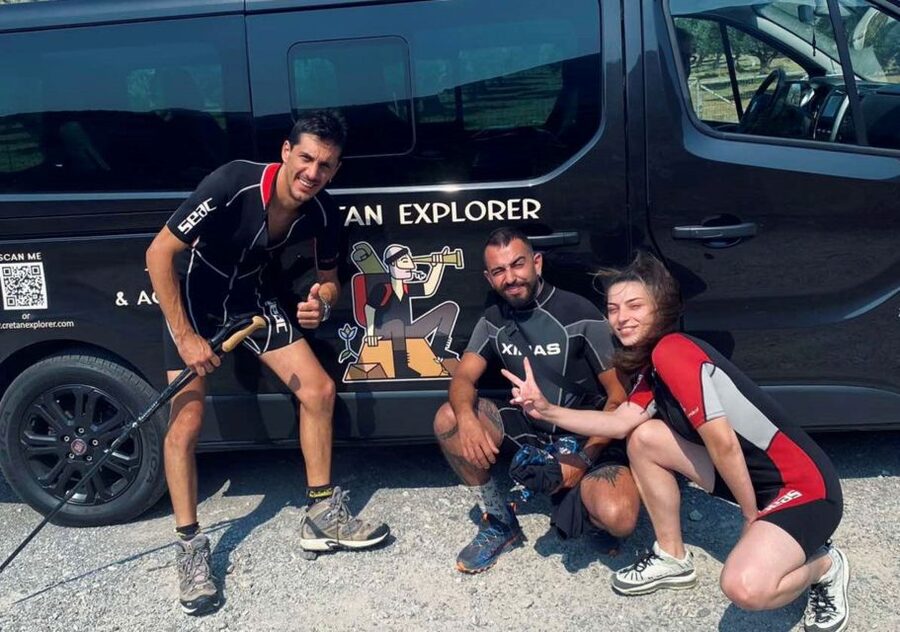
If you’re choosing between another “see the view” activity and an active gorge day, I’d lean toward booking—especially during warmer months when the cooling water feels like relief. The combination that makes this worth it is guided river trekking plus swim moments plus a comfortable post-trek meal at Banana Garden.
Book it if:
- You want the cave-waterfall swim and natural pool time
- You like the idea of being guided away from crowds
- You want all the key gear included, so you can travel light
Think twice if:
- You don’t have proper footwear or you’re not willing to get wet
- The idea of a cold plunge inside the gorge doesn’t sound fun
- You’re in one of the listed health or mobility categories
If that’s you, there’s no shame in skipping it. Choose something that matches your comfort level and keep the day enjoyable.
FAQ
Is the 5€ entrance fee included in the price?
No. There is a 5€ per person entrance fee that you pay in cash.
How long is the Kourtaliotiko Gorge guided river trekking tour?
The duration is about 5 hours.
What gear is provided during the trek?
You get neoprene short-sleeve suits, helmets, hiking poles, waterproof cases for mobile phones, and waterproof backpacks.
Where does pickup work?
Pickup is optional. You can be collected from around Rethymno, and also from the Plakias area including Sellia, Mirthios, Lefkogia, and Mariou villages.
What should I bring for the day?
Bring swimwear, sports shoes, towel, water, snacks, and cash. Flip-flops are suggested too, and you should pack what feels comfortable for moving on rock.
What languages are the guides available in?
The live tour guide is available in English, German, Italian, Spanish, and Greek.