REVIEW · CUSCO
4-Day Salkantay Trek to Machu Picchu
Book on Viator →Operated by Bamba Travel · Bookable on Viator
Salkantay hits you with mountains first, then jungle, then Machu Picchu. This 4-day trek from Cusco is interesting because it mixes high-altitude scenery with a “how did we get here” final approach to the Lost City.
I really like two things about this experience. First, you get an informative, friendly local guide (people mentioned guides like Junior, Percy, Francisco, and Cesar) who explains what you’re seeing instead of just herding you uphill. Second, the trip is structured as a small-group experience (max 16, average 4), so the pace feels more human and the trek leader can actually adjust when someone is struggling.
One possible drawback to consider: this is a demanding route with big temperature swings, including time at cold camps and a highest pass at 4,650 m, so you need real fitness and patience for altitude.
In This Review
- Key highlights
- What You Pay for on This Salkantay Trek ($810)
- Day 1: Cusco Departures, Humantay Lake, and a Cold-High Camp
- Day 2: The 4,650 m Salkantay Pass and Choosing Your Pace
- Day 3: Upper Jungle Trails, Waterfalls, and the Walk Into Aguas Calientes
- Day 4: The 5:30 am Bus, a Guided Machu Picchu Tour, Then Freedom
- Small Group Size That Actually Changes the Feel
- Food, Camping Comfort, and the Stuff You Don’t Want to Carry
- Altitude Reality Check: Cold Camps, Hot Air, and Smart Prep
- Value Checks: Permits, Tips, and What You Handle Yourself
- Who This Trek Suits Best
- Should You Book This Salkantay Trek to Machu Picchu?
- FAQ
- How early does pickup happen in Cusco?
- What’s the group size?
- Is there a vegetarian meal option?
- What’s the highest point on the trek?
- Are guides included for Machu Picchu?
- Do I need to pay Machu Picchu entrance and the Salkantay permit?
- Can I add Huayna Picchu?
- Is a sleeping bag included?
Key highlights
- Early-morning starts that help you beat crowds, especially for Machu Picchu
- Max 16, avg 4 group size for a more flexible trek pace
- Humantay Lake + highest camp on Day 1, then a steep pass on Day 2
- Jungle-to-Aguas Calientes mix on Day 3 with waterfalls and tropical plants
- Guide-led Machu Picchu tour (~2 hours) plus time to explore on your own
What You Pay for on This Salkantay Trek ($810)
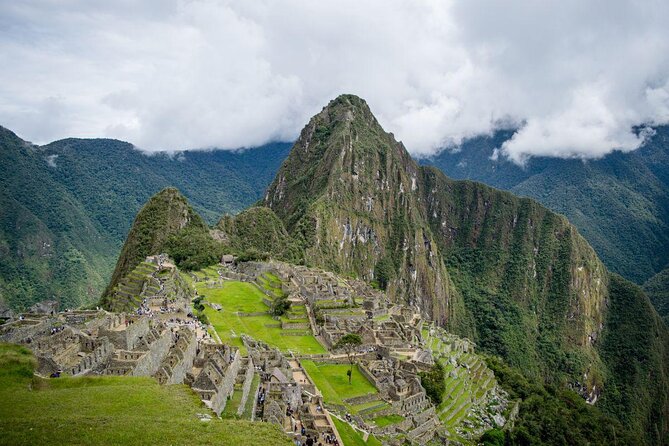
This tour costs $810 per person for a 4-day, multi-day trek that ends at Machu Picchu. That price is mostly paying for the hard parts: coordinated transport (bus/van/car/train), trained guides, camping gear setup, food, and the day-by-day logistics that can get messy fast when you try to DIY Salkantay.
One note that matters for your budget: the most famous “admission” items are not included. The Salkantay Trekking Permit (PEN 133) and Machu Picchu entrance (PEN 48) are listed as not included, along with optional extras like Huayna Picchu and the Machu Picchu Mountain hike. So the $810 is a strong deal for the guided route and the ride-and-camp infrastructure, but you should plan for these fees on top.
Also, this experience is non-refundable and can’t be changed once booked. That’s not unique, but it’s the kind of detail that affects decisions, especially if you’re traveling during uncertain weather.
You can also read our reviews of more tours and experiences in Cusco.
Day 1: Cusco Departures, Humantay Lake, and a Cold-High Camp
Day 1 starts early, with pickup at 5:30 am and a long push to the trail area. You roll by tourist-class bus to Mollepata (2,900 m), where you can stretch and grab snacks. Then you continue by car to Challacancha, where you get your final equipment check before the hike really begins.
The walk up to Soraypampa (3,920 m) takes about 3 hours. This is your big “thin-air check-in” for the trip. Lunch here comes with panoramic mountain views, which is a nice way to settle your legs before the real climb.
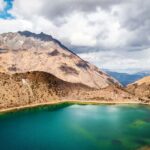
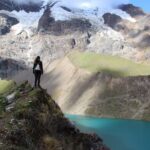
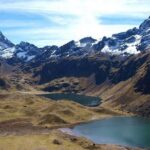
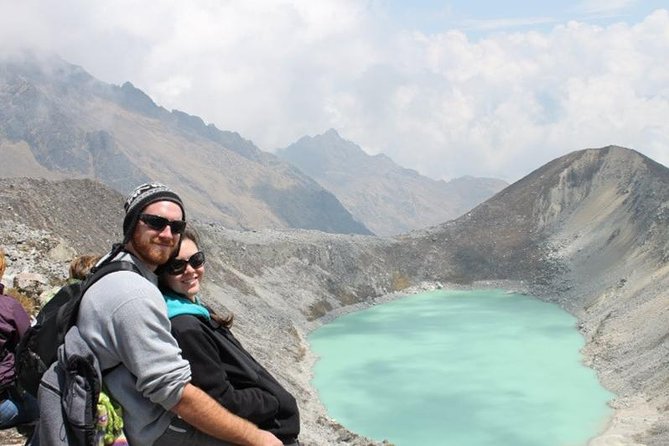
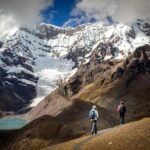
Then comes the Humantay Lake hike: about 1.5 hours each way to reach the lake viewpoint. Expect steep moments, high altitude, and that classic Andes feeling where every turn shows another layer of peaks. When you get back, you camp at 3,920 m, described as the highest and coldest campsite of the trek. That detail matters. Even if you’re tired, you’ll want warm layers and a plan for sleep in cool conditions.
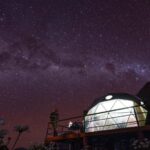
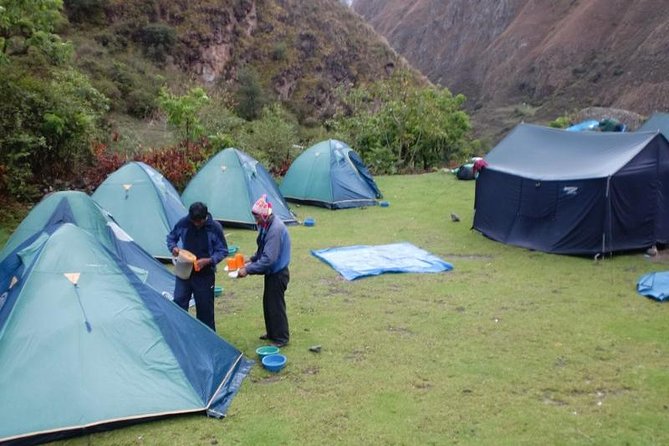
Logistics here are built for you: you’re provided camping accommodation (tent plus a basic sleeping pad), plus meals (this day includes 1 lunch and 1 dinner per the meal plan). That’s one of the practical strengths of booking this format instead of trying to stitch together separate operators.
Day 2: The 4,650 m Salkantay Pass and Choosing Your Pace
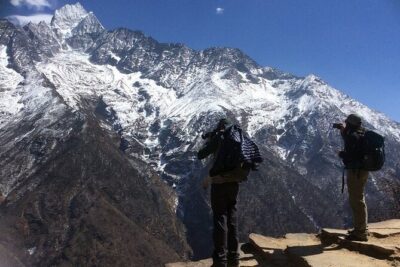
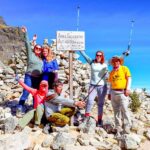
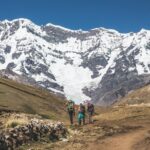
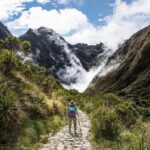
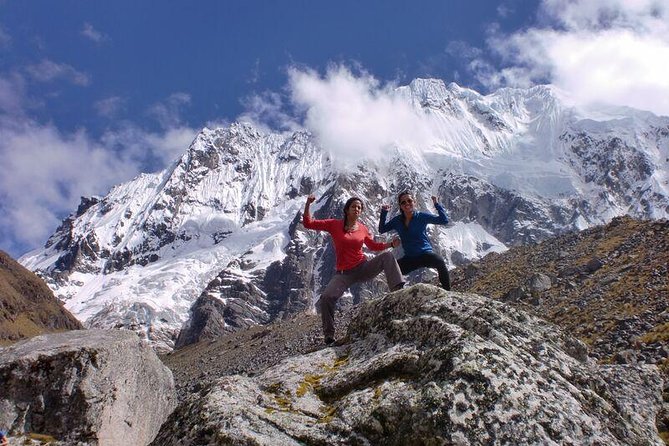
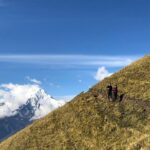
Day 2 is where Salkantay earns its reputation. After breakfast around 6:00 am, you start a 4-hour climb to the highest pass at 4,650 m. The pass sits between two big mountains: Salkantay and Humantay. You’ll get views that can include snow, depending on conditions.
There’s an optional way to manage the climb: a horse rental is available to reach the high pass for 100–120 soles. If you’re fit but your altitude tolerance is average, this option can reduce stress without removing the experience. If you want the full physical challenge, you’ll likely hike the whole way.
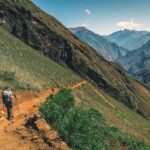
After the pass, you descend for about 2 hours to Huayracpampa for lunch. Then you keep moving for another 3 hours toward the next campsite near the start of the high jungle region at around 2,900 m.
This day has a psychological rhythm: climb high, pause at the pass, then let gravity do its job for a while. The guide’s pacing is a big deal here. Multiple people praised guides for keeping the group motivated and adjusting to different fitness levels, including guides named Junior, Francisco, and Cesar. On a day like this, encouragement isn’t fluff—it’s what keeps you steady when you’re counting breaths.
Day 3: Upper Jungle Trails, Waterfalls, and the Walk Into Aguas Calientes
Day 3 shifts gears. After breakfast around 6:30 am, you trek through the “upper jungle” crossing the Santa Teresa River and smaller brooks. This isn’t just a change of scenery; it’s a change of temperature and footing. You go from high-pass trekking vibes into river valleys, waterfalls, and more diverse plant life.
The day includes a more mellow rhythm than the highest pass day, with views of waterfalls and scenery tied to the tropical zone. You also get lunch at La Playa (2,200 m), which helps break up the day before your transfer steps begin.
Then you combine trekking with transport. You ride by car to Santa Teresa town (1,700 m), a warmer climate area, and then continue to the Hydroelectric Station (about 40 minutes). From there, it’s a 3-hour walk to Aguas Calientes.
Why this mix is smart: walking into Aguas Calientes gives you the satisfaction of doing the miles, without the need to carry everything all the way. Once you arrive, you get downtime. The area has internet cafes, shops, and places to relax, which is useful because Day 4 is early.
Also, there’s a documented optional shortcut: an extra-cost train transfer from Hydroelectric Station to Aguas Calientes is available. That can be worth it if you’re wiped out and want to protect your energy for Machu Picchu. (The not-included list prices it at $30.)
You spend the night in a 3-star hotel in Aguas Calientes, and meals are included for breakfast, lunch, and dinner on this day (plus snacks per the overall plan).
Day 4: The 5:30 am Bus, a Guided Machu Picchu Tour, Then Freedom
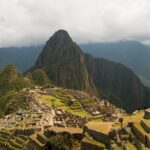
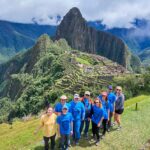
On Day 4, you’ll want energy—and you’ll need to wake up fast. You catch one of the early buses (starting around 5:30 am) to Machu Picchu so you can see it in the early light as mist dissipates.
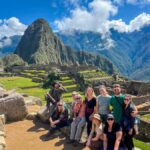
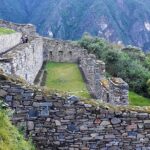
You get a guided walking tour of about 2 hours. This is the sweet spot: you learn how the site was used, how different zones relate, and what you should notice while you walk. People repeatedly praised guides for answering questions with real detail and for explaining local geography and plants, with names like Percy and Francisco coming up more than once.
After the guided portion, you’re free to explore on your own. This is where you control your pace. If you love viewpoints, slow paths, and returning to the same spot from a different angle, you’ll enjoy this part.
If you still have stamina, there’s optional climbing. Huayna Picchu can be added in advance at extra cost, and the operator notes 400 people per day are allowed up. The data also lists Machu Picchu Mountain hike as another optional add-on (priced separately). Since these are limited-entry activities, you should plan ahead rather than assuming you can decide last minute.
When it’s time to leave, you can return to Aguas Calientes by bus (every 15 minutes from the entrance) or take a walking trail down (about 1 hour). Then you train back to Ollantaytambo and bus to Cusco, arriving late and dropped off at Plaza San Francisco. Your final ride home from there is on you, so I recommend planning where you’ll stay in Cusco based on that late arrival.
Small Group Size That Actually Changes the Feel
This trip runs with a maximum of 16 travelers, with an average group size of 4. That matters more than people think. On a big trek, you can end up hiking behind a wall of strangers, with no real way to catch up or rest. Here, the smaller setup makes it easier for the leader to manage pace, water breaks, and tough moments.
You also get a professional bilingual guide for both the trek and the Machu Picchu portion. In practice, that means fewer confusing “where are we going next” moments and more time spent paying attention to your surroundings instead of your phone trying to guess the plan.
If you care about learning while you walk, this is one of the biggest reasons to choose a guided route. Multiple guide names show up in positive feedback: Junior, Percy, Francisco, Cesar, and others. The common thread is that the guides weren’t just pointing at rocks—they were explaining what those rocks and plants meant for the region and the Inca world.
Food, Camping Comfort, and the Stuff You Don’t Want to Carry
Meals are included throughout. The trip includes 3 breakfasts, 3 lunches, and 3 dinners, plus 2 snacks. There’s also a vegetarian meal option, as long as you request it when booking.
Food is more than fuel on this kind of trek. It’s also a mood-saver after cold mornings and steep climbs. People specifically mentioned the chef’s Peruvian cooking as a highlight. You also have a support team with horsemen and mules carrying cooking and camping equipment plus a total of 7 kilos per trekker (including 3 kilos tied to your sleeping bag and mattress, and 4 kilos for personal items). That’s a real difference. You’re still hiking hard, but you aren’t hauling the entire campsite on your back.
Camping gear is also provided:
- Basic sleeping pad and tent for two
- Foam sleeping mat
- First aid kit and emergency oxygen bottle
What’s not included: a sleeping bag. The operator lists sleeping bag rental for $15. If you run cold easily, treat that rental like part of your comfort plan, not an optional luxury.
Altitude Reality Check: Cold Camps, Hot Air, and Smart Prep
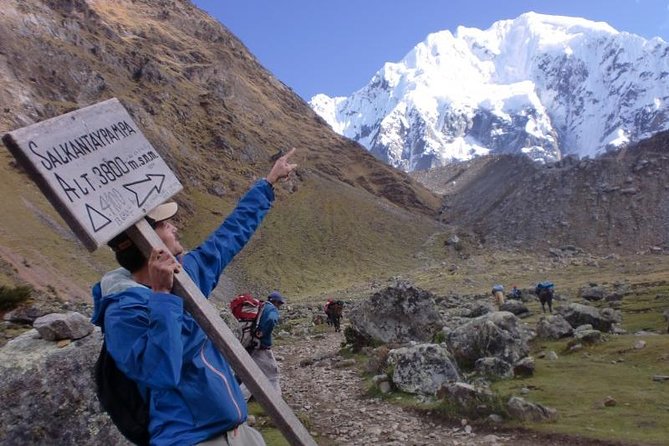
This route climbs high and then drops quickly. Day 1 includes camp at 3,920 m, and Day 2 reaches the 4,650 m pass. Then you move down toward 2,900 m and later to 1,700 m. That altitude whiplash is why the operator flags temperature changes as important.
So here’s the practical advice I’d follow: train for endurance before you go, and don’t rely on willpower alone. The trip is demanding and requires strong physical condition, with multiple temperature zones and long walking hours.
Also, remember the minimum age is 7 years, so the trek is not meant for tiny kids who can’t handle steep, cold, and variable weather. If you’re bringing family, pick your family’s comfort with hiking seriously.
Packing wise, the most important item is warmth for the cold night at the highest camp. The tour provides pads and tents, but your clothing choice decides whether you sleep or just lie awake thinking about your life choices.
Value Checks: Permits, Tips, and What You Handle Yourself
This is one of those tours where you should separate what’s included from what’s your responsibility.
Included:
- Pre-departure briefing
- Transfers and transport segments (van from Cusco area to the trail start; car transfers where needed; bus and train components)
- Trek and Machu Picchu guided time
- Hotel in Aguas Calientes
- Camping setup and most meals
- Small-group guide support
Not included:
- Salkantay permit (PEN 133)
- Machu Picchu entrance (PEN 48)
- Optional upgrades like Huayna Picchu (PEN 200) and Machu Picchu Mountain hike (PEN 200)
- Optional train from Hydroelectric to Aguas Calientes ($30)
- Optional sleeping bag rental ($15)
- Bottled water
Tips are optional. The operator suggests guidelines:
- Guide: 40–60 soles per trekker
- Assistant guide: 30–40 soles per trekker
- Horsemen: 60–80 soles for each horseman for the whole group
- Cook: 150–200 soles for the cook for the whole group
Finally, there are also date-based health rules noted by the operator (COVID-19 vaccination requirements as of June 11, 2022). If you’re traveling now, check what applies for your dates, but don’t be shocked if paperwork comes up.
Who This Trek Suits Best
This is a good match if you want:
- A guided trek with a real local perspective
- The combination of Andes big peaks (Humantay Lake and the high pass) plus jungle scenery
- A finish that feels smooth: guided Machu Picchu, then free exploration, then the return train/bus plan
It’s also the right kind of trip for people who like structure. You don’t need to think through route timing, meals, or campsite setup.
You might not love it if:
- You hate early mornings (Day 1 and Day 4 start around 5:30 am)
- You’re not ready for high-altitude walking and cold nights
- You prefer total independence rather than scheduled bus, car, and train segments
Should You Book This Salkantay Trek to Machu Picchu?
If you’re choosing between “do it yourself” and “book a guided trek,” I’d lean guided for this route. The combination of small-group pacing, bilingual guiding, carried equipment support, and the pre-built Machu Picchu day is exactly what helps most people finish strong instead of scrambling at the end.
Book it if you can handle steep climbs and plan for permits and optional add-ons. Pass if you’re uncertain about altitude, or if the idea of a cold highest campsite and a 5:30 am Machu Picchu bus sounds like stress, not adventure.
FAQ
How early does pickup happen in Cusco?
Pickup starts at 5:30 am.
What’s the group size?
The tour has a maximum of 16 travelers, with an average group size of 4.
Is there a vegetarian meal option?
Yes. You should advise the operator at booking if you need vegetarian meals.
What’s the highest point on the trek?
The highest pass is at about 4,650 m.
Are guides included for Machu Picchu?
Yes. You get a guided walking tour of Machu Picchu of approximately 2 hours.
Do I need to pay Machu Picchu entrance and the Salkantay permit?
Yes. The Salkantay Trekking Permit (PEN 133) and Machu Picchu entrance (PEN 48) are listed as not included.
Can I add Huayna Picchu?
Yes, Huayna Picchu is optional and requires an extra ticket. The operator notes 400 people are allowed per day and asks you to email directly to request the extra ticket.
Is a sleeping bag included?
No. A sleeping bag rental is available for $15 per person.