REVIEW · KATHMANDU
Everest Base Camp Trek
Book on Viator →Operated by Recreation Holidays Pvt. Ltd. · Bookable on Viator
Everest Base Camp starts with one brave flight. From Kathmandu to Lukla, this trek blends classic mountain scenery with smart pacing as you work toward base camp and key viewpoints. I like that it includes the heavy-hitters—round-trip flights to Lukla, lodge stays with meals, and the permits you’d otherwise have to chase down.
What I especially like is the practical support model: a dedicated trekking guide, covered expenses, and everything organized so you can focus on walking and staying steady. I also appreciate the included lodge rhythm with three meals each day during the trek, which makes your energy planning far less stressful.
The main consideration is what’s not in the package: tipping isn’t included, and you’ll also need to plan for trekking travel insurance plus your Kathmandu hotel/food before and after. If you prefer everything fully wrapped, factor those add-ons into your budget early.
In This Review
- Key things that make this Everest Base Camp trek worth your time
- Everest Base Camp, the no-nonsense way: what this trek really delivers
- Kathmandu mornings and the 6:00 am start you should plan around
- The Lukla-to-Phakding start: where the trip finds its legs
- Namche Bazaar acclimatization: the smartest “slow down” day
- The Tengboche and Dingboche stretch: forests, monasteries, and the long view
- Lobuche to Everest Base Camp via Gorakshep: your big day, built in
- Kala Patthar and Pheriche: viewpoint time and an easier rhythm after
- The big value question: what $1,390 covers (and why it’s not just a number)
- How the guide support can make or break your trek
- Who should book this Everest Base Camp trek
- Should you book this Everest Base Camp trek?
- FAQ
- Where does the trek start?
- What time does the trek start?
- How long is the Everest Base Camp trek?
- Is Kathmandu accommodation included?
- Are round-trip flights included?
- Does the package include meals on the trek?
- Is a vegetarian option available?
- Is trekking travel insurance included?
- What is included in the cost besides flights and meals?
- What’s the cancellation policy?
Key things that make this Everest Base Camp trek worth your time
- Lukla flights are included both ways: fewer moving parts once you’re in Nepal.
- Lodge stays with 3 meals/day: you’re not improvising dinner after a long day of walking.
- Two acclimatization breaks: Namche Bazaar and Dingboche give you a built-in chance to adjust.
- Base Camp day plus a viewpoint day: Everest Base Camp via Gorakshep, then Kala Patthar before the return.
- Permits and taxes handled: saves you time and paperwork energy in Kathmandu.
- Private-group feel: only your group participates, which often makes pacing feel more comfortable.
Everest Base Camp, the no-nonsense way: what this trek really delivers
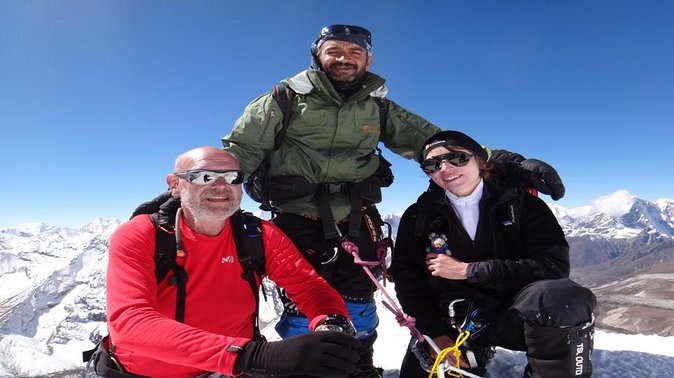
If you’ve ever looked at photos of Everest Base Camp and thought, yes, that’s where I want to go, this trip hits the classic target. It’s a 12-day Everest Base Camp trek that takes you out of city life and into a quieter, colder world where your day is measured in steps, views, and the simple rhythm of tea breaks.
You’re not just hiking for a single summit-style moment. The trip builds a routine that feels realistic: flights, lodge nights, and planned stops to help you adjust as the altitude climbs. That matters because the best “adventure” trek is the one you can actually enjoy—without feeling like you’re racing your body.
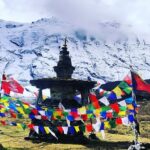
I also like that the route emphasizes the real character of the Khumbu. You’ll pass Sherpa settlements, see Buddhist elements like chortens, mani walls, and prayer flags, and spend time moving through forests and river valleys before the trail gets rockier. Those details are part of the experience, not marketing fluff.
You can also read our reviews of more tours and experiences in Kathmandu.
Kathmandu mornings and the 6:00 am start you should plan around
This trek begins at Tribhuvan Airport in Kathmandu, with a start time of 6:00 am. That early departure sets the tone. You’ll want your day before ready: documents sorted, layers packed, and a calm mindset for the first big logistics step.
The package includes airport pickups and drops in a private vehicle, which is a huge comfort when you’re trying to juggle Nepal traffic, jet lag, and a tight departure schedule. Once you’re taken care of that way, you can focus on what comes next: the mountain leg.
And yes, Kathmandu hotel and meals are not included. That’s not a dealbreaker, but it’s a reminder: you’ll likely want at least a night before the trek where you can eat properly and sleep without rushing.
The Lukla-to-Phakding start: where the trip finds its legs
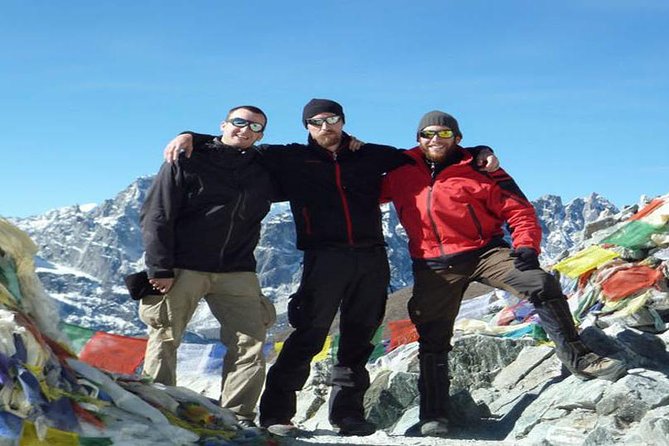
Day one is a flight from Kathmandu to Lukla, then a trek down to Phakding. This is the transition day—the moment you stop thinking of this as a vacation and start feeling it as a journey.
Phakding is a practical first stop. It’s close enough that you’re not punished too early, and it helps you get used to the daily rhythm: walking at your pace, managing layers as temperatures shift, and settling into lodge stays after the first day’s effort.
If you’re the kind of person who likes structure, you’ll likely enjoy this setup. You don’t have to make calls about where to eat or where to sleep on day one. The trek is already designed to keep you moving forward without constant decisions.
Namche Bazaar acclimatization: the smartest “slow down” day
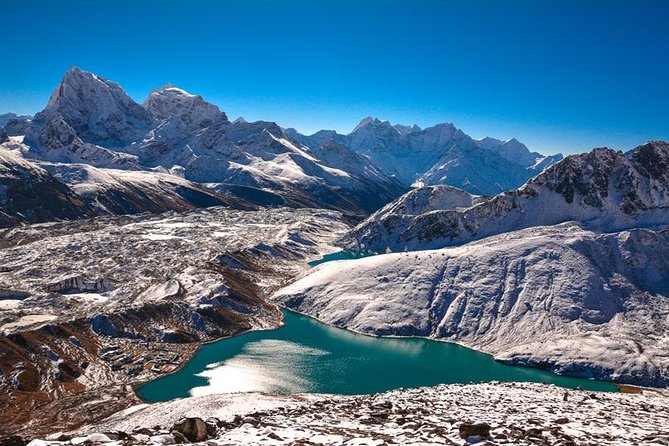
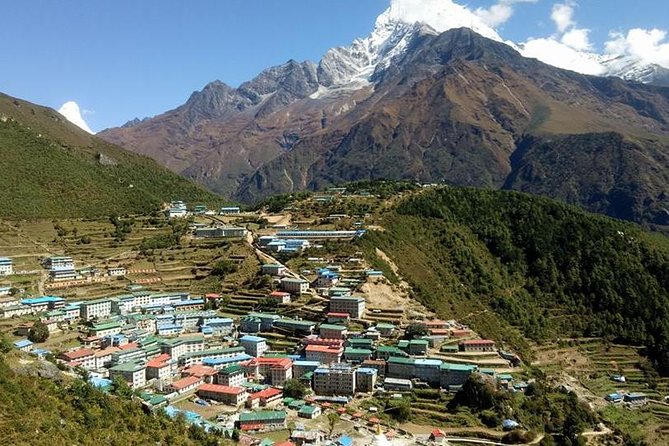
The next day trek moves from Phakding to Namche Bazaar, and then day three is a dedicated acclimatization day in Namche Bazaar.
This is one of the best parts of the plan. An acclimatization stop isn’t only about comfort; it helps protect your enjoyment. When you’re trekking at altitude, you want your hardest effort to be deliberate, not reactive.
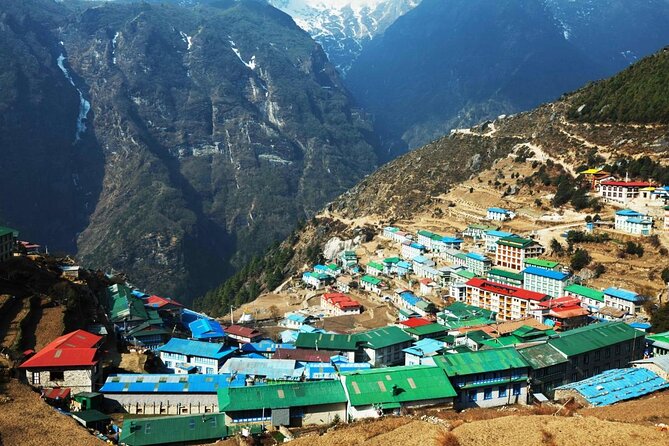
Namche is also where the experience starts to feel more like “Everest region living.” You’ll see more activity from the trekking circuit, and you’ll likely notice how routines in the mountains revolve around simple things: warm clothing, steady meals, and short bursts of walking when your body feels good.
The drawback? An acclimatization day can feel like a rest day that still asks you to be present. You’ll still be moving around, still adjusting, still thinking about how you feel. That’s normal. The upside is it sets you up for smoother days after.
The Tengboche and Dingboche stretch: forests, monasteries, and the long view
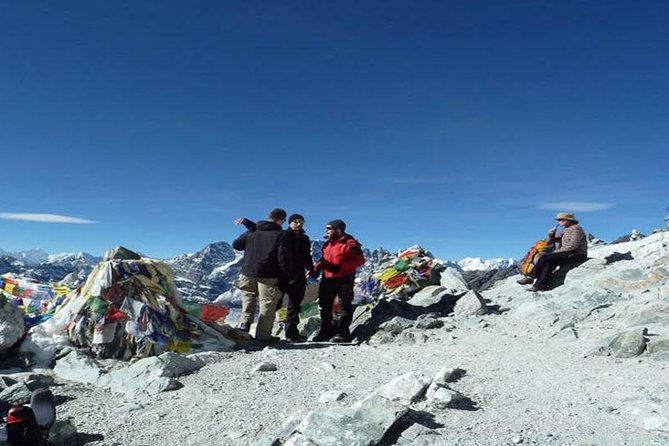
From Namche Bazaar you go toward Tengboche, then onwards to Dingboche. This segment is where the trek’s emotional tone often changes. You’re past the initial rhythm and heading into the part of the route where scenery starts to dominate your attention.
The journey through the Khumbu is described with elements like dense fir and pine forests, rocky trail sections, and cultural landmarks such as Buddhist monasteries, chortens, and mani walls with colorful prayer flags. Even if you’re focused on your footing, these small moments add texture. They break up the monotony that can happen on long treks.
Day six includes a second acclimatization day in Dingboche. That’s not an accident; it’s part of the trek’s pacing strategy. Two acclimatization stops make a difference for how you feel later when the walking gets more serious and the distances start adding up.
One thing I’d keep in mind: when you’re already tired, layers matter more than you think. The trek operates in all weather conditions, so you’re dealing with changing skies, wind, and cold snaps. Pack for temperature swings, not just the forecast.
Lobuche to Everest Base Camp via Gorakshep: your big day, built in
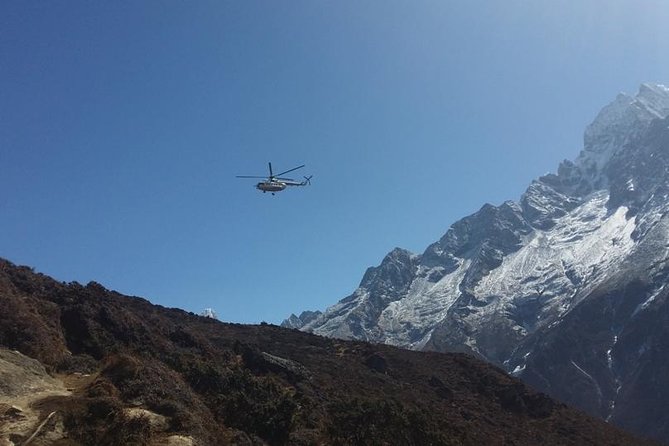
Day seven moves onward from Dingboche to Lobuche. Then day eight is the major push: Everest Base Camp via Gorakshep, and back to Gorakshep.
This day is structured like a “goal day,” but with built-in compromise. You go in, you see the place you came for, and you return to the area where you’ll sleep. That round-trip approach matters because it keeps the end-of-day logistics manageable.
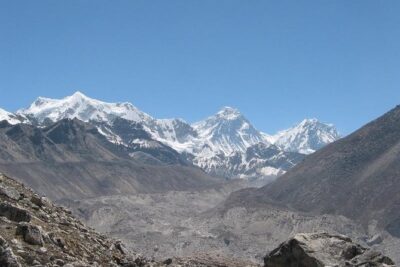
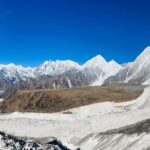
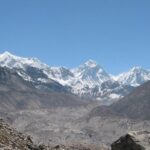
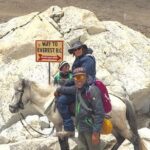
Gorakshep is often where you feel the mountain’s personality most clearly—colder, harsher, and more open. The route also highlights that sense of awe described as emerald glaciers and the raw, rocky trail feel that trekkers talk about.
When you reach Everest Base Camp, you’re not just looking at scenery. You’re stepping into a location that represents years of effort by climbers and a whole support ecosystem of Sherpa work and mountain logistics. Even if you’re not climbing, the place has a gravity to it.
Practical note: base camp days are where people tend to want to move quickly, take photos, and then feel the letdown. Don’t treat it like a quick pit stop. Build in time to soak it in, then focus on the walk back—because that return leg will still ask effort from you.
Kala Patthar and Pheriche: viewpoint time and an easier rhythm after
Day nine takes you from Gorakshep to Kala Patthar, then trekkers continue on to Pheriche. Kala Patthar is the route’s big viewpoint component, and it’s one of those “you’ll remember this” moments because it gives you a high-angle perspective on what you’ve been working toward.
After that, Pheriche becomes your reset point. Day ten is the return trek from Pheriche to Namche Bazaar, then day eleven brings you to Phakding and Lukla for the final flight day.
This matters because the second half of the journey can feel mentally heavier than you expect. The mountain doesn’t care that you’re excited about the finish. But the way the route stages the return gives you a smoother glide path: you regain familiarity in Namche and Phakding before you head back down to Lukla.
The big value question: what $1,390 covers (and why it’s not just a number)
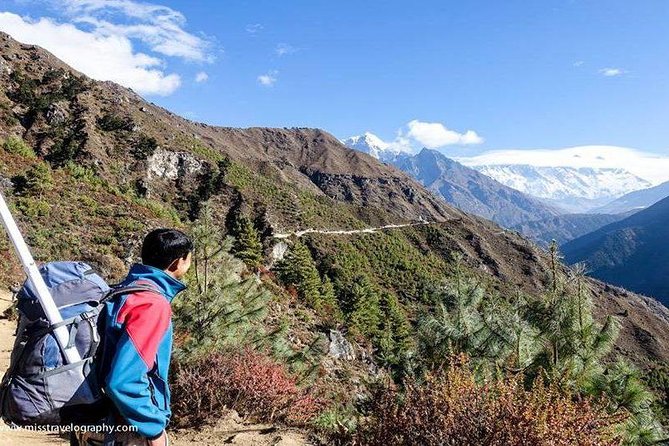
The price is $1,390 per person for a trek that lasts about 12 days. On a trek like this, value is less about how cheap it is and more about what you’re spared from managing.
Here’s what you’re getting that usually costs time, money, and stress when you try to piece it together:
- Both-way Kathmandu–Lukla flights included
- Private airport transfers in Kathmandu
- Lodge/guest house during the trek with 11 breakfasts, 11 lunches, 11 dinners
- Trekking guide with expenses like salary and insurance handled
- Permits and taxes taken care of
That combination is a big deal. The Lukla flight segment and the permit paperwork are the two things most likely to disrupt your schedule if handled poorly. Getting them included reduces the chances of last-minute chaos.
What you still need to budget for:
- Alcohol and beverages are not included
- Travel insurance for trekking is not included
- Hotel and meal in Kathmandu are not included
- Tips for guide(s), porter(s), and driver(s) are not included
If you’re the type who hates surprise expenses, plan ahead for insurance and gratuities. If you like simple budgeting, you’ll probably feel fine with this setup.
How the guide support can make or break your trek
A trek is physically demanding, but it’s also mentally demanding. The difference between a tough experience and a great one is often the quality of support.
In the feedback shared for this trek, guide names like Hari, Ongchhu, and Nima come up, and the common thread is serious help before you ever start walking. One standout detail was spending close to two hours going through a checklist and answering questions up front. That kind of prep reduces the classic “What am I forgetting?” feeling that pops up when you’re about to step into cold country.
On the mountain, a guide also becomes your translator between your plans and the reality of conditions. Even when the route is fixed, the best guide helps you keep moving at a pace that matches your day-to-day energy. You’re not just paying for directions—you’re paying for fewer mistakes.
Also, because this is set up as a private-group style trip where only your group will participate, you can usually expect more responsive pacing than you might get on a crowded, take-it-or-leave-it trek.
Who should book this Everest Base Camp trek
This itinerary is a good fit if you have moderate physical fitness and you want an organized, classic Everest Base Camp experience without doing the logistics heavy lifting yourself.
I’d especially recommend it to you if:
- You want lodge stays with meals handled
- You prefer permits and taxes taken care of
- You like a plan with acclimatization stops
- You’re okay budgeting for insurance and tips so there are no surprises
It may be less ideal if you’re expecting fully free-style travel with no structure. The route has a set flow and timing, including a 6:00 am start and fixed day-to-day movement.
Should you book this Everest Base Camp trek?
If you want a straightforward Everest Base Camp trek with the big logistical pieces handled—Lukla flights, permits, lodge meals, and guide support—this is a strong choice. The price makes sense because the included items cover the hard-to-manage parts, especially the flights and paperwork.
Before you book, do two practical things. First, budget for trekking insurance and tips. Second, pack for real weather swings, since the trek is designed to run in all weather conditions.
If you can do those, you’ll set yourself up for the kind of trek where you remember the trail, the monasteries and prayer flags you passed, the Sherpa settlements you walked through, and the moment you finally reach Everest Base Camp.
FAQ
Where does the trek start?
It starts at Tribhuvan Airport in Kathmandu, Nepal.
What time does the trek start?
The start time is 6:00 am.
How long is the Everest Base Camp trek?
It’s approximately 12 days.
Is Kathmandu accommodation included?
No. Hotel and meals in Kathmandu are not included.
Are round-trip flights included?
Yes. Round-trip flights Kathmandu–Lukla–Kathmandu are included.
Does the package include meals on the trek?
Yes. Lodges during the trek include 3 meals per day.
Is a vegetarian option available?
Yes. You should advise that you want a vegetarian option at the time of booking.
Is trekking travel insurance included?
No. Travel insurance for trekking is not included.
What is included in the cost besides flights and meals?
It includes airport pickup/drop-offs in a private vehicle, a trekking guide (with expenses like salary and insurance), and all necessary permits and taxes.
What’s the cancellation policy?
Free cancellation is available up to 24 hours in advance for a full refund. Canceling less than 24 hours before the start time means no refund.