REVIEW · NAIROBI
13-Day Uganda Mgahinga Gorilla Trek, Maasai Amboseli Park
Book on Viator →Operated by Silver Spark Africa Safaris · Bookable on Viator
Gorillas in Uganda and lions in Kenya, one trip. What makes this itinerary stand out is how it stacks Mgahinga Gorilla trekking with classic safari time, all while keeping things organized start-to-finish. I also like that the trip is run as a private tour, so your day feels less like a hop-on hop-off scramble and more like a plan you can actually follow.
I especially like the wildlife rhythm: Maasai Mara gets both an afternoon drive and a full-day game drive with a picnic lunch. You also get a second big wildlife window in Amboseli, timed for early views of Kilimanjaro and packed with morning and afternoon drives.
The main drawback to consider is effort. A gorilla trek in misty mountain jungle can be demanding, and the overland days between regions add up—so this is best for people who don’t mind long driving days and a big physical morning on Day 7.
In This Review
- Key things that make this trip worth a look
- Big picture: Kenya safari plus Uganda gorillas, without pretending it’s easy
- Day 1 in Nairobi: Giraffe Centre, Carnivore dinner, and a clean start
- Maasai Mara (Days 2–3): Two different game-drive moods
- Lake Nakuru (Day 4): Rift Valley viewpoint breaks and flamingoes
- Jinja (Day 5): The Nile source area and adventure-culture time
- Over to Uganda and Lake Bunyonyi (Day 6): Rest before the gorilla morning
- Mgahinga Gorilla National Park (Day 7): What the trek day is really like
- Kabale community day (Day 8): Batwa choice or canoe time
- Back toward Kampala (Day 9): A long travel day with a city evening
- Lake Naivasha and Hell’s Gate (Day 10): Walking, cycling, and a hippo boat option
- Amboseli National Park (Days 11–12): Kilimanjaro mornings and close elephants
- Price and logistics: Is $4,000 per person good value?
- Who this tour fits best (and who should be cautious)
- Should you book this 13-day Uganda gorilla trek + Amboseli safari?
- FAQ
- Is this a private tour?
- Where does the tour start and end?
- What’s included in the trip meals?
- What should I expect during the Mgahinga gorilla trek?
- Are there optional activities I might add during the trip?
- Who can participate?
- Can I cancel and get a refund?
Key things that make this trip worth a look
- Private-tour feel for your group: only your group participates, not a mixed crowd
- Two solid Maasai Mara days: an afternoon drive plus a full-day game drive with a picnic lunch
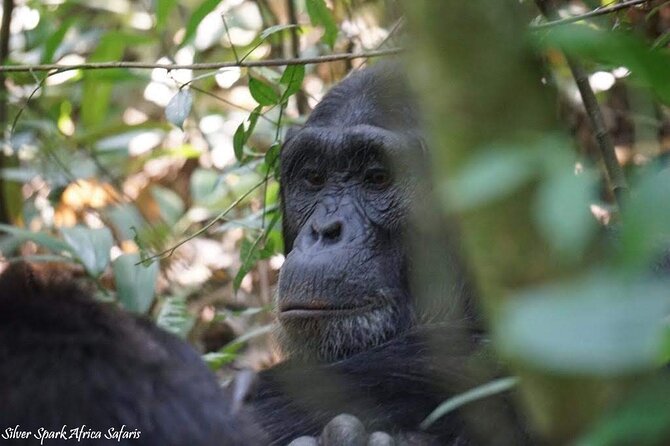
- Mgahinga gorillas with strict viewing time: once located, you observe for about an hour under Uganda Wildlife Authority rules
- Jinja brings variety beyond wildlife: the Nile River area and adventure-capital energy
- Lake Bunyonyi is a smart reset: crater-lake scenery and rest the evening before your trek
- Amboseli is built for elephants and Kilimanjaro light: early starts and full-day drives, plus a possible Maasai village visit
Big picture: Kenya safari plus Uganda gorillas, without pretending it’s easy
This is a 13-day route that mixes two different styles of nature travel. You’ll do Kenya’s savannah safari loop (Maasai Mara, Lake Nakuru, Naivasha/Hell’s Gate, Amboseli) and then switch gears to Uganda for the Mgahinga gorilla trek and a community day around Kabale/Bunyonyi.
If you like your trips to feel varied—animals, birdlife, a big outdoor trek, and local culture—this works. The tradeoff is time on the road. You’ll cross regions, pass through towns and borders, and spend multiple days driving, so go into it expecting a packed schedule rather than a slow vacation pace.
One more reason I like it: the support has a track record. In past trips arranged by Silver Spark Africa Safaris, Abongo has been repeatedly praised for planning help and fast replies before and during the journey, and guides like Peter and Brian have been described as friendly and solid on the ground.
You can also read our reviews of more tours and experiences in Nairobi.
Day 1 in Nairobi: Giraffe Centre, Carnivore dinner, and a clean start
Your arrival day starts with airport pickup and a pre-departure meeting before you settle at Kozi Suites Nairobi. If your timing allows, you can go straight into the safari portion from Nairobi too, but the default plan is: check in, relax, and get your bearings.
Then comes the Giraffe Centre visit. It’s a quick, easy way to shift into animal mode without needing to wait for the first game drive. In the evening, you’ll have dinner at Carnivore Restaurant at seven, which is a fun choice if you want a high-energy food stop on Day 1 rather than a quiet hotel meal.
Practical note: plan for jet lag. Day 1 gives you enough structure to feel like you’re traveling, but also enough downtime to reset.
Maasai Mara (Days 2–3): Two different game-drive moods
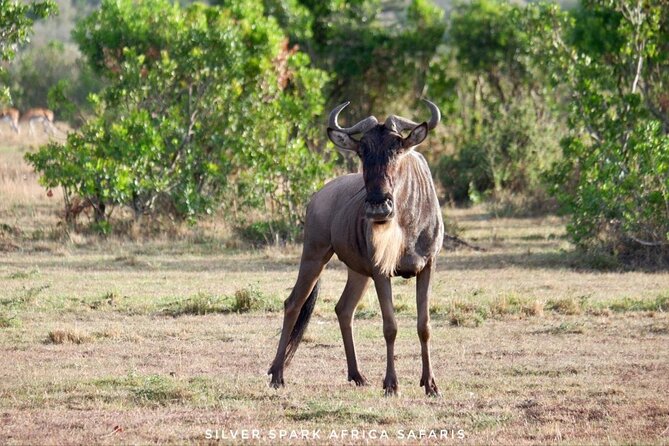
You’ll drive from Nairobi via Narok Town into Maasai Mara National Reserve and check in to Jambo Mara Lodge. After lunch, you get an afternoon game drive and return before dark, which is a smart way to ease in after traveling.
Day 3 is where the Mara really pays off. After breakfast, you set out with a picnic lunch for a full-day game drive in search of the Big Five and all the plain animals in between. Mara is also part of the wider movement of seasonal wildlife, and the route here gives you enough time to track animals through the day rather than seeing just a slice.
What I like most about this two-day structure is that it’s not all-or-nothing. You get one hunt-the-sun drive on Day 2, then a full stretch on Day 3 when your chances increase simply because you’re out there longer.
Lake Nakuru (Day 4): Rift Valley viewpoint breaks and flamingoes
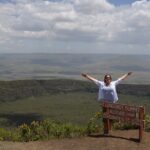
From Mara, you head to Lake Nakuru National Park and climb the eastern wall of the Great Rift Valley. Along the way, there’s a stop for a Rift Valley viewpoint for photos and a brief overview of coffee and tea farming in Kenya—useful if you want context beyond just watching animals.
You arrive in time for lunch, then go into the park for game drives. Lake Nakuru is famous for its birdlife, especially millions of flamingoes, plus many other migrant birds along the shores. And the itinerary frames Nakuru as a Big Five game-drive stop as well, which makes the day feel like a real switch from Mara’s savannah rhythm.
A consideration: Nakuru can feel different depending on season and water levels, so don’t judge the birding by one quick glance. Give the park the time you have, especially around the lake areas.
Jinja (Day 5): The Nile source area and adventure-culture time
You travel from Nakuru to Jinja, driving across the Malaba border. The plan includes a pass near the source of the Nile River, where it starts its long journey through multiple African countries before reaching the Mediterranean Sea.
Jinja is described as East Africa’s adventure capital, and the itinerary leans into that. White-water rafting, bungee jumping, and kayaking are all mentioned as popular options, and you’re encouraged to add a boat ride for extra cost.
Your overnight is at Paradise Jinja Hotel. I like this stop because it breaks the “drive-and-drive game drive” pattern. It’s a chance to be near water, think less like a camera hunter, and more like an outdoors traveler.
Over to Uganda and Lake Bunyonyi (Day 6): Rest before the gorilla morning
Day 6 is a move from Kenya into Uganda’s highland scenery. You drive to Kabale (noted as Uganda’s highest town at about 2000m), then camp at Lake Bunyonyi, described as Africa’s deepest crater lake at about 900m. You’ll get birdlife time here too, since Bunyonyi is known as a place of “little birds.”
After that, you transfer over the mountains to Kisoro, which sits at the southwestern tip of Uganda. The evening is intentionally calmer: you’re preparing for the trek ahead, which matters because tomorrow is the big physical highlight.
My take: Bunyonyi is a smart staging area. It gives you one night where your body can adjust and you can mentally shift from road travel into trek mode.
Mgahinga Gorilla National Park (Day 7): What the trek day is really like
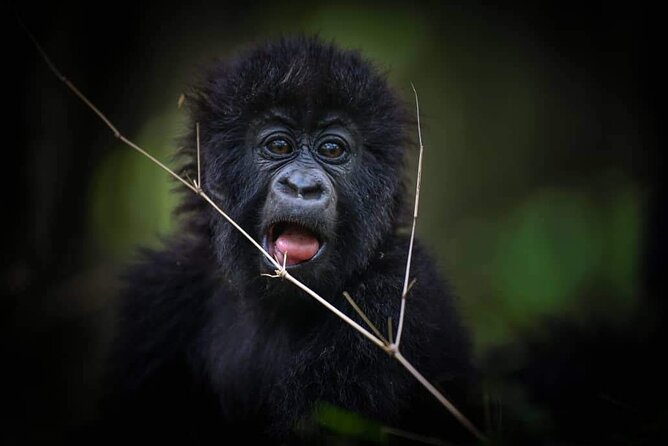
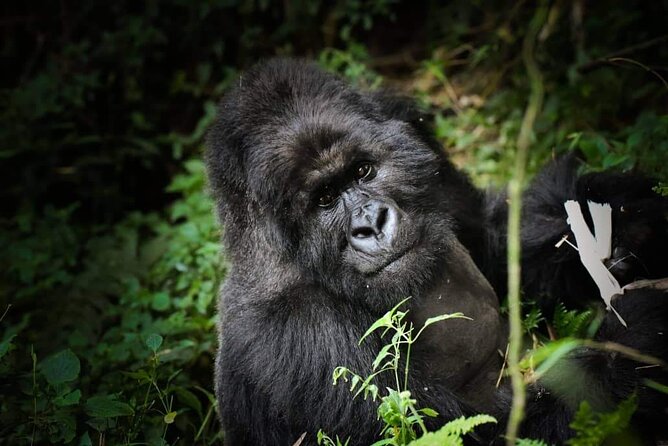
This is the signature day. You start early, trekking through morning mist in Mgahinga Gorilla National Park, which is described as home to roughly half of the world’s 700 remaining mountain gorillas. The pace is set by thick mountain jungle and your guide’s tracking.
The itinerary is clear that trekking can be demanding and take a full day. So the essentials you’re told to bring are a water bottle and good walking shoes or boots. You’ll be led by experienced local guides, which is a big deal here; gorilla treks are one of those activities where route knowledge and safety matter more than speed.
Once you locate the gorillas, you observe them for about one hour. That viewing window is strictly regulated by Uganda Wildlife Authority, and the rule also helps explain the “one hour, then move on” reality of this style of wildlife encounter. Photography is allowed, but no flash is permitted, and there are restrictions on camera use mentioned (the details are cut off in the info you provided, but the key point is: follow guide instructions).
If you’re comparing gorilla trekking options, this one stands out because it’s positioned after a rest day at Bunyonyi. That makes a difference on the morning you’ll be most tired.
Kabale community day (Day 8): Batwa choice or canoe time
After breakfast, you do a guided walk to visit locals in the community. This is where the trip adds a cultural layer beyond wildlife.
You’re given two options: a visit with the Batwa community, or canoeing on the lake. Then you return for lunch, with time to relax or take another walk in the community.
I like that the plan includes choice. Some people want the cultural learning side; others want quiet time on water. Having both options means you’re not stuck doing one thing just because it’s “on the schedule.”
Back toward Kampala (Day 9): A long travel day with a city evening
You transfer back to Kampala and eat lunch en route. You’ll arrive by evening, check in, and spend time enjoying Kampala nightlife before returning to Paradise Jinja Hotel for your overnight.
This day works best if you treat it as a reset. It’s not a nature highlight day. It’s more about surviving the driving portion with good rest and then enjoying a change of pace at night.
Practical advice: keep your evening plans light. You’ll be back on the road again soon.
Lake Naivasha and Hell’s Gate (Day 10): Walking, cycling, and a hippo boat option
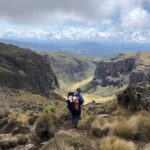
Day 10 heads south to Lake Naivasha. You drive around the southern end of the lake, pass by flower farms, and reach Hell’s Gate National Park. Inside the park, the info calls out cliffs, open plains, and deep gorges, plus the idea of walking routes and trekking through geyser areas.
Lunch is a picnic, and you also have an afternoon boat ride option at extra cost among hippos. It’s also a day with a menu of activities: walking, cycling, rock climbing, bird watching, and trekking through the gorge and geyser area (again, with the note that you can choose what you do).
I like Hell’s Gate because it’s active travel compared to many safari days. You’re not only in a vehicle; you can spend time on foot, which changes how you experience animals and birds.
Amboseli National Park (Days 11–12): Kilimanjaro mornings and close elephants
Amboseli is where the trip shifts back into classic safari mode. You depart for Amboseli via Nairobi and drive through Masai country to the plains below Mount Kilimanjaro. You’ll have a picnic lunch en route with Kilimanjaro in view, and you’ll end the day at Aa Lodge Amboseli.
Day 12 is an early start. You rise for breakfast with Kilimanjaro views, then clouds can build over the summit (that’s part of the rhythm here). You’ll get a packed lunch and spend the full day with morning and afternoon game drives.
The itinerary highlights that Amboseli is a strong place for elephants at close range, and it specifically mentions elephants feeding and bathing in swamps as a key highlight. There’s also a possible Maasai Village visit, where singing and dancing are described as part of daily life and sacred rituals.
If you want the best shot at elephant sightings, Amboseli is often one of the easier parks to enjoy even when it’s not perfect weather, because wildlife is frequent and the setting is open.
Price and logistics: Is $4,000 per person good value?
At $4,000 per person for 13 days, you’re paying for a route that spans multiple parks and countries, includes the gorilla trek experience, and keeps you in lodges across the way. The value isn’t just the animal list—it’s the coordination.
Meals are included: breakfasts (13), lunches (12), and dinners (12). Alcoholic beverages are not included. Pickup is offered, and you get a mobile ticket. The tour is described as private, meaning your group is only your group.
Here’s the honest way to judge value using only what’s provided: the itinerary repeatedly notes “admission ticket free” on many days, and it also flags “admission ticket included” for some days (like Day 6 and Day 10). That means you should confirm what exactly is covered for any major special activity you care about most—especially the gorilla trek permit cost details and any boat/adventure extras—before you budget.
Overall, for a trip that bundles two safari zones in Kenya plus a gorilla trek in Uganda plus cultural time, $4,000 can be fair if you want everything in one organized package and you prefer not to DIY the logistics.
Who this tour fits best (and who should be cautious)
This is a strong match if you want:
- One big bucket-list day (Mgahinga gorilla trek) plus real safari time
- A mix of activities: game drives, birding, community walking, and optional water/park experiences
- A trip run by a team with a reputation for organization and responsive support (Abongo is praised for that, and guides like Peter and Brian get positive mentions)
Be cautious if:
- You’re not comfortable with a demanding, long trek day with strict gorilla viewing rules
- You dislike long driving segments between regions
- You’re trying to keep the budget tight, because optional add-ons are mentioned (like the Jinja boat ride and Naivasha boat ride)
Should you book this 13-day Uganda gorilla trek + Amboseli safari?
I’d book it if your priority is a single, well-structured route that delivers both the emotional payoff of gorillas and the classic safari thrill of Kenya’s major parks. The itinerary’s biggest strength is how it gives you real time in the best wildlife areas—Mara twice, Nakuru as a bird-and-safari day, and Amboseli for elephants with Kilimanjaro timing—while still fitting community and water activities in Uganda.
I’d hesitate if you’re seeking a relaxed pace or you need a trip with minimal physical effort. The gorilla trek day is the heart of this trip, and it’s described as potentially demanding, so be honest about your fitness and stamina.
If you do book, my advice is simple: confirm what’s truly included for the trek-related fees and any boat/adventure add-ons that catch your eye. Then pack for a serious morning hike, because tomorrow-morning comfort affects everything.
FAQ
Is this a private tour?
Yes. It’s listed as a private tour/activity, so only your group participates.
Where does the tour start and end?
It starts at Jomo Kenyatta Intl Airport in Nairobi, Kenya and ends back at the same meeting point.
What’s included in the trip meals?
The tour includes breakfasts (13), lunches (12), and dinners (12). Alcoholic beverages are not included.
What should I expect during the Mgahinga gorilla trek?
The trek happens early in the morning and may be demanding, taking as long as a full day. Once you find the gorillas, you observe them for about one hour under Uganda Wildlife Authority regulation. Photography is allowed without flash.
Are there optional activities I might add during the trip?
Yes. The plan encourages adding a boat ride in Jinja for extra cost, and it also notes an optional boat ride among hippos on Lake Naivasha for an extra cost. On Day 8 you also have choices like Batwa community visit or canoeing.
Who can participate?
The information says most travelers can participate, and service animals are allowed.
Can I cancel and get a refund?
Yes. You can cancel up to 24 hours in advance for a full refund. If you cancel less than 24 hours before the start time, the amount paid will not be refunded.