REVIEW · NAIROBI
Mount Longonot Full-Day Hiking and Trekking Trip from Nairobi
Book on Viator →Operated by Gracepatt Ecotours Kenya · Bookable on Viator
A crater hike beats a city morning. This Mount Longonot day trip pairs expert guides with hotel pickup and drop-off, so you start focused and you come back relaxed. I especially like the flexible pace with rest points built into the climb, plus the payoff of Rift Valley views from viewpoint spots and from up on the crater rim.
The main consideration is effort. It’s a moderately strenuous hike with a steeper second section, and some rocky ground can feel more like a scramble than a walk—plan for that and for the early start at 6:00am.
In This Review
- Key highlights worth getting excited about
- Mount Longonot in one day: what you’re really signing up for
- The 6:00am drive and the start at 6,000 feet
- Two main hiking sections on the crater route
- Summit and crater-rim views: why the pacing matters
- Lakeside lunch and the optional Lake Naivasha boat ride
- Guides, vehicles, and how the day feels in real life
- Price and value: is $195 fair for Nairobi-to-crater day?
- What to pack for a moderate, sometimes rocky hike
- Who should book this, and who should pause first
- Should you book this Mount Longonot day hike?
- FAQ
- What time does the Mount Longonot trip start?
- How long is the full-day hike?
- Is hotel pickup and drop-off included?
- What’s included in the tour price?
- Is lunch included?
- How much does the Lake Naivasha boat ride cost?
- Is the hike suitable for children?
Key highlights worth getting excited about
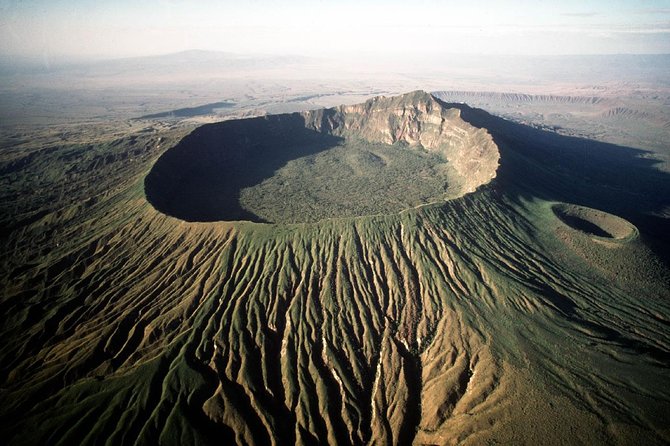
- 6:00am departures with a head-start on the heat: the drive is about an hour, then you begin the ascent around 6,000 feet.
- A hike that breaks into sections: you get a gentle first rise, then a more awesome steeper push, with rest points after each part.
- Crater-rim views at your own pace: you can slow down, stop for photos, and circle around without feeling herded.
- Guides who actually teach what you’re walking through: I love that wildlife spotting and plant/flora explanations are part of the day (I’ve seen this with guides like Kelvin and Stephen).
- Optional Lake Naivasha boat ride for $20 per person: a chance to glide for lakeside wildlife, including hippos, without paying for it if you’d rather skip.
- Comfortable round-trip transfers and safe driving: the day runs on organized transport, not frantic public-routes hunting.
Mount Longonot in one day: what you’re really signing up for
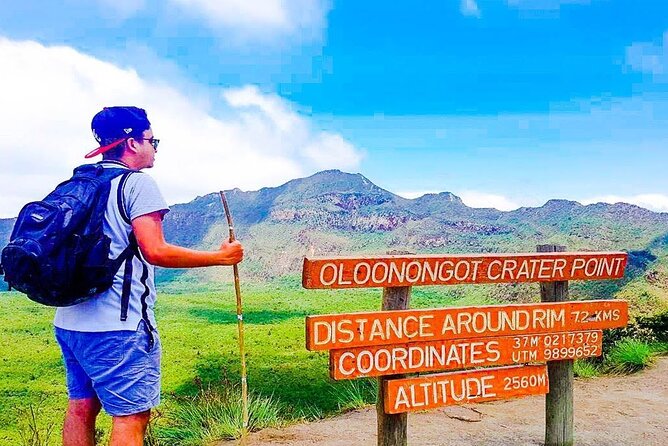
Mount Longonot is one of those rare hikes where the “getting there” matters as much as the summit. You’re leaving Nairobi early, riding out with a guide and driver team, then stepping into a National Park hike that’s scenic from the start. The goal is simple: climb up to the top, then circle the volcano’s rim at your own rhythm.
This is not a long multi-day trek with camp chores. It’s a full-day outing that mixes steady effort with breathing-room. You’re given rest points on the way up, and once you reach the crater zone, you’re not forced into a sprint. That pacing is a big deal, especially if you want the views instead of just survival.
One more thing: this day trip can be either “hike-focused” or “hike plus wildlife cruise,” depending on whether you add the Lake Naivasha boat ride.
You can also read our reviews of more tours and experiences in Nairobi.
The 6:00am drive and the start at 6,000 feet
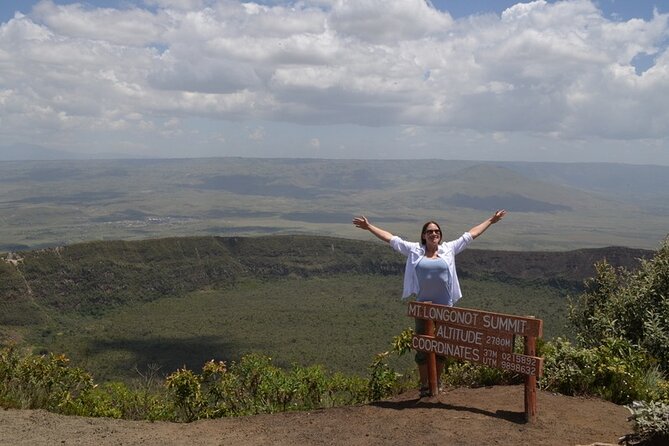
Your day starts at 6:00am. That early departure isn’t just for punctuality—it’s for comfort. The climb begins around 6,000 feet, and you’ll feel the difference in altitude and air as you start moving. The schedule is designed so you begin before the hottest part of the day, then build heat as the hike progresses.
The drive out is about an hour. In practice, that means you’re not spending half your day stuck in traffic. You’ll also get hotel pickup and drop-off, which keeps the day from turning into a logistics puzzle. You don’t need to figure out where to meet, how to get there, or how to return with sweaty legs and a phone battery that’s already sweating too.
A couple of practical notes for the start:
- Wear a hat and use high SPF sunscreen. One simple reminder from older hikers: get your hat early, not after you’ve already burned.
- Bring water and something to snack on, even if you plan to eat later. The hike is long enough that a low-energy moment can ruin your mood faster than a steep section.
Two main hiking sections on the crater route
The climb is described in sections, and that helps you mentally. You start with a slow, gentle rise to the first peak. This first part can fool you into thinking it will stay easy. Then the hike shifts into what’s considered the most impressive part—the steeper section where your body finally realizes you meant it.
At the end of each section, you’ll find a rest point. This is where the guide’s role becomes useful. It’s not just walking and pointing. A good guide helps you keep a steady pace, gives you breaks before you’re exhausted, and can spot wildlife and explain the plants you’re passing.
From the top and crater-rim area, you can expect a walk that can feel uneven and rocky. One review flagged that completing the climb up to the peak and then walking the whole way around the rim can involve hands-on climbing in tougher spots. Translation: wear footwear with grip, and don’t wear shoes you’re afraid of scuffing. If you’re comfortable using your hands a little for balance, you’ll enjoy it more.
Summit and crater-rim views: why the pacing matters
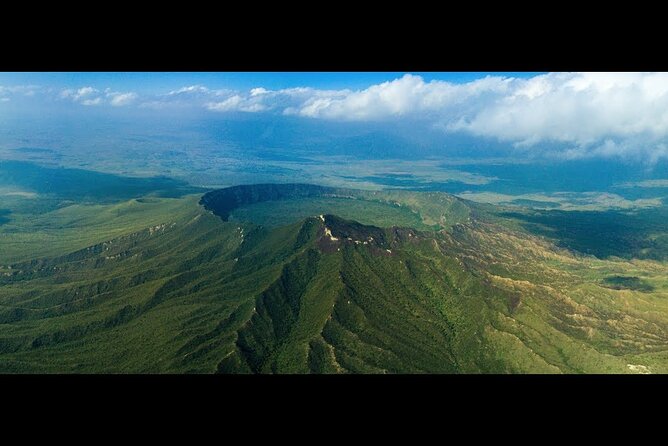
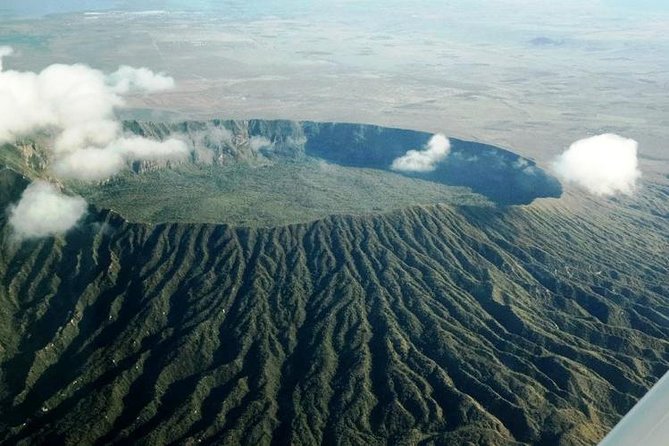
Once you reach the upper zone, the experience changes from “climb mode” to “look-around mode.” You’re not just topping out for a quick photo and heading down. The point is to circle the panoramic volcano at your own pace. That freedom is what makes this feel like an actual hike rather than a checklist.
You’ll get multiple viewpoint opportunities. One key detail: people mention Rift Valley views both from a viewpoint area and again from the top of Mount Longonot. That matters because you’ll see the region in layers—as you climb, the views broaden, and then the crater rim gives you a different, more dramatic perspective.
How to enjoy the rim walk:
- Go slowly and take breaks. The climb creates heat by the time you reach the later sections, so your goal is sustainable effort.
- Treat photo stops as rest stops. Your guide can help you position for good angles, and it’s better than stopping suddenly when your legs are already shouting.
- Don’t rush the circle. The crater rim walk is part of why this is worth booking.
If you’re prone to moving too fast, this is where the “no rush” philosophy pays off. You get attention from your guide, and you can choose how long you linger near viewpoints.
Lakeside lunch and the optional Lake Naivasha boat ride
Food in the middle of a hike can make or break the day. Here, lunch is available to purchase, and it’s described as lakeside. That’s a nice contrast: you spend hours getting elevation, then you get to sit down near water and reset your body before heading back.
Then there’s the optional upgrade: a boat ride on Lake Naivasha. The cost is listed as $20 per person, paid in addition to the hike price. If you add it, you’re aiming for wildlife time—this lake is known for animals around the shore and in the water, including hippos.
Even if you’re not a hardcore wildlife fanatic, this is a smart addition for one reason: it breaks up the physical rhythm. After the climb and the rim walk, swapping legs for a boat is a form of recovery that still feels like part of the adventure.
If you skip the boat, you’ll still leave with the main experience—Mount Longonot itself—but you’ll miss that extra wildlife window.
Guides, vehicles, and how the day feels in real life
This tour is built around human help. You get a professional guide on the hike and comfortable round-trip transfers with hotel pickup and drop-off. In other words, you’re not hiking alone and you’re not guessing how the day should run.
The guides’ attention shows up in the small details:
- Wildlife spotting while you walk
- Explanations about trees and flora
- Photo help at viewpoints
I’ve seen guide names like Kelvin, Stephen, and Kennedy-Darius praised for making the day feel both safe and interesting. Drivers also show up in the praise for professional, careful driving. Names like Titus and Kelvin come up as people who manage the transfers smoothly.
Group size is capped at a maximum of 100 travelers in the overall activity info. The experience is also described as small-group, so in practice you should expect something more manageable than a huge bus-load. Still, if you’re the type who needs quiet, you’ll want to plan your expectations for a popular day trip.
Price and value: is $195 fair for Nairobi-to-crater day?
The price is $195 per person, and that number matters less than what’s inside it.
Included:
- National Park fees
- Professional guide
- Hotel pickup and drop-off
Not included:
- Lunch (you can purchase it)
- Boat ride on Lake Naivasha ($20 per person)
So you’re paying for guided access and the day’s logistics. From Nairobi, that’s typically where the real cost lives: the drive out, time planning, park entry, and an actual guide who can keep you oriented on the route and talk through what you’re seeing.
Is it expensive? It can be, depending on your budget. But it doesn’t look like a bare-bones hike where you’re on your own. The included guide time and park fees are the backbone of the value. Add the optional boat ride only if you want that extra wildlife and water time.
What to pack for a moderate, sometimes rocky hike
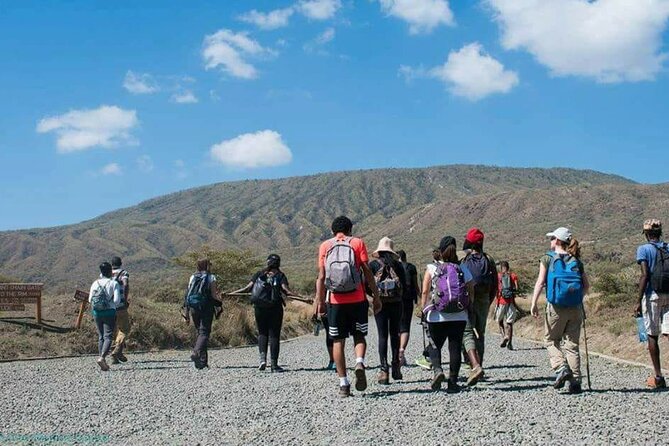
Because this is a crater rim hike with steep and rocky sections, packing isn’t just comfort—it’s safety.
Bring:
- Sturdy hiking shoes with grip (you may use hands for balance in tougher parts)
- A hat and sunscreen (seriously, start protecting early)
- Water (don’t rely on buying everything during the hike)
- Light layers (mornings can feel cooler, and you’ll warm up as you climb)
- A small snack for energy between rest points
If you’re thinking about clothing: avoid anything you’ll regret getting dusty or scraped. You’re walking volcanic terrain and you’ll earn the right to be a little messy.
Who should book this, and who should pause first
This tour fits best if you:
- Enjoy day hikes with real scenery
- Want a guide who points out wildlife and explains what you’re seeing
- Can handle a moderately strenuous effort with a steeper middle section
- Like the idea of crater-rim walking at your own pace
You might reconsider if you:
- Have mobility limits that make steep, rocky sections hard
- Hate early mornings or heat management (it’s scheduled to help, but you still climb)
- Are expecting a flat, easy walk the whole way
It also works well for travelers in their 50s who want a challenge, as long as they accept the climb difficulty as part of the attraction.
Should you book this Mount Longonot day hike?
If your ideal day is “good views + a clear route + a guide who makes it educational,” I think this is a solid booking. The value is strongest because park fees and guiding are included, and the hotel pickup means you’re not wasting energy on transit.
I’d book it if:
- You want a crater experience without a multi-day trek
- You like flexibility—rest points, time for photos, and circling the rim at your own pace
- You might add the Lake Naivasha boat ride for hippo-and-lakeside wildlife
I’d maybe pass or swap plans if:
- You know rocky steep terrain will be too tough for you
- You’re mainly chasing a lazy, low-effort outing
FAQ
What time does the Mount Longonot trip start?
The start time is 6:00am.
How long is the full-day hike?
The duration is listed as about 8 hours.
Is hotel pickup and drop-off included?
Yes. Hotel pickup and drop-off are included.
What’s included in the tour price?
The price includes National Park fees and a professional guide.
Is lunch included?
No. Lunch is not included, but you can purchase it during the day.
How much does the Lake Naivasha boat ride cost?
The boat ride upgrade on Lake Naivasha is $20 per person and is not included in the base price.
Is the hike suitable for children?
Children must be accompanied by an adult, and the activity lists that most travelers can participate, but children still need adult support.