REVIEW · POKHARA
5 Days Annapurna Mountain View Trekking from Pokhara, Nepal
Book on Viator →Operated by Nepal Mountain Club Pvt Ltd · Bookable on Viator
One good sunrise can sell an entire trek. This 5-day Annapurna Mountain View walk trades a long trip for standout moments like the Poon Hill sunrise and the cultural stop in Ghandruk. The pacing is guided and private, so you’re not stuck with a group that hikes like it’s on a mission.
What I love most is how this route gives you big Himalayan views without the drama of higher-altitude extremes, plus you get a private guide who handles the permits and keeps the days moving smoothly. The main thing to consider is that the first and last days can feel like the tougher blocks, simply because you’re starting the hike from Nayapul and finishing with the trek back down.
In This Review
- Key Points at a Glance
- Why This 5-Day Annapurna Trek Feels More Manageable
- Getting to Nayapul and Ulleri: Day 1 Setup
- Rhododendron Forests to Ghorepani: Day 2’s Steady Climb
- The 4am Poon Hill Sunrise and Tadapani Descent: Day 3 Payoff
- Ghandruk and Gurung Culture: Day 4 Views Plus Meaning
- The Final Trek Back to Nayapul and Pokhara: Day 5 Wrap-Up
- Price and What $380 Buys You in Real Terms
- Private Transfers and Hotel Pickup: Why It Changes Your Trek
- The Rhythm of the Route: What Your Body Will Feel
- What to Expect From the Guesthouse Days
- Permits, Paperwork, and the Info You’ll Need
- Who Should Book This Trek (And Who Might Prefer Something Else)
- Should You Book This 5-Day Annapurna Mountain View Trek?
- FAQ
- What time does the pickup happen in Pokhara?
- How do you get from Pokhara to the start of the hike?
- Are meals included in the $380 price?
- Where do you stay overnight during the trek?
- Are permits included?
- Do I need to provide passport details before the trip?
- What’s the cancellation rule?
Key Points at a Glance
- Private guide, private pace: You’re hiking as one group, not absorbed into a slower or faster crowd.
- Poon Hill is the headline: The early morning push is short, but the sunrise payoff is the point.
- Ghandruk adds culture, not just views: You’ll spend time in a Gurung village and visit a cultural museum.
- Permits handled for you: TIMS and National Conservation Park fees are included.
- Comfortable guesthouses for 4 nights: You’ll sleep in typical teahouse-style lodging along the route.
Why This 5-Day Annapurna Trek Feels More Manageable
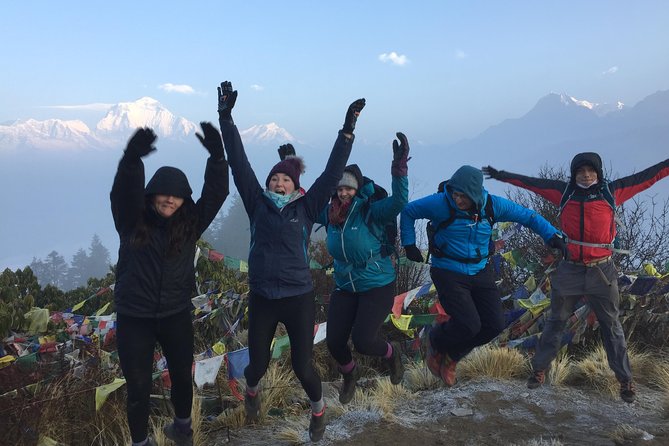
If you only have a week, you still want Annapurna range views. This route keeps things efficient: it starts from Nayapul, moves through classic foothill terrain, and stays at altitudes where you can enjoy the scenery without chasing a higher, heavier itinerary.
You’ll get a real mix of what people come to Nepal for. Expect morning cold for sunrise, then warmer hiking through forested sections, and evenings that feel very “tea house trekking” with guesthouse stays. And because you’re traveling with transfers from your Pokhara hotel, the day-to-day logistics are less stressful than the usual do-it-yourself scramble.
My practical take: the trek is designed for people who want the Annapurna feeling in fewer days, not a badge of suffering. You’ll still hike. You just won’t be forced into a long slog just to reach the “right” viewpoint.
You can also read our reviews of more tours and experiences in Pokhara.
Getting to Nayapul and Ulleri: Day 1 Setup
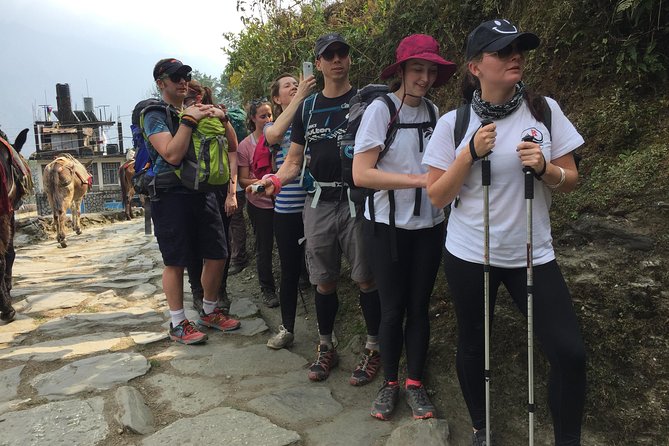
Your day starts at 8:00 am with pickup from your Pokhara hotel lobby. From there, you take a scenic private drive to Nayapul (about 1 hour 30 minutes). It’s a nice buffer day: you’re fresh, hydrated, and not immediately dropped into hours of steep uphill without a warm-up.
Then you begin the hike, ascending to Ulleri over about 5 hours. This first day is where your legs learn the routine: steady climbing, frequent photo stops, and a slow shift from transport time into trekking rhythm. Guesthouses are your overnight plan, so you don’t have to worry about where to sleep or how to “figure it out” at the end of the day.
What to watch for: the first day can feel like a sharper effort than the middle legs because you’re starting the trek off a drive and then pushing uphill right away. If you’re even slightly on the cautious side with fitness, pace yourself early rather than trying to keep up with anyone else in your group.
Rhododendron Forests to Ghorepani: Day 2’s Steady Climb
Day 2 begins at 8:00 am and heads toward Ghorepani (about 6 hours). You’ll hike through rhododendron forests, which is one of those Annapurna “it feels right” experiences—tree cover that cools the air, shade for your stride, and a sense of walking through a living season.
This is also a great day for staying comfortable. Since you’re not racing to a huge peak, you can focus on hiking posture and breath: short breaks when you need them, steady pace when you’re feeling good, and keeping water in front of you rather than thinking about it later.
You’ll sleep at a guesthouse in Ghorepani. In plain terms: this night sets up the sunrise plan the next day, so you’ll want an early evening, even if the tea-house vibe tempts you to chat.
The 4am Poon Hill Sunrise and Tadapani Descent: Day 3 Payoff
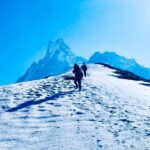
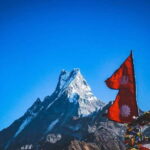
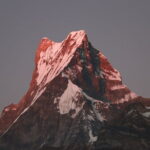
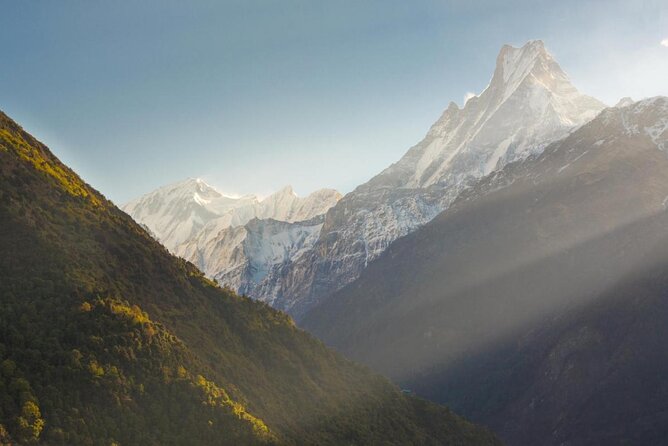
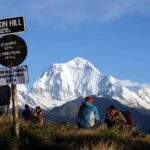
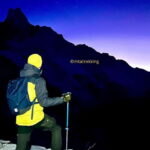
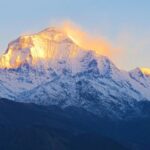
Here’s the moment most people come for. On Day 3, you’ll start around 4:00 am for the walk up to Poon Hill. It’s about 45 minutes to the viewpoint, but the timing is the whole game—you’re going early enough to catch sunrise over the Annapurna range.
After you enjoy the early light (and the classic viewpoint atmosphere), you’ll descend back to Ghorepani and continue trekking down to Tadapani (about 5 hours total for this day’s hiking segment). This is where the route feels smart: sunrise first, then a longer downhill-ish day that lets you keep your heart rate in check.
A practical note: the start is cold. Even if you’re not a “cold person,” plan for it mentally. Keep your layers accessible so you’re not fumbling when the sky is still dark. And after sunrise, don’t underestimate the effect of getting moving again—your legs feel great standing around, then you still have a day to hike.
This is also consistent with what many trekkers identify as the best part of the trip: the Poon Hill climb plus the view of the cordillera is the standout moment. It’s short effort for a huge return.
Ghandruk and Gurung Culture: Day 4 Views Plus Meaning
Day 4 is a beautiful mix of scenery and human scale. You’ll start with time to take in Annapurna views from where you are, then hike down to Ghandruk (about 4 hours).
Once in Ghandruk, you’re not just passing through a viewpoint corridor. This is a Gurung village, and your time includes exploring the village, interacting with local people, and visiting a Gurung cultural museum. That museum stop matters because it turns the trek from a sequence of stair steps into a story—how people in this region live with the mountains all around them.
Overnight is another guesthouse stay in Ghandruk. I like this day because it feels like it resets your brain. You’re still moving, but you’re also learning. And honestly, those cultural pauses are what make the trek stick in your memory after the photos fade.
The Final Trek Back to Nayapul and Pokhara: Day 5 Wrap-Up
On Day 5, you hike down to Nayapul (about 5 hours). After that, you drive back to Pokhara and get dropped at your hotel.
This is the last effort—often the last day is tiring because your body has already “paid the debt” from the prior days. One review caution lines up with what you should expect: the first and last days can feel like more work than the days in the middle. It’s not that the middle is easy; it’s that the itinerary is paced so you hit your main moments earlier, then finish with a solid downhill day.
Still, the payoff of Day 5 is simple: you end with comfort. A private car picks you up, and you’re back in Pokhara without having to manage transport on your own.
Price and What $380 Buys You in Real Terms
The price is $380 per person for 5 days, and the value here isn’t just “you get a guide.” It’s the combination of what’s covered and what’s not.
Included items that matter:
- Guesthouse accommodation for the nights matching the trek
- TIMS and National Conservation Park fees
- A professional trekking guide
- Private transfers from your Pokhara hotel and back
- Transportation by private vehicle
- Hotel pickup and drop-off
- A private tour setup (your group only)
- Taxes, fees, and handling charges
Not included:
- Meals and drinks (you buy them during the trek)
- Rescue costs in an emergency
So where does the money go? Mostly into making the experience smooth and compliant: permits and guide support, plus the door-to-door transfer. If you’ve ever tried to arrange Annapurna trek logistics on short notice, you already know how much time and stress a guide can save. Here you’re paying to remove friction.
To be fair: food is on you. But teahouse trekking food is usually part of the vibe, and it’s easy to budget when you know meals aren’t included.
My best advice on budgeting: plan a daily food and drink allowance that matches your pace. If you’ll be hungry from early starts and active hiking, don’t undercount.
Private Transfers and Hotel Pickup: Why It Changes Your Trek
This trek includes private 2-way transfers from your Pokhara hotel. That matters more than it sounds.
Without it, you’d spend your first day solving transport and then spend your last day doing the same in reverse. Here, you step into the trek cleanly: pickup at the lobby, private car to Nayapul, then the hiking days with overnight guesthouses, then the drive back at the end.
You also get hotel pickup and drop-off rather than a distant meeting point that costs time and walking. And because the pickup is set for 8:00 am, you get predictability, which helps when you’re traveling with limited time.
The Rhythm of the Route: What Your Body Will Feel
This is not a “run the whole time” trek. The emphasis is on views and manageable days. Still, you should expect:
- early mornings for sunrise logistics
- a first-day climb after arriving at Nayapul
- a longer day that includes time after Poon Hill
- downhill walking toward Ghandruk and then to Nayapul
Your guide will keep you informed during the trip with relevant information, which often helps you hike smarter—knowing what’s coming reduces panic and helps you pace.
Best match for this trek:
- You have about a week and want Annapurna foothills in a realistic timeframe
- You’re okay with moderate fitness work and early mornings
- You want a guided experience with a private group and practical support
- You like a blend of scenery plus culture
What to Expect From the Guesthouse Days
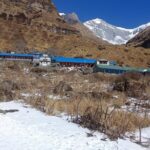
You’ll have four nights in typical guesthouses along the route, with meals available for purchase. That setup is classic for the Annapurna region: you get a warm place to rest, typically shared common areas, and basic rooms that do the job after a long walk.
The practical upside: you don’t carry camping gear, and you don’t need to search for places to sleep. The guide and included lodging plan handle that.
The practical downside: comfort is simple. Bring what you need to stay warm at night, especially after sunrise starts where you’re already running on a tight routine.
Permits, Paperwork, and the Info You’ll Need
One less stressful part: the guide handles permits. National Conservation Park fees and TIMS permits are included, and that’s a big deal because it keeps the trek within the required legal framework.
You’ll still need to provide documentation details at booking time: your passport name, number, expiry, and country, plus a passport-size digital photo prior to the trip. Plan that ahead so you’re not rushing at the last minute.
Who Should Book This Trek (And Who Might Prefer Something Else)
I’d book this if you want the Annapurna range experience without signing up for a long, high-altitude grind. The structure is ideal for:
- first-time Nepal hikers who want a guided, predictable route
- couples or small groups who prefer privacy
- people who value culture as much as views
- anyone who wants a short window and a clear plan
I might suggest looking at a different option if you know you need a gentler start or you strongly dislike early mornings. Day 3 is early. You do it for the sunrise, so that’s the trade.
Should You Book This 5-Day Annapurna Mountain View Trek?
If you’re trying to choose between doing almost nothing in Nepal and doing too much, this is a smart middle. You get Poon Hill sunrise, a rhododendron-forest hiking day, and a real cultural stop in Ghandruk—all with private transfers and a professional guide handling permits.
Book it if:
- you want value for money through inclusions (guiding, permits, transfers)
- you’re comfortable with moderate fitness and early starts
- you’d like mountains plus Gurung culture, not just a route through the hills
Consider a different trek if:
- you’re not okay with the cold early morning for Poon Hill
- you’re expecting a fully comfort-optimized walk with no effort days (the first and last days can feel tougher)
FAQ
What time does the pickup happen in Pokhara?
Pickup is scheduled for 8:00 am from your hotel reception or lobby in Pokhara.
How do you get from Pokhara to the start of the hike?
You take a scenic private drive by car to Nayapul, taking about 1 hour 30 minutes.
Are meals included in the $380 price?
No. Meals and drinks are available for purchase during the trek.
Where do you stay overnight during the trek?
You stay for four nights in typical guesthouses along the route.
Are permits included?
Yes. TIMS and National Conservation Park fees are included, and your guide handles the permits.
Do I need to provide passport details before the trip?
Yes. You’ll need passport name, number, expiry, country, and a passport-size digital photo required prior to the trip.
What’s the cancellation rule?
You can cancel for a full refund if you cancel up to 24 hours in advance of the experience start time (local time rules apply).