REVIEW · KATHMANDU
Everest Base Camp Trek – 15 Days
Book on Viator →Operated by Welcome Nepal Treks P.ltd · Bookable on Viator
Everest starts with a steep plan. This 15-day Everest Base Camp trek from Kathmandu takes you to Base Camp at 5,364m with tea house nights and a smart acclimatization rhythm. I love the lodge-to-lodge approach because you can focus on walking and views, not camp logistics. I also love how the schedule builds in rest days at altitude. The one drawback to take seriously: you still climb to Kala Patthar (5,545m), so you need to respect altitude even if the trek is described as not very difficult.
I like that the human support is part of the package, not an optional extra. You’ll travel with a government licensed English-speaking trekking guide and you get a porter for every two clients, which helps a lot once you’re walking in thin air. In reviews, guide names like Padam and Pralad Simkhada come up for being attentive and organized, and Hari Khadka is mentioned for smooth communication before and during the trip.
Practical note: the trek includes the Kathmandu–Lukla–Kathmandu flight sector, and those flights can feel intense. Your best plan is to go in rested, stay flexible with weather, and trust the timing. With a maximum group size of 15 and pickup offered in Kathmandu, it’s a good setup for travelers who want the Everest experience without going full DIY.
In This Review
- Key things that make this Everest Base Camp trek work
- Kathmandu warm-up: Thamel hotels and a clean start at 6:15am
- Flying to Lukla and starting easy: Phakding at 2,640m
- Namche Bazaar acclimatization: Chumoa, Monjo, and big Everest viewpoints
- Tengboche and Tyangboche monastery country: panoramic prayer-stone views
- Dingboche at 4,260m: the acclimatization day that saves your legs
- Lobuche and Gorakshep: rocky terrain toward Everest Base Camp
- Kala Patthar sunrise and the descent to Pheriche
- Back through Namche to Lukla: Yeti scalp monastery and last ridge views
- Kathmandu again: shopping, temples, and a proper farewell dinner
- Price and logistics: what $1,600 really buys (and what you must cover)
- Who this trek suits best (and who should think twice)
- Should you book this Everest Base Camp trek?
- FAQ
- What are the main starting and ending points for the trek?
- How long is the Everest Base Camp trek?
- What is the meeting point start time?
- Are flights between Kathmandu and Lukla included?
- What accommodations should I expect during the trek and in Kathmandu?
- Are trekking permits included?
- Are meals included during the trekking days?
- Is travel insurance included?
- Will I have a guide and porter?
- Do I need a visa, and is it included?
Key things that make this Everest Base Camp trek work
- Lukla flight included, so you skip the long approach and start trekking fast
- Acclimatization days at Namche Bazaar and Dingboche, not just a straight grind upward
- Tea house lodges most nights, mostly twin-share (dorm-style only occasionally)
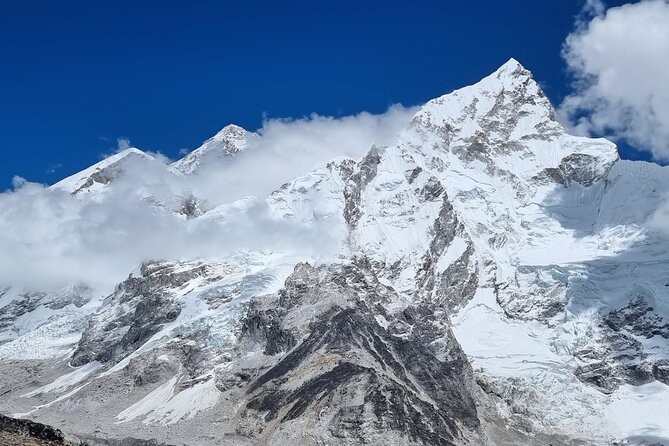
- Kala Patthar sunrise and a full Base Camp visit via Gorakshep
- Staff-to-client support, including a porter ratio of one porter per two clients
- Meals during the trek (14 breakfasts, 11 lunches, 12 dinners) to keep your pacing steady
Kathmandu warm-up: Thamel hotels and a clean start at 6:15am
Your trip begins in Kathmandu with a welcome transfer to your 3-star hotel in the Thamel area. Two possible options are Thamel Eco Resort or The Address Kathmandu Hotel. This matters more than it sounds: being near shops and local eateries makes it easier to handle last-minute needs like warm layers or simple trekking odds and ends.
On Day 1 you arrive at Tribhuvan International Airport, meet the representative, and head to the hotel for an overnight stay. You also get a short item marked as 45 minutes with admission ticket free, which suggests a small add-on early in the trip—use it to get your bearings fast and avoid scrambling later.
The tour is also set up for a morning start, with the meeting point time listed as 6:15am. That’s not just a detail; you’ll feel it in your schedule because the Everest region days start early to match daylight and trekking conditions. If you’re the type who hates rushing, treat your Kathmandu nights as “early-to-bed” nights.
You can also read our reviews of more tours and experiences in Kathmandu.
Flying to Lukla and starting easy: Phakding at 2,640m
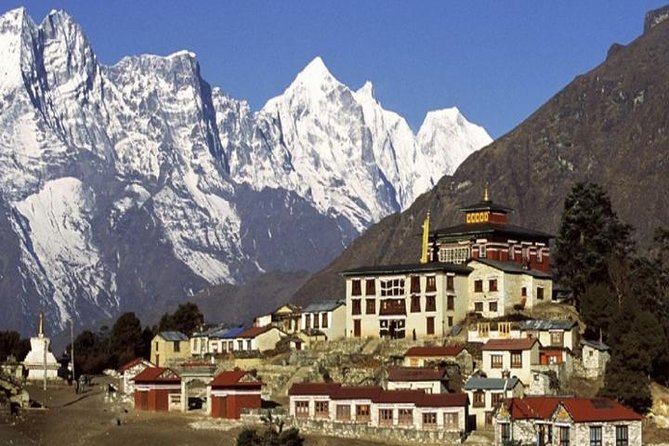
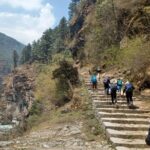
The real trekking begins after you fly from Kathmandu to Lukla (2,886m). Once you land, you refresh at a hotel in Lukla and then begin the trek to Phakding (2,640m). The walk takes about 3 hours and follows the Dudh Koshi river system, with a gentle climb along the left bank.
I like this first day because it’s your body’s transition day. You’re going from city-level living to altitude and routine, and you don’t need a “hero day” right away. You’ll also notice big peaks from near the trail—Nupla is visible across the river—so you start feeling the scale early.
One practical consideration: Lukla flights can be the most stressful moment of the entire trip for people who don’t like small-aircraft flying. The itinerary builds your day around the flight, so if weather delays happen, your guide and team will manage the timing. Going in with patience pays off.
Namche Bazaar acclimatization: Chumoa, Monjo, and big Everest viewpoints
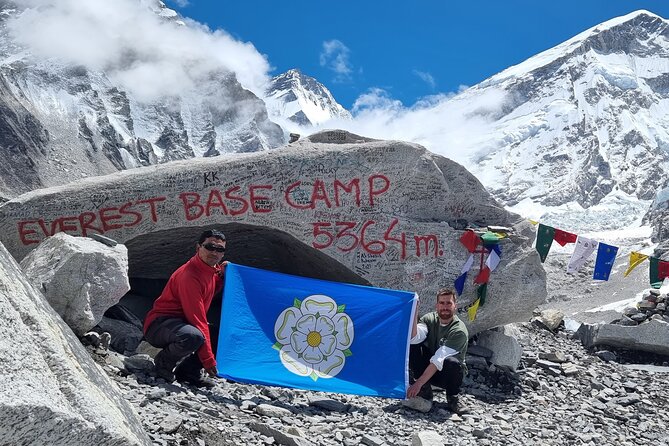
Day 3 climbs toward Namche Bazaar (3,440m), and the route tracks the Dudh Koshi. You’ll pass through a mix of forest trail and village sections, including Monjo and the entry to Sagarmatha National Park, where the park entrance fee is handled in the trip flow.
This day is often where first-time trekkers learn a key rhythm: you can move steadily, but you don’t “hammer” the pace. The trail is described with lots of ups and downs, which is normal in this region. It’s not about speed; it’s about breathing and staying consistent.
On Day 4, you stay in Namche for acclimatization and do extra walks. The itinerary includes a hike up to Khumjung monastery, where you get sweeping views of Everest and neighboring giants like Ama Dablam, Thamserku, Nuptse, Lhotse, and more. You’ll also visit a Sherpa culture museum just above Namche.
This is one of the best parts of the whole trek because it’s where the Everest region stops being only “a route” and becomes a place. You’re higher, you can see farther, and you learn why locals and Sherpa guides treat acclimatization like part of the job, not optional advice.
Tengboche and Tyangboche monastery country: panoramic prayer-stone views
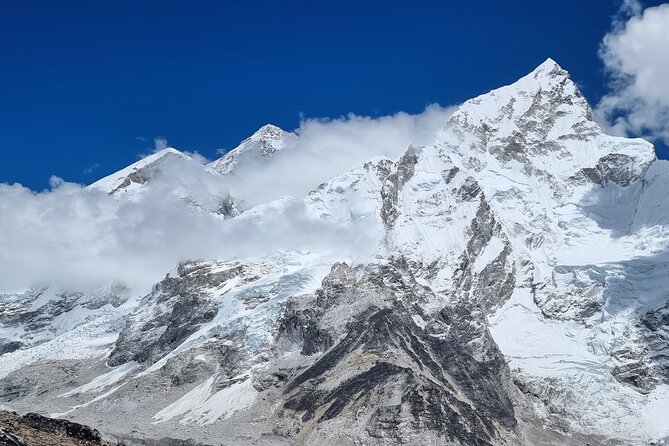
Day 5 takes you from Namche toward Tyangboche / Tengboche (3,867m). The trail drops and rises around steep sections, and you’ll get classic Himalayan panoramas—Ama Dablam, Everest, Lhotse, Nuptse, and Tawoche are called out in the day’s view list.
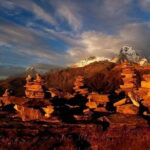
A big highlight is the monastery visit. The day also mentions stops like Trashinga and Phunki Tenga on the way, which fits how these routes often connect scenic terrain with cultural landmarks. After reaching Tengboche, you get time to enjoy a view-focused moment, including noted opportunities for sunrise and sunset over Everest and Ama Dablam.
What’s practical here: this is a strong day for evening goals. If weather cooperates, plan for clear-sky photos and warm clothing. You’re at higher altitude, and monastery areas can get chilly fast once the light changes.
Dingboche at 4,260m: the acclimatization day that saves your legs
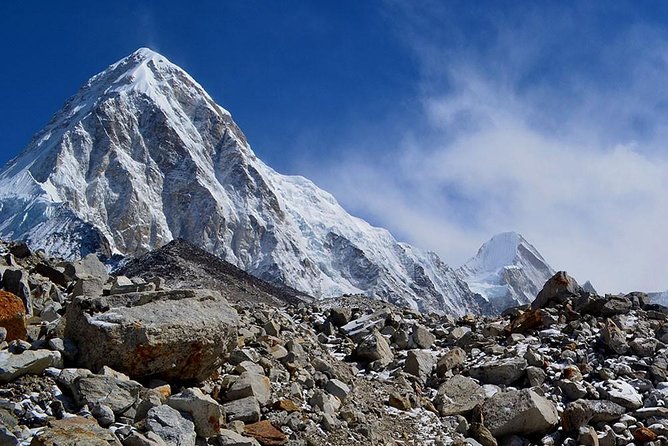
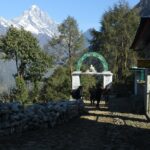
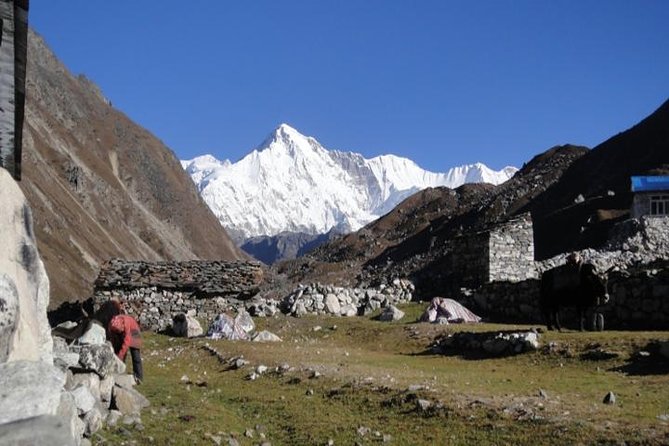
Day 6 continues upward to Dingboche (4,260m). You’ll trek through a rhododendron forest and cross a suspension bridge at Imja Khola. The route then passes through places like Deboche and Minlinggo, and it tracks beneath the big peaks of Ama Dablam, Nuptse, and Lhotse.
Day 7 repeats the altitude strategy: acclimatization in Dingboche, plus a hike up to Chhukum in the afternoon. That side walk is where you practice “go up a bit, come back down” logic without exhausting yourself for the Base Camp push. The view list includes Island Peak, Ama Dablam, Makalu, Tawoche, and others.
I like Dingboche because it gives you breathing room. Even if you feel great on arrival, the point is to let your body adjust while your mind keeps moving forward. You’ll sleep better because you’re not constantly bouncing up after a hard climb.
Lobuche and Gorakshep: rocky terrain toward Everest Base Camp
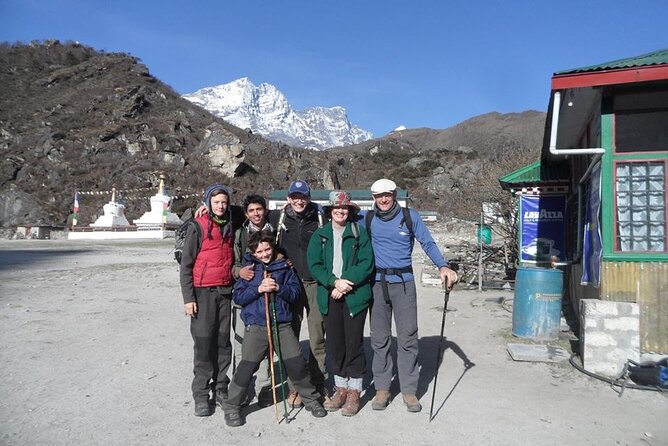
From Dingboche, Day 8 heads toward Lobuche (via the route through Pheriche). The itinerary notes a gentle climb up to Pheriche and then forward hiking to Lobuche, with a lunch stop at Dugla (4,595m). The views keep stacking up: Tawache, Ama Dablam, Pokalde, Kongma-tse, and the “great wall of Nuptse” are all part of what you might spot.
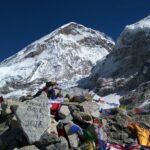
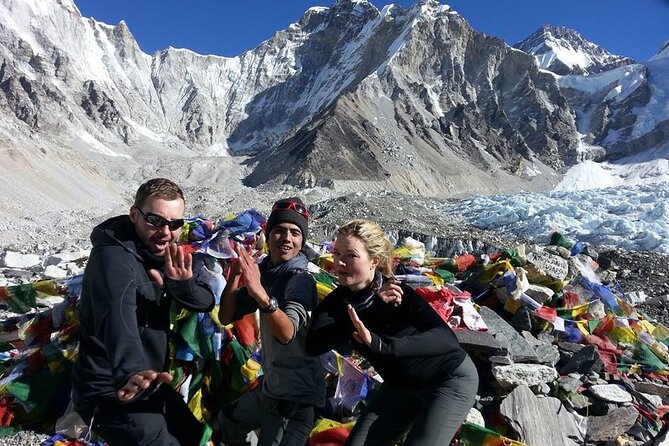
On Day 9, you push from Lobuche to Gorakshep (5,140m) and then make the most important detour of the trip: the walk to Everest Base Camp via the rocky section toward the Khumbu glacier zone. This day is described as the most rewarding section.
I’m glad this is structured the way it is. You’re not “waking up at Base Camp” after a casual day; you build up to Gorakshep first, then you do Base Camp properly. The itinerary calls out a stone-throwing distance feeling for several nearby peaks, which is exactly how it looks in person—tight, sharp views where you realize you’re surrounded by mountains, not looking at them from far away.
Base Camp itself is listed at 17,598 feet (5,364m). That helps you understand what you’re aiming for: not just a landmark, but an altitude checkpoint.
Kala Patthar sunrise and the descent to Pheriche
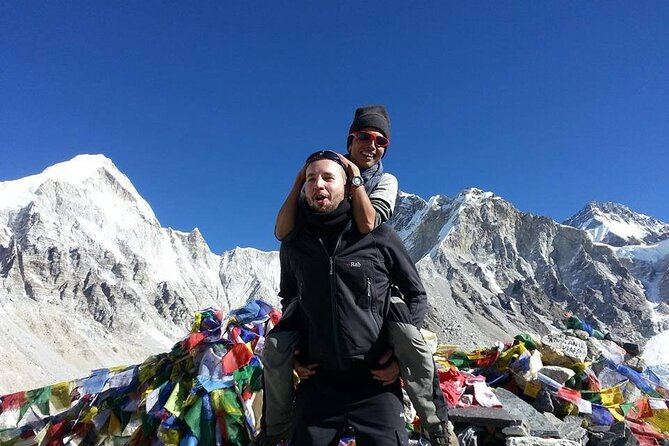
Day 10 is split into two parts: first the trek from Gorakshep area down toward Kala Patthar (5,545m) early in the morning, then the walk to Pheriche (4,243m). The sunrise climb is the big draw. You’ll see Everest and a long list of neighboring peaks like Pumori, Lingtren, Khumbetse, Nuptse, Lhotse, Ama Dablam, Thamserku, and more.
This is also where the itinerary highlights support on the medical side: an Himalayan Rescue Association Aid Post is available at Pheriche, and foreign volunteer doctors provide medical treatment. That doesn’t mean you’ll need it, but it’s a reassuring safety net as you move through the highest-altitude phase.
On Day 10 and later, your legs will feel it. You’ve reached peak walking intensity already, so focus on controlled descents and steady breathing. The best part of the day is knowing you’re working toward spectacular views, then getting back down to recover.
Back through Namche to Lukla: Yeti scalp monastery and last ridge views
Your return isn’t a “trudge only” day. Day 11 heads toward Namche Bazaar (3,440m) and includes visits to traditional Sherpa villages Khumjung and Khunde. The itinerary also mentions a monastery with a Yeti Scalp, which is one of those items that makes Everest stories feel local and weird in the best way.
The walk time is listed around 4.5 hours from the Tyangboche area, but the bigger idea is that you regain more comfortable altitude while still seeing familiar peaks and trail features. Day 11 ends in Namche for the overnight tea house stay.
Day 12 is your final trekking day, returning to Lukla (about 7 hours listed). Lunch is served on the way. Once you arrive, you get time to rest in a tea house/lodge setting before the flight back to Kathmandu.
This part matters if you’re planning your energy. The summit-like satisfaction can trick you into pushing too hard on the way down. Instead, treat the return as recovery with scenery.
Kathmandu again: shopping, temples, and a proper farewell dinner
Day 13 brings the early flight from Lukla to Kathmandu, arriving back at Tribhuvan International Airport. From there you transfer to your hotel, and the afternoon includes shopping time. You also get a farewell dinner at Bhojan Ghar, described as a typical Nepali restaurant.
Day 14 is your “choose your own pace” Kathmandu day. It mentions options like the monkey temple, Patan Durbar Square, Boudhnath Stupa, and Pashupatinath Hindu Temple. Day 15 is a final rest and shopping window before private car drop-off to the airport.
This soft landing is a big deal after high altitude trekking. Kathmandu is busy and full of sensory overload, so having planned time instead of rushing means your body can settle.
Price and logistics: what $1,600 really buys (and what you must cover)
At $1,600 per person, this package is built for people who want a guided, altitude-aware Everest Base Camp trek without handling the big moving parts themselves. A big value piece is that it includes the Kathmandu–Lukla–Kathmandu airfare segment, plus all necessary trekking permits and the airport departure tax in that sector.
You also get accommodation support that’s easy to understand: 3 nights in Kathmandu in a 3-star twin-share room, then tea house lodging during the trek, mostly twin-share with occasional dorm-style rooms. Meals are covered during the trekking days: 14 breakfasts, 11 lunches, and 12 dinners. That’s useful because eating on the trail can turn into a pacing and cost problem when you’re doing it on your own.
What isn’t included is where you need to plan carefully:
- International airfare
- Nepal visa (you can get it upon arrival)
- Travel insurance covering emergency high-altitude rescue and evacuation
- Lunch and dinner in Kathmandu
- Alcoholic and other drinks
- Personal trekking equipment
- Tips for guide and porter (tipping is expected)
Also note: confirmation is received at booking time, pickup is offered, and you’re capped at 15 travelers. For many people, that smaller group size is the difference between a smooth rhythm and constant waiting.
So is it good value? If you compare it to DIY trekking plus flights, permits, and guiding, it often ends up cheaper or at least less stressful. If you already have trekking permits lined up, a guide, and your own flight planning, the price is less “must-have.” But most people who book this are paying to remove risk and confusion.
Who this trek suits best (and who should think twice)
This trip is aimed at travelers with strong physical fitness. The itinerary describes the trek as not very difficult in overall challenge, but the altitude totals are real, and the route includes long walking days plus high points like Kala Patthar.
This trek suits you if:
- you want a structured Everest Base Camp itinerary with acclimatization built in
- you like tea house travel and don’t want to manage camping gear
- you’re comfortable with early starts and daily hiking rhythm
- you want guided support with a porter ratio (one porter per two clients)
Think twice if:
- you’re very sensitive to altitude and you haven’t trained for long days at elevation
- you need medical evacuation coverage and don’t want to arrange it yourself (it’s not included)
- you know you react strongly to flight anxiety, since the Lukla flight is part of the package
Should you book this Everest Base Camp trek?
If your dream is Everest Base Camp without turning the trip into a logistics puzzle, this one makes sense. The schedule’s focus on acclimatization days, the included flight sector to Lukla, and the fact that meals and permits are covered are all practical wins.
My push to you: pick it if you respect altitude, pack smart, and plan your insurance. Also, go into Lukla flights with calm expectations and trust the guide team. If that sounds like your style, you’ll likely come away feeling the full weight of Everest up close, not just checking a box.
FAQ
What are the main starting and ending points for the trek?
The trek starts in Kathmandu, with arrival at Tribhuvan International Airport and transfer to the hotel. It ends back in Kathmandu with flights from Lukla to Kathmandu and a private car drop-off to the airport.
How long is the Everest Base Camp trek?
The itinerary is for 15 days, approximately.
What is the meeting point start time?
The meeting point start time is listed as 6:15am.
Are flights between Kathmandu and Lukla included?
Yes. Airfare for the Kathmandu–Lukla–Kathmandu sector is included, including airport departure tax.
What accommodations should I expect during the trek and in Kathmandu?
In Kathmandu, you get 3-star twin-share accommodation for 3 nights. During the trek, you stay in guesthouses/tea houses, mostly twin-share and occasionally dormitory-style rooms.
Are trekking permits included?
Yes. All necessary trekking permits are included.
Are meals included during the trekking days?
Yes. Breakfast is included for 14 days, lunch for 11 days, and dinner for 12 days. Lunch and dinner in Kathmandu are not included.
Is travel insurance included?
No. Travel insurance is not included, and you’re advised to have coverage for emergency high-altitude rescue and evacuation.
Will I have a guide and porter?
Yes. You get a first-aid trained, government licensed English-speaking trekking guide. You also get 1 porter for every two clients.
Do I need a visa, and is it included?
Nepal visa is not included. The information says you can get it easily upon arrival.
If you want, tell me your hiking pace and whether you’ve trekked at altitude before, and I’ll help you sanity-check if this 15-day schedule fits you.