REVIEW · SA PA
SAPA: 2 DAY TREK MOUNTAIN RICE FIELD WITH LINH’S HOMESTAY
Book on GetYourGuide →Operated by VietNam Venture · Bookable on GetYourGuide
A good Sapa walk starts before sunrise. This 2-day route links big views from Dragon Mountain with real village trails, then finishes at Lala’s homestay for a night that feels more like community than tourism. You get a moderate 19 km trek through Sapa’s Black Hmong and Red Dao areas, with meals and local guidance that keep the day moving.
What I like most is the focus on people, not just photos: you walk into villages such as Mong Du / Hang Da and later Giang Ta Chai, with time to see how daily life works on the trail. I also like the simple “do it together” homestay part, including the karaoke session and a chance to try local happy water with your hosts.
One drawback to plan for: this is not a resort. Expect steep, uneven paths and a basic homestay setup, plus the note that you may need an additional payment at the end for the full experience.
In This Review
- Quick takeaways before you go
- Transport From Hanoi: Sleeper Bus, Early Arrival, and Shower Time
- Day 1: From Sapa Stone Church Up Dragon Mountain and Into Hau Thao
- Dragon Mountain and the “eyes over Sapa” part
- Black Hmong villages: Mong Du and Hang Da
- The secret sky viewpoint and then Hau Thao at sunset
- Hau Thao Night at Lala’s Homestay: Happy Water and Karaoke With Your Hosts
- Day 2: Ta Van Rice Terraces, Ban Pho, a Hanging Bridge, and Giang Ta Chai
- Ta Van and classic rice-terrace views
- Ban Pho, a hanging bridge, and forest paths
- Red Dao village time at Giang Ta Chai
- Hidden waterfall break
- Ending back in Sapa on time
- Price and Value: Why This Feels Like a Bargain (and What to Confirm)
- What Makes the Route Special (and Where It’s Tough)
- What to Pack for 2 Days of Rice Terraces and Mud-Ready Trails
- Who This Trek Suits Best (and Who Should Think Twice)
- Should You Book This 2-Day Sapa Trek With Linh and Lala?
- FAQ
- Where is the meeting point for the trek?
- How long is the trek and how much walking is involved?
- What are the main highlights on day 1?
- What happens at the homestay night?
- Is the bus from Hanoi included, and when does it leave?
- What’s included versus not included?
Quick takeaways before you go
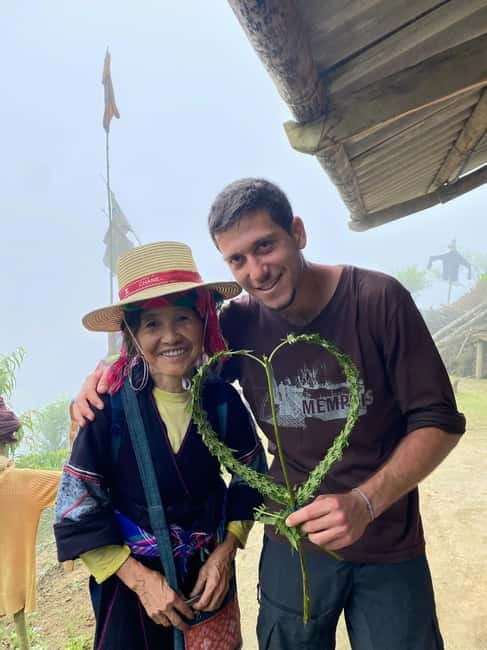
- Small group (up to 16)** keeps it manageable on narrow trails.
- 19 km over two days means moderate effort, not a casual stroll.
- Dragon Mountain views at about 1,900 m** give you a clear sense of Sapa’s valleys and ridges.
- Lala’s homestay** includes karaoke and happy water, plus time to eat and chat with your hosts.
- A hidden waterfall stop gives you a practical break from walking, especially in warmer months.
Transport From Hanoi: Sleeper Bus, Early Arrival, and Shower Time
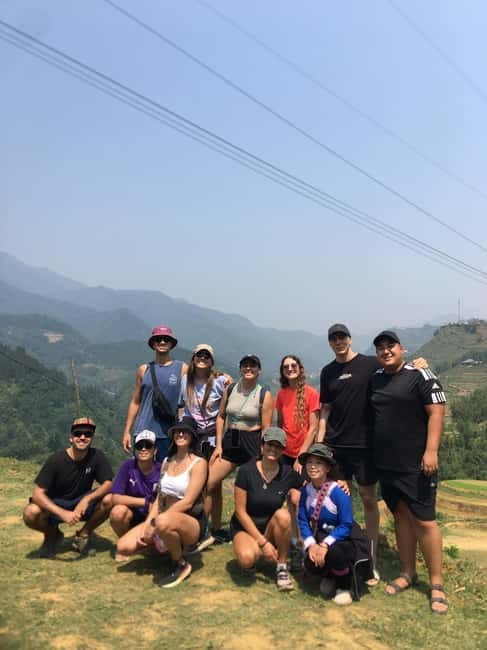
This trip is built around an overnight sleeper bus, which is one of the best ways to save a day. You leave Hanoi at 10:30 PM and typically arrive in Sapa around 6:00 AM, so your trek starts with daylight and better weather odds.
The bus office in Hanoi is at 78 Trần Nhật Duật, and it’s useful to know you can store luggage there and use a shower service. That matters because you’ll likely arrive before you feel human, and you don’t want to start a trek dragging wet clothes and jet-lag fatigue.
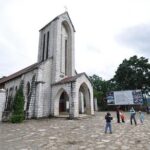
Once you’re in Sapa, you’ll drop your bag at the office, refresh, then head to the church meeting point to start the walk. The meeting place is the Stone Church in the town center (Sapa Holy Rosary Church area), and your guide will be easy to spot with a sign reading Sapa Trekking Tour and a traditional scarf.
You can also read our reviews of more tours and experiences in Sa Pa.
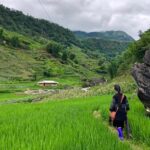
Day 1: From Sapa Stone Church Up Dragon Mountain and Into Hau Thao
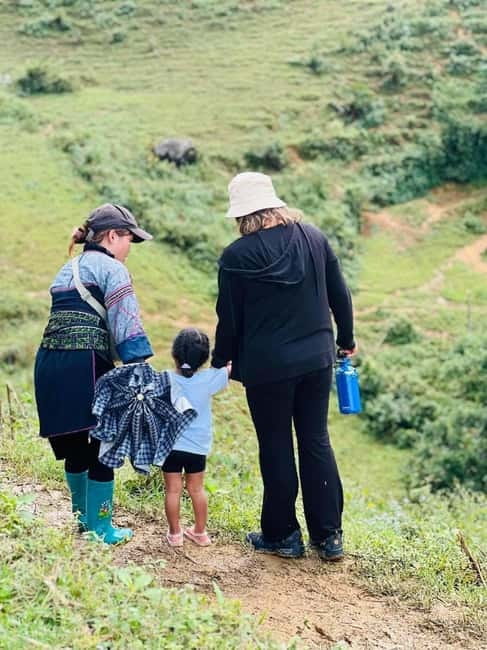
Your day starts at 9:00 AM from the Stone Church meeting point. This is a smart start time because you’re walking before heat builds, and you still have time to climb, explore, eat, and reach your homestay by sunset.
Dragon Mountain and the “eyes over Sapa” part
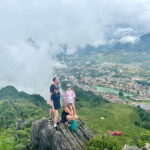
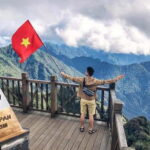
Early on, you climb Dragon Mountain (about 1,900 m). Even if you don’t catch perfect visibility, you’ll get those classic ridge-and-valley views that make Sapa feel like a different world. Expect cold in the higher areas when fog rolls in, and wear layers you can peel off later.
You also get photo stops along the route, including Dragon Jaw and Bản Hang Đá. These stops are there for a reason: they break up the climb and give you quick orientation points, so the day doesn’t feel like one long uphill grind.
Black Hmong villages: Mong Du and Hang Da
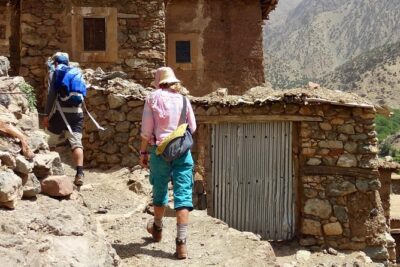
After the first viewpoint push, the walk shifts into village trails in the Black Hmong areas, including Mong Du and Hang Da. This is where the trek starts to feel cultural in a practical way: you’re not just passing through. You’re moving at a human pace through the areas where farming and daily routines shape the scenery.
Lunch is freshly cooked in a village. That detail is more valuable than it sounds because it keeps you fueled for the second half of the day, when you’re still walking and later you need energy for the homestay evening.
The secret sky viewpoint and then Hau Thao at sunset
You’ll continue toward a sky-viewpoint and then move onward toward Hau Thao village as the light fades. The schedule is built around a real finish: you arrive as conditions become more comfortable for people-watching, resting, and learning from your hosts.
When the tour ends day one, you settle into the homestay and shift from “hike mode” to “family time.” This is also when you’ll hear stories, learn simple techniques for traditional cooking, and get time to reset for day two.

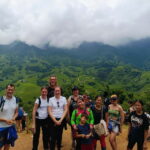

Hau Thao Night at Lala’s Homestay: Happy Water and Karaoke With Your Hosts
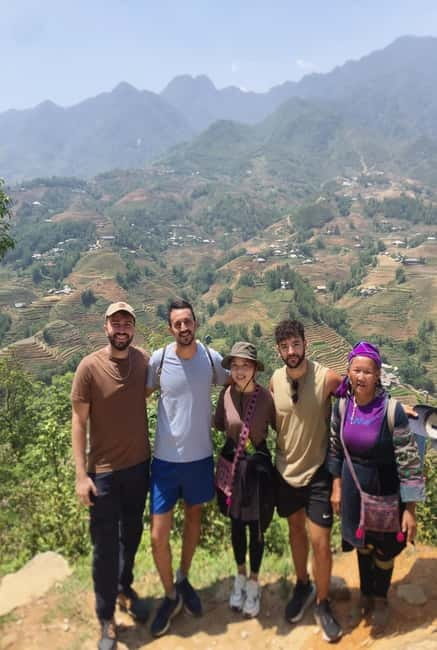
The overnight stop is 1 night at Lala’s authentic homestay, in a peaceful forest setting. The homestay is described as simple and cozy with basic facilities, so set expectations accordingly.
What makes the night worth it is the social part. You share meals (included), hear from the people who live the routine every day, and then there’s an evening program that includes karaoke and happy water, the local rice wine. Even if you’re not a singer, it’s a fun way to break the distance between your “tour timeline” and their real nighttime rhythm.
A small but important detail: there’s usually time built in for you to actually hang out rather than just “arrive, eat, sleep.” That’s why people often remember this night more than the view itself. It’s one thing to look at terraced fields; it’s another to sit where your hosts live, cook, and laugh.
If you’re the type who likes quiet, this can be slightly energetic depending on your group and host mood. Either way, it’s not hard to opt for a calmer corner and still enjoy the atmosphere.
Day 2: Ta Van Rice Terraces, Ban Pho, a Hanging Bridge, and Giang Ta Chai
Day two starts with breakfast and an early continuation of the trail. You’ll wake to birdsong and mist drifting through the valley, then you’re out again before the day turns too hot.
Ta Van and classic rice-terrace views
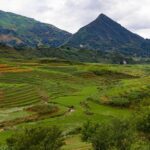
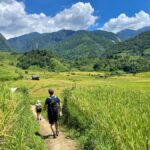
You’ll trek through Ta Van, which is known for iconic rice terrace views in the Sapa area. This is the day’s “showtime” for scenery, especially when morning light catches the terraces and you can see how water and slopes shape everything.
Even when visibility is limited, the terraces still read well. You’ll understand where the paths lead and why locals farm in this stepped way, rather than just snapping pictures for the album.
Ban Pho, a hanging bridge, and forest paths
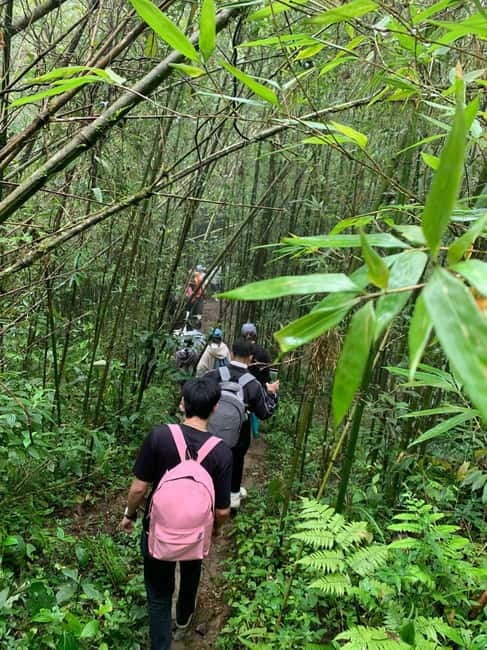
You pass Ban Pho village, cross a hanging bridge, and then head onto forested paths leading toward Giang Ta Chai. The bridge is a nice change of pace because it breaks up the walking and gives your legs a moment to reset.
Along the trail, you’ll also notice how quickly conditions can change. Paths can get slick in the wet months, and the best prep is simple: shoes with grip and the kind of socks that don’t slide down after a long day.
Red Dao village time at Giang Ta Chai
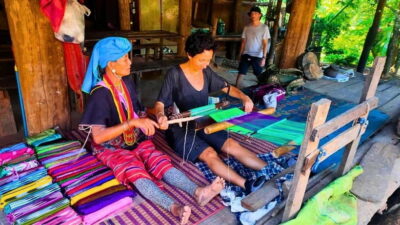
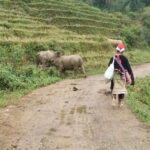
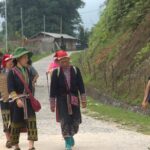
When you reach Giang Ta Chai, you’re in Red Dao territory. This village stop is your cultural capstone: you see another community’s way of life and you finish the trek with one last village meal.
Hidden waterfall break
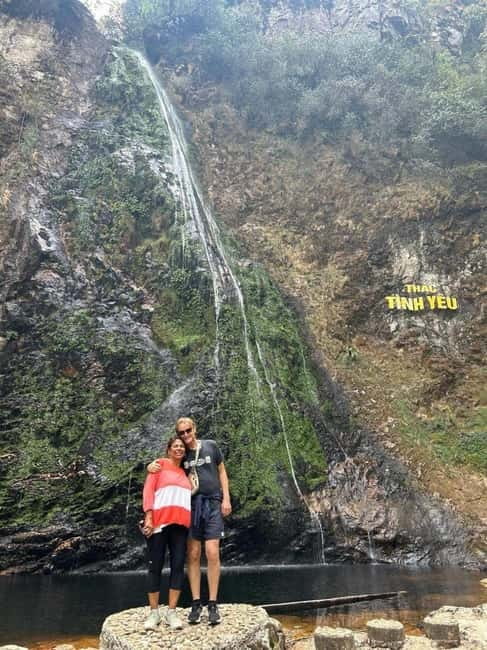
There’s also a stop at a hidden waterfall, described as a great place for a cool dip in summer heat. If it’s warm, this is your “reward for moving” moment. If it’s cooler or wet, treat it as a refreshing stop for photos and a short break—don’t count on it as a swim situation unless conditions feel safe.
Ending back in Sapa on time
By late morning and early afternoon, you’re working your way back. You’ll head to Sapa town around 2:00–3:00 PM, then you’re transferred back to Sapa town to connect with your onward plans.
This timing is actually practical. It gives you an afternoon buffer, so you’re not forced into rushed check-ins or late-night logistics right after hiking.
Price and Value: Why This Feels Like a Bargain (and What to Confirm)
The listed price is $2.61 per person, but there’s also a clear note that you may need an additional payment of 800,000 VND after completing the tour. That extra amount is said to cover meals, accommodation, entrance tickets, and guide services for the full experience.
So here’s the practical way to treat value:
- If that 800,000 VND is part of your actual total, then your “true cost” is higher than the headline price.
- If your payment is handled differently, you’ll want the operator to clarify exactly what’s included in your booking price versus what’s paid at the end.
Either way, you’re paying for real local labor: a guide (Linh), village trekking fees, time with a homestay family, and meals across both days. That’s where the money goes. This is a budget-friendly tour mainly because you’re not buying luxury facilities—you’re buying access to people, trails, and village meals.
Also consider what you get beyond “a hike.” You get a guide who speaks English, a small group size, and a homestay night with karaoke and happy water. Those are hard to replicate on your own without time, language, and transport planning.
What Makes the Route Special (and Where It’s Tough)
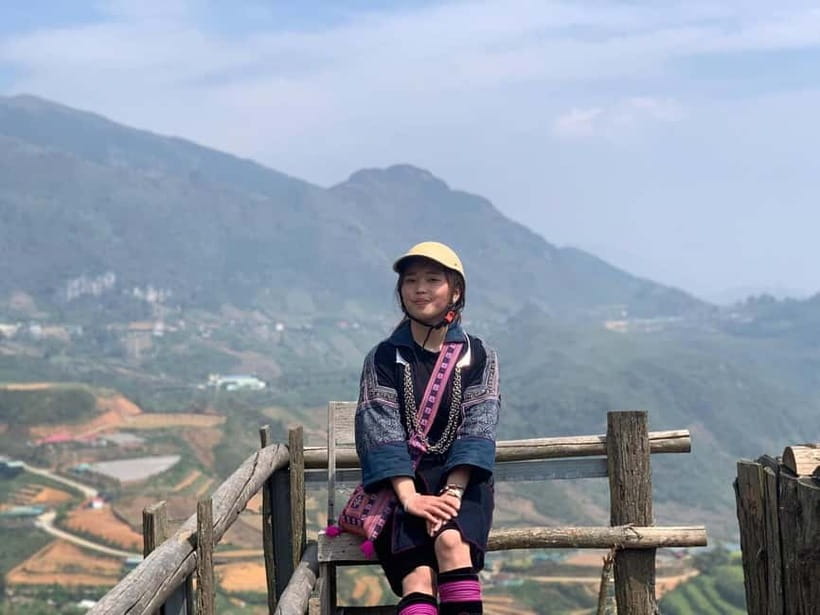
This trek balances big view moments with smaller village experiences. The climb to Dragon Mountain gives you perspective fast, then you move into village areas for the slower, more human pace. On day two, rice terrace views plus a hanging bridge plus Giang Ta Chai makes the route feel varied without changing regions every hour.
The “tough part” is mostly mechanical:
- Steep and uneven terrain across 19 km
- A pace that expects you to keep moving, even in cooler mist or wet weather
- Long enough days that you’ll feel it in your legs by evening
If you can hike comfortably on uneven paths and don’t mind changing weather, you’ll be fine. If you hate heights, slipping surfaces, or long days without seats, you’ll likely feel it more than you want.
What to Pack for 2 Days of Rice Terraces and Mud-Ready Trails
Bring practical gear that handles rain and uneven ground. This tour explicitly asks for a light raincoat or jacket, plus comfortable shoes and a change of clothes for the evening.
Here’s a packing list based on what you’ll actually need:
- Good trekking shoes (grip matters on muddy sections)
- Light rain protection (fog and mist can change comfort fast)
- Sunscreen, hat, and sunglasses (even in cooler weather)
- Mosquito repellent for the homestay night
- A spare set of clothes for when you’re sweaty and done hiking
For day two, you’ll also appreciate extra layers. The morning mist can feel cold, and higher viewpoints can be cooler than you expect.
Who This Trek Suits Best (and Who Should Think Twice)
This experience fits best if you want:
- Authentic village time with guides and homestay hosts
- Views that come from hiking, not from bus stops
- A culture-and-meals style trip that ends with karaoke and happy water
It’s a strong match for active couples, small friend groups, and solo hikers who like meeting people in a group setting (up to 16 participants).
Think twice if you need:
- Resort-level comfort (the homestay is basic)
- A very easy walking day (it’s moderate with uneven terrain)
- No chance of damp conditions (fog and mud can happen, especially in off-dry stretches)
Also, it’s not suitable for babies under 1 year, and there’s guidance that children under 4 are free if informed in advance. People over 95 are not suitable, based on the tour’s stated limits.
Should You Book This 2-Day Sapa Trek With Linh and Lala?
I’d book it if your idea of a great Sapa trip includes real village trails, rice terrace views that you earn on foot, and a homestay night with hands-on local hospitality. The mix of viewpoints, village walking, and an evening with Linh and Lala’s family energy makes the trip feel grounded rather than staged.
I’d hold off or choose carefully if you’re sensitive to basic facilities or you’re not comfortable with steep, uneven paths across 19 km. Also, before you go, confirm how your total payment works because the extra 800,000 VND note can change what “good value” means for you.
If you’re ready for a moderate trek and you want Sapa that feels lived-in, this one is a solid bet.
FAQ
Where is the meeting point for the trek?
You meet near the Stone Church in Sapa Town Center (Sapa Holy Rosary Church). Arrive at least 15 minutes early, and look for your guide holding a sign that reads Sapa Trekking Tour.
How long is the trek and how much walking is involved?
It’s a 2-day trip with 1 night in a homestay, covering about 19 km total. The difficulty is listed as moderate, with steep and uneven terrain.
What are the main highlights on day 1?
Day 1 starts in Sapa, climbs Dragon Mountain for panoramic views, walks through village areas, has a village lunch, and ends in Hau Thao village at sunset for the homestay evening.
What happens at the homestay night?
You stay 1 night at Lala’s homestay. The included evening experience includes a karaoke session and the chance to try local happy water, plus time with your hosts for stories and traditional cooking.
Is the bus from Hanoi included, and when does it leave?
The tour can help arrange a sleeper bus from Hanoi, departing at 10:30 PM and arriving in Sapa around 6:00 AM.
What’s included versus not included?
Included items include an experienced guide (Linh), trekking fees/entrance to villages, the 1-night homestay, local experiences (karaoke and happy water), transport back to Sapa Town at the end, and meals. Drinks, personal travel insurance, and personal expenses are not included.