REVIEW · POKHARA
4-Days Amazing Short Trekking of Pokhara Valley
Book on Viator →Operated by Nepal Mountain Club Pvt Ltd · Bookable on Viator
Sunrise at Poon Hill feels unreal, and this trek is built for it. You’ll start from Pokhara, hike classic Annapurna routes, and reach Poon Hill for early views of major peaks like Dhaulagiri and Annapurna I. Two things I really like: the group cap of 15 (it stays personal) and the way the plan balances walking with included vehicle transfers.
One thing to think through: you’ll hike steeper sections and you’ll need an early morning on Day 3. If you’re not into cold starts and uphill grinds, this may feel more demanding than a casual stroll.
In This Review
- Key things that make this trek worth your attention
- Pokhara pickup to Nayapul: start with views, not hassles
- Ulleri and Banthanti: uphill effort with real mountain payoffs
- Poon Hill at dawn: the sunrise climb you’ll remember
- Ghandruk and the Old Gurung Museum: culture before the final downhill
- Private guiding plus a 15-person cap: the real comfort value
- Price and what you really get for $260
- Weather, altitude, and packing: how to make this trek easier
- Should you book this 4-day Poon Hill trek?
- FAQ
- What time does the trek start in Pokhara?
- How long is the trekking experience?
- How much does the tour cost?
- Is this a small-group trek?
- Does the tour include hotel pickup and drop-off?
- Are meals included?
- Are admission tickets included?
- Does the package include transport?
- What’s the cancellation policy?
Key things that make this trek worth your attention
- 15 people max keeps the pace manageable and the guide’s attention close
- Private guide means you’re not guessing routes or logistics on your own
- Vehicle transfers included when you’re not hiking, so you lose less time
- Poon Hill sunrise climb gives you Himalayan views without needing a full-blown trek
- Villages + rhododendron forests mix culture and scenery instead of only viewpoints
- Hotel pickup and drop-off in Pokhara makes the trip feel smooth from day one
Pokhara pickup to Nayapul: start with views, not hassles
Your day begins with a hotel lobby meet-up in Pokhara around the morning start time, then a drive toward Nayapul. This is a smart way to start because you’re not wasting your first hours figuring out local transport. You also get scenic highway time over the Pokhara valley and toward the Himalayan range, which sets the mood fast.
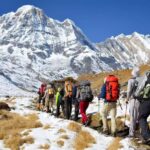
Once you reach the trailhead area, you’ll shift gears from vehicle comfort to trekking rhythm. The first day is essentially your transition day: you’re getting positioned for the Annapurna foothills trek, not trying to conquer altitude immediately. It’s also where the guide’s job matters—timing, group spacing, and moving everyone as one unit.
Possible drawback to keep in mind: if you’re prone to motion sickness, a long scenic drive can still be bumpy. Bring what you need. And since the tour operates in all weather, the road and the trail can both feel different if clouds roll in or rain starts.
You can also read our reviews of more tours and experiences in Pokhara.
Ulleri and Banthanti: uphill effort with real mountain payoffs
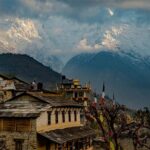
Day 2 is where the trek starts to feel like trekking. You’ll walk for about 2 hours toward Ulleri at around 2070m, then continue through village areas such as Banthanti, which is associated with the Magar community. This matters because the route isn’t only about views. You’re moving through inhabited places where daily life shapes the trail.
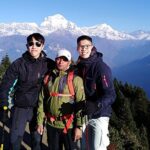
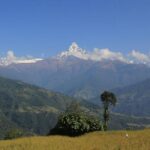
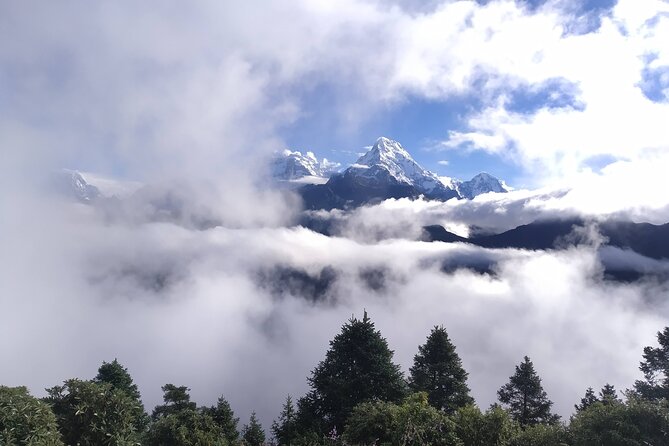
You’ll also get some standout perspective on big peaks along the way. From the Banthanti area, it’s possible to see Machhapuchhre (Fishtail), Hiunchuli, and other Annapurna-region summits. Even if the mountains look hazy at first, a clear spell can open up impressive sightlines.
There’s also a short stop at the Ghorepani Community hospital. That adds a different angle to the trek. It’s not just postcard hiking—you’re reminded that these routes are part of a living landscape, and local services matter to the communities and to trekkers passing through.
What I’d watch for: Day 2 has you on your feet for roughly 6 hours. It’s not a race, but it is a full trekking day. If you want to protect your energy for the early sunrise climb on Day 3, pace yourself and don’t treat the first hills like a warm-up for something tougher.
Poon Hill at dawn: the sunrise climb you’ll remember
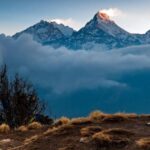
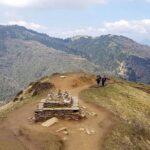
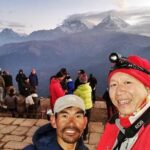
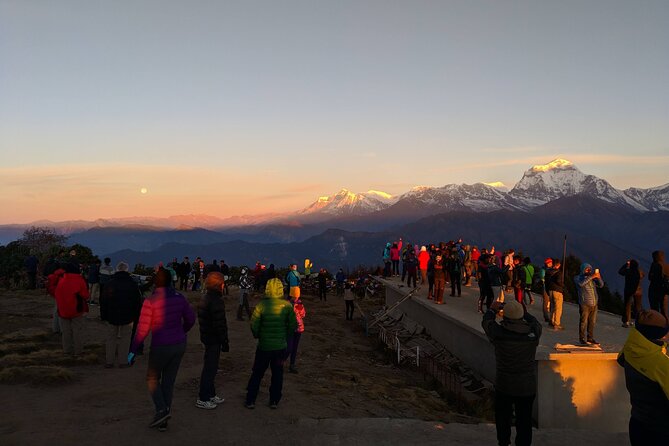
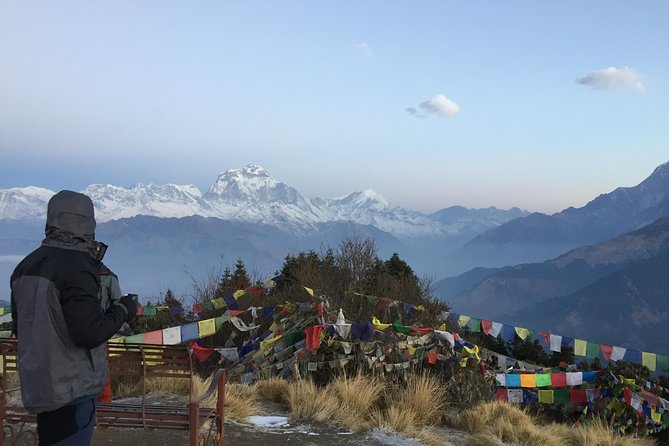
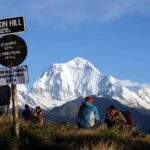
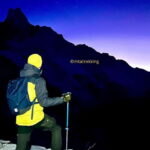
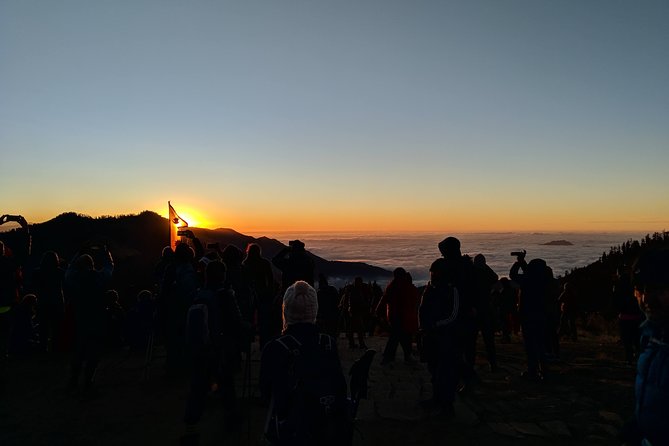
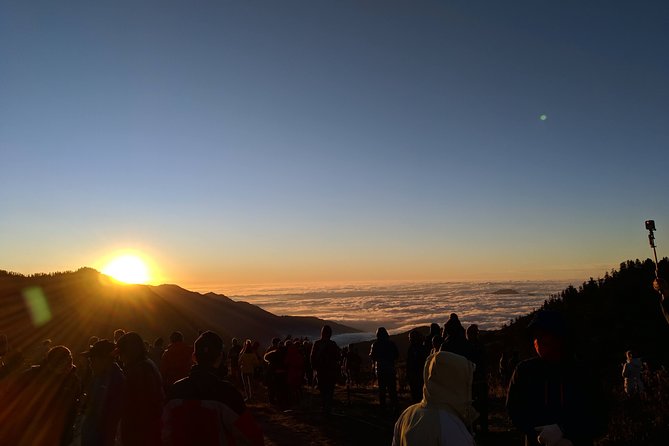
Day 3 is the reason many people sign up. You’ll get up very early and make your way to Poon Hill. The climb from the starting/base point to the viewpoint takes about an hour, and you reach the viewpoint at roughly 3210m.
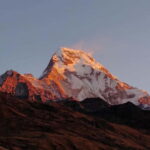
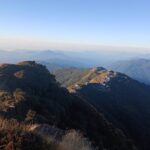
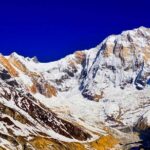
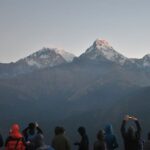
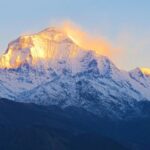
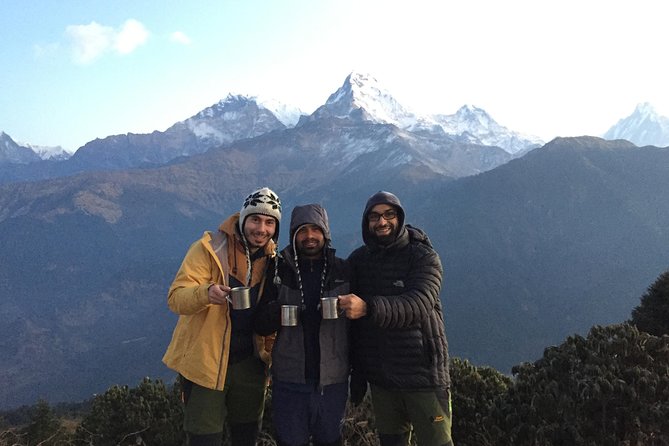
At the top, the payoff is straightforward: panoramic sunrise views across famous peaks. The highlight peaks mentioned for the sunrise view include Dhaulagiri (8167m) and Annapurna I (8091m). Even when weather isn’t perfect, morning light can still create dramatic contrast on the ridgelines. And on a clear morning, this is the kind of moment that makes you forget your sore calves.
This is also where your guide helps most. Early starts need coordination—getting the group moving, timing the climb, and managing the “everyone wants the best photo” chaos without losing the sunrise window.
The one cost-related detail to plan for: the Poon Hill viewpoint admission ticket is not included, so expect an extra small fee on top of the tour price. Also, bring layers. Even when the day looks sunny below, it can feel cold near the summit before sunrise.
Ghandruk and the Old Gurung Museum: culture before the final downhill
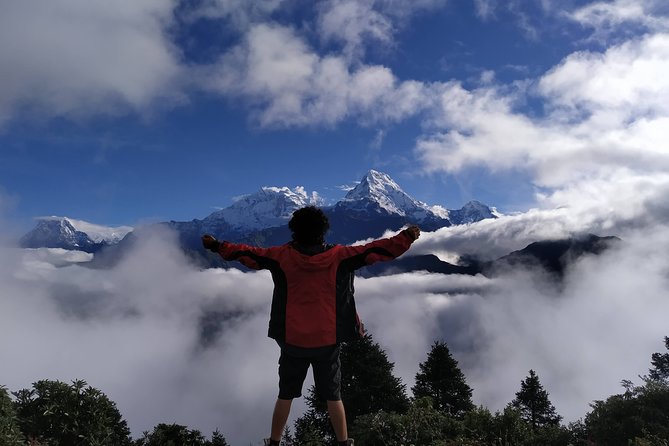
Day 4 shifts from peak-chasing to softer, finishing-the-story trekking. You’ll make your way from Ghandruk and head lower down via a scenic route that keeps mountain views in play. You’re looking at Annapurna South, Hiunchuli, Fishtail, and Gangapurna as you descend.
There’s also time connected to the Old Gurung Museum. That stop is brief, but it’s an important pause. Trekking can blur into a routine of climb, rest, eat, repeat. A cultural stop helps you understand the human side of the region and why these trails exist beyond scenery.
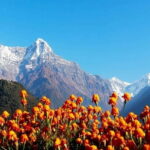
Then comes a classic spring-season feature if your timing lines up: you’ll pass through a forest of blooming rhododendron, which changes the feel of the trek from rocky and open to fragrant, colorful, and shaded. Finally, you reach Birethanti, which sets you up for the end of your hiking days and the return direction toward Pokhara.
The main consideration here: you’ll still be walking on Day 4, and downhill can be rough on knees and ankles. Take it slow. Trekking poles can help, but even without them, careful foot placement makes the difference between feeling fine at the end and hobbling for a day.
Private guiding plus a 15-person cap: the real comfort value
This trek isn’t a huge group cattle call. The group is capped at 15 people, which is a sweet spot. You still meet fellow travelers, but you don’t feel lost in a crowd. That matters for pace, especially on steeper stretches like Day 2.
Having a professional guide also changes the quality of the experience. A good guide isn’t just pointing at the trail. They keep the group together, manage rest stops, and help you make smart choices when weather shifts. Since the tour operates in all weather conditions, you’ll want someone who can keep the trek safe and moving even when visibility drops.
Logistics are handled too: hotel pickup and drop-off in Pokhara, plus private vehicle transfers during the non-walking parts. That’s not a small detail. It means less waiting, fewer transfers, and a smoother day-to-day rhythm, so you can focus on the actual trek instead of negotiating transportation.
And because it’s set up as a private tour/activity for your group, your experience stays contained to the people in your party rather than mixing with random day hikers.
Price and what you really get for $260
At $260 per person for about four days, the big question is whether the price matches the value you’ll feel on the ground.
Here’s what’s included:
- accommodation as per the itinerary
- all taxes/fees/handling charges
- a professional guide
- hotel pickup and drop-off
- private vehicle transport when you’re not hiking
- private tour setup
And what’s not included:
- food and drinks (available for purchase)
- rescue cost in an emergency
- Poon Hill admission ticket (not included)
- Old Gurung Museum admission ticket (not included)
So you’re paying for real-world support: guide time, transport, and lodging coordination. You’re not paying extra for every tiny thing, but you also aren’t being handed a full meal package. If you’re the type who likes to eat simply and budget on the trail, you’ll likely feel good about the structure. If you want all meals included and predictable spending each day, you may need to plan for extra purchases.
One more value signal: people are generally happy with the hotels chosen and the overall experience quality. Even when weather shifts, good lodging can make the difference between a trek that feels like a chore and one that feels like a trip you’ll brag about later.
Weather, altitude, and packing: how to make this trek easier
This trek runs in all weather conditions, so you need to dress for changeable mountain days. You’ll climb to around 2070m on Day 2 and reach about 3210m at Poon Hill on Day 3. That doesn’t automatically mean “danger,” but it does mean mornings can feel colder and the air can feel thinner than you’re used to in Pokhara.
Bring seasonal clothing and plan layers. Even if the valley weather looks mild, the summit area can be chilly before sunrise. A rain layer helps too, because weather can turn quickly at altitude.
Also, aim for moderate physical fitness. This is a trekking excursion, not a flat walk. You should be comfortable with steep uphill sections and walking for several hours per day. If you can do a steady hike on uneven ground at home, you’re probably set.
Practical tip: keep your “quick grab” items accessible. On early morning hikes, you don’t want your whole bag half-unpacked every time the temperature drops.
Should you book this 4-day Poon Hill trek?
Book it if you want a high-impact Annapurna intro: a classic sunrise viewpoint, village trekking, and mountain views without committing to a longer multi-week route. The small group and private guide make it feel smoother than many group tours, and the included transfers help you spend your time walking, not stuck in transit.
Don’t book it (or adjust your expectations) if you hate early mornings or you’re looking for a very easy, low-effort hike. Day 3 starts before sunrise, and Day 2 includes steep walking for hours. Also consider that food isn’t included, and you’ll likely pay for the Poon Hill and Old Gurung Museum admission fees when relevant.
If you match the fitness level and you’re okay with basic extra spending for meals and viewpoint access, this is a solid value way to experience the Annapurna region from Pokhara.
FAQ
What time does the trek start in Pokhara?
The start time is listed as 8:30 am, with hotel pickup and meeting in the morning.
How long is the trekking experience?
It’s listed as 4 days (approx.).
How much does the tour cost?
The price is $260.00 per person.
Is this a small-group trek?
Yes. The group is capped at 15 people, and it’s set up as a private tour for your group.
Does the tour include hotel pickup and drop-off?
Yes. Hotel pickup and drop-off in Pokhara are included.
Are meals included?
No. Food and drinks are not included, but they’re available for purchase.
Are admission tickets included?
Poon Hill admission is not included, and Old Gurung Museum admission is also not included. Other listed admission tickets are shown as free.
Does the package include transport?
Yes. You get transport by private vehicle when you’re not walking.
What’s the cancellation policy?
Free cancellation is available. You can cancel up to 24 hours in advance for a full refund. If you cancel less than 24 hours before the start time, the amount paid isn’t refunded.