REVIEW · POKHARA
Annapurna Base Camp Trek from Pokhara
Book on Viator →Operated by Arpan Nepal · Bookable on Viator
Annapurna Base Camp starts with small victories.
This is a classic Pokhara-to-Himalayas trek that strings together natural forests, a suspension bridge, rural villages, and real local culture on the way up. You’ll spend about 8 days moving between trailheads and guest-house nights, with views that get stronger as the altitude climbs.
I especially like the way the route threads through Ghandruk and Chhomrong, so you’re not just hiking through scenery, you’re walking through mountain community life. The trek also has an English-speaking trekking guide, plus your permits and transfers are handled, which keeps your brain focused on the trail.
One drawback to plan for: altitude to 4130m means you need solid fitness and smart pacing, and meals aren’t included, so budget extra for food along the way.
In This Review
- Key things to know before you go
- From Pokhara out to the trail: transfers that keep the day sane
- Ghandruk and Chhomrong: where the Annapurna vibe feels most real
- Sinuwa and Deurali: forests, suspension bridges, and the steady grind
- Up to MBC and Annapurna Base Camp (3730m to 4130m)
- Bamboo and Jhinu Danda: recovery through descent and hot-spring relief
- Price and logistics: what $335 really covers (and what you’ll pay extra)
- Who this trek fits best (and who should think twice)
- Should you book this Annapurna Base Camp trek from Pokhara?
- FAQ
- How long is the Annapurna Base Camp trek from Pokhara?
- Where does the trek start and end?
- Does the price include pickup and drop-off?
- Are permits included?
- Is accommodation included during the trek?
- Are meals included in the trek price?
- What is the cancellation policy?
Key things to know before you go
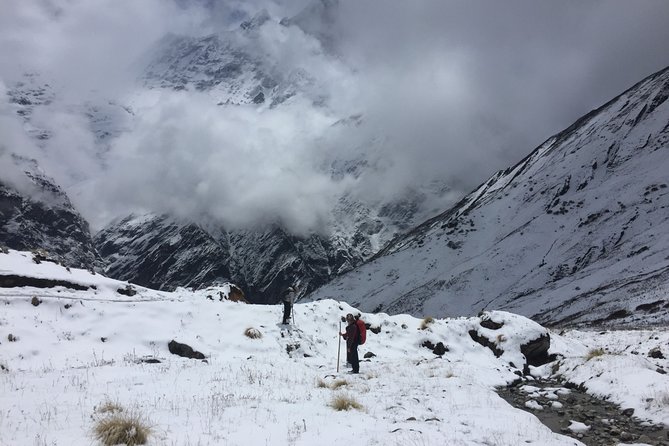
- Guest-house nights included mean you only need to think about the hike and your essentials
- English-speaking trekking guide who helps you stay oriented and comfortable on route
- TIMS card and trekking permits included, so you avoid last-minute paperwork stress
- A real village-to-village rhythm through spots like Ghandruk, Chhomrong, and Sinuwa
- Big altitude payoff with a target point around 4130 meters at Annapurna Base Camp
- Hot spring finish option at Jhinu Danda to loosen up after the descent
From Pokhara out to the trail: transfers that keep the day sane
Pokhara is where you want your logistics to be simple. With this trek, you get hotel pickup and drop-off, and the private vehicle transfer handles the main jump between Pokhara and the trail start at Nayapul, then back again at the end. That means less time hunting for rides and more time preparing for the hike.
You’ll also receive a mobile ticket, which is one less thing to misplace. And since it’s a private trip, you’re not mixing into a chaotic crowd where you spend half your day trying to find each other.
Practical note: private transfers help most on travel days. They also reduce stress if you’re arriving in Pokhara the same day you start trekking.
You can also read our reviews of more tours and experiences in Pokhara.
Ghandruk and Chhomrong: where the Annapurna vibe feels most real
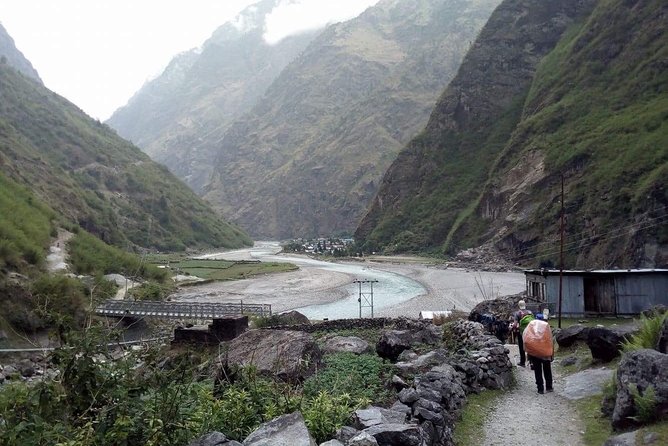
Your trek begins with a drive to Nayapul, then you walk into the village world around Ghandruk. This is a great early stop because it gives you a feel for the local rhythm—houses, paths, and daily life right alongside mountain views. It’s also a nice way to ease into the trek before altitude turns the trail into hard work.
From there, you move toward Chhomrong, which is one of those names you hear again and again when people talk Annapurna. Expect a longer walking day (around 6 hours in the schedule), and expect the trail to start asking for steadier effort. The payoff is that you’re not just collecting photos—you’re walking through a settlement that looks and feels like it’s been here forever.
Why I like this part for you: these villages build confidence. You learn how the trail feels underfoot, how to manage your breaks, and how your body reacts before higher passes and bigger elevation gains.
Sinuwa and Deurali: forests, suspension bridges, and the steady grind
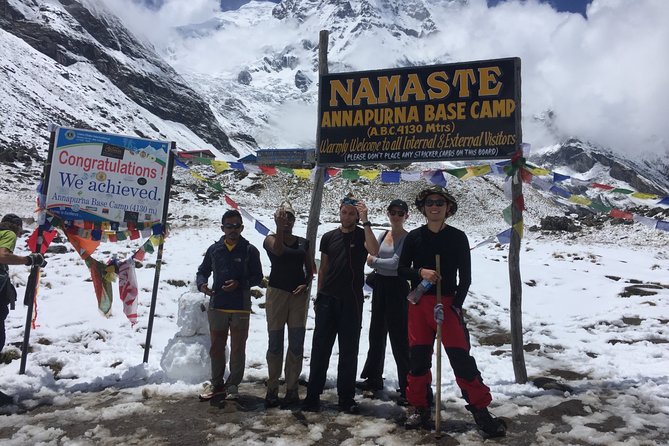
After the early villages, the trek pushes into more “Himalaya in motion” territory: forest trails, bridge crossings, and quieter stretches that feel more remote. The route is designed to keep you moving through varied settings rather than one long ribbon of sameness.
When you reach Sinuwa, it’s a transition day. You’ll hike through rural paths and natural areas that make the journey feel grounded. Then Deurali becomes your next stepping stone. This is where the climb starts to feel serious, not just scenic.
The suspension bridge feature matters here. Bridge crossings are memorable because they break up the walking with a quick surge of adrenaline and a change in scenery. They also remind you that these trails weren’t built for hikers alone—they’re part of local travel.
One consideration: forest routes can be slower depending on conditions, and suspension bridges always mean you should watch your footing and pace. If you’re the type who rushes, this section will gently correct you.
Up to MBC and Annapurna Base Camp (3730m to 4130m)
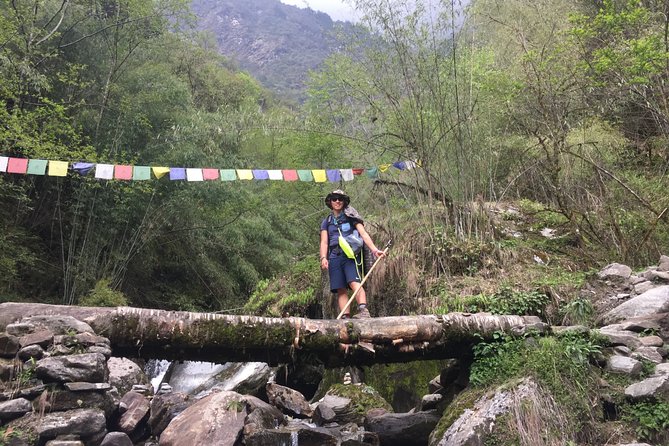
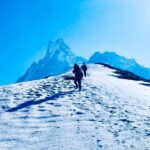
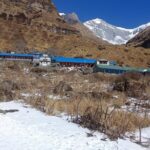
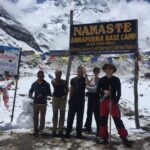
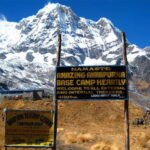
This is the moment most people come for: the push from the MBC area at about 3730 meters up to Annapurna Base Camp around 4130 meters. The hike is listed at about a 6-hour day for that segment, but the bigger truth is that altitude controls your speed more than distance does.
What you should expect: thinner air, more frequent breaks, and a need to breathe calmly. It’s not just about willpower—it’s about steady pacing. This is also where a good guide helps, because the best experience comes from arriving feeling strong enough to take in the views, not wiped out.
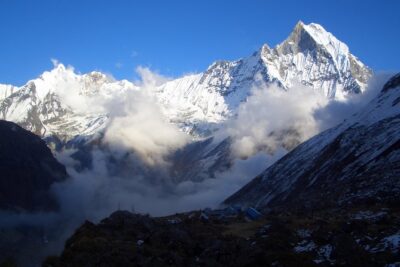
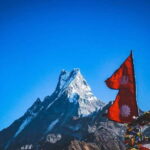
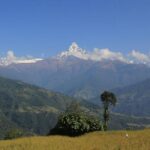
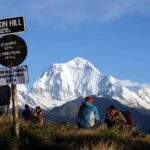
This part of the trek is also where that “lifetime experience” feeling shows up in a practical way. You’re surrounded by mountains that look close enough to touch, and you can’t help but feel how big the world is beyond the places you live every day.
If you’re planning your kit: this is where layers matter most. The trail gets colder with altitude, and weather can change fast, even if the forecast sounded fine back in Pokhara.
Bamboo and Jhinu Danda: recovery through descent and hot-spring relief
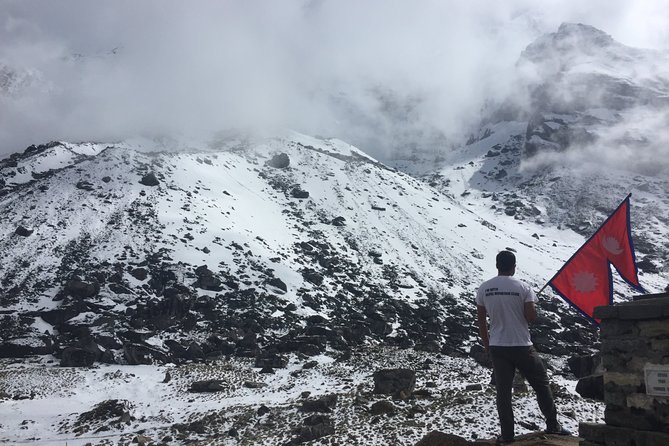
After the high point, the trek doesn’t stop being demanding—it changes shape. You’ll hike down toward Bamboo, with the schedule listing about 6 hours. Descents can feel easier than the climb, but your knees and thighs do the work, especially if you step too fast.
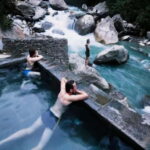
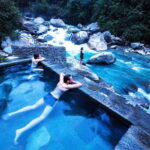
Then comes the stop at Jhinu Danda, with the trek down to the hot spring area. This is a smart design for a trekking itinerary: you get a chance to relax after a strenuous day of getting lower. Even if you don’t want to soak for long, the simple act of resting can help you keep going without turning the last days into a slog.
For value: hot-spring time is one of those moments that makes the whole trip feel complete. It’s not just movement and altitude. It’s also recovery and comfort.
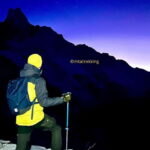
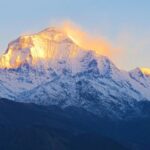
Price and logistics: what $335 really covers (and what you’ll pay extra)
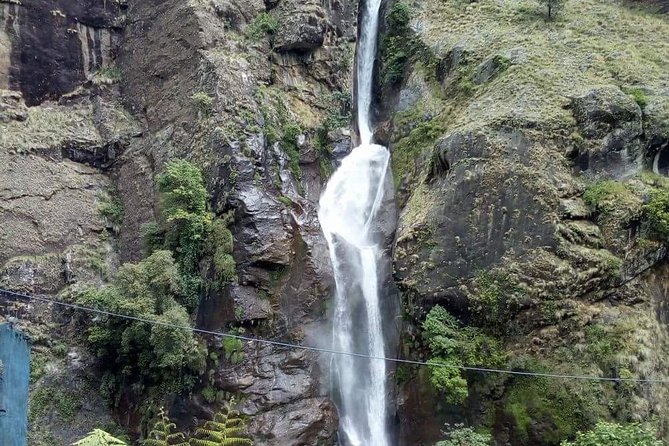
At $335 per person, you’re paying for a package that includes a lot of the expensive headaches: hotel pickup and drop-off, private transfers between Pokhara and Nayapul, an English-speaking trekking guide, guest-house accommodation, and the trekking permit plus TIMS card. You’re also paying for a private trip, meaning your group size is yours to manage.
What’s not included is equally important. All meals and personal expenses are on you, and rescue costs in case of emergency aren’t included. Also, there’s a note that gratitude isn’t included—translation: tipping is typically your call.
So is it good value? Yes, if you’re happy to trek with fewer “own-the-details” tasks. It’s less good value if you expect the price to cover everything, including meals, snacks, and drinks.
My practical advice: budget meals separately and carry some small cash for extras. Guest houses may have options, but since meals aren’t included in the tour price, plan to spend on food each day.
Who this trek fits best (and who should think twice)
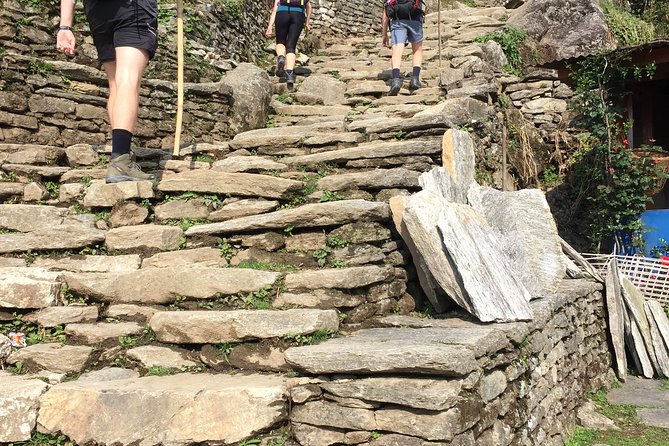
This trek is built for people with strong physical fitness. The schedule shows multiple 6-hour hiking days and a total duration of about 8 days, plus the big altitude goal around 4130m. If your current routine includes regular walks and hill climbing, you’ll likely be in a good spot.
You’ll also enjoy it if you like authentic village life. This isn’t just a ridge-walk where everything is view and nothing is human. You’ll pass through rural villages and see daily mountain culture along the way.
Think twice if you:
- Don’t handle altitude well in general
- Want a fully cushioned experience with minimal walking time
- Are not comfortable paying for meals during the trek (since they’re not included)
If you want adventure without pretending it’s easy, this is a solid match.
Should you book this Annapurna Base Camp trek from Pokhara?
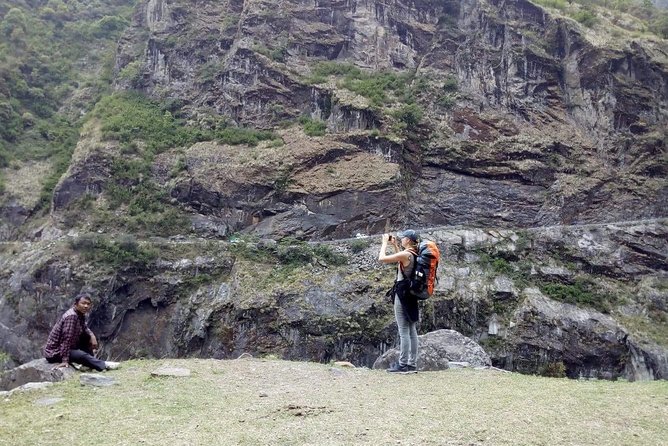
I’d book it if you want a straightforward, well-managed trekking package where the key logistics are handled: transfers, guide, permits, and guest-house nights. The route also hits the right mix—villages like Ghandruk and Chhomrong, forest and bridge moments, then a real high-altitude finish.
Skip it or ask more questions first if you’re unsure about meal costs in your budget or if you’re shaky on altitude planning. Also, because it’s a private trip with only your group, you’ll want to be comfortable traveling with the people you book with—there’s no blending into a bigger group for social energy.
In short: if your goal is a classic Annapurna Base Camp trek with practical support, this one makes sense.
FAQ
How long is the Annapurna Base Camp trek from Pokhara?
The trek runs about 8 days (approx.).
Where does the trek start and end?
It starts from Pokhara, with a drive to Nayapul and then trekking into the route. It ends back in Pokhara after trekking down to Nayapul and transferring by car to your hotel.
Does the price include pickup and drop-off?
Yes. Hotel pickup and drop-off are included.
Are permits included?
Yes. The trekking permit and TIMS card are included.
Is accommodation included during the trek?
Yes. You’ll stay in guest houses.
Are meals included in the trek price?
No. All meals are not included.
What is the cancellation policy?
You can cancel for a full refund up to 24 hours in advance of the experience’s start time. If you cancel less than 24 hours before, the amount paid won’t be refunded.