REVIEW · KATHMANDU
Annapurna Base Camp Trekking
Book on Viator →Operated by himalayan sanctuary adventure private limited · Bookable on Viator
The Himalayas feel close on this trek. You get private-guide attention, plus a smooth, low-stress setup in Kathmandu before you head to Annapurna Base Camp. I also really like that accommodation and meals are included, so you can focus on walking, eating, and taking in the mountain views without daily logistics brainwork.
One consideration: this is a trek that asks for moderate fitness, and there are also extra costs along the way (like sightseeing entrance fees and hot water/drinks during the trek).
In This Review
- Key things I’d bet on before you book
- Price and value for a private Annapurna Base Camp trek
- Kathmandu warm-up: temple days that make the trek feel real
- The Kathmandu to Pokhara transfer: where you reset for the trail
- First trekking days: Ulleri, Ghorepani, and learning the trail rhythm
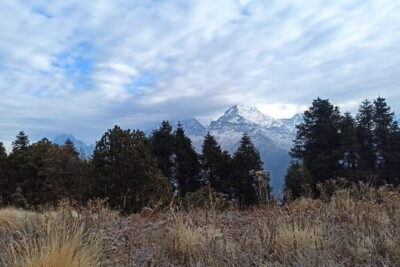
- Poon Hill sunrise to Tadapani: the classic view payoff
- Chhomrong to Dovan: rhododendron to bamboo, with big river views
- Toward Deurali and Annapurna Base Camp: what you’re actually training for
- The downhill stretch: Bamboo, retracing steps, and saving your legs
- Jhinu Danda hot spring day: the reward that isn’t just scenery
- Ending strong: trekking to Nayapul, then returning to Pokhara and Kathmandu
- Guide and porter support: why this trip feels easier than DIY
- What’s not included, and how to plan around it
- Who this Annapurna Base Camp trek is best for
- Should you book this Annapurna Base Camp trekking experience?
- FAQ
- What’s the meeting/start time for the tour?
- Does the tour include airport pickup in Kathmandu?
- Are accommodations and meals included during the trekking portion?
- What hotels are included in Kathmandu and Pokhara?
- Is a private guide provided?
- How are porters arranged?
- Are permits included for the trek?
- What Kathmandu sightseeing is covered?
- What’s not included for food and services during the trek?
- Is hot water included during the trek?
- What’s the cancellation policy?
Key things I’d bet on before you book
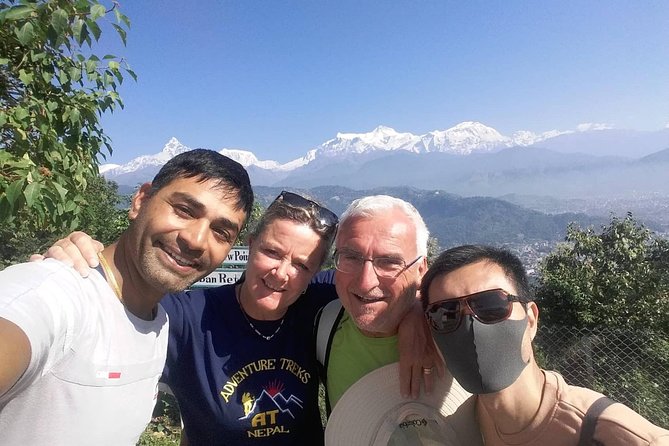
- Private guide + porter support with a 2 trekkers to 1 porter ratio, so your bag stays manageable
- Kathmandu UNESCO sightseeing (Pashupatinath, Boudhanath, Patan Durbar Square, Swayambhunath) built in for fast context
- Poon Hill sunrise at 3,210 m, one of the most reliable view payoffs on the route
- Teahouse meals included during the trek days (breakfast, lunch, dinner), which keeps your day predictable
- Careful pacing with an acclimatization arc, from Ulleri/Ghorepani up through Tadapani and Chhomrong
- Monsoon-friendly vibes if you pack for rain, and you’ll still get those green, soaked-mountain moments
Price and value for a private Annapurna Base Camp trek
At $899 per person for a ~14-day Annapurna Base Camp trekking experience, the value comes from what’s bundled and what isn’t. You’re paying for more than the trail—you’re paying for the “who does what” parts: airport pickup, Kathmandu sightseeing, transport to Pokhara, permits, a guide, and porter support.
Included basics that matter on a trek like this:
- Kathmandu and Pokhara hotels (3-star category) with breakfast
- Teahouse accommodation plus breakfast, lunch, dinner during the trek
- Kathmandu–Pokhara–Kathmandu transport
- ACAP and TIMS permits and taxes handled
- English-speaking trekking guide and porters (including salary, insurance, equipment, food, and lodging)
What’s not included (so you don’t get surprised):
- Hot water, cold drinks, phone calls, laundry, beer, bar bills
- Sightseeing entrance fees in Kathmandu
- Lunch/dinner in Kathmandu and/or Pokhara
- Tips for guides and porter
- Phone/charging and water costs you might run into day to day
If you want a “just show up and walk” style trip—with someone else handling paperwork and scheduling—this price structure usually makes sense.
You can also read our reviews of more tours and experiences in Kathmandu.
Kathmandu warm-up: temple days that make the trek feel real
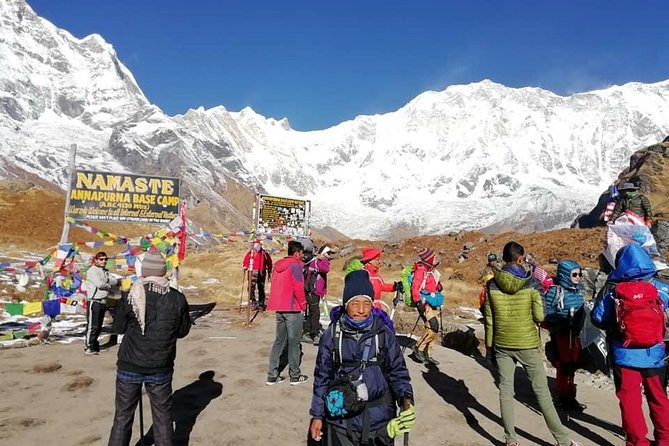
Your trip begins in Kathmandu with an airport pickup and a transfer to your hotel. Then you’ll do a full day of Kathmandu Valley sightseeing tied to World Heritage sites, plus time for trekking prep.
Here’s what you’ll see, and why it’s a smart start:
- Boudhanath Stupa: a huge stupa complex that feels more like a living center than a photo stop. You’ll get a clear sense of Buddhism’s scale in the valley.
- Pashupatinath Temple: one of the most sacred Hindu shrines in the world, with the Bagmati River right beside it. Even if you’re not into religious sites, it helps you understand the culture you’re trekking through.
- Patan Durbar Square: a palace complex and art-heavy setting with courtyards and temples, plus a museum area.
- Swayambhunath (Monkey Temple): views over the valley and monkeys in the area—very Kathmandu, very fast orientation.
Practical note: sightseeing entrance fees are not included, so bring a little cash and don’t plan on paying everything with card. Also, the tour description says lunch/dinner in Kathmandu and/or Pokhara isn’t included, so you may want to budget that.
This day is also useful mentally. After temples and streets, the next phase—bus to Pokhara and first trail steps—feels like a transition, not a jolt.
The Kathmandu to Pokhara transfer: where you reset for the trail
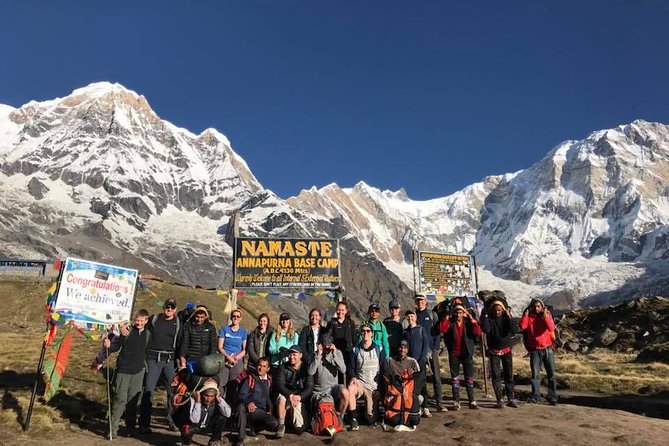
Day 3 is all about moving to Pokhara. You’ll leave early (staff typically collect you around 6:30–7:00 am depending on the exact wording in your schedule), then take a tourist bus to Pokhara. The ride is part travel day, part emotional reset: Kathmandu traffic fades, and the Annapurna region starts to feel like a destination instead of an idea.
Once you arrive, Pokhara sets you up for trekking in a very practical way. It’s smaller and less frantic than Kathmandu, which makes it easier to:
- eat a normal meal without rushing
- double-check gear
- sleep better before hiking starts
If you’re the type who gets anxious without a plan, this transfer included in the package helps a lot.
First trekking days: Ulleri, Ghorepani, and learning the trail rhythm
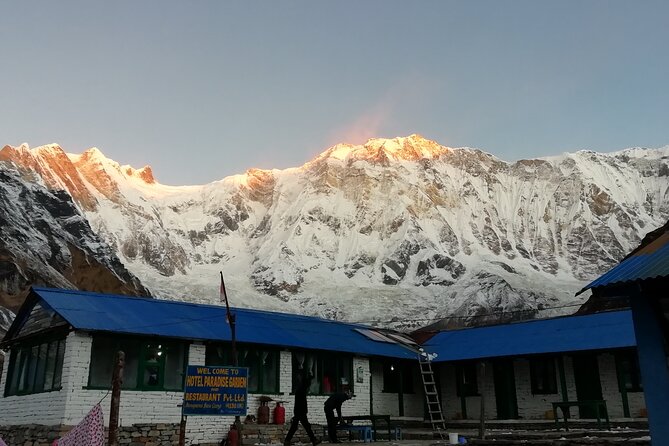
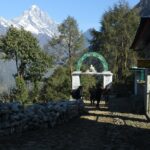
On Day 4, you’ll start from Nayapul after a drive from Pokhara. There’s a short warm-up walk along the banks of the Modi Khola to Birethanti (1,015 m), then the day continues with steady climbing up the valley side.
You’ll pass through village stops like:
- Hille (1,495 m)
- Tikhedhunga (1,570 m)
Even with a modest day length (about 5–7 hours), this stretch teaches you how the route works: uphill is steady, footing can be uneven, and you’ll learn your pace early.
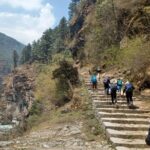
Day 5 continues the climb toward higher viewpoints. Expect a gradual shift into forests and ridgelines as you move from Ulleri toward Ghorepani. This is where the trek begins to feel properly scenic, and your breath starts matching your effort.
You’ll go through altitudes like:
- Ulleri (around 2,070 m)
- Banthanti (~2,250 m)
- Nangethanti (~2,460 m)
- Ghorepani (~2,840 m)
The “win” here is timing and rhythm. You’re not just walking to reach a place—you’re walking to earn sunrise and views later.
Poon Hill sunrise to Tadapani: the classic view payoff
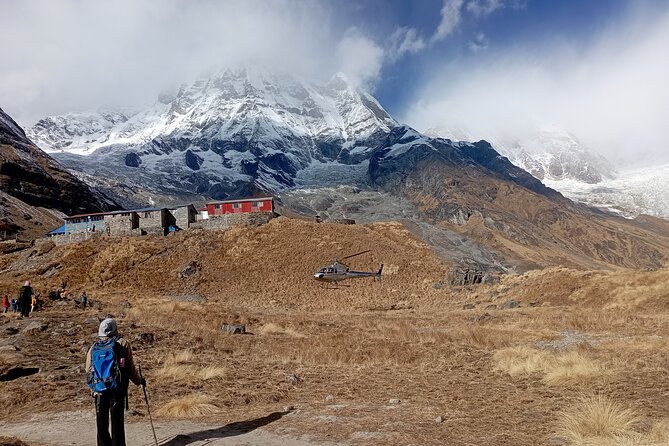
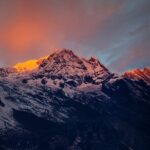
Day 6 is where many people fall in love with the Annapurna region. You start very early to reach Poon Hill (3,210 m) for sunrise, then you’ll return to Ghorepani for breakfast and continue toward Tadapani.
This day has two distinct parts:
1) Sunrise leg: short but intense. You’ll be dealing with cold early-morning air and a higher start point.
2) Rhododendron descent/ascent into Tadapani: you’re moving through forests, waterfalls, and ridges before landing at Tadapani (around 2,700 m).
Why this matters: sunrise timing is one of the easiest ways to justify the effort early in a trek. You get those wide mountain views and a sense of scale that’s hard to recreate later.
Back at the lodge, you’ll likely appreciate that your meal plan is handled. With teahouse breakfast included, you’re not stuck improvising food choices right after a cold hike.
Chhomrong to Dovan: rhododendron to bamboo, with big river views
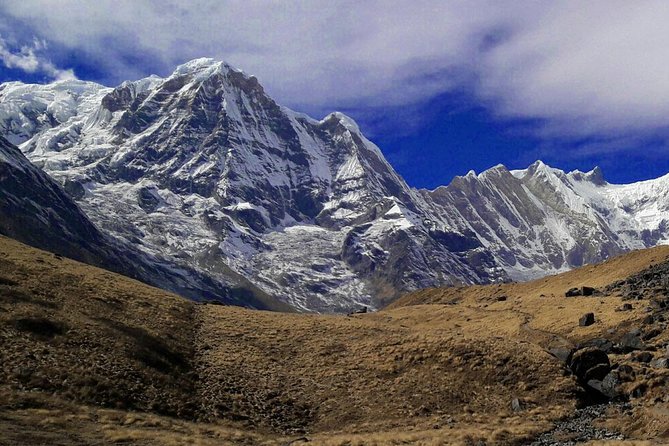
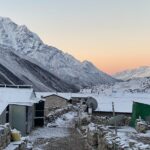
Day 7 goes from Tadapani to Chhomrong (about 5–6 hours). The route begins with a descent through rhododendron forests and then opens into terraced fields and village scenery. You’ll cross a suspension bridge area and reach Chhomrong (around 2,170 m), a village sitting below the giant Annapurna massif.
This day’s practical benefit is that it gives you a “variety day.” You get forest, village, and a real sense of the valley below.
Day 8 shifts mood. You move from Chhomrong toward Dovan and the description highlights bamboo forest—damp and cold—before you break out into sun again near places like Himalaya Hotel. There’s also mention of Hinku Cave as part of the route before you descend and continue toward Dovan.
If you hate slippery, damp trail sections, just know this one can feel colder and wetter. The bright side is that these forests create a dramatic contrast: big clouds, thick damp air, then sudden clear views once you climb out.
Toward Deurali and Annapurna Base Camp: what you’re actually training for
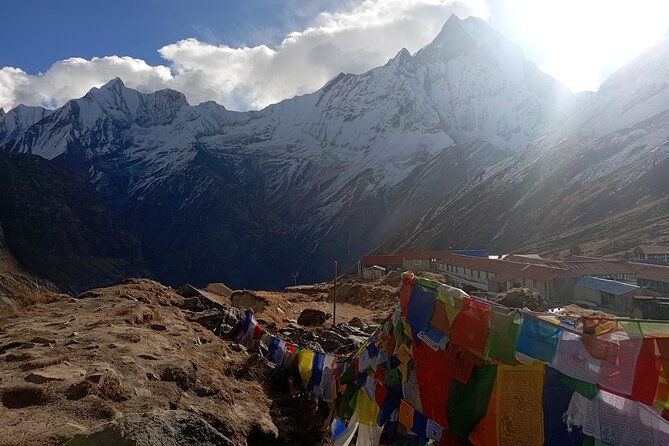
Day 9 is the steady climb phase toward Deurali, following a valley trail. The notes say the trail can stick to a rocky cliff and get steep in places. You also pass areas around Machhapuchhre Base Camp.
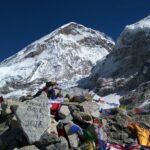
Then Day 10 is the big push to Annapurna Base Camp (5–7 hours, described as a rapid ascent to the base camp area). This is the day most people remember. It’s when your earlier climbs make sense.
A realistic way to think about Base Camp day:
- Expect it to feel like effort stacking on effort.
- You’ll benefit from the fact that your guide is handling pacing choices, route timing, and logistics.
- You’ll likely be cold and tired at the right moments. That’s normal.
One more practical note: your itinerary includes permits and paper work as part of the package, so you’re not scrambling to manage official steps when you’d rather conserve energy.
The downhill stretch: Bamboo, retracing steps, and saving your legs
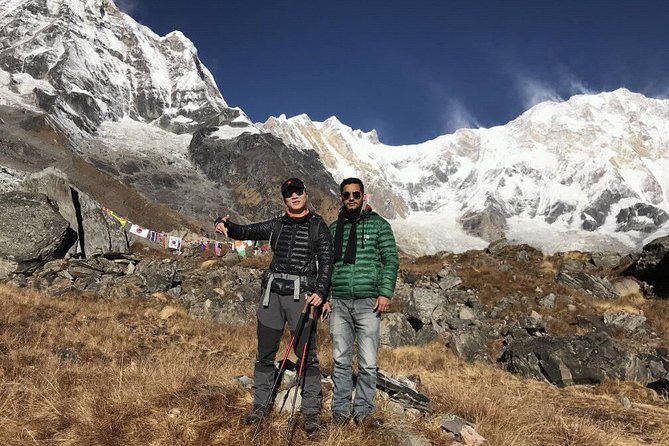
On Day 11 you continue down toward Bamboo, described as a longer trek (about 5–7 hours). You retrace steps back to Himalayan areas for lunch, then finish the day at Bamboo.
Downhill is where many people get knee trouble. Your advantage in this tour is support:
- a private guide to manage pace
- a porter system to reduce the pack weight
- teahouse stop planning so you aren’t hunting for meals in unfamiliar places
Day 11 can be mentally satisfying too. You’re moving away from altitude strain and into a more comfortable “let’s just get there” mode.
Jhinu Danda hot spring day: the reward that isn’t just scenery
Day 12 brings you to Jhinu Danda Hot Spring. The route is about 5 hours and focuses on the western Nepal hill scenery before ending at Jhinu for overnight.
This is the type of stop that works for two reasons:
- It’s a physical break after hiking days.
- It gives you a decompression moment in a place where you can sit, warm up, and reset.
Hot water isn’t listed as included, but the hot spring experience itself is still the highlight of the day. You may want to be ready for what’s available on-site rather than assuming full comfort amenities.
Ending strong: trekking to Nayapul, then returning to Pokhara and Kathmandu
Day 13 is the “finish line” day: you trek to Nayapul and then drive back to Pokhara. The day is described as about 5 hours.
After reaching Pokhara, you’ll overnight there. Then Day 14 returns you to Kathmandu by tourist bus (about 7–9 hours depending on the schedule wording). This long ride is not a treat, but it’s the payoff: the hardest part is done, and your transport plan is handled.
Guide and porter support: why this trip feels easier than DIY
I like this kind of private structure because it removes the mental overhead that can drain energy on an Annapurna Base Camp trek. You don’t need to:
- figure out which teahouses match your day-by-day needs
- manage permit steps
- carry everything yourself
The porter plan is clearly defined as 2 trekkers: 1 porter. If you show up with a normal trekking pack, you’ll still feel the hike—but you won’t feel like you’re hauling your entire life uphill.
Also, the tour description emphasizes private guide focus. In past ABC journeys run by this company, guides such as Bishnu Bhatta, Vishnu, and Prem Dai have come up in feedback for friendliness and careful support. You can’t assume any specific name will guide you, but it’s a good sign that the team puts real attention into guest comfort and pacing.
What’s not included, and how to plan around it
This is one area where you should pay attention before you go. The trip includes most essentials, but it doesn’t include everything that makes a trek feel “easy.”
Plan for:
- Sightseeing entrance fees in Kathmandu
- Hot water and cold drinks during trek days
- Lunch/dinner in Kathmandu and/or Pokhara
- Phone use, battery recharge, and laundry
- Tips for guides and porter
- Bottled or boiled water costs you might encounter
My practical advice: set aside a small daily buffer for the stuff that doesn’t make it into the included list. It keeps you from turning the trip into an accounting exercise.
Who this Annapurna Base Camp trek is best for
This tour fits best if:
- you want a private guide and low logistics stress
- you’re aiming for Annapurna Base Camp but you don’t want to organize permits and transport yourself
- you have moderate fitness and you’re okay with long hiking days (often 4–7 hours)
- you like structured pacing, especially on acclimatization phases
You might consider a different style if you’re looking for:
- maximum freedom to change everything every day
- an ultra-light, DIY “single luggage line” approach
- a trek that’s mostly flat and gentle (this one has steady climbs and some steep sections)
Should you book this Annapurna Base Camp trekking experience?
If you want the classic Annapurna Base Camp route with the big view moment at Poon Hill sunrise, plus the comfort of included hotels, teahouses, and meals, this is a strong match. The private guide and porter support are the real value drivers, especially if you’d rather spend your energy on the trail than paperwork and planning.
I’d book it if your fitness is at the moderate level they request and you’re comfortable budgeting a few extras (entrance fees, hot drinks, hot water costs, tips). If you’re unsure about your ability to handle long hiking days, ask your guide before you pay—because the trek is manageable, but it’s still a trek.
FAQ
What’s the meeting/start time for the tour?
The start time is listed as 6:45 am.
Does the tour include airport pickup in Kathmandu?
Yes. A representative will pick you up from Tribhuvan International Airport and transfer you to your hotel.
Are accommodations and meals included during the trekking portion?
Yes. Teahouse accommodation with breakfast, lunch, and dinner is included during the trek.
What hotels are included in Kathmandu and Pokhara?
The tour includes accommodation in 3-star category hotels in Kathmandu and Pokhara, including breakfast.
Is a private guide provided?
Yes. You’ll have an experienced English-speaking trekking guide, plus porters to carry luggage.
How are porters arranged?
The included information specifies a porter ratio of 2 trekkers to 1 porter.
Are permits included for the trek?
Yes. The tour includes necessary paper work and permits (ACAP, TIMS) and all government and local taxes.
What Kathmandu sightseeing is covered?
The package includes visits to Boudhanath Stupa, Pashupatinath Temple, Patan Durbar Square, and Swayambhunath.
What’s not included for food and services during the trek?
Hot water, cold drinks (like cola/sprite/mineral water), phone calls, laundry, beer, and bar bills are not included.
Is hot water included during the trek?
No. Hot water is listed as not included.
What’s the cancellation policy?
Free cancellation is offered. You can cancel up to 24 hours in advance for a full refund; cancellations made less than 24 hours before the experience start time are not refunded.