REVIEW · MAI CHAU
Ha Noi – Mai Chau – Pu Luong 2 Days 1 Night Trekking Tour
Book on GetYourGuide →Operated by Vietnam Eco Tour · Bookable on GetYourGuide
A short trip, big country-scapes. This tour strings together Mai Chau and Pu Luong with biking, a real trek, and homestay life. What I like most is the chance to see rice paddies up close and the organized flow that gets you to the good views without wasting time. The main drawback to consider is the effort level: you’ll cycle and hike, and the tour’s sleep setup is a stilt-house style unless you pay extra for privacy.
I also like that you don’t just watch—your day includes cultural extras like Thai dance and bamboo pole jumping, plus dinner and lunch that fit the northwest mountain-food style. I’ve seen English-speaking guides such as Tom, who clearly explains rice cultivation and village life, and Cha, who handles requests well. If you’re hoping for a fully quiet, fully private experience, this one can feel like a group adventure rather than a solo retreat.
Still, for value near Hanoi, it’s hard to beat: the price covers transport, meals, guides, entrance tickets, and a full day of activities in two major areas. Just be aware that drinks aren’t included, and the tour doesn’t allow alcohol and drugs beyond what’s handled by the program.
In This Review
- Quick hits before you go
- Why Mai Chau + Pu Luong works so well in two days
- Day 1: Hanoi pickup, Thung Khe Pass, and Mai Chau’s stilt-house night
- Cycling Mai Chau Valley: rice paddies, brocade workshops, and village lanes
- The cultural extras that make the evening memorable
- Day 2: Pu Luong Nature Reserve trek to terrace villages
- What the tour does well for value (and what costs extra)
- Guide quality: when you get Tom or Cha-level explanations
- Best seasons and what to watch for on your dates
- Who this tour suits best (and who should think twice)
- Should you book it?
- FAQ
- How long is the Ha Noi – Mai Chau – Pu Luong 2 Days 1 Night Trekking Tour?
- What’s the price and where does it run?
- Is pickup included, and where do we meet in Hanoi?
- What accommodation do you stay in?
- What meals are included?
- Does the tour include cultural activities and local drinks?
- What’s the best time of year to go?
Quick hits before you go
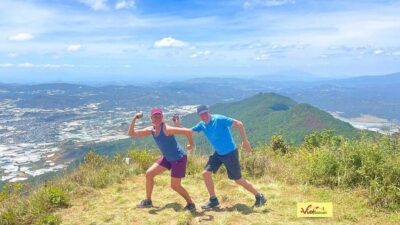
- Thung Khe Pass stop with big panoramic views and a chance to try local Com Lam (sticky rice cooked in bamboo)
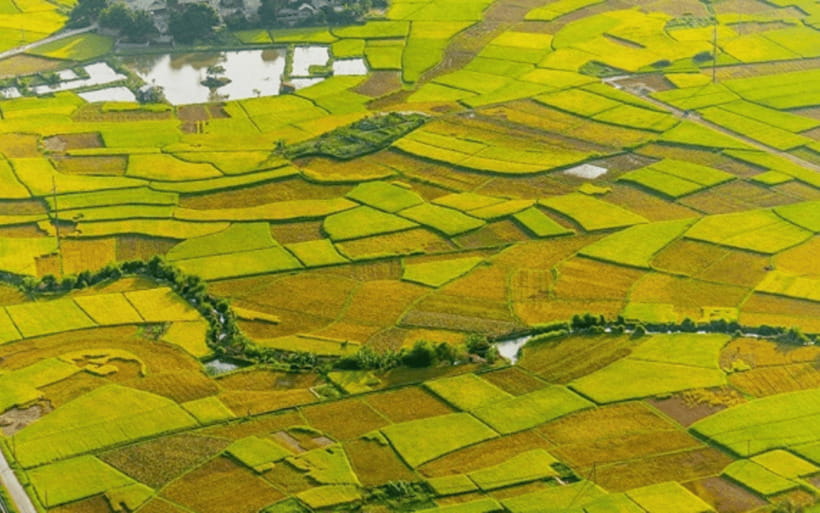
- Mai Chau cycling through villages and paddies at a pace that lets you actually notice daily life
- Traditional Thai stilt-house homestay style accommodation and local meals
- Pu Luong Nature Reserve trek focused on terraces and a quieter feel than the busier circuits
- Cultural activities in the evening such as Thai dance and bamboo pole jumping
Why Mai Chau + Pu Luong works so well in two days
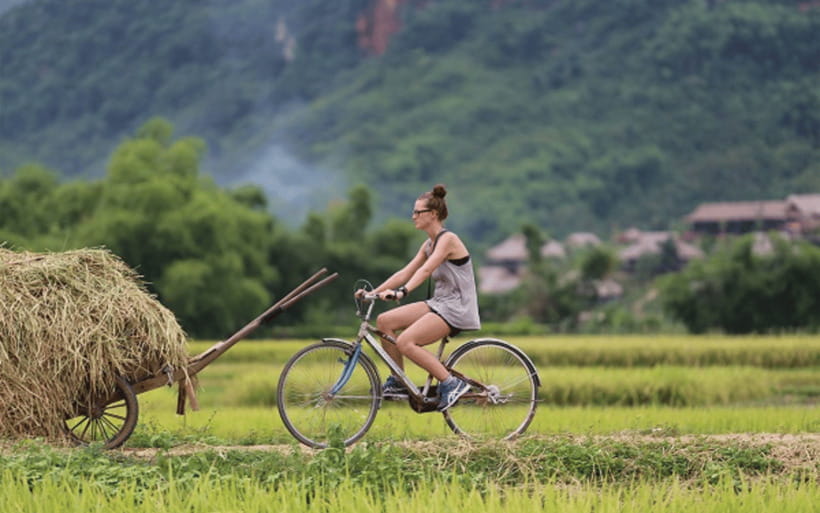
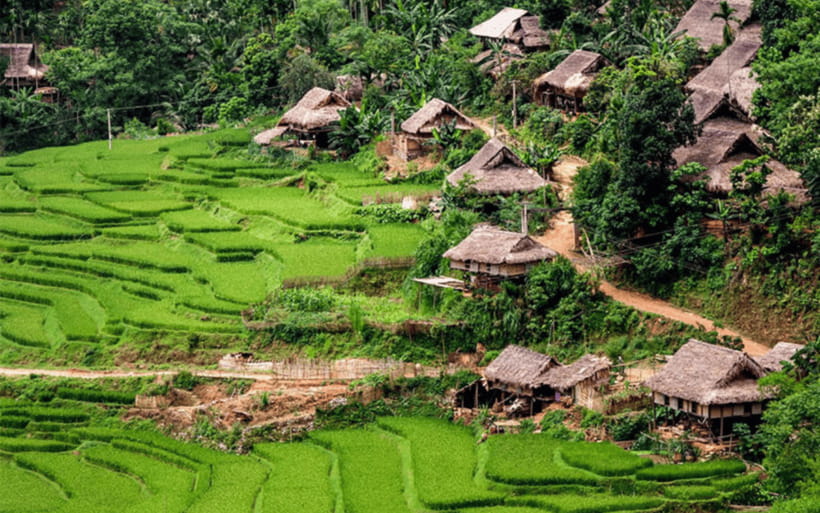
Mai Chau and Pu Luong are close enough to stitch together without turning the trip into a travel slog. Mai Chau gives you a valley feel: rice paddies, small village lanes, and the Thai ethnic culture you hear about everywhere in northwest Vietnam. Pu Luong shifts the mood fast, with steep limestone country and terraced fields that look different in every light.
What makes this tour work is pacing. Day 1 is about settling in—views, then homestay, then a bike ride—so you’re not exhausted right away. Day 2 brings the trek when your body has had time to warm up from the ride and the countryside air.
For most people, the real win is how varied your “terrain time” is. You get roadside viewpoints, village walking, cycling, and then a hike through terraces. That mix makes the trip feel like a journey, not a checklist.
Day 1: Hanoi pickup, Thung Khe Pass, and Mai Chau’s stilt-house night
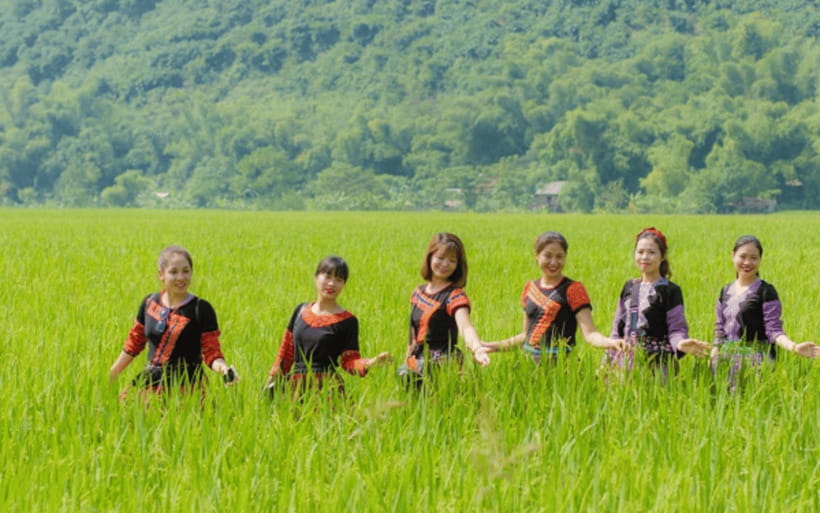
You start from the Hanoi Old Quarter area with pickup arranged for your hotel zone. The group meets at the Opera House area before boarding the bus toward Mai Chau, which keeps logistics simple when you’re traveling in a group.
En route, there’s a stop at Thung Khe Pass, and this is the moment you’ll feel the valley open up. You’ll also see local product stands where you can snack and browse, and there’s a good chance to try Com Lam—sticky rice cooked in bamboo. It’s a small thing, but it’s the kind of local food moment that makes the travel time feel like part of the trip.
When you arrive in Mai Chau, you check into a traditional Thai stilt house homestay. This matters more than you might think: you’re not just getting a bed, you’re getting set up for meals, evenings, and a village atmosphere that’s hard to replicate if you stay in a city-style hotel.
You’ll have a Northwest-style lunch, then some downtime to walk the village lanes at an easy pace. The best part here is the tone: quieter, slower, and more about small daily details than big tourist sites.
Cycling Mai Chau Valley: rice paddies, brocade workshops, and village lanes
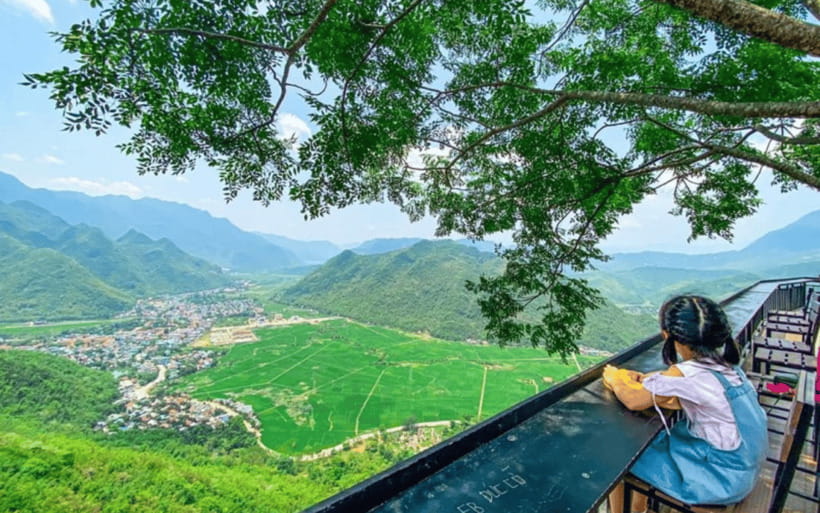
After rest time, you head out on a cycling tour through Mai Chau Valley’s rice paddies and villages. This is where the trip becomes hands-on. A bike ride gives you a middle ground: you’re moving enough to feel the place, but not so fast that you miss the way fields and homes connect.
Along the way, you’ll learn about village life tied to the White Thai community. Expect to pass through narrow roads, see rice fields from practical angles, and get context for what you’re looking at—especially if your guide is the kind who explains cultivation and daily routines clearly.
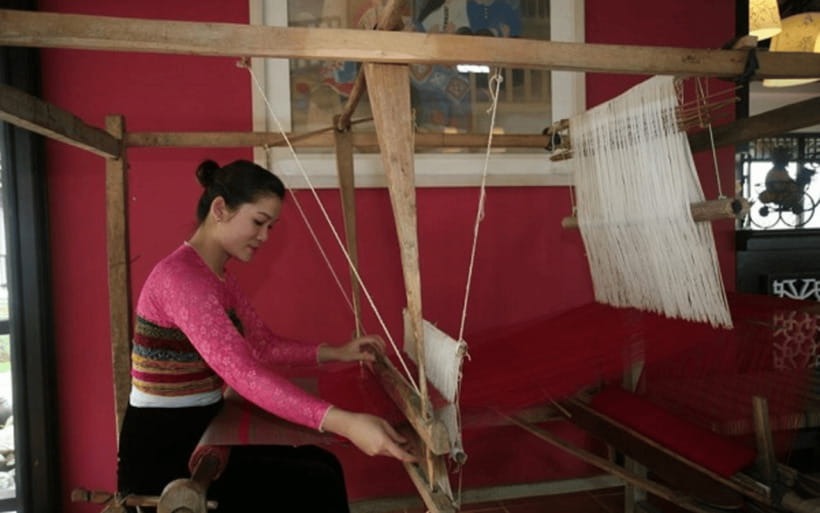
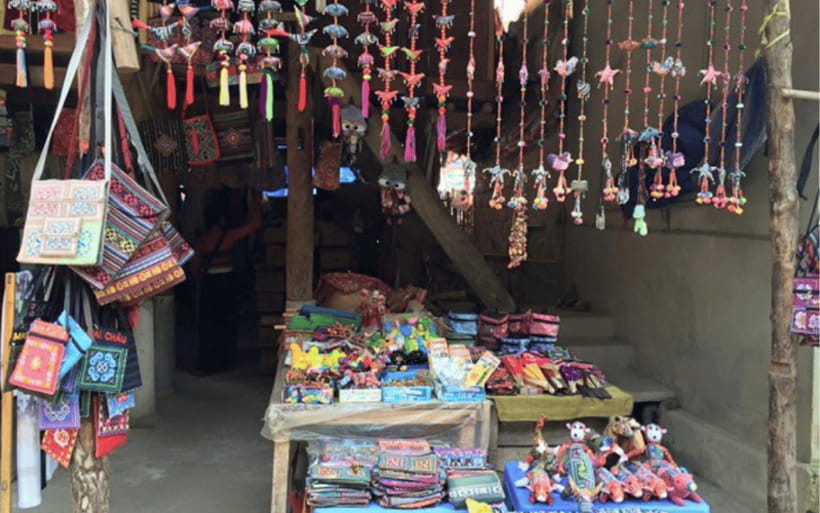
There’s also time to visit brocade production workshops. If you’ve ever wondered how “traditional craft” becomes real income, this is the kind of stop that makes it understandable. You can browse and buy handcrafted souvenirs here, which is usually the nicest kind of shopping: small, local, and directly connected to the people working on it.
Then you circle back to the homestay for free time. Some homestays have extras like a pool, and you can use the evening to relax or explore nearby. Dinner comes after, with the night finishing in a calm village setting.
The cultural extras that make the evening memorable
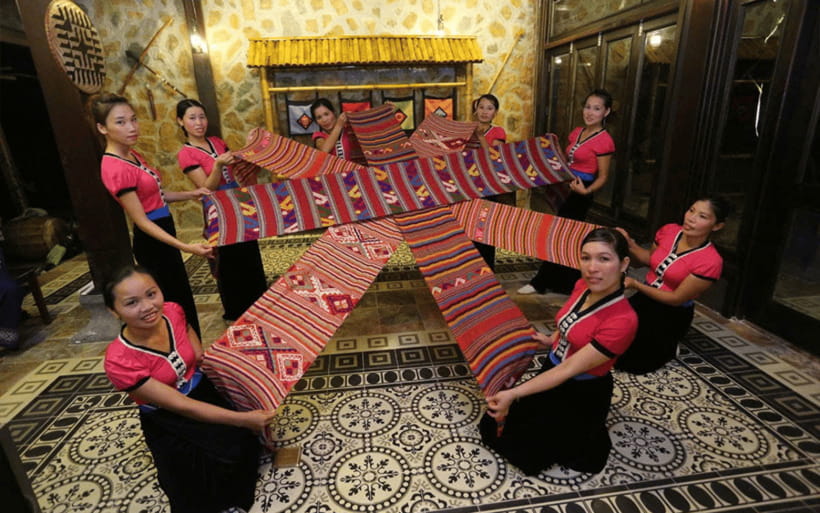
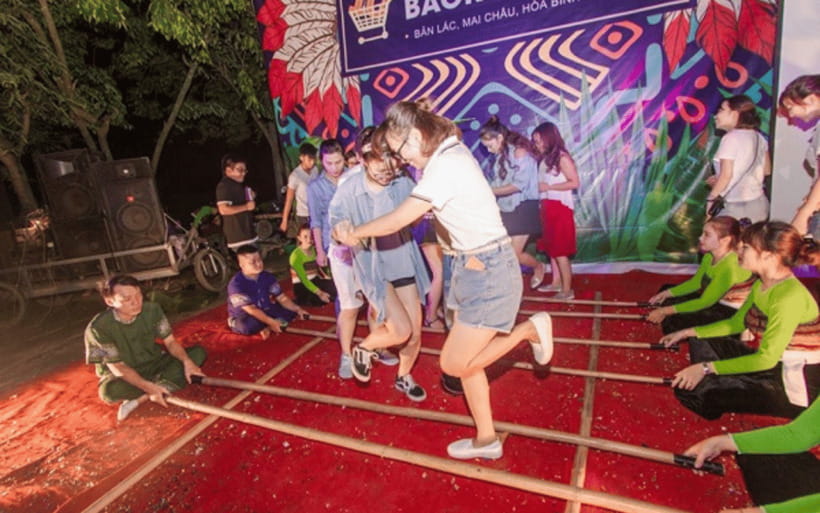
This tour doesn’t end after dinner. Included in the program are cultural activities such as traditional Thai dances and bamboo pole jumping, plus a chance to sip ruou can (fermented rice wine).
Two things to know:
- This is part of the cultural show, so it’s interactive in a way that’s meant to be fun.
- You won’t be able to bring alcohol or drugs of your own. If you’re offered ruou can, that’s handled through the tour program.
If you enjoy cultural moments that are short and community-based, this is one of the tour’s strongest value points. It’s also a good way to meet other people in the group before the next day’s trek starts.
Day 2: Pu Luong Nature Reserve trek to terrace villages
On Day 2, you start with early breakfast and then drive toward Pu Luong Nature Reserve. As you ascend, the views start stacking—terraced fields, layered greenery, and a sense of space you don’t get from quick roadside stops.
The trek begins from the hilltop area and heads toward villages in the Pu Luong region. The goal isn’t to rush through and check boxes—it’s to walk through terraced fields and reach a quieter, remote-feeling spot where the pace slows down again.
This is where the tour can feel extra special if your group is small. One small-group experience I’ve seen involved just six people, and the difference showed: fewer detours, more room to notice your surroundings, and less time feeling like you’re waiting for the next photo spot.
After the trek, you return to homestay for lunch and then relax while you prepare for the drive back to Hanoi. The estimated arrival time in Hanoi is around 7:00 PM, so plan for a fairly tired but happy evening back in the city.
What the tour does well for value (and what costs extra)
At $102 per person, this tour is priced like a full package: transport, English-speaking local guides, listed activities, entrance tickets, and the key meals. You’re also getting accommodation for one night in the stilt-house/homestay style.
The “value” part is that it doesn’t nickel-and-dime the essentials. Bikes, the main sightseeing stops, and the trekking day aren’t treated as separate add-ons.
Where costs can rise is comfort and privacy. There are upgrade options:
- Private room: +$30 USD per room (for 2 people)
- Bungalow: +$40 USD per room (for 2 people)
If you’re traveling as a couple or you just prefer a bit more privacy after a long day, the upgrade can be worth it. Some rooms can look out toward rice fields, and that kind of view is exactly the thing you’ll miss if you choose the simplest option.
Also, drinks aren’t included. That’s normal for tours, but it’s worth budgeting so you’re not surprised later.
Guide quality: when you get Tom or Cha-level explanations
A tour like this can be average if the guide just points and moves. It can be great when the guide explains what you’re seeing and why it matters.
In particular, I’ve seen guides such as:
- Tom, praised for explaining rice cultivation and village details clearly
- Cha, praised for being helpful and accommodating to requests
Even if your guide isn’t one of these names, the standard to look for is the same: do they connect the scenery to agriculture and daily life, and can they adjust when you want a different pace or a little extra time?
A good guide can turn a terrace walk into understanding. It’s the difference between seeing fields and understanding how people work them.
Best seasons and what to watch for on your dates
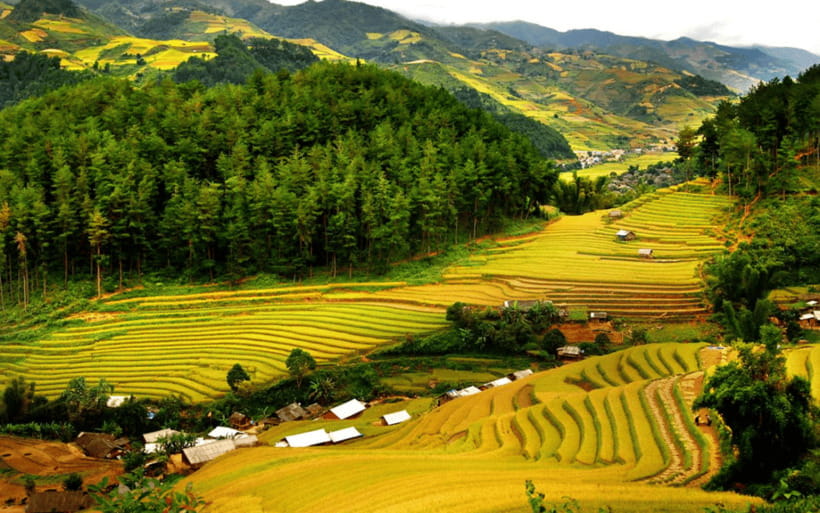
This area is seasonal, and the tour fits that reality. The best times are autumn and spring for lush landscapes. If you time it well, you’ll see rice harvest moments that can turn the fields into golden tones.
In winter to spring, you might also catch canola flowers and buckwheat blossoms. If flowers are your thing, this is the window to target.
If your trip timing is flexible, match the date to what you want to photograph most: terraces in full growth (autumn/spring) or field-color periods (winter/spring blossoms).
Who this tour suits best (and who should think twice)
This tour is a strong fit if you want:
- A short, efficient itinerary close to Hanoi
- A real mix of biking + trekking
- Homestay-style lodging and included local food
- Cultural activities rather than only viewpoints
It’s not ideal if you want a super low-effort day. Cycling and trekking are part of the core experience, and you should be comfortable with physical walking and time outdoors.
Also note the age guidance: it’s not suitable for children under 5.
Should you book it?
Book it if you’re aiming for a value-packed 2-day adventure that combines real village life, terraced-field trekking, and a homestay night with Thai cultural programming. The Thung Khe Pass viewpoint plus Com Lam is a nice starter, and Pu Luong is where the trip often feels most “wow” from a distance and on the walk.
Skip or adjust your expectations if you need private, quiet accommodation by default. You can upgrade, but the base sleeping setup is homestay-style. And if you’re sensitive to physical activity, cycling plus a trek will shape your day more than the sightseeing stops.
If you want, tell me your travel month and your fitness level, and I’ll help you decide whether the season and pace match what you’re hoping for.
FAQ
How long is the Ha Noi – Mai Chau – Pu Luong 2 Days 1 Night Trekking Tour?
It runs for 2 days and includes 1 night of accommodation.
What’s the price and where does it run?
The tour is priced at $102 per person and takes place in Thanh Hoa Province, Vietnam.
Is pickup included, and where do we meet in Hanoi?
Yes. Pickup is included from hotels in the Hanoi Old Quarter area, and the group meets at the Opera House area before boarding the bus.
What accommodation do you stay in?
You stay in the traditional Thai stilt house homestay. There are also upgrade options for a private room (+$30 USD per room for 2 people) or a bungalow (+$40 USD per room for 2 people).
What meals are included?
All mentioned meals are included, including lunch(s) and dinner, plus breakfast on Day 2.
Does the tour include cultural activities and local drinks?
Yes. It includes participation in traditional Thai dances and bamboo pole jumping, and you’ll be offered ruou can (fermented rice wine). Drinks are not included.
What’s the best time of year to go?
Autumn and spring are best for lush landscapes. Winter to spring can include canola flowers and buckwheat blossoms, and rice harvest season can bring golden tones to the fields.