REVIEW · KATHMANDU
Mardi Himal Trek – 12 Days
Book on Viator →Operated by Eco Holidays Nepal · Bookable on Viator
Mardi Himal sounds big on paper, but it feels personal on the trail. This trek leads you away from the busy classic routes into hidden-feeling Annapurna valleys and onto ridges above Mardi and Machhapuchare, with serious day-after-day views. I especially like the combination of route-savvy guides (names you might hear: Sagar and Suman) plus practical support from a porter, and I love how the trek meals and trekking gear are handled for you. One drawback to plan for: the high Himal air can be tough, and altitude sickness is real, so you’ll want to take the slow-and-steady approach seriously.
Before the first real hike, the trip also sets you up in Nepal the smart way. You get time in Thamel, a guided city day around major Kathmandu sites, and a Pokhara reset near Phewa Lake, then a view stop from Dhampus View Tower before the trekking phase. The schedule mixes culture with scenery, but it does mean you’ll be on the move for much of your trip, so don’t book this if you want a fully chill vacation.
In This Review
- Key things to know before you go
- From Thamel to Durbar Square: easing into Nepal
- Pokhara Lakeside and Phewa Lake calm
- Dhampus View Tower: a first taste of Annapurna views
- Why Mardi Himal feels quieter: off the main Annapurna route
- Guides, route smarts, and real hands-on support
- Where the money goes: meals, transport, and gear value
- Food, sleep, and daily rhythm on trek
- Practical fitness and altitude reality checks
- What to bring when gear is supplied
- Who this trek fits best
- Price and logistics: good value, but double-check the schedule
- Should you book Mardi Himal trek with Eco Holidays Nepal?
- FAQ
- How long is the Mardi Himal Trek experience?
- Where does the trip start?
- Is pickup included?
- What Kathmandu and Pokhara sightseeing is included?
- Are trekking permits included?
- What transport is included between Kathmandu and Pokhara?
- Are meals included?
- Does the package include trekking equipment?
- What is not included in the price?
- What is the cancellation policy?
Key things to know before you go
- Off-main-route feel: The trek is designed to take you into quieter areas rather than following the most crowded paths.
- Ridgeline views of Mardi and Machhapuchare: You’ll spend walking time on high ridges where the mountain sightlines matter.
- Support that’s actually useful: A professional guide plus a strong porter is included, with trekking gear supplied and meant to be returned after the trek.
- Food is part of the value: You get three meals per day during the trekking days, and lunch gets singled out as a highlight.
- Before-trek Nepal, not just airports: Kathmandu + Pokhara sightseeing is built in, so you’re not stuck doing everything solo.
From Thamel to Durbar Square: easing into Nepal
Your first day starts in Thamel, the tourist hub where Nepal feels loud, colorful, and easy to navigate. Even if you’ve been traveling for days, this is a good place to orient yourself: you can grab any last small items, find your bearings, and soak in the street energy without committing to a long day outside the city.
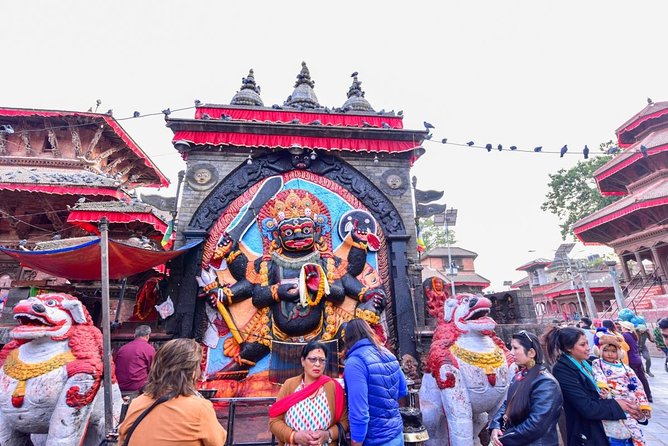
Then comes the guided Kathmandu day built around four big-name sites: Kathmandu Durbar Square, Pashupatinath, Boudhanath, and Swayambhunath. You get a guide, so you’re not just walking between temples and stupas; you’re learning what you’re looking at while moving at a human pace. One key catch: the city tour entry fees are not included, so keep a little extra cash aside for ticketed areas.
Why I like this approach for a trekking trip: it gets you culture early, but it doesn’t swallow the whole itinerary. You’re still saving energy for the trek, and you’re reducing the stress of figuring out transport and navigation after a flight.
Practical tip: start time is 7:45 am, so plan for an early morning wake-up and don’t treat jet lag like a strong bargaining chip.
You can also read our reviews of more tours and experiences in Kathmandu.
Pokhara Lakeside and Phewa Lake calm
Pokhara is where the trip softens. You stay in Lakeside and spend time near Phewa Lake, which is one of the easiest ways to feel the change from Kathmandu’s intensity. The vibe here is calmer, with lakeside walking that’s simple and low-pressure.
This day includes an admission ticket, which suggests you’re not just wandering randomly. In practice, that kind of included ticket can save time and stop you from hunting for what’s worth your one short window. You also get a cleaner mental reset before the view-heavy mountain days.
What you’re really buying here is decompression. After Kathmandu’s movement, a quiet walk near Phewa Lake helps you switch gears. That matters because the trek portion is active, and your body does better when you’ve mentally landed before you start climbing.
Dhampus View Tower: a first taste of Annapurna views
Dhampus View Tower is a smart “preview” stop. In about an hour, you get mountain views spanning Annapurna, Manaslu, and Fishtail, plus a look at green hills and farm villages below. Even if you’ve seen photos, this kind of vantage point changes how you understand scale. Peaks stop being “background” and start being a real destination.
The included ticket means you don’t need to manage extra entry steps here either. And the farmland-and-village context is useful because Mardi Himal trekking doesn’t feel like walking through empty wilderness. You’re moving through a working mountain region where communities shape the scenery.
One thing to consider: the view quality is weather-dependent. If clouds roll in, you might get partial views instead of the crisp panorama. Your guide will still keep the day useful, but manage expectations for perfect visibility every time.
Why Mardi Himal feels quieter: off the main Annapurna route
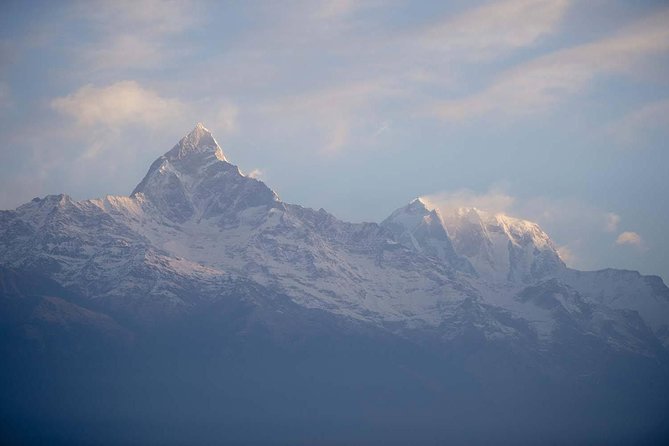
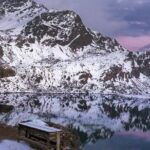
This is the heart of the trip. Mardi Himal Trek takes you away from the main trail into more hidden areas of the Annapurna Himalaya, so your hiking feels more spacious. Instead of spending every day dodging crowds, you’re walking ridgelines and paths that feel less like a highway.
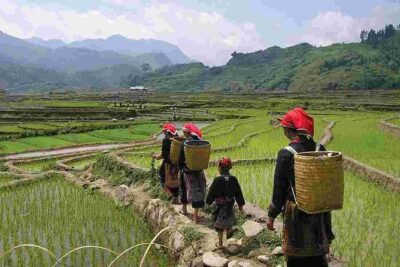
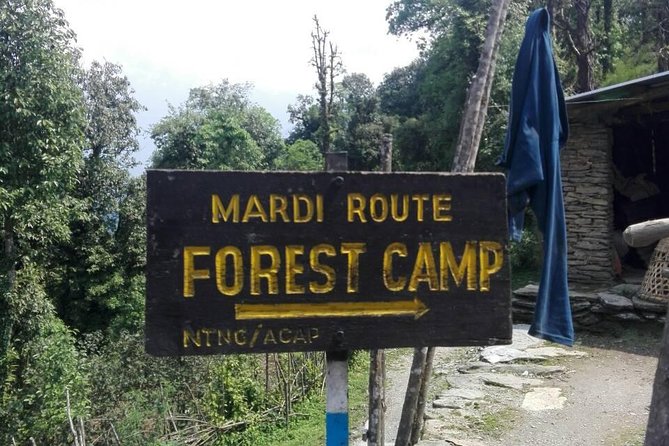
The trek has a natural rhythm that makes sense: you start from lower, warmer rice-field country, then climb into cooler alpine hills. As you go, you move through thick, dense forest belts—tall rhododendron, oaks, magnolia, pines, and then fir tree lines as you gain altitude. That change in vegetation is more than scenery for your camera. It’s a sign your body is adjusting to altitude and cooler air. It also changes how the trail feels: forest walking can be steady and shaded, while ridge walking is more exposed and view-focused.
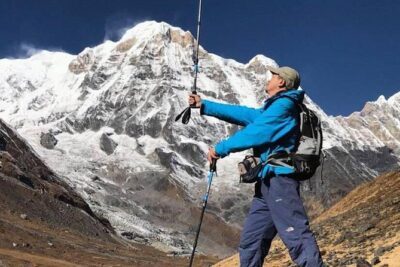
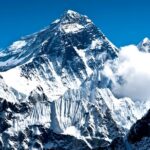
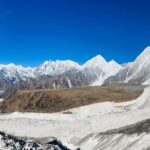
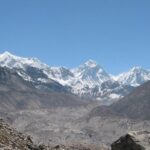
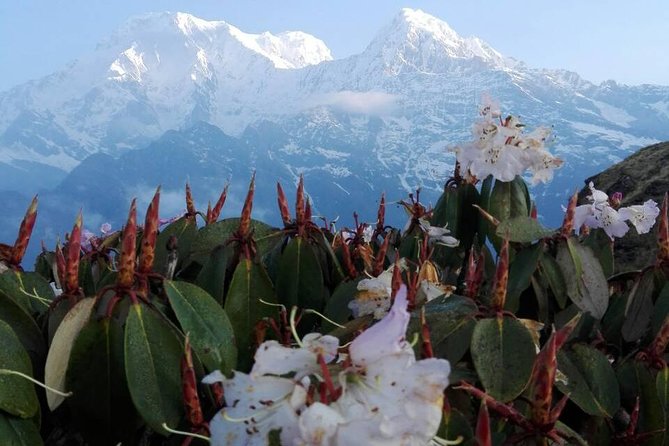
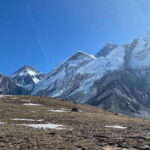
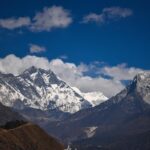
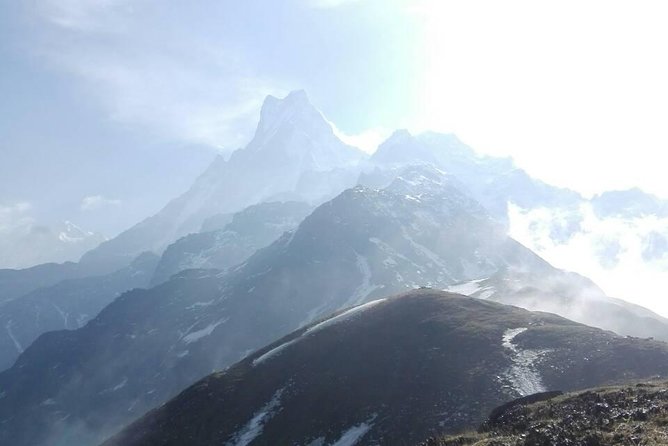
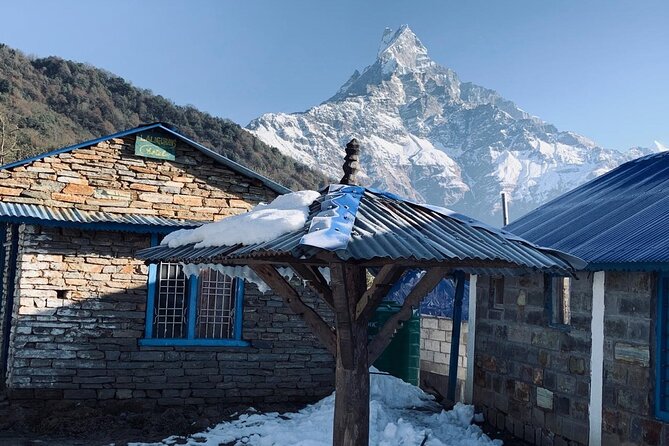
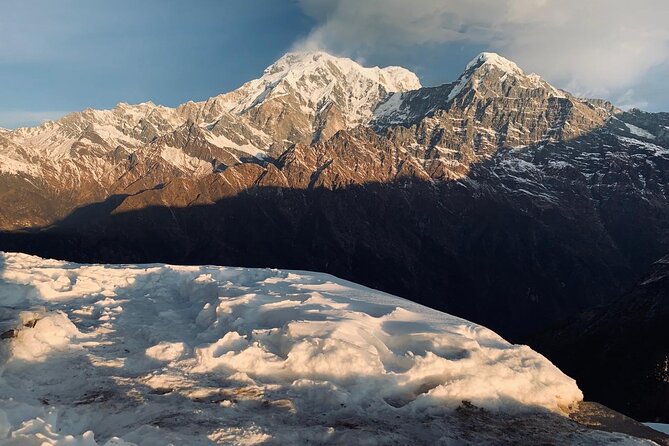
Then the payoff: incredible panoramas of the Annapurna range, with close views of Mardi and Machhapuchare Himal. That combination is the reason people chase this trek—big ridge days, not just a tall slog.
One possible drawback to plan for: “off-main-trail” often means fewer easy options if you’re delayed by weather. And altitude sickness is something you should take seriously. Even with a professional guide, your pace and safety decisions matter.
Guides, route smarts, and real hands-on support
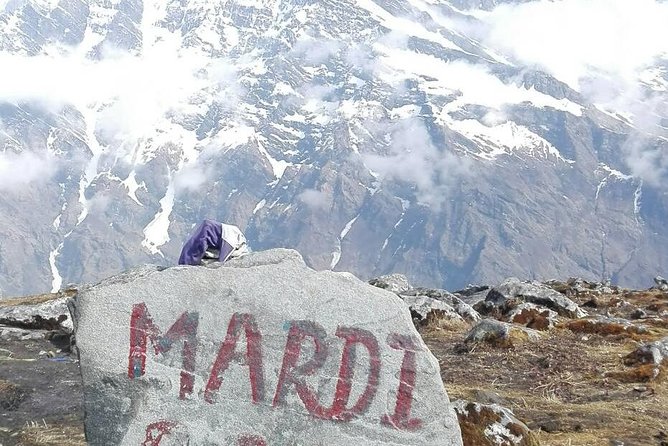
The trip is built around a simple idea: if you get the route right and the pace right, the mountains feel better.
You get a professional trekking guide during the trek and a strong porter as well. The porter helps carry gear, which is huge for comfort and energy. And people running this operation clearly understand that route experience is the difference between guessing and guiding. Names that come up include Sagar and Suman for guide experience, and the owner of Eco Holidays Nepal—Dhruba—gets mentioned for fast response and personal attention.
That support system matters because Mardi Himal isn’t just about walking. It’s about timing. Ridge views depend on when you move, and forest-to-alpine changes depend on how you handle the day’s climb.
Also, this is a private tour/activity, so it’s your group only. That usually means less waiting around and fewer “everyone, this way” moments that break your momentum.
One more value point: trekking gear is supplied, and it’s meant to be returned after the trek. That can lower your pre-trip shopping list and helps you travel lighter.
Where the money goes: meals, transport, and gear value
At $980.87 per person, you’re not just paying for a view. You’re paying for the parts that make trekking logistics manageable.
Here’s what’s included in practical terms:
- All necessary transports by private vehicles (for the city parts)
- Kathmandu to Pokhara flight
- Pokhara to Kathmandu by tourist bus
- A guided city tour in Kathmandu
- Three night tourist standard hotel stays in Kathmandu (twin sharing)
- Two night tourist standard hotel stays in Pokhara (twin sharing)
- Necessary permit for trekking
- A professional guide during trek
- A strong porter
- Three meals per day during trek (breakfast, lunch, dinner)
- Lunch, dinner, and breakfast as part of the overall package rhythm
- Trekking equipment supplied and returned after completion
- Route map and the support systems that go with it
So what’s not included?
- Drinks and personal expenses (soft or hard drinks are on you)
- City tour entry fees (important for ticketed sites)
- Extra night hotels if you extend your stay
- Pokhara to Kathmandu flight is not included, because you’re getting a tourist bus instead
The value angle I like: the price bundles the big moving parts—guiding, transport, lodging, permits, and meals. That lowers decision fatigue for you. You don’t have to plan a flight, hire a guide, and negotiate separate transfers. You just need to show up and be ready to walk.
Food, sleep, and daily rhythm on trek
Most trek packages fail on one of two things: meals or sleep. This one tries to handle both.
During the trekking days, you get three meals per day: breakfast, lunch, and dinner. Lunch is part of the included structure, and it’s often the meal that fuels the second half of your day. If you’ve ever been on a trek where lunch was an afterthought, you know why that matters. Here, lunch is clearly built into the plan, not something you have to chase.
On lodging: you’re placed in tourist standard hotels in Kathmandu and Pokhara, twin sharing. That’s not luxury, but it’s practical and predictable. After long walking days, you’ll care more about clean basics and a steady bed than fancy design.
One thing to keep in mind for comfort: trekking days usually mean early starts and early dinners, even if the exact timings shift with trail conditions. If you like late-night wandering, bring a backup plan for calm downtime.
Practical fitness and altitude reality checks
This trek expects moderate physical fitness. That phrase sounds polite, but it usually means you can handle a day of walking with some uphill, and you can manage your effort.
Altitude is your real wildcard. The itinerary describes moving from warmer low areas into cooler alpine hills, and the trek takes place in the Annapurna region where altitude can affect people differently. Even with a guide, you’ll want to respect the mountain. Slow down when you need to. Drink water and don’t treat headaches as a minor inconvenience.
Also, since this is a private tour with your group only, your group pace can affect the experience. If someone in your group is struggling, the guide can adjust your day’s rhythm, but you still have to play along with safe pacing.
If you’ve never done altitude before, you might want to plan a bit more buffer time in Nepal before committing to a climb. This package already gives you city and Pokhara time before the trek phase, which helps you get grounded.
What to bring when gear is supplied
One nice surprise is that trekking equipment is supplied. People specifically mention items like sleeping bags, down jackets, and duffel bags, and the operation notes that equipment is meant to be returned after the trek. That can save money and space.
But even when gear is handled, you still need your own basics—think personal items and items that keep you warm, dry, and comfortable. If it’s raining, cold can sneak in fast on exposed days. If you blister easily, plan for foot care.
If you’re a first-timer, ask your guide what tends to be most critical on that season’s trail conditions. You don’t need to overpack. You just want to avoid being stuck without your must-haves.
Who this trek fits best
This is a strong choice if:
- You want a trek that feels away from the busiest trail but still builds toward big ridgeline views
- You like having a professional guide handling route decisions and pacing
- You want included support: porter help, permits, and meals
- You’re okay with tourist standard hotels and practical mountain days
- You have moderate fitness and can handle daily walking
It might not be the best fit if you want zero challenge. This is still a trek, not a stroll. If you’re extremely sensitive to altitude or you want a fully gentler experience, compare trek options that are lower and slower.
Price and logistics: good value, but double-check the schedule
The total cost—$980.87 per person—looks reasonable when you list what you’re getting: hotels, city tour guidance, flights and transport, permits, three meals per day during the trek, and trekking gear plus a guide and porter.
Just be aware of schedule mismatch in the materials you’ll see. The trip name mentions 12 days, while the duration field shows 4 days approximately. The day-by-day outline provided focuses on Kathmandu and Pokhara highlights plus the start of the trek. So before you lock anything in, confirm the exact trekking-length days and total trip dates with the operator.
Also confirm what kind of city tour ticketing is covered by the package and what’s extra, since city tour entry fees are not included.
Should you book Mardi Himal trek with Eco Holidays Nepal?
I’d book this if you want two things: a real guided trek experience and a smooth Nepal setup without you doing the heavy lifting. The value is strongest when you want transport, permits, meals, and gear handled for you—while still getting the quiet, off-main-route feeling that Mardi Himal is known for.
You should think twice if you’re hoping for guaranteed perfect weather views every day, or if altitude worries you. Also, check the final dates and day count because “12 days” and “4 days approx” both show up in the package info you might receive.
If you’re ready for mountain walking with solid support, this can be a great first trek—or a satisfying second one.
FAQ
How long is the Mardi Himal Trek experience?
The experience duration shown is 4 days (approx.), but the tour name is Mardi Himal Trek – 12 Days. Confirm the exact schedule you’ll receive when booking.
Where does the trip start?
It starts in Kathmandu, with meeting at Thamel. The start time listed is 7:45 am.
Is pickup included?
Yes, pickup is offered.
What Kathmandu and Pokhara sightseeing is included?
Kathmandu includes a guided city tour with Kathmandu Durbar Square, Pashupatinath, Boudhanath, and Swayambhunath. In Pokhara, you’ll stay in Lakeside and spend time near Phewa Lake. Dhampus View Tower is also included.
Are trekking permits included?
Yes, the necessary permit for the trekking is included.
What transport is included between Kathmandu and Pokhara?
Kathmandu to Pokhara is included by flight, and Pokhara to Kathmandu is included by tourist bus.
Are meals included?
Yes. During the trek you get three meals per day (breakfast, lunch, and dinner), and lunch is also listed as included in the overall program.
Does the package include trekking equipment?
Yes. Necessary equipment is provided to be returned after the trek. Specific gear mentioned includes sleeping bags, down jackets, and duffel bags.
What is not included in the price?
Personal expenses, and soft and hard drinks are not included. City tour entry fees are also not included, along with any extra nights in Kathmandu or Pokhara.
What is the cancellation policy?
Free cancellation is available if you cancel up to 24 hours in advance of the experience start time. If you cancel less than 24 hours before, the amount paid is not refunded.