REVIEW · KATHMANDU
Annapurna Circuit Trek
Book on Viator →Operated by Hit The Himalaya · Bookable on Viator
One big mountain story starts in Kathmandu. The Annapurna Circuit Trek mixes big Himalayan views with village life, suspension bridges, and high passes, plus a standout detour to Tilicho Lake. I like that the trip gives you enough days to acclimatize without turning the trek into a slow snooze.
Two things I really like are the solid altitude planning (including a Manang acclimatization day) and the fact that your trip includes the key flights when the route gets far from roads. The one drawback to consider: the days around Thorong La Pass (5,416m) are physically demanding and cold, so you’ll want real patience with pacing and hydration.
In This Review
- Key things that make this trek worth your time
- Annapurna Circuit: why it feels like multiple Nepal trips in one
- Best season choice: April-May and September-October
- Kathmandu days: temples, Thamel energy, and an easy start
- Hitting the trekking route: Besisahar, Jagat, and the road-to-trail transition
- Pisang to Manang: two trail choices and why acclimatization is built in
- Manang down to Sri Kharka: rugged trail days that don’t waste your time
- Sri Kharka to Tilicho Base Camp: 360-degree views with loose-rock reality
- Tilicho Lake day: early start, first ascent effort, and emerald reward
- Yak Kharka and the road to Thorong Phedi: the pre-pass warm-up
- Thorong La Pass (5,416m) and the descent to Muktinath
- Muktinath, Lubra, and getting to Jomsom via Kagbeni
- Jomsom to Pokhara flights and a Kathmandu ending with real Nepal food
- Price and value: what you’re really paying for at $1,560
- Fitness reality check (plus smart tricks for staying comfortable)
- Who this Annapurna Circuit trek fits best
- Should you book this trek with Hit The Himalaya?
- FAQ
- How long is the Annapurna Circuit Trek?
- Where does the tour start?
- What’s included in the trek price?
- Is the flight part of the itinerary mandatory?
- What’s the highest point on the trek?
- Is Tilicho Lake part of this itinerary?
- What months are best to go?
- What is not included?
- Can I cancel for a full refund?
Key things that make this trek worth your time
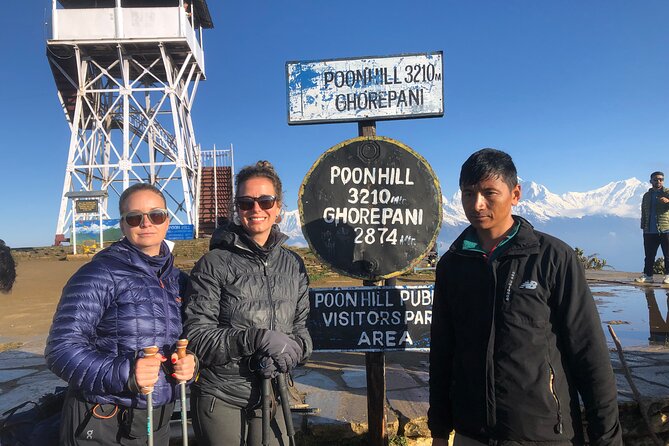
- Tilicho Lake as a major highlight, not a side note
- Manang acclimatization with optional hikes like Ice Lake (3,900m)
- Thorong La Pass at 5,416m with a huge “reach-the-top” payoff
- Village trekking through places like Ghyaru, Khangsar, Sri Kharka, Yak Kharka
- Transport planning that includes flights (Jomsom to Pokhara, then Pokhara to Kathmandu)
Annapurna Circuit: why it feels like multiple Nepal trips in one
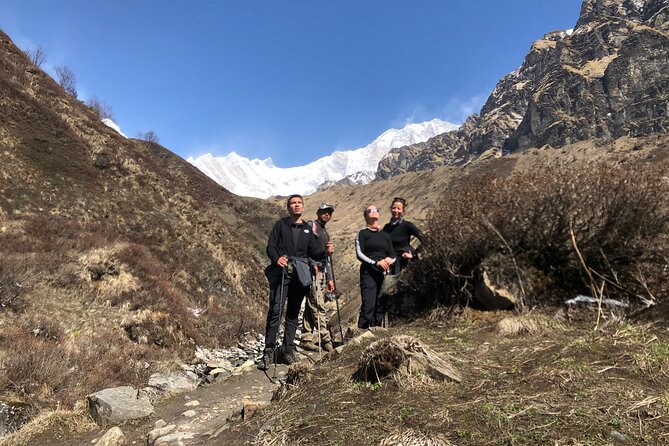
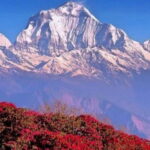
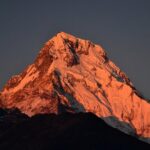
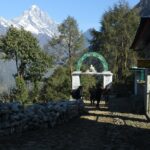
The Annapurna Circuit Trek doesn’t just go “up a trail.” It moves you through changing terrain and cultures step by step. You’ll see a chain of major peaks in the Annapurna range, including Annapurna I (8,091m), Annapurna II, Annapurna III, Annapurna IV, and you also catch Machhapuchre (Fishtail) (6,997m) views when the weather behaves.
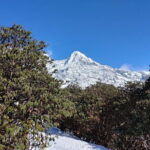
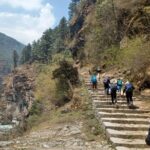
What I love is how the route keeps shifting. One day you’re hiking past villages and terraced hills, and the next you’re dealing with river crossings on bridges, slippery rocky sections, and rhododendron forest stretches. You’re also walking through areas associated with several ethnic groups—Tamang, Gurung, Sherpa, and Magar—so the feel of the trek changes as often as the scenery does.
It’s also not just “mountain for the sake of mountain.” This is a trail where people actually live, farm, trade, and worship—so you get real human rhythm, not only dramatic photo stops.
You can also read our reviews of more tours and experiences in Kathmandu.
Best season choice: April-May and September-October
This trek is best in spring (April–May) and autumn (September–October). In practical terms, those windows usually mean more reliable trekking conditions than colder or wetter months, which matters a lot when you’re climbing to high points like Thorong La.
If you’re deciding between the two seasons, I’d think about this: spring tends to be more forgiving for daytime trekking temperatures, while autumn often brings clear views after the wetter periods. Either way, plan to dress in layers and expect cold at the highest elevations.
Kathmandu days: temples, Thamel energy, and an easy start
Most people picture the trek itself. I actually think Kathmandu is where you get your head and body ready.
On Day 1, you’ll land at Tribhuvan International Airport, get through customs, and meet a representative. Then you’ll drive through busy, narrow streets to your hotel. After that, you can wander Thamel, where you’ll find plenty of food options—both local and Western—and easy little conveniences that make the next days feel simpler.
On Day 2, the focus is temples:
- Pashupatinath Temple: one of the big-name sacred sites in Kathmandu.
- Buddha Stupa.
- Kathmandu Durbar Square, within World Heritage listings.
Why this matters: trekking is a physical game, but it’s also a mental one. These stops help you settle into Nepal’s pace before you start chasing altitude.
Hitting the trekking route: Besisahar, Jagat, and the road-to-trail transition
Day 3 is a long drive away from Kathmandu toward the trekking starting region. You’ll go through winding road sections with bumpy stretches and narrow segments, and along the way you’ll see views of the Manaslu and Annapurna range plus river scenery around the Trishuli area.
The day continues toward Besisahar, and then on to Jagat. It’s not the fun part, but it’s the necessary glue between Kathmandu and the mountains.
Then Day 4 shifts gears. You’ll drive to Lower Pisang and pass through settlements like Chyamje, Tal, and Karte. This is where you start to feel the Annapurna range closer. You’ll also go past a waterfall and a suspension bridge route—little reminders that your feet will soon be working.
By the time you reach upper Pisang, you’ve built altitude up to about 3,000m. Not trekking yet, but your body is getting the message.
Pisang to Manang: two trail choices and why acclimatization is built in
Day 5 is the first real leg: trekking from Pisang to Manang. It’s described as moderate ascent (lower path) and also a higher-tough option, with stunning Annapurna-range views along the way.
A key practical detail here: there are two different paths from Pisang to Manang. If you’re feeling good, you can choose the drier upper trail (the recommendation). If you’ve got any altitude sickness symptoms, take the lower trail instead.
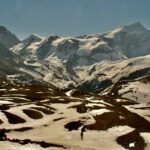
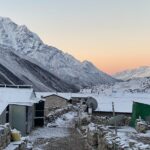
When you arrive in Manang, you stay in a hotel and you’re set up for the best kind of acclimatization: not rushing. You also get big mountain scenes around Manang, including views of Annapurna, Pisang, Tilicho peak, Pisang peak, and Gangapurna, depending on the day’s visibility.
Day 6 is your acclimatization buffer. You stay back in Manang to help your body adjust before you go higher. The trek also offers side trip ideas like:
- Ice Lake (3,900m), one of the popular excursions
- Chongkor views (glacial-lake scenery)
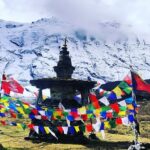
- Gumbas and local monasteries
And there’s an especially useful option: the Himalayan Rescue Association (clinic) where you can get information about altitude sickness. Even if you feel fine, it’s reassuring to know where help and guidance are nearby.
Manang down to Sri Kharka: rugged trail days that don’t waste your time
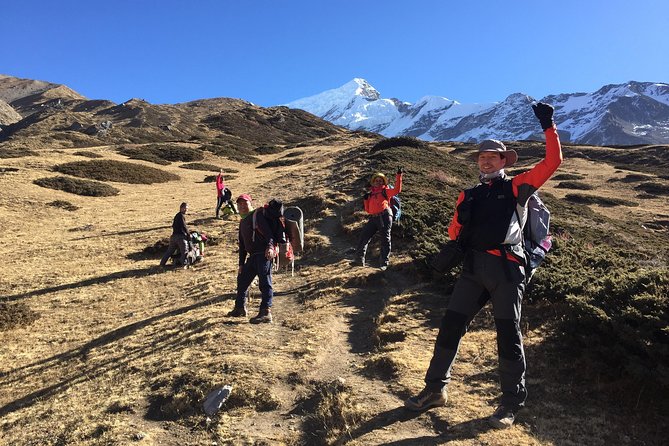
On Day 7, you trek from Manang to Sri Kharka. The route goes past the western gate, down to the river, then through forest to Khangsar village.
This day sounds “simple” on paper—4 to 5 hours—but it’s described as dusty and rugged, with a monastery on the route. If you like steady, physical days where the reward is walking through real places rather than just chasing views, this one fits.
Day 7 ends at Sri Kharka, where you spend the night in a hotel. From here, you’re moving into the Tilicho portion of the circuit.
Sri Kharka to Tilicho Base Camp: 360-degree views with loose-rock reality
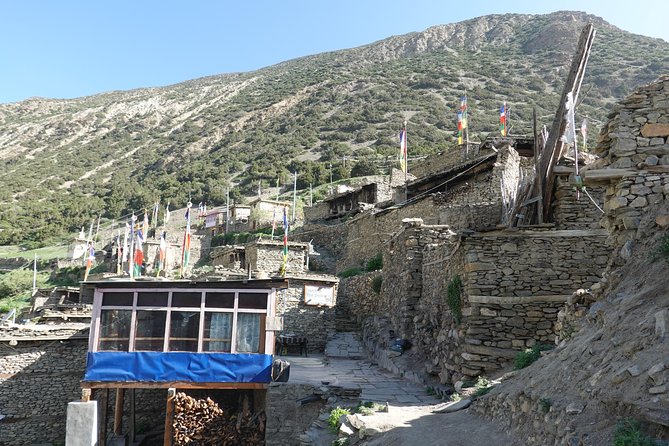
Day 8 pushes you toward Tilicho Base Camp. The trekking is said to be easier because it’s not as steep, but it can still feel exhausting due to the loose stones and areas prone to landslides.
This is where good trekking habits matter:
- Slow steps beat speed.
- Watch footing on uneven rock.
- Keep moving early enough that you’re not rushing in bad light.
The day also brings a big promise: a 360-degree view of the mountain range. That kind of panorama is usually worth every careful foot placement.
From Day 8 onward, you won’t see hotels or teahouses on the route to Tilicho Lake, so the base camp and reserved rooms become part of your comfort plan for this segment. You’ll overnight at Tilicho Base Camp.
Tilicho Lake day: early start, first ascent effort, and emerald reward
Day 9 is an early trek to Tilicho Lake, described as pristine with emerald color and glacier glittering views. The plan is to start when the wind is usually less strong in the morning. The first ascend is called a bit demanding, but the payoff is the lake itself and the surrounding glacial setting.
After exploring and taking photos, you retrace your steps back to Sri Kharka for the night.
If you’re trying to decide whether Tilicho is worth the effort, I’d treat Day 9 as the answer. This is the one day where the whole detour makes emotional sense: you’re not just passing through a view, you’re reaching a specific destination.
Yak Kharka and the road to Thorong Phedi: the pre-pass warm-up
Day 10 takes you from Sri Kharka to Yak Kharka. It’s described as easy descent at first toward Khangsar, then river crossing, then a climb into barren terrain where Yak Kharka sits.
You may also be able to see wildlife like blue sheep if you’re lucky. You can also visit Tare Gumba, a sacred site for people in the area.
Day 10 ends at Yak Kharka with a few teahouses for food and lodging.
Day 11 is your final stretch before the pass: trekking to Thorong Phedi. You’ll be walking over 4,500m territory. The day’s route winds through an isolated glacier valley with high mountains around it, and it’s typically cold.
You’ll sleep early, because Day 12 is a bigger physical push. When you reach Thorong Phedi, the plan is to get warm quickly at the tea house and rest for the summit push.
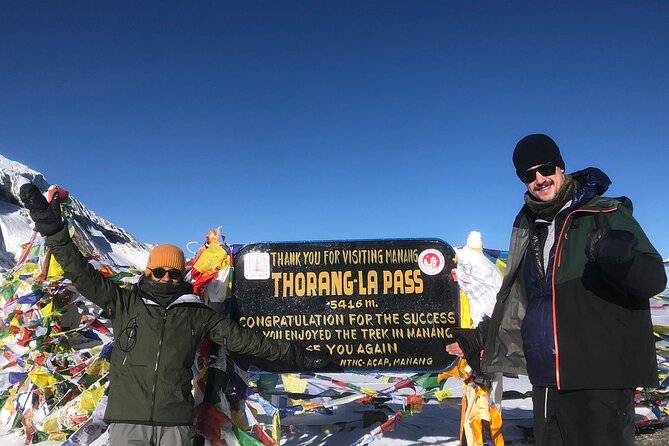
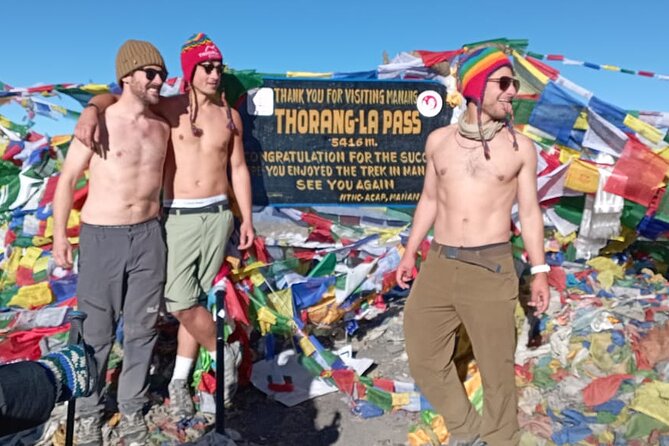
Thorong La Pass (5,416m) and the descent to Muktinath
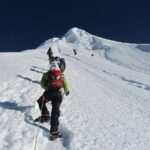
Day 12 is the main challenge of the whole trek. You get up early and leave before sunrise because conditions are described as calmer then—specifically, no wind in the morning is mentioned.
The route includes:
- A steep early section
- A difficult final stretch of a few hundred meters near the summit of Thorong La
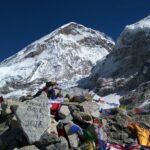
- A mountain-top reward at 5,416m / 17,769ft
At the top, the vista includes Dhaulagiri (8,167m). You can also see the old kingdom of Upper Mustang in the distance.
After crossing, you continue to Muktinath. This is a long day—around 8 hours trekking time—so you’ll want to start fueled, hydrated, and mentally steady. The goal is finishing feeling intact, not proving anything to the mountain.
Muktinath, Lubra, and getting to Jomsom via Kagbeni
Day 13 starts with an early visit to Muktinath Temple (Vishnu Temple). It’s a pilgrimage site for both Hindus and Buddhists, and you’ll see why people treat this stop as more than a break.
After the temple visit, you’ll either:
- board a vehicle, or
- trek to Jomsom via Lubra (a village with the best view from the top)
Then you descend toward Kagbeni, described as a junction between upper and lower Mustang. Upper Mustang is more isolated, and the road down from Muktinath to Jomsom is said to be well paved, with some ongoing construction in places.
This day matters because it bridges the high-altitude trekking with the more road-and-air return plan.
Jomsom to Pokhara flights and a Kathmandu ending with real Nepal food
Day 14 is a big logistics shift: you’ll book tickets back to Pokhara (or travel by bus/jeep if you prefer). The drive can take a long time—up to 8 to 9 hours—because of road conditions, so the included flight is a smart choice if you want to save your legs.
The flight goes through the Kaligandaki gorge and takes about 25 minutes. You should know weather can affect this: strong winds or weak visibility can cause delays.
Once in Pokhara, you get lakeside downtime—party energy is allowed, but so is just chilling. You’ll spend the night in a hotel.
Day 15 brings you back to Kathmandu via tourist bus. When you arrive, you check in, relax, and then finish with a farewell supper at a traditional restaurant nearby. There may also be Nepal cultural events tied to the evening, plus time to buy souvenirs.
For me, this ending style is the right kind of closure. You don’t want the last day to feel like one more scramble.
Price and value: what you’re really paying for at $1,560
At $1,560 per person, the key value isn’t just the trek. It’s the entire chain of logistics and support that keeps you moving safely and on schedule.
Here’s what’s included that usually costs extra if you book everything separately:
- Air-conditioned vehicle support (for city days)
- All required permits for the trek
- Accommodation for the whole trip
- Professional and experienced certified guides and porters
- Flights: Jomsom to Pokhara, and Pokhara to Kathmandu
- UNESCO heritage site permits for Kathmandu tours
- Meals: breakfast (14), lunch (13), dinner (13)
You’re also on a private tour format, meaning it’s just your group, and there’s a representative handoff from Kathmandu with pickup offered and mobile ticket.
What’s not included: personal expenses and tips/gratuities. That’s normal, but it’s where people often overspend without a plan. If you’re the type who likes souvenirs, hot drinks, extra snacks, or laundry, set a small daily budget now.
Also, you should know this trek is best for people with moderate physical fitness. The pacing is built around acclimatization, but the pass day is still serious.
Fitness reality check (plus smart tricks for staying comfortable)
This trek is designed for moderate fitness, but “moderate” doesn’t mean “easy.” The itinerary includes major elevation gain segments, and it clearly calls out high-altitude effort around 4,500m+ and then Thorong La Pass at 5,416m.
My practical advice for you:
- Train for steady uphill hiking before you go.
- On altitude days, keep your pace slow enough that you can still control your breathing.
- Take the lower path options when the plan says so—especially if you feel symptoms.
- On Tilicho sections, treat loose stones like a safety problem, not a speed problem.
- Pack warmth for early mornings at high altitude. Thorong Phedi is described as cold, and you’ll feel it.
One small but meaningful insight from real-world accounts: when altitude sickness hit friends on the trek, the guide and porters handled it by going back to help carry loads. That’s the kind of support you want on a mountain trip—people who take altitude seriously.
Who this Annapurna Circuit trek fits best
This is a great choice if you:
- want a classic Annapurna Circuit experience with the extra punch of Tilicho Lake
- like having a guide and porters doing the heavy logistics work
- want the comfort of hotels at the stated overnight points
- prefer an organized route that includes air travel to save time and effort
It might be less ideal if you’re chasing total independence and don’t want guided planning around permits, pacing, and high-pass logistics.
Should you book this trek with Hit The Himalaya?
If you want a well-supported Annapurna Circuit plan that includes the big highlights—Tilicho Lake, Thorong La, Muktinath, and the Jomsom–Pokhara flight—this package makes sense. The price reflects that you’re buying organization, permits, meals, accommodation, and certified guiding, not just walking days.
My recommendation: book it if you’re willing to take altitude seriously and you’re okay with a long day at the pass. Choose it when you want the mountains plus the comfort of a team behind you.
If you want the ultimate “go-it-alone” vibe, you might prefer a more self-managed plan. But if you want to focus on walking, views, and doing it safely, this setup is hard to beat.
FAQ
How long is the Annapurna Circuit Trek?
The duration is listed as about 15 days.
Where does the tour start?
The meeting point is Tribhuvan Airport in Kathmandu, Nepal.
What’s included in the trek price?
The price includes accommodation for the whole trip, all required trek permits, flights (Jomsom to Pokhara and Pokhara to Kathmandu), Kathmandu UNESCO heritage tour permits, certified guides and porters, air-conditioned vehicle use, and meals (14 breakfasts, 13 lunches, 13 dinners).
Is the flight part of the itinerary mandatory?
The itinerary includes a flight from Jomsom to Pokhara and then from Pokhara to Kathmandu. On the way back to Pokhara, you can also travel by bus/jeep, though it may take longer.
What’s the highest point on the trek?
The trek includes a crossing of Thorong La Pass at 5,416m (17,769ft).
Is Tilicho Lake part of this itinerary?
Yes. You’ll trek to Tilicho Lake and then return to Sri Kharka for an overnight.
What months are best to go?
The best times listed are spring (April–May) and autumn (September–October).
What is not included?
Not included are personal expenses and tips/gratuities.
Can I cancel for a full refund?
Yes. Free cancellation is available if you cancel at least 24 hours in advance of the experience’s start time.