REVIEW · KATHMANDU
Langtang Kyanjin Gompa Trek – 11 Days
Book on Viator →Operated by Overland Trek Nepal · Bookable on Viator
One long river of trails leads you to 3,800m. The Langtang Kyanjin Gompa Trek mixes village life, monasteries, and big mountain views, with a route that’s built around acclimatizing instead of rushing. I love the way the trek passes through real communities like Lama Hotel and Langtang Village before you reach Kyanjin Gompa itself, where Tamang and Sherpa culture shows up in daily life. I also like how the trip can feel reassuring for independent travelers because the team assigns an English-speaking guide and has a reputation for staying responsive, including check-ins from guides such as Nick (Gautam).
You’ll also get a strong Kathmandu warm-up before hiking day ever begins. That first stretch includes guided time around Kathmandu Durbar Square, plus major pilgrimage stops like Boudhanath, Swayambhunath, and Pashupatinath, so you land with context instead of confusion. One thing to think about: the trek’s moderate fitness requirement is real, and the five-hour climb toward Tsergo Ri is the day that tests your legs the most.
If you want a classic tea-house style trek with cultural stops and purposeful altitude management, this is a good fit. If you’re looking for an easy walk with low elevation stress, you’ll want to reconsider or choose a shorter trek with fewer altitude jumps.
In This Review
- Key things I’d watch for before you go
- Why the Langtang Kyanjin Gompa Trek feels more meaningful than a generic hike
- Kathmandu setup days: stupa time, temple time, and trail orientation
- Syabrubesi to the Bhote Koshi bridge crossings: where the trail starts feeling real
- Ghoda Tabela, rhododendron climbs, and Ghumba’s gompa break
- Day 6 approach to Kyanjin Gompa: the viewpoint reveal and the acclimatizing pause
- Tsergo Ri from Kyanjin Gompa: steep switchbacks, prayer flags, and mountain panorama
- The return to Lama Hotel and back to Syabrubesi: don’t rush the descent
- Kathmandu again: the farewell photo review and what to do with your last free time
- Price and value: does $1,249 make sense for what you get?
- What the itinerary means for your body (fitness, altitude, and pacing)
- Should you book this Langtang Kyanjin Gompa Trek?
- FAQ
- What is the duration of the Langtang Kyanjin Gompa Trek?
- What is the highest point you reach on this trek?
- Do I get picked up and dropped off?
- Where does the trip start in Kathmandu?
- Are meals included?
- Is there a guide, and what language do they speak?
- What permits are included?
- What costs are not included?
- Can I cancel for a full refund?
Key things I’d watch for before you go
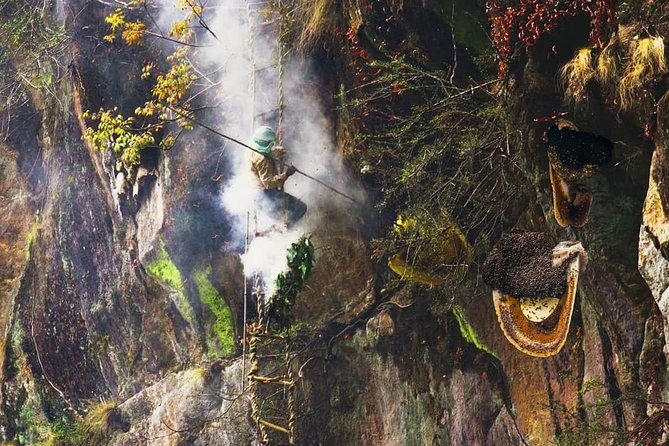
- Kyanjin Gompa at 3,800m, with monasteries and small lodges where Tamang and Sherpa culture is part of the landscape of the day.
- Acclimatization time on Day 6 with a viewpoint reveal of the Kyanjin Gompa monastery and nearby icefall views.
- A focused summit-style day on Tsergo Ri: steep switchbacks, prayer flags, and wide mountain panoramas.
- A trek route through forests and glacial valley terrain (hemlocks, oaks, maples, and rhododendrons show up along the climb).
- National Park and TIMS included so you’re not hunting paperwork mid-trip.
- Private tour only for your group, which can make logistics and pacing feel calmer.
Why the Langtang Kyanjin Gompa Trek feels more meaningful than a generic hike
This trek has a clear “why”: you’re heading to Kyanjin Gompa, a high settlement where Buddhist monasteries, small lodges, and local communities of Tamang and Sherpa people live at elevation. Instead of only hiking for photos, you’re also walking through places where people already know the rhythm of altitude, seasons, and trade.
The route also sits inside Langtang National Park, with a stated aim to conserve biodiversity. That matters because it helps explain why the trail moves through thick forest corridors and why you might spot wild animals during the trek (you can’t plan on it, but it’s part of the idea of going there).
One neat detail you can keep in your back pocket: Kyanjin Gompa is connected to Yala Cheese. The information provided says the Yala Cheese factory started in 1955 by the Swiss Association for Technical Assistance. Even if you don’t track down a specific visit, it’s a reminder that this region isn’t frozen in time—it has stories of outside collaboration too.
Finally, the trekking itinerary is built around a “go up, pause, then go higher” approach. You reach Lama Hotel (2,340m), Ghoda Tabela (3,020m), and Langtang Village (3,500m) on the way, then climb to Kyanjin Gompa (3,800m). That progression is what helps most people feel better once the altitude starts talking back.
You can also read our reviews of more tours and experiences in Kathmandu.
Kathmandu setup days: stupa time, temple time, and trail orientation
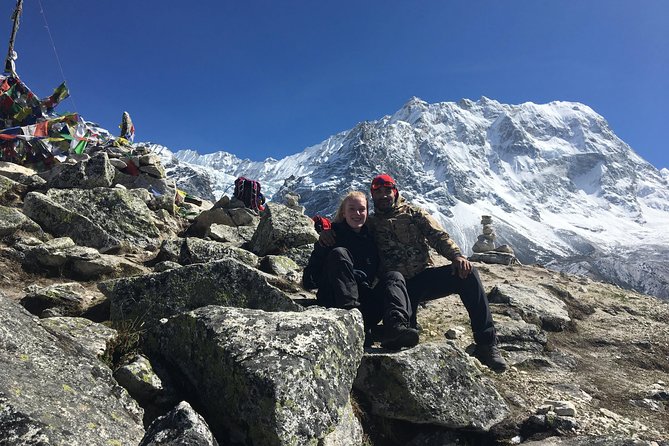
Your trip starts in Kathmandu with hotel check-in and free time to get oriented. Day 2 is where the “cultural primer” happens, plus a trip orientation meeting.
You’ll get a half-day guided loop through key Kathmandu sites:
- Kathmandu Durbar Square for Newari architecture and historic palace-area details
- Boudhanath Stupa and Swayambhunath Stupa for Tibetan Buddhist pilgrimage atmosphere
- Pashupatinath Temple for a major Hindu spiritual site
This is more than sightseeing. I like the way these stops train your eyes for what you’ll see in the hills later—monasteries, prayer flags, and the way spiritual practice shows up in daily routines.
Day 3 then shifts gears. You’ll drive to Syabrubesi, about 132 km from Kathmandu. That drive is your transition day: you’re not yet on the trail, but you’re already moving into the Langtang region.
Syabrubesi to the Bhote Koshi bridge crossings: where the trail starts feeling real
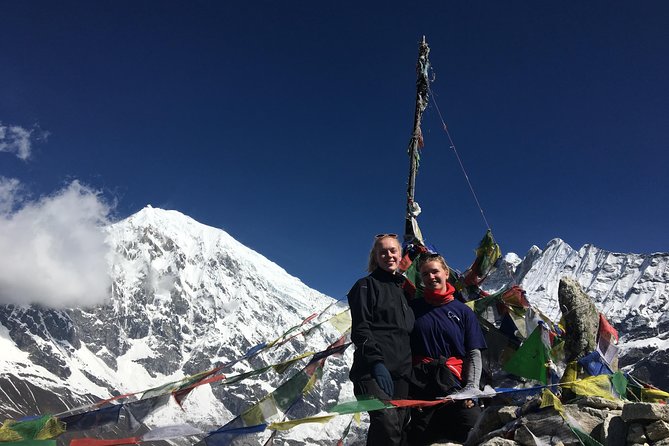
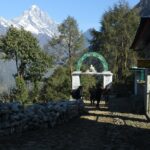
Day 4 is your first “walk into the mountains” day. From Syabrubesi, the trail branches off the main road and heads northward. You’ll cross a suspension bridge over the Bhote Koshi, then move toward old Syabrubesi village, where there’s a small stone building monastery you can visit.
This day matters because it gives you early trail habits: how to move steadily, how to take breaks without losing momentum, and how to handle Nepal’s mix of stone paths, bridges, and sudden views.
After the monastery visit, you’ll follow a stone paved main street out of town and cross a bridge over Langtang Khola. From there, the route includes a log bridge, then you head through trees, side stream areas, and landslide-affected spots (so expect some uneven ground).
The day also includes another suspension bridge and the waterfall at Doman. You’ll likely feel it as a “sound track” moment—water noise plus jungle-like greenery—before you keep climbing toward the higher villages.
Ghoda Tabela, rhododendron climbs, and Ghumba’s gompa break
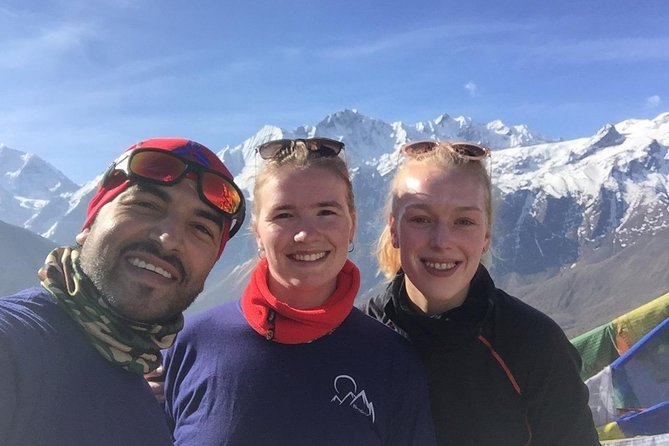
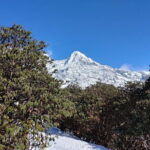
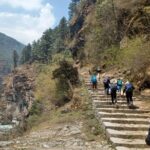
Day 5 reads like classic Langtang trekking country: steep forest climbs, prayer flags, and a gradual reveal of the wider glacial valley. You start with a climb through a steep forest of hemlocks, oaks, maples, and both white and pink rhododendrons (a seasonal detail you can appreciate if you time your trip right).
You reach Gumanchok, then cross a stream and climb steeply to a pass marked with prayer flags. From there you come to Ghora Tabela, which is described as a Nepal Army and National Park post. Knowing that there’s a post there is helpful for planning your energy—there’s a clear “checkpoint feeling” even if the day still keeps going.
As you continue, the valley opens into a classic U-shaped glacial valley. You’ll also pass across a helipad area and yak pastures, then climb through rhododendron forests to reach Thangshyap. The route then climbs diagonally above fields, and you’ll reach Ghumba village, noted for having a gompa worth visiting.
My practical advice here: treat gompa visits as intentional breaks. Use them to drink, stretch your calves, and reset your breathing. You’ll arrive at higher altitude later on, so conserving energy now pays off.
This day also includes small water and mill moments described along the trek, which is a nice reminder that you’re not walking through emptiness. People manage water and power even at the edge of the mountains.
Day 6 approach to Kyanjin Gompa: the viewpoint reveal and the acclimatizing pause
Day 6 is one of the most important days in the whole trip. The route winds through village areas, climbs past a ridge topped by a large chorten, and crosses areas with a mani wall. Then you move through small villages like Mundu before joining the rushing river and climbing again.
A memorable element here is the “animal industry” side of altitude life: you climb past a yak wool shop and yak pastures of Yamphu. Even if you don’t plan to buy anything, it’s a tangible way to understand how herding supports the local economy.
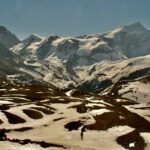
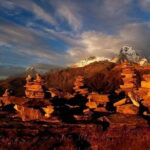
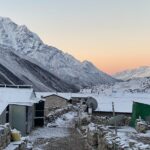
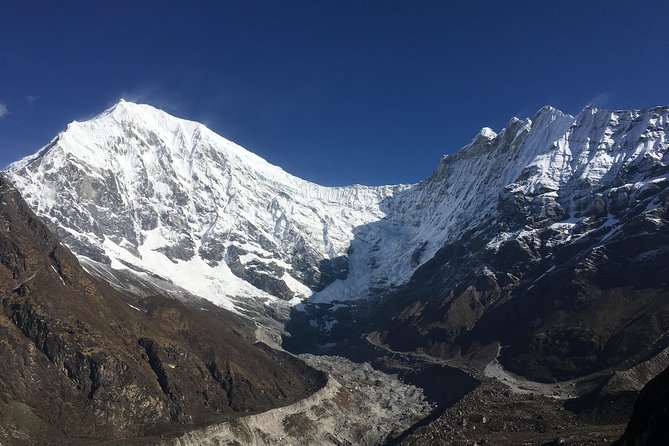
Then comes the payoff: you climb to a moraine viewpoint where you finally see Kyanjin Gompa monastery and an impressive icefall flowing from peaks of Langtang Lirung and Kimshung. This is the moment when the trek stops being only effort and becomes awe.
Crucially, the itinerary also builds in acclimatization time. You’ll have enough time to explore around and visit the Nyingmapa school monastery before you reach Kyanjin Gompa for the night. I’m a big fan of that pacing. It reduces the chance you arrive exhausted and only have time to check in and collapse.
Tsergo Ri from Kyanjin Gompa: steep switchbacks, prayer flags, and mountain panorama
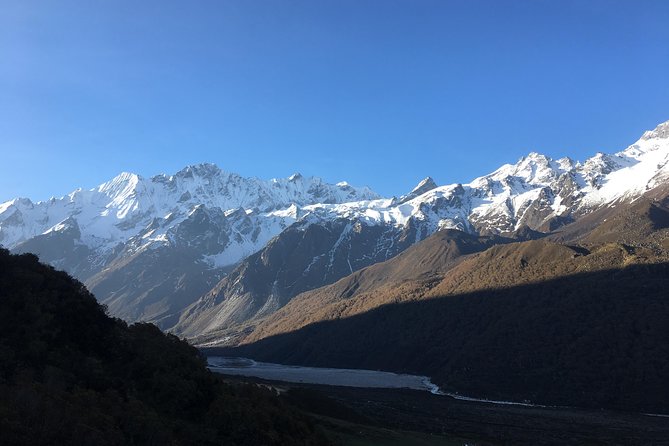
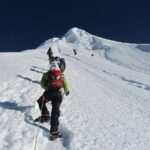
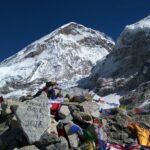
Day 7 is the tough one. The climb from Kyanjin Gompa to the conical high viewpoint of Tsergo Ri is described as a tough five-hour climb. This is a “work for it” day: expect steep switchbacks and an effort level that feels noticeably harder than the previous walking.
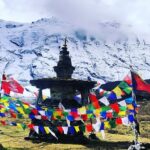
You start on the east trail toward Langshisha Kharka, cross a stream, then branch left by cairn up the side valley. The path passes stone huts of herders at Yala Kharka before the final steep push to prayer flags at the top.
What I like about this structure is that it uses gradual navigation points—east trail, a cairn turn, known herder areas—so the day feels trackable even if it’s physically demanding.
At the viewpoint, you get superb views of the mountain panorama, then you return to Kyanjin Gompa for the night. This matters because it avoids the commitment of a full overnighter high up. You get your summit-style experience, but you still sleep back at 3,800m instead of higher camps.
The return to Lama Hotel and back to Syabrubesi: don’t rush the descent
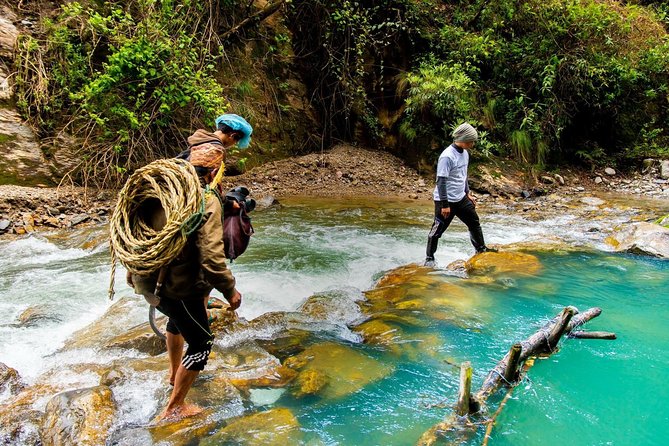
Day 8 is a straightforward retrace: trek back to Lama Hotel. This is where many people get careless. Descents feel easy at first, but they can punish your knees and ankles.
My advice: slow your pace early on the way down. Think shorter steps, more frequent micro-breaks, and keep your pack snug. You want your legs to be working fine again by Day 9.
Day 9 continues the return, trekking from Lama Hotel back to Syabrubesi the way you went earlier. On this kind of route, you’ll probably notice how your perspective changes. You’re no longer “chasing the next pass” as much as you’re processing the whole journey.
You also get a better read on what you missed: a gompa you didn’t stop for, a photo angle you didn’t take, a moment where you were too tired to notice the details.
Kathmandu again: the farewell photo review and what to do with your last free time
Day 10 drives you back from Syabrubesi to Kathmandu. This is marked as a leisure day, and it’s a smart choice. Your legs will likely be tired, and your brain will want “normal life” for a few hours.
The itinerary includes time to buy gifts and souvenirs, plus a farewell where you review great photos and share experiences. I like the structure here because it turns the trip into something you can remember clearly later, not just a blur of days and elevations.
Day 11 is simple: you’re dropped to the airport for your flight onward destination. If you want to extend, the information provided says you can consult for options like game drive at national parks, rafting, mountain biking, and tours to Tibet, India, or Bhutan.
Price and value: does $1,249 make sense for what you get?
The stated price is $1,249 per person for this 11-day trek in Nepal, starting from Kathmandu and ending with airport drop.
Here’s what you’re getting value for, based on the included items:
- Pickup and drop by car/van/bus
- TIMS card (Trekkers Information Management System)
- Langtang National Park area entry permit
- English-speaking guide
- Three meals with three cups of tea or coffee a day (plus the itinerary’s listed breakfasts, lunches, dinners)
- Lodging and the standard trek-support setup implied by the meals count
- Small trek treats like Snickers and Oreo cookie snacks
- A company duffel bag and a t-shirt, plus a trip certificate
- Kathmandu to Syabrubesi by bus, and the reverse via Dhunche to Kathmandu by bus (plus the later drive segment back)
Those inclusions matter because they remove a lot of typical “hidden friction” costs. Permits and the TIMS card are often the kind of thing that distracts you when you’re already busy adjusting to altitude.
What you still need to budget separately:
- Nepal entry visa fee and international air fare
- Your own travel medical insurance and emergency evacuation cost
- Tips for the guide
- Personal expenses like alcohol, hot shower, and buying your own water bottle/cold drinks/hot water if needed
- Battery charging donations and any extra expenses not listed
The big value question for you: are you comfortable letting someone handle permits, meals, and the trekking support thread? If yes, $1,249 starts to look reasonable because you’re not just buying a route—you’re buying reduced admin stress.
What the itinerary means for your body (fitness, altitude, and pacing)
This trek is described for travelers with moderate physical fitness. I’d treat that as a real signal. The itinerary includes long trekking days plus a hard turnaround into the five-hour climb to Tsergo Ri.
Altitude is also not just a number here. You climb from Syabrubesi into 2,300m+ territory and steadily go higher until 3,800m. Then you do a steep viewpoint climb and come back down the same day.
So, who should consider booking:
- You want a classic Langtang route with cultural stops (monasteries, pilgrimage sites in Kathmandu)
- You enjoy a mix of forest walking, bridge crossings, and village days
- You can handle one standout challenging day (Tsergo Ri)
Who might reconsider:
- You want a low-commitment hike with minimal altitude effort
- You know you struggle with steep, sustained climbs (because the Tsergo Ri day is a clear test)
Should you book this Langtang Kyanjin Gompa Trek?
Book it if you want a trek that balances mountain payoff with human places—villages, monasteries, prayer flags, and the steady rhythm of a route designed for acclimatization. I also think it’s a strong choice if you appreciate support and clarity: the guide is English-speaking, permits and TIMS are included, and you’re not left guessing about the Nepal paperwork side.
Don’t book it if your priority is an easy walk or if your schedule can’t handle altitude days. Also, factor in what’s not included: visa, your medical/evacuation insurance, tips, and the personal stuff like hot shower or battery charging.
If you’re the type who likes to be self-reliant but not alone in decision-making, this one lands in a good middle spot. You get structured days, but the trek still feels like an honest experience of Langtang—not just a box-check parade.
FAQ
What is the duration of the Langtang Kyanjin Gompa Trek?
The trek duration is listed as 11 days (approx.).
What is the highest point you reach on this trek?
Kyanjin Gompa is at about 3,800m. The itinerary also includes a climb to the Tsergo Ri viewpoint above Kyanjin Gompa, and the information notes optional higher extension routes to Kyanjin Ri (4,783m) or Tserko Ri (4,984m).
Do I get picked up and dropped off?
Yes. Airport pickup and drop are included, and you’ll also have road transport connected to the trek from Kathmandu to Syabrubesi and back.
Where does the trip start in Kathmandu?
The meeting point in Kathmandu is at Alpine Hotel & Apartment, P896+27V Opp Manang Hotel, Chaksibari Marg, Kathmandu 44600, Nepal.
Are meals included?
Yes. The tour includes three meals with three cups of tea or coffee a day, and the itinerary also lists specific breakfast, lunch, and dinner counts.
Is there a guide, and what language do they speak?
Yes. An English speaking guide is included.
What permits are included?
The tour includes the Langtang National Park area entry permit and a TIMS card.
What costs are not included?
Not included are the Nepal entry visa fee, international airfare, travel medical insurance and emergency evacuation cost, personal equipment, and tips for the guide. Personal expenses like alcohol, hot shower, cold drinks, hot water, and battery charging donations are also not included.
Can I cancel for a full refund?
Yes, cancellation is free up to 24 hours in advance of the experience start time for a full refund. If it’s canceled due to poor weather, you’ll be offered a different date or a full refund.