REVIEW · KATHMANDU
Annapuran Base Camp Trek
Book on Viator →Operated by Well Plan Trekking · Bookable on Viator
A trek to Annapurna Base Camp feels bigger than the map. This one is designed for solid logistics—drives, permits, meals, and a real guide—so you can focus on walking, altitude, and village life. I especially like the way the route threads through Ghandruk and into the high country without making the travel day the main event.
I also like that this trip leans on strong support: an English-speaking guide plus Sherpa helpers/porters who bring the load and handle the behind-the-scenes stuff like meals, accommodation, and insurance. One possible drawback: the “duration: 2 days (approx.)” label doesn’t match the full walking plan, which is laid out across an 11-day itinerary from Kathmandu arrival to departure, so plan on more than a weekend getaway.
In This Review
- Quick hits before you commit
- Kathmandu and Pokhara: the easy part that sets your tone
- The real value: guide, porters, permits, and meals that reduce stress
- Ghandruk to Sinuwa: the village start before the altitude gets serious
- Sinuwa to Deurali: where weather can turn fast
- Deurali to Annapurna Base Camp (4,130m): the payoff is real, but pacing wins
- Base Camp down to Bamboo and Jhinu: recovery via altitude loss
- Jhinu to Nayapul, then Pokhara: finishing with perspective
- Price and logistics: does $741.34 per person make sense?
- Fitness level and who this trek fits best
- Should you book this Annapurna Base Camp trek?
- FAQ
- How long is the Annapurna Base Camp trek in this plan?
- What’s included in the $741.34 per person price?
- Do I need travel and rescue insurance?
- Are airport transfers included?
- What kind of accommodation do you get during the trek?
- Are permits handled for you?
- Is this a private tour?
- Is pick-up offered?
Quick hits before you commit
- Ghandruk as your cultural on-ramp: you start with village scenery and community atmosphere before altitude climbs.
- Permits handled for you: Annapurna Conservation permit and TIMS are included, which saves hassle and keeps things official.
- Private group, not a cattle truck: it’s a private tour, so the pace can be shaped around your needs.
- Support is built in: porters help with gear, and you get meals plus tea/coffee during the trek.
- High point and gradual descent: Base Camp sits at 4,130m, then you work your way down toward Jhinu Hot Spring.
Kathmandu and Pokhara: the easy part that sets your tone
Most people get nervous before a trek. You shouldn’t. The best part of a well-run Annapurna trip is that you can get your footing on day one—literally.
You arrive in Kathmandu (1,300m) and get an airport pickup by private car. Then you shift gears to Pokhara (820m) via a tourist bus for a 6–7 hour ride. This matters more than it sounds. When you’re headed uphill for days, it helps to break the journey into a calm start rather than a chaotic scramble.
In Pokhara, you also get two nights of accommodation with breakfast. That “buffer” day or two is useful if you’re adjusting to Nepal time, shopping for a few missing items (warm layers, blister basics), or simply taking in lakeside views while you wait for your trek to begin in earnest.
You can also read our reviews of more tours and experiences in Kathmandu.
The real value: guide, porters, permits, and meals that reduce stress
I love trips where the important stuff is handled. You’ll feel that here in four ways.
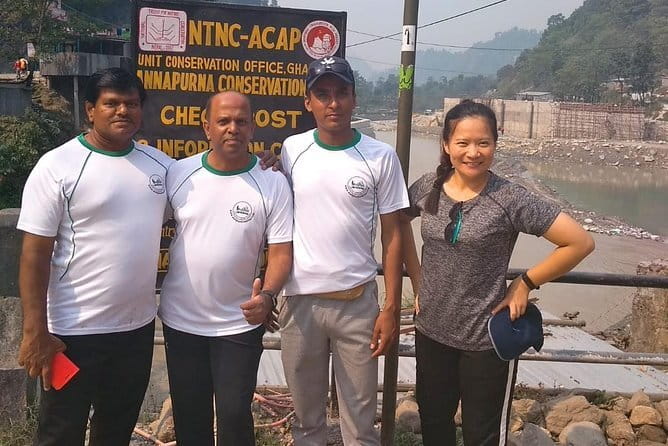
First, you’re not left guessing about paperwork. The itinerary includes the Annapurna Conservation permit and TIMS, which are the two core documents most treks in the region require. If you’ve ever tried to chase permits on your own in a busy city, you’ll understand why that’s valuable.
Second, you travel with an English-speaking trekking guide and Sherpa helper/porters. The included support package covers meals, accommodation, salary, and insurance for the porters. You still carry what you personally need, but you’re not fighting a heavy pack for 5–6 hours a day. That’s how you get to enjoy the views instead of just negotiating your shoulder straps.
Third, meals are set up during the trek: breakfast, lunch, and dinner, with a cup of tea or coffee included with those meals. In practice, this reduces decision fatigue. On mountain days, your brain should be focused on footing and pacing, not on hunting for food choices.
Fourth, your mountain lodges are arranged with comfort in mind: private rooms with shared toilets. It’s not a hotel, but it’s not a tent-and-pray situation either.
Ghandruk to Sinuwa: the village start before the altitude gets serious
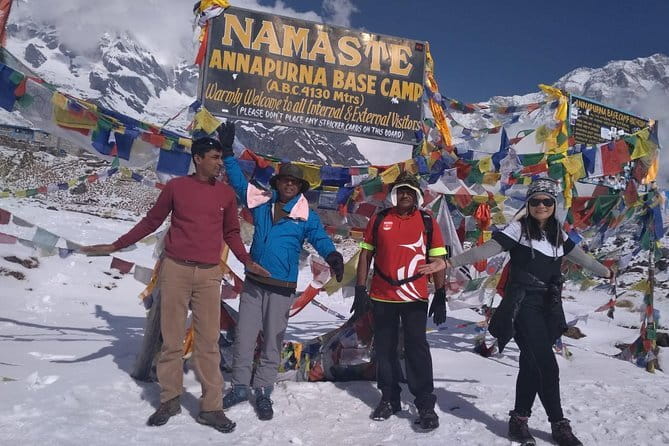
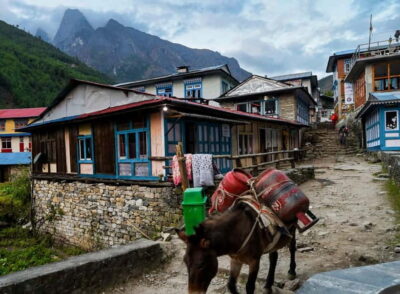
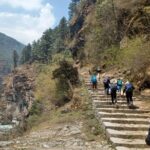
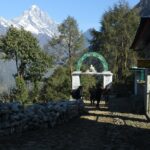
Your walking begins after a drive from Pokhara to Nayapul, then trek to Ghandruk (1,940m). This is one of the smartest ways to begin the Annapurna story: you ease into the route through a place with real community energy, not just straight uphill trail.
From there, Day 4 is a trek from Ghandruk to Sinuwa (2,360m), roughly 5–6 hours. This is your first stretch where breathing starts to feel different. It’s also where you’ll notice the rhythm: steady movement, frequent rests, and the small skill of using your pace like a brake.
In the trip description, the route calls out time among the Gurung and Dalit communities. Even if your time with each community is brief, it changes the feel of the trek. You’re not only walking through scenery—you’re walking through a living region.
What to watch for here:
- Keep your first day calm. Your body learns altitude by day two and three.
- Don’t over-plan photo stops. Save your energy for the longer mileage later.
Sinuwa to Deurali: where weather can turn fast
Day 5 moves from Sinuwa to Deurali (3,230m) for about 6 hours. This is where the elevation climbs meaningfully, and it’s also where weather can stop being polite.
In the experiences people shared, the weather turned rough on the way up—rain and even hail were reported around the Deurali segment. The key takeaway for you: don’t assume conditions will match the forecast you first hear in Kathmandu. On this part of the route, having a rain layer isn’t optional.
If you’re choosing this operator, you’re also choosing a guide who handles the messy reality of mountain weather. One lead guide named Ram is specifically called out for preparing a raincoat when conditions went bad. That’s the kind of practical response that keeps your trip comfortable and keeps you moving safely.
Also, Deurali is a turning point. You’re now close enough to Base Camp that your body starts paying attention—so pace yourself and take breaks before you feel wiped.
Deurali to Annapurna Base Camp (4,130m): the payoff is real, but pacing wins
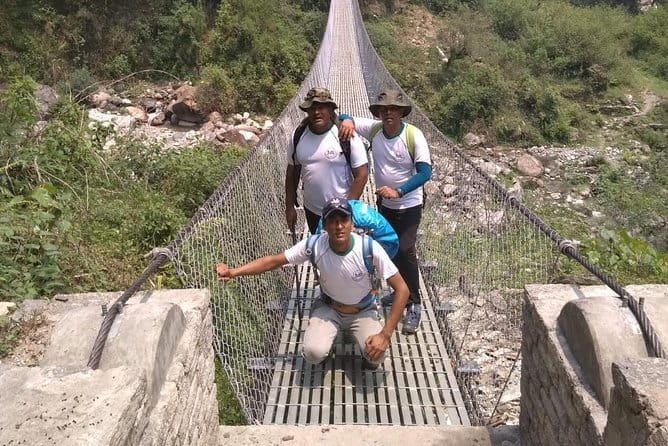
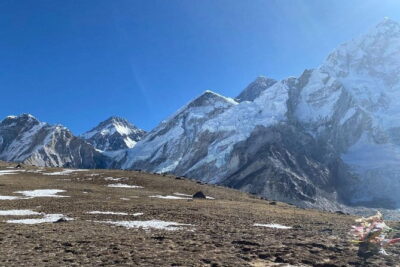
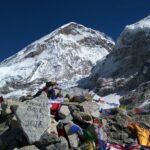
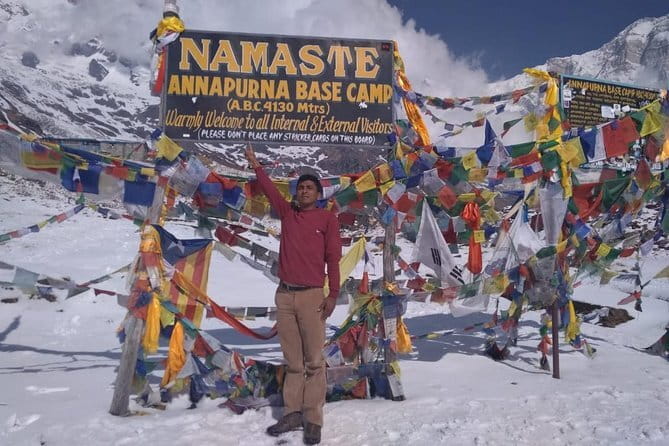
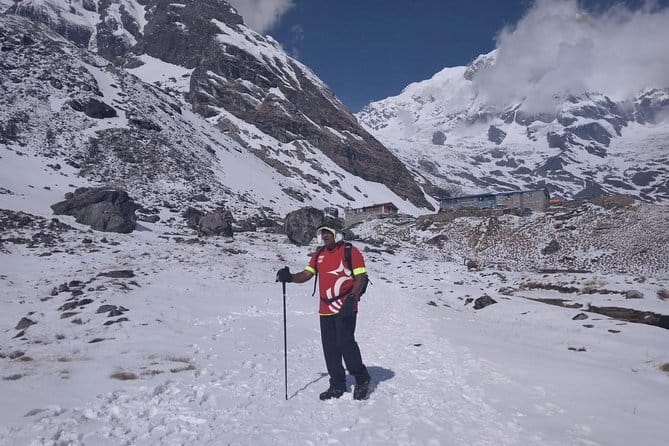
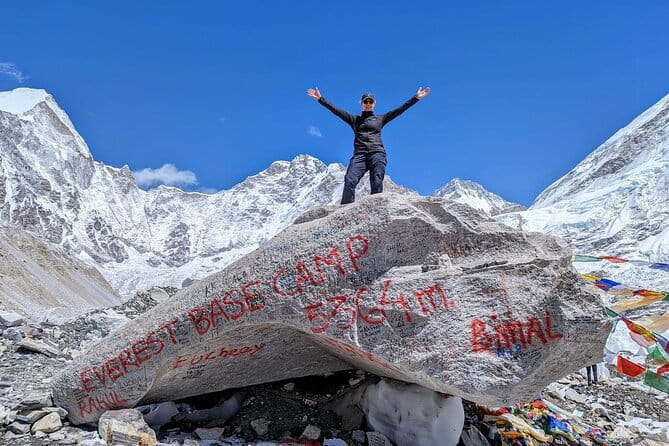
Day 6 is the big push: Deurali to Annapurna Base Camp (4,130m), about 5 hours. This is the moment people dream about. Reaching the base camp of Mt. Annapurna isn’t just a “walk to a viewpoint.” It’s a real altitude milestone.
Here’s the practical truth: the last stretch can feel slower than you expect. Don’t interpret that as failure. It’s just high elevation doing high elevation things—less oxygen, tighter breathing, and a body that asks you to move with patience.
If you get a safety-first guide approach (again, Ram is named in past trips), it usually means:
- steady pacing instead of sprinting for summit vibes
- frequent check-ins about how you’re doing
- quick adjustments if weather changes
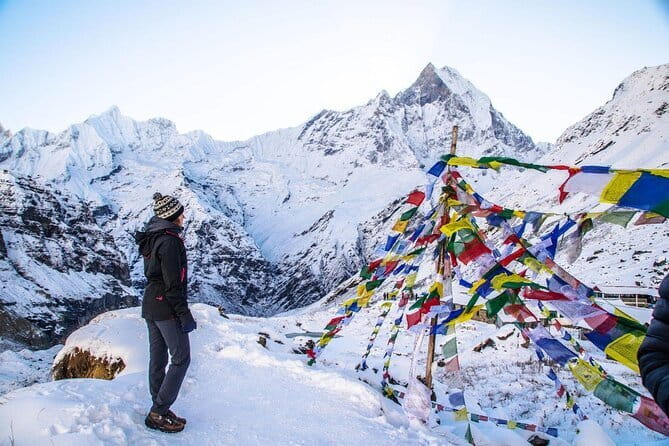
When you reach Base Camp, you’re not just standing there. You’re surrounded by the culmination of days of climbing and regrouping. This is also where you should build in a little extra time for photos and just staring at the scale of it.
Base Camp down to Bamboo and Jhinu: recovery via altitude loss
After Base Camp, the plan switches from climbing to restoring.
Day 7 goes from Annapurna Base Camp to Bamboo (2,340m), around 6 hours. That’s a big drop. It feels good, but it can also be rough on knees and quads. Your job is to let the descent work for you without treating it like a race.
Day 8 is Bamboo to Jhinu Hot Spring (1,780m), about 5 hours. This day is more than a rest stop. Jhinu Hot Spring is a reward you earn after the tough climb, and you’ll likely appreciate it as a practical recovery tool—so your next walking day isn’t miserable.
In plain terms: this is where the trek stops feeling like punishment and starts feeling like a completed journey.
Jhinu to Nayapul, then Pokhara: finishing with perspective
Day 9 is Jhinu Hot Spring to Nayapul and then driving back to Pokhara (820m), about 7 hours combined. That long day can be a bit tiring, but it’s also the day you get your bearings again at lower elevation.
Then Day 10 is a drive from Pokhara to Kathmandu (1,300m) for 7–8 hours. After days in mountain lodges and trail schedules, a long car ride can feel like a nap you can’t fully enjoy—but it also gives you a chance to think back on what you did.
You finish with a departure day from Kathmandu.
Price and logistics: does $741.34 per person make sense?
At $741.34 per person, the question isn’t just whether it’s affordable. It’s whether what’s included saves you money and effort.
Here’s what you do get for that price:
- Kathmandu and Pokhara lodging (2 nights each) with breakfast
- An English-speaking trekking guide
- Airport pickup and drop in Kathmandu by private car
- Kathmandu–Pokhara–Kathmandu by tourist bus
- Permits: Annapurna Conservation permit and TIMS
- Porters/helpers with meals, accommodation, salary, and insurance
- Three meals a day during the trek, plus tea/coffee
- Mountain accommodation: private rooms with shared toilets
What you don’t get (important for budgeting):
- Travel and rescue insurance
- Alcohol and bar bills
- Personal expenses (phone charging, laundry, showers, etc.)
- Kathmandu and Pokhara lunch/dinner
- Tips for guide and porter
So the value is strongest if you want your trek organized end-to-end and you don’t want to scramble for permits, meal plans, and logistical coordination. If you’re the kind of traveler who loves planning every step yourself and already has insurance locked in, you might feel the cost is higher than a DIY plan. But if you want your energy to go into the trail, this price looks like it’s paying for that convenience.
One more practical note: this is a private tour. Private group travel often costs more, but it’s also what helps you avoid pace mismatch problems.
Fitness level and who this trek fits best
The tour notes suggest you should have moderate physical fitness. That’s a good sign. Annapurna Base Camp is still tough, especially at altitude, but this plan isn’t presented as a hardcore technical expedition.
You’ll likely be a great fit if you:
- want a guided experience with clear day-by-day structure
- can walk for 5–6 hours most trekking days
- prefer private group attention rather than a larger group pace
- care about having porters to help manage your load
You might think twice if you:
- need a very flexible schedule (this plan has defined trekking days and drive segments)
- are expecting a short, quick weekend trek (the walking plan here is laid out for much longer than two days)
Should you book this Annapurna Base Camp trek?
If you want the classic Annapurna Base Camp experience—village start, high-country climb, Base Camp goal, then a descent with Jhinu Hot Spring recovery—this itinerary style is a solid match.
I’d book it if:
- you value permits handled, meals organized, and a guide who keeps things moving
- you like the idea of private group travel with porter support
- you’re okay with the reality of mountain weather and packing rain gear
I’d pause before booking if:
- you’re confused by the “2 days approx.” label and want total clarity on how many days you’ll be traveling and trekking
- you don’t already have (or don’t want to buy) travel and rescue insurance, since it’s not included
FAQ
How long is the Annapurna Base Camp trek in this plan?
The itinerary is laid out across 11 days, from arrival in Kathmandu through trekking and drives, ending back in Kathmandu on the departure day.
What’s included in the $741.34 per person price?
It includes Kathmandu and Pokhara accommodation (with breakfast), a trekking guide, airport pickup and drop in Kathmandu by private car, Kathmandu–Pokhara–Kathmandu by tourist bus, permits (Annapurna Conservation permit and TIMS), porter support, and three meals per day during the trek with tea or coffee.
Do I need travel and rescue insurance?
Yes. Travel and rescue insurance is not included, and you’ll need your own policy.
Are airport transfers included?
Yes. There’s airport pick up and drop by private car in Kathmandu.
What kind of accommodation do you get during the trek?
You get mountain accommodation with soft comfort, usually in private rooms with shared toilets.
Are permits handled for you?
Yes. The Annapurna Conservation permit and TIMS are included in the package.
Is this a private tour?
Yes. It’s private, meaning only your group participates.
Is pick-up offered?
Yes. Pickup is offered, including airport pickup and drop by private car in Kathmandu.