REVIEW · SAPA
Sapa Hard Trekking villages 2D/1N: Homestay, Meals, English speaking guide
Book on Viator →Operated by Vietnam Tonkin Travel · Bookable on Viator
Rice terraces, homestays, and a real local welcome. This Sapa village trek in the Lao Chai, Ta Van, Y Linh Ho, and Giang Ta Chai area is built around terraced rice scenery and a hands-on English-speaking guide so you’re not just walking through views—you’re understanding how people live in them. I also like that the plan includes an overnight homestay experience instead of a rushed sightseeing loop.
One possible drawback: the tour lists a formal dress code, which can feel odd when you’re headed onto muddy, hillside paths.
In This Review
- Key things I’d focus on before you go
- Golden Villa Hotel meet-up and how the 2-day clock works
- Day 1 trek: Ta Van, Y Linh Ho terraces, Lao Chai, then a Giay homestay
- Homestay night: dinner with a Giay family, rooster wake-ups, and shared bathrooms
- Day 2 trek: bamboo forest, silk waterfall, and a picnic lunch at Giang Ta Chai
- English-speaking guides and the small-group pace that makes it work
- Meals, homestay cooking, and what’s included vs. what you’ll buy
- Price and value: what $70 covers, and where extra costs show up
- Should you book this hard trek villages 2D/1N?
- FAQ
- What is the meeting point for the tour?
- What time does the tour start, and how does pickup work?
- Which villages are included on the trek?
- Is there an English-speaking guide?
- What meals are included in the price?
- Where will I sleep overnight?
- How big is the group?
- Are drinks included with meals?
- Is there a surcharge during Tet?
Key things I’d focus on before you go
- Small group size (max 15): easier questions, calmer pace, less waiting around.
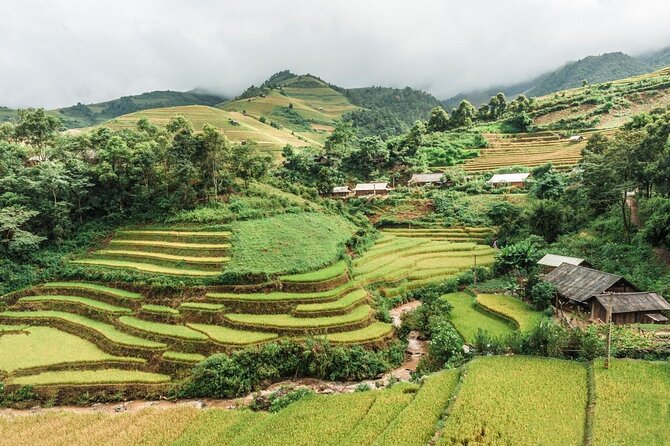
- Terraces that are said to be around 100 years old: you’ll see why locals protect and farm these slopes.
- A homestay night with dinner and cooking: you’re part of the evening routine, not an outside observer.
- Day 2 includes bamboo forest and a silk waterfall trek: more than just village-to-village walking.
- You’re back in Sapa around 2:00PM on Day 2: helpful if you’re catching onward transport to Hanoi.
- Drinks aren’t included: plan on paying for water, tea, and anything stronger you want.
Golden Villa Hotel meet-up and how the 2-day clock works
This trek is timed for a full two days, with you getting into the hills right after lunch on Day 1. The meeting point is Golden Villa Hotel (075 Đ. Thạch Sơn, TT. Sa Pa, Sapa). If you’re staying in Sapa town, you may be picked up from your hotel around noon time. If you’re arriving via bus, you’ll likely be picked up from the bus office at 1:00PM and then transferred to Golden Villa for lunch.
After lunch, you depart at about 2:30PM. That timing matters because the light in the afternoon makes the rice terraces look much more textured than mid-day haze. It also means you’ll get your first village moments before dinner, instead of spending the whole first day just traveling.
On Day 2, breakfast comes early, then you trek again through the villages and nature areas. You should return to Sapa around 2:00PM, shower, and then have a 3:00PM shuttle to the bus office for your onward trip to Hanoi. That “back by mid-afternoon” rhythm is one of the practical reasons I like this format: it gives you a clear plan, rather than stretching the day into the evening.
Day 1 trek: Ta Van, Y Linh Ho terraces, Lao Chai, then a Giay homestay
Day 1 starts with Ta Van Village. You’ll walk a path that connects multiple ethnic minority communities, with stops that build from viewpoints to village life.
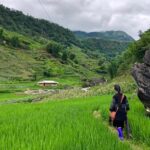
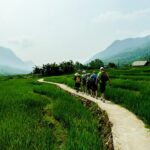
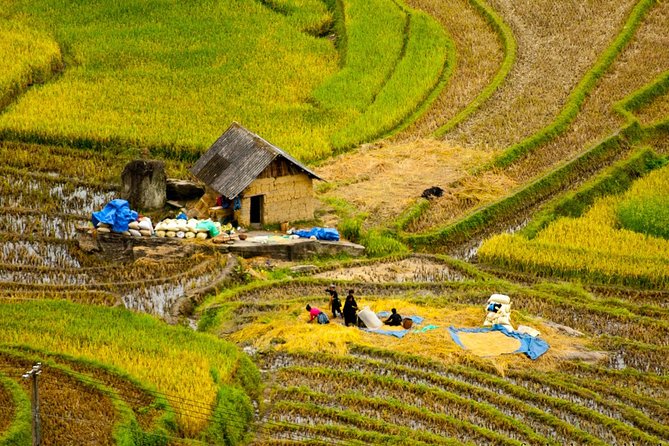
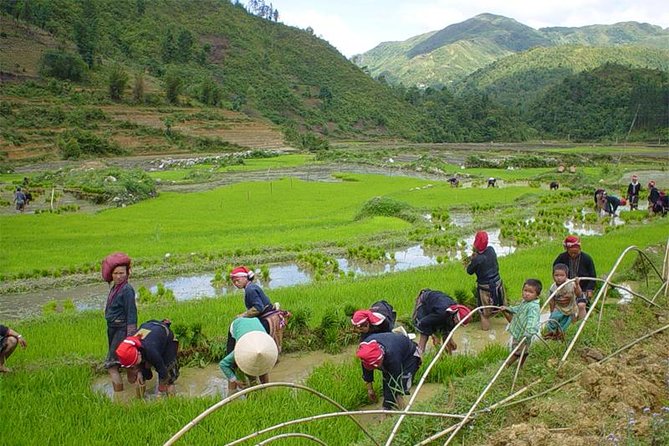
From Ta Van, the walk continues toward Y Linh Ho, a village associated with the Hmong minority. This is where you’ll get a classic Sapa photo payoff: terraced fields described as being about 100 years old. The terraces aren’t just scenery here. They’re the structure that shapes daily work—where water flows, where people plant, and how paths link homes.
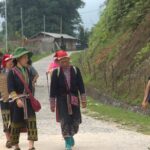
Next comes Lao Chai, often treated as a “Hmong home” stop in this itinerary. You’ll take a short break there, with drinks and scenic views. Then the trek continues onward to Ta Van again, where you’ll be welcomed by a Giay family and spend the night in their home-stay.
The route is long enough to feel like a real trek, and that’s the point. But it’s also thoughtfully staged. You’re not spending the entire afternoon hiking in the dark. You’ll have time for breaks, drinks, and village interactions before you settle in.
Small note on expectations: while the tour centers on these villages, you may hear guide-driven route variations on some departures. For example, a guide named A Lu has been described as leading a trek that includes areas like Cat Cat and Sin Chai in past experiences. If you want a precise day-by-day map of every exact path, ask your guide on the day about where you’ll go next and what the order will be.
Homestay night: dinner with a Giay family, rooster wake-ups, and shared bathrooms
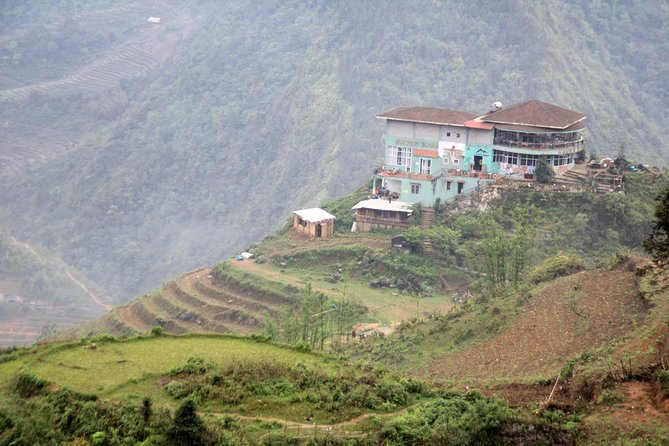
The homestay portion is where the experience shifts from sightseeing into a genuine cultural exchange. After arriving at Ta Van and getting settled, you’ll have time to join the family for cooking and dinner. That matters because it changes what you’re doing. Instead of only photographing daily life, you’re learning how people prepare food and how the house works as a social space.
On the comfort side, this is described as a homestay with private room/ sharing bathroom options. That’s a clear heads-up for your packing choices. You should plan for basic facilities rather than hotel-level privacy. A shower is included later in the trip on Day 2 when you return to Sapa, but your overnight setup is simpler.
Also, expect early morning. The Day 2 description explicitly mentions waking up to sounds from animals on the property, like a rooster or pigs. That’s not a complaint—it’s just rural reality. If you’re a light sleeper, bring earplugs.
In my view, the best homestay nights come from a simple mindset: be polite, ask before you touch things, and remember that you’re stepping into someone’s real schedule. This tour gives you the structure (shared dinner and cooking), so you can relax and participate without awkward gaps.
Day 2 trek: bamboo forest, silk waterfall, and a picnic lunch at Giang Ta Chai
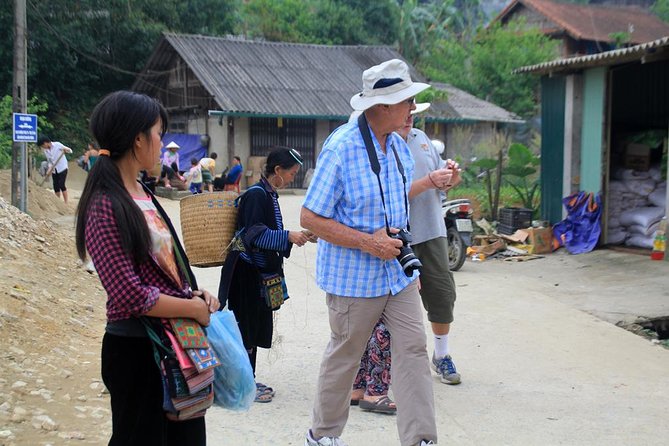
Day 2 begins with breakfast outdoors. The description calls out pancakes plus hot tea or hot coffee, served with views across the rice terraces. Eating here is more than a meal. It’s your first “big-picture” moment of the day, where you can see the farming slopes and how villages sit in the valley system.
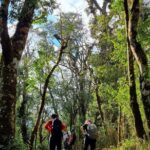
After breakfast, you say goodbye and start trekking through an area described as an enchanting bamboo forest and toward a silk waterfall. Again, the value is that this isn’t only village-to-village. You get nature in the mix, and it breaks up the walking so the day feels varied.
After a few hours, you stop for picnic lunch with the scenic views. I like that this lunch is positioned as a reward. A trekking day can feel repetitive if you only eat at the end, so having the picnic halfway keeps energy steady and makes the walking feel purposeful rather than grindy.
Then you return to the main road and catch a car or mini van back to Sapa. You’ll get back around 2:00PM, then shower at your hotel, and meet the 3:00PM shuttle timing for your bus check-in to Hanoi. That flow is practical for planning the rest of your trip.
English-speaking guides and the small-group pace that makes it work
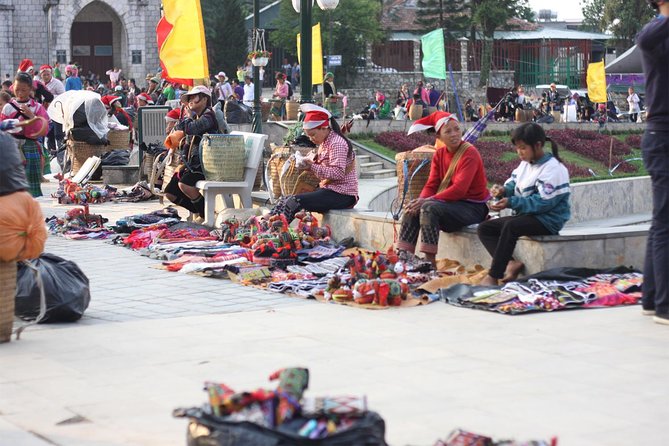
The tour is described with an English-speaking guide, and that’s a big deal in this part of Vietnam. You’ll be around multiple ethnic communities with their own traditions, and without explanation the experience can turn into a photo sprint.
In past experiences connected to this route, guides like A Lu have been praised for solid English and for explaining details about villages and ethnic minorities. Another guide name you might hear associated with this trekking style is May Trang, who’s been described as powerful and helpful on the trail.
What I appreciate is that the guide role isn’t presented as a lecture. It’s practical: they help you time the walk, interpret what you’re seeing, and keep the group moving. With a maximum of 15 travelers, you’re unlikely to disappear into a crowd. Questions land, and you can actually understand answers.
Pace-wise, this is a trekking plan with long hours outdoors. The tour says most travelers can participate, so it isn’t positioned as a technical mountaineering trip, but you should still expect uphill walking and uneven ground. If you’re deciding between “easy sightseeing” and “active trail time,” this clearly leans toward active.
Meals, homestay cooking, and what’s included vs. what you’ll buy
For meals, you’re covered in a clear way:
- Breakfast on Day 2
- Dinner on the homestay night
- Lunch (2 times)
That’s a strong inclusion because trekking days in Sapa can make food costs add up fast. You’ll also save time. With meals included, you spend less time searching and more time walking.
What’s not included is drinks (including alcoholic drinks). Drinks are available to purchase, so you’ll want a small cash stash or a plan for paying at convenient points. This matters because tea and water are not optional if you’re sweating on hillside paths.
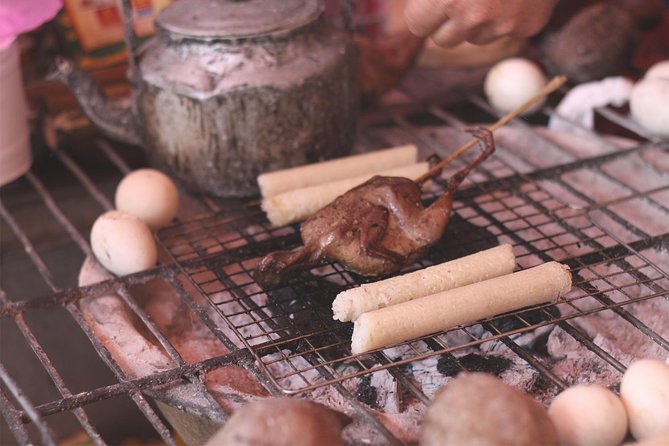
For the homestay dinner and cooking, expect simple, local-style food rather than restaurant dining. That’s usually a good thing. Meals become part of the cultural rhythm, and you’ll taste what people actually eat at home.
Also included are the local guide, hotel pickup and drop-off, and activities. There are also admission tickets included, though the specific attractions aren’t listed in detail. The practical takeaway is that you’re not expected to pay separate entry fees at every village stop.
Price and value: what $70 covers, and where extra costs show up
At $70 per person for roughly 2 days / 1 night, this trek is priced like a budget-friendly way into Sapa village life. The value comes from the combination of:
- guided trekking across multiple villages
- an overnight homestay
- meals: breakfast, dinner, and two lunches
- pickup/drop-off service
If you tried to build this independently—guiding, transport between Sapa and trail access points, and a real homestay—your costs would likely climb quickly, especially with the time you’d spend organizing it.
The main extra cost items are straightforward:
- drinks and alcohol (not included)
- a Tet holiday surcharge of $35 per person on dates listed for that period (Feb 14–23, 2026 and also noted as Feb 2025 dates in the same line)
Two other details worth noting for value:
- The group size cap at 15 helps keep the experience from turning into a mass-tour shuffle.
- Pickup and return logistics are planned so you’re not stuck negotiating transport when the trek ends.
If you’re trying to keep costs controlled in Vietnam, this structure is why it works. You pay once, then the main part of the experience is handled.
Should you book this hard trek villages 2D/1N?
Book this if you want:
- multiple village stops in a short time
- a real homestay dinner setup (not just a photo stop)
- an English-speaking guide who can explain what you’re seeing
- a trek that returns you to Sapa by early afternoon on Day 2
Skip it (or at least think twice) if:
- you hate the idea of a rural homestay setup with sharing bathroom
- you’re sensitive to early morning animal sounds
- you expect a strict “comfortable hotel” experience throughout
- the word formal on the dress code list feels hard to work with for you (though you can still dress nicely and bring practical layers)
For most people, this is a good value way to do the hill-tribe village side of Sapa without spending days planning. You’ll trade a little comfort for a lot of real contact—cooking, conversations, terrace views, and trail time.
FAQ
What is the meeting point for the tour?
The tour meets at Golden Villa Hotel, 075 Đ. Thạch Sơn, TT. Sa Pa, Sa Pa, Lào Cai 330000, Vietnam.
What time does the tour start, and how does pickup work?
The start time is listed as 1:00PM. The tour notes hotel pickup in Sapa town center at noon time, and also says you can be picked up from the bus office in Sapa at 1:00PM to go to Golden Villa Hotel.
Which villages are included on the trek?
The itinerary includes Ta Van Village and Y Linh Ho on Day 1, with Lao Chai and then another return to Ta Van for the homestay night. Day 2 includes a trek to Giang Ta Chai Village.
Is there an English-speaking guide?
Yes. The tour description specifies an English speaking guide, and a local guide is included.
What meals are included in the price?
Breakfast is included on Day 2, dinner is included on Day 1 at the homestay, and lunch is included twice during the tour.
Where will I sleep overnight?
You’ll stay in a local house/homestay. The included details say private room/ sharing bathroom is part of the setup.
How big is the group?
This tour/activity has a maximum of 15 travelers.
Are drinks included with meals?
No. Drinks are not included, though they can be purchased during the trip.
Is there a surcharge during Tet?
Yes. There is a surcharge of $35 USD per person on Tet holiday dates listed for Feb 14–23, 2026 (and also shown as part of the listed period for 2025).