REVIEW · MU CANG CHAI
Full Day Private Trekking Mu Cang Chai
Book on GetYourGuide →Operated by Indigenous Adventures · Bookable on GetYourGuide
Lacing up for rice-country trails feels like time travel. This full-day private trek in Mu Cang Chai lets you see rice terraces plus H’mong villages, a waterfall, and photo stops that don’t feel like a cookie-cutter tour.
I really like two things here: the guiding, especially when Yien is leading, and the included meal. His English is strong and he’s good at turning the scenery into context, including how local people live around these terraces—and the lunch prepared for the day tastes local and genuinely satisfying.
One heads-up: this is not a gentle walk. Expect plenty of ups and downs, and you should skip it if you have back problems or you’re not comfortable hiking for most of the day.
In This Review
- Key things to know before you go
- Mu Cang Chai in one day: what you really experience
- Pickup and getting into the real trekking zone
- Morning trekking: Hau De village, Hau De waterfall, and the Hill of Wind
- Stop at Hau De village
- Hau De waterfall break
- Set food on the Hill of Wind
- Terrace viewpoints that feel like they have names for a reason
- Mũi Giày viewpoint and the terrace shapes
- Lunch break on the way
- Afternoon La Pán Tẩn: Raspberry hill, panoramic views, and terrace center time
- Entry to Đồi Mâm xôi La Pán Tẩn
- Center of the terrace fields
- Panoramic hill
- The guide matters more than you think (and Yien proves it)
- Pace, terrain, and who should do this trek
- Price and value: is $67 actually fair?
- What to bring so the day feels fun, not hard
- Should you book the Full Day Private Trekking Mu Cang Chai?
- FAQ
- FAQ
- How long is the Full Day Private Trekking Mu Cang Chai tour?
- Where does the tour take place?
- How much does the tour cost?
- Is lunch included?
- Is water included?
- Do I get pickup and drop-off?
- What languages is the guide available in?
- Is there an entry ticket included?
- Who is this tour not suitable for?
- What should I bring for the trek?
Key things to know before you go
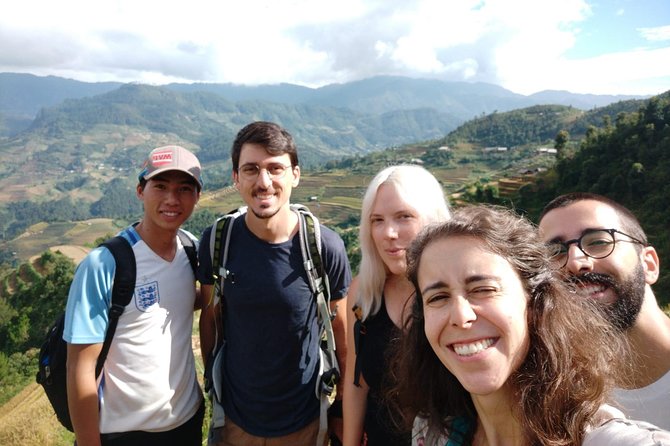
- English-speaking local guide Yien: friendly, clear explanations that connect views to real daily life.
- Hau De village + Hau De waterfall: a morning route that mixes culture and nature, not just viewpoints.
- Signature terrace viewpoints: Mâm Xôi bé, Mũi Giày, and entry access to Đồi Mâm xôi La Pán Tẩn.
- Lunch and 1.5L water included: local-style food, plus a big water bottle for the trek.
- Private group pacing: you can move at a human speed and spend time where your eyes land.
- Steady physical effort: the terrain is loopy and uneven, and it adds up over about 10km.
Mu Cang Chai in one day: what you really experience
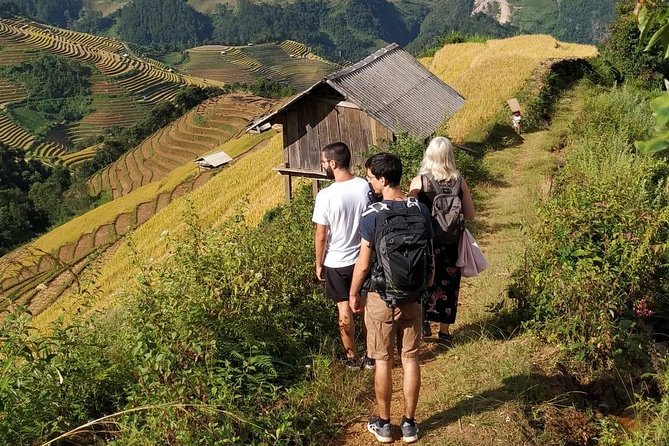
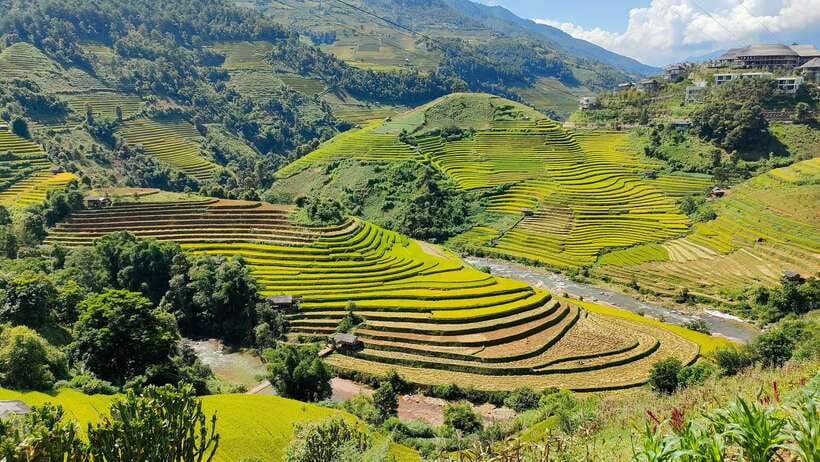
Mu Cang Chai looks famous on posters because the rice terraces are dramatic. But on this trek, the terraces are only part of what you’re taking in. The day is built around moving through villages and small paths where you’re not stuck staring at a viewpoint from a distance. You walk into the rhythm of the area—up, down, pause, listen, look again.
You’ll also learn what the terrace scenery means locally. The H’mong guide doesn’t just point at rice steps and say nice. He explains how people live with the land and why certain spots matter. That turns the day from sightseeing into understanding.
And since it’s private, the route feels less like a checklist and more like a personal day out with a local translator plus a strong sense of direction.
You can also read our reviews of more tours and experiences in Mu Cang Chai.
Pickup and getting into the real trekking zone
This is set up as a private experience, so you’re not crammed into a big bus herd. You start with pickup from a set of options around the area, including places like Le Champ Tu Le Resort Hot Spring & Spa in Tú Lệ (QL32). If you’re being picked up there, plan to wait at the hotel entrance about 5 minutes before your scheduled time.
What matters for your day: you’re trying to start trekking early enough that the terraces and villages feel alive, not late and sleepy. When the group is private, your start time and pace are easier to manage, and your guide can keep you on the best-feeling path for the day’s light.
Also, because pickup and drop-off are included within a small radius around Nga Ba Kim market, you’re not spending time negotiating taxis or trying to guess local transport schedules mid-trek.
Morning trekking: Hau De village, Hau De waterfall, and the Hill of Wind
The morning sequence is where the trip earns its keep. At 8:00, you start trekking toward the paddy fields. This is when you get that first big shift: you’re not just walking along a roadside path—you’re moving through the terrace environment with real elevation changes.
Stop at Hau De village
Around 8:30, you’ll reach Hau De village. This is where you get your first taste of local life connected to the terraces. Instead of watching from behind a railing, you’re walking through the spaces locals use. It’s the kind of place where you tend to slow down just to notice the details—because there’s always something happening, even if it’s quiet.
Hau De waterfall break
At about 9:40, the route leads you to Hau De waterfall. Water adds a different texture to the hike. It can cool the air a bit and gives you a natural pause point. If you like photos, this is a good place to stop and reset your eyes before you head back toward the sharper terrace viewpoints.
Set food on the Hill of Wind
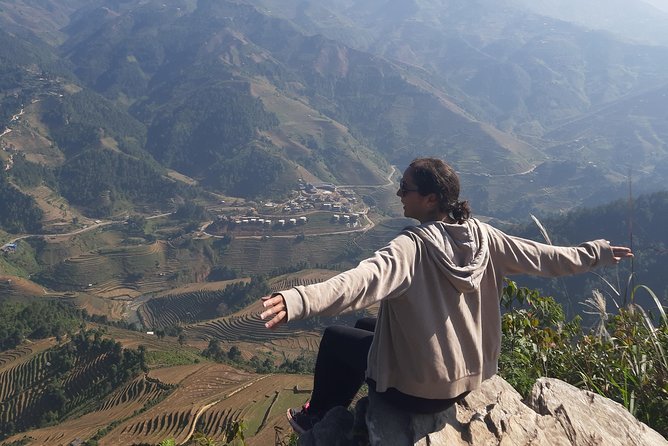
Around 10:30, you’ll reach the Hill of Wind, with views toward Mâm Xôi bé. This is a unique moment in the itinerary because it’s not only scenic; it’s also tied to local custom. Even if you don’t fully know the meaning of every tradition point at first, your guide can explain the context so the stop doesn’t feel random.
Practical tip: this is a good time to keep your daypack organized. You’ll likely want sunscreen, water, and your camera ready without digging around every time you stop.
Terrace viewpoints that feel like they have names for a reason
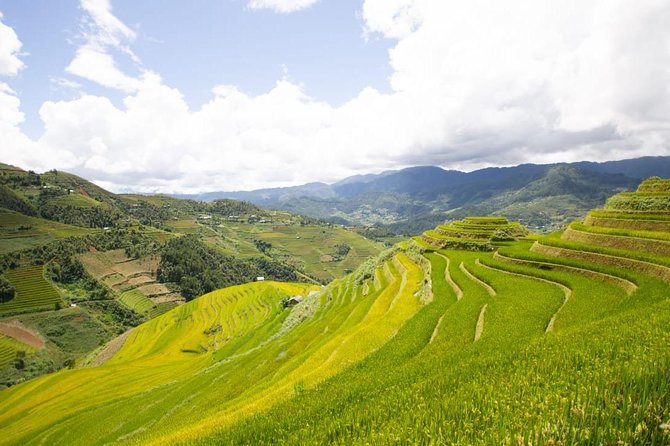
After the morning village-and-water mix, the trek becomes more about rice terraces and specific viewpoints. That’s where Mu Cang Chai earns its reputation.
Mũi Giày viewpoint and the terrace shapes
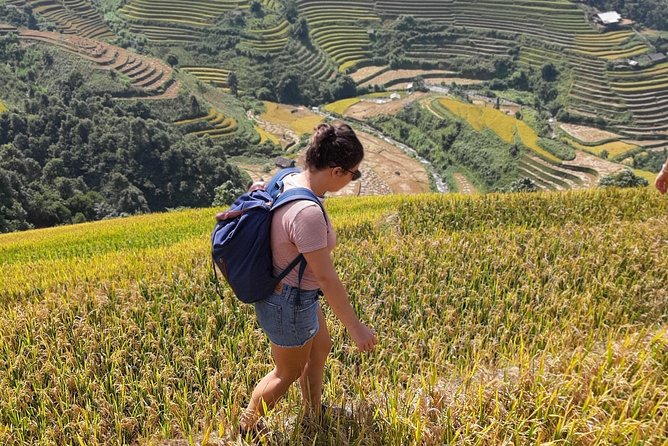
By about 11:30, you reach the shoe rice field viewpoint (Mũi Giày). The name is playful, but the view is serious. You’re looking at terrace formation in a way that makes the area feel crafted by generations of farming work—not just a natural slope that happened to become scenic.
If you like photography, you’ll appreciate how the terraces here are arranged so you can see patterns from multiple angles as you walk.
Lunch break on the way
Around 12:00, it’s lunch time. You’ll get local-style food, and vegetarian or vegan options are welcome. In a private trek, lunch isn’t rushed through a crowd. You can eat, sit, breathe, and let your legs recover for the afternoon push.
One thing I’d plan for: the altitude-like feeling from constant up/down walking can make you hungrier than you expect. The included water bottle (1.5L per person) helps you avoid that mid-day dehydration spiral.
Afternoon La Pán Tẩn: Raspberry hill, panoramic views, and terrace center time
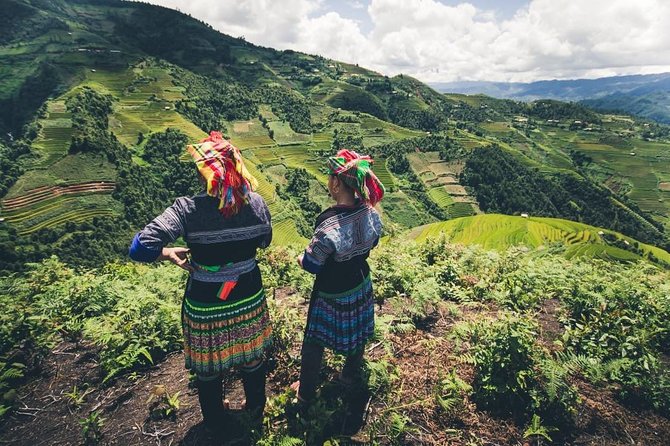
After lunch, you continue at about 13:00. This is when you transition deeper into the core terrace experience.
Entry to Đồi Mâm xôi La Pán Tẩn
At around 14:00, you check in Raspberry hill rice field (Đồi Mâm xôi La Pán Tẩn). This part is meaningful because it includes entry tickets as part of the experience. You’re not just admiring from outside a boundary; you’re actually getting access to one of the terrace zones that people come for.
Also, the name Raspberry hill matches the way the terrace sections can read visually from a distance, depending on the season and the angle. Your guide will help you spot what you’re looking at so it feels more like learning than just staring.
Center of the terrace fields
At around 14:30, you visit the center of the terrace fields. This is a good stretch of time to slow down and look beyond the biggest view. The center area gives you a sense of how the terraces connect—paths, steps, and viewpoints that make the farming system feel like a living map.
Panoramic hill
By around 15:40, you enjoy the view at Panoramic hill. This is your classic finish-view moment, but it lands better because you’ve earned it. Your legs have already worked, your eyes have adjusted, and now the wide perspective feels like reward instead of just another stop.
Then around 16:00, you head back toward the starting point.
The guide matters more than you think (and Yien proves it)
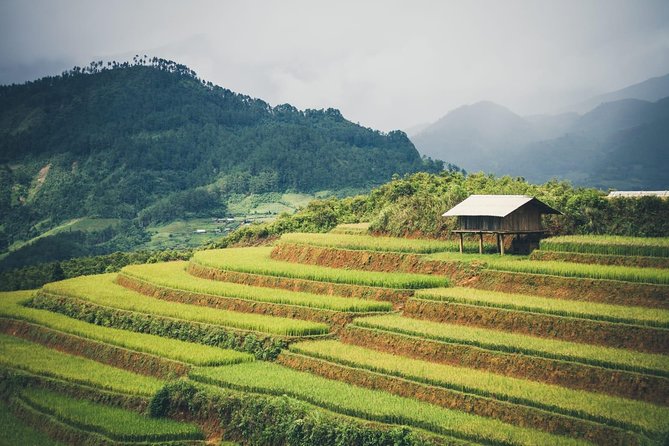
A good Mu Cang Chai trek is mostly about three things: route, views, and explanation. This one nails the explanation piece through the local H’mong guide.
In particular, Yien’s English comes through clearly, and he doesn’t treat questions like a nuisance. He’s also good at connecting customs and daily life to what you’re walking through. That’s why the day can feel like you’re getting more than photos: you’re getting answers.
There’s also a practical side here. When you’re moving through paths that aren’t aimed at tourists, a guide helps you avoid the “wrong turn” feeling that can happen when trails branch or when there are multiple ways to reach a viewpoint.
Pace, terrain, and who should do this trek
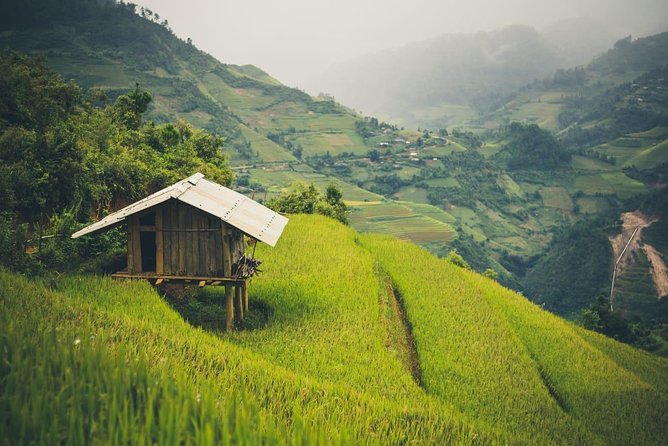
This is a full-day trek at about 8 hours, and the walking includes loopy up-and-down sections. Even if you’re fit, you’ll feel it by afternoon. One review described the trek as about 10km, which tracks with an itinerary packed with stops and viewpoint walking.
You should be comfortable with:
- uneven ground
- frequent short climbs and descents
- walking in sun exposure at times
This experience is not suitable for children under 5, pregnant women, people with back problems, wheelchair users, or people over 220 lbs (100 kg). If any of those apply, you’ll want to choose a gentler option.
If you’re unsure, think about your own comfort level on a long hike with steep moments. This isn’t a stroll.
Price and value: is $67 actually fair?
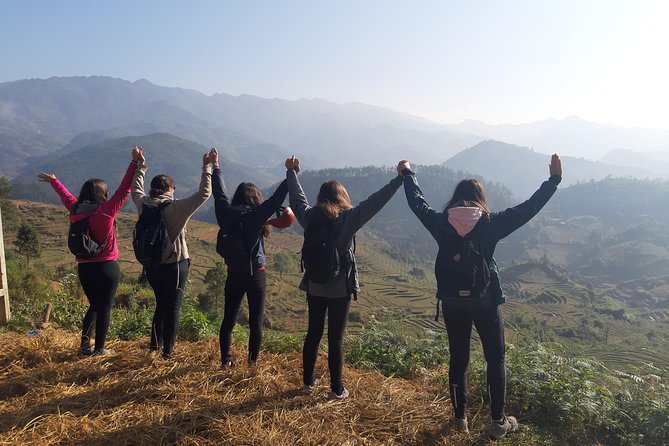
At $67 per person for a private full-day trek, this can be good value—mainly because the cost isn’t only the guide. You’re also getting:
- lunch (local style, with vegetarian/vegan welcome)
- 1.5L bottled water
- an English-speaking local guide
- entry tickets for Đồi Mâm xôi La Pán Tẩn
- pickup and drop-off within a set radius
What makes the math work: once you factor in transport coordination, a guide with local access, and paid entry, the price starts to make sense. You’re paying for a full day of experienced direction plus included essentials, and that reduces the hassle factor.
If you’re comparing it to joining a group tour with separate fees, the private setup often feels worth it. It can be especially appealing if your priority is spending time at the best viewpoints for your eyes rather than rushing on someone else’s schedule.
What to bring so the day feels fun, not hard
This trek gives you exactly what you need, but you still have to show up prepared.
Bring:
- hiking shoes (important for traction on uneven paths)
- sunscreen
- comfortable clothes you can move in
- a daypack
I’d also pack a small towel or tissue and keep your phone protected. Water breaks and waterfall stops are great, but you don’t want to be hunting for supplies mid-trek.
If you’re sensitive to sun, consider a hat. You’re outdoors for most of the day, and the terraces don’t offer constant shade.
Should you book the Full Day Private Trekking Mu Cang Chai?
If you want Mu Cang Chai without feeling like you’re sprinting between viewpoints, this is a strong choice. The combination of H’mong village time, Hau De waterfall, signature terrace stops like Mũi Giày, and entry to Đồi Mâm xôi La Pán Tẩn makes the day feel complete.
Book it if:
- you like walking with a purpose, not just driving to viewpoints
- you want an English-speaking local guide (and you care about explanations)
- you value included lunch and a water bottle that’s actually useful
Skip it if:
- you need a low-effort experience
- steep, uneven hiking is a no-go for your body
- you’re traveling with young kids or you fall into the tour’s stated unsuitability categories
FAQ
FAQ
How long is the Full Day Private Trekking Mu Cang Chai tour?
The duration is 8 hours.
Where does the tour take place?
It takes place in Dong Bac, Vietnam, around Mu Cang Chai.
How much does the tour cost?
The price is $67 per person.
Is lunch included?
Yes. Lunch is included and it can be vegetarian or vegan.
Is water included?
Yes. You get a bottle of water (1.5L per person).
Do I get pickup and drop-off?
Yes. Pickup and drop-off are included within about 3km around Nga Ba Kim market, with several pickup/drop locations listed.
What languages is the guide available in?
The tour has a live guide in English and Vietnamese.
Is there an entry ticket included?
Yes. Entry tickets to Raspberry hill rice field (Đồi Mâm xôi La Pán Tẩn) are included.
Who is this tour not suitable for?
It’s not suitable for children under 5, pregnant women, people with back problems, wheelchair users, and people over 220 lbs (100 kg).
What should I bring for the trek?
Bring hiking shoes, sunscreen, comfortable clothes, and a daypack.