REVIEW · KATHMANDU
13 Days Annapurna Base Camp Trek
Book on Viator →Operated by Trekking Guide Team Adventure · Bookable on Viator
Hitting base camp is a real shift in perspective. This 13-day Annapurna Base Camp trek is built for people with medium fitness, with 8 days of lodge trekking through villages and mountain scenery that keeps changing day to day. You’ll also get real human support on the trail, with English-speaking guidance from pros like Kabi Raj, Shambu, Krishna, Chris, and more.
What I especially like is that the trip is not just about walking. You get a guide and porter structure (one English-speaking guide plus one porter for each two tourists), which makes the long days feel manageable instead of stressful. And the included breakfast, lunch, and dinner during the trek means you’re not hunting meals at elevation.
The main drawback to plan for is that some comforts are limited. Expect no hot shower during the trekking, and you’ll still need to budget for gear, visa, tips, drinks, and a solid travel insurance plan.
In This Review
- Key things I’d watch before you go
- Annapurna Base Camp’s sweet spot: moderate effort, big-name peaks
- Kathmandu Hotel Thamel to Pokhara Splendid View: the plan before the first step
- How you’ll get from city to trail
- The 8 lodge days: what your day-to-day rhythm is really like
- Weather and how the trip responds
- Base Camp day: the views, the pause, and the reason people keep coming back
- Guides and porters: the difference between tough and tiring
- What you should plan for with the team
- Permits, TIMS, and insurance: the unglamorous part that protects your trip
- Price and value: what $999 covers, and what you’ll still pay
- Who should book this 13-day Annapurna Base Camp trek
- Should you book Trekking Guide Team Adventure for ABC?
- FAQ
- What time does the trek start?
- Where do the hotels fit in?
- What’s included during the trek?
- Are permits included?
- What’s the guide and porter setup?
- What do I need to bring?
- Is this trip refundable if I cancel?
Key things I’d watch before you go
- 8 trek days on normal Nepali tea houses instead of camping, so it feels steadier and simpler
- English-speaking guide + porter ratio (one guide and one porter for each two tourists) to keep you moving safely and comfortably
- Permits and TIMS are included, so you don’t have to chase paperwork in a time crunch
- Kathmandu (Hotel Thamel) and Pokhara (Splendid View) with 3-star bed & breakfast for 2 nights each
- Farewell dinner with cultural dance program, a nice cultural close to the trek
- Private transport for trek start and finish (Pokhara to Nayapul and Phedi back to Pokhara)
Annapurna Base Camp’s sweet spot: moderate effort, big-name peaks
Annapurna Base Camp sits right in the heart of one of Nepal’s most famous trekking regions. This trek is often called moderate, and that matters because it shapes how the days feel: you’re not looking at an extreme mountaineering style of challenge, but you are on your feet for real days in mountain terrain. If you have medium fitness and you’re willing to keep a steady pace, you’ll likely enjoy it.
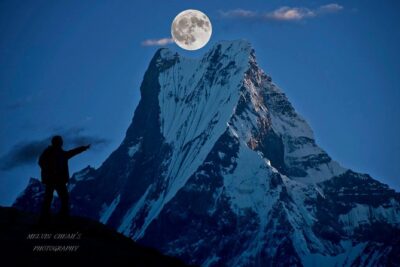
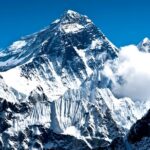
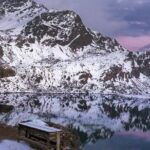
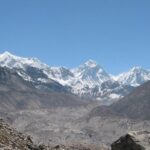
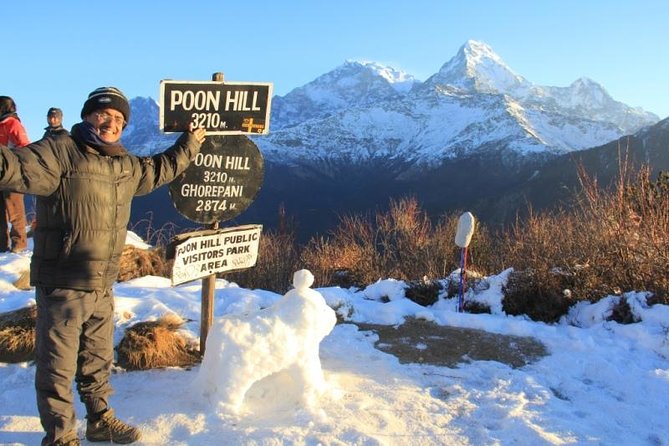
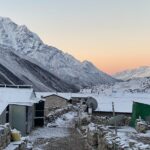
What makes ABC so rewarding is the payoff. You’re heading into a zone where the views include major Annapurna peaks and surrounding icons, including Annapurna I, Annapurna II, Annapurna III, Annapurna South, Hiunchuli, Fang, Gangapurna, and Machhapuchhre. Even if you’ve seen photos before, the scale hits differently when you’re actually inside the region and watching weather move across ridgelines.
You also get the village side of Nepal, not just the mountain side. The trek passes through places where life is built around trekking flows, tea houses, and local rhythm. That’s part of why the experience feels more complete than a straight-to-a-viewpoint outing.
You can also read our reviews of more tours and experiences in Kathmandu.
Kathmandu Hotel Thamel to Pokhara Splendid View: the plan before the first step
This tour gives you a clear staging period. You start in Kathmandu, then you move to Pokhara, and then you begin trekking. That sequence is valuable because it breaks the trip into sensible chunks, instead of throwing you straight into altitude and long walks the moment you land.
In Kathmandu, you stay at Hotel Thamel (3-star bed & breakfast) for 2 nights. Thamel is a practical base for pre-trek logistics—gear shopping, last-minute questions, and sorting your timing. The tour also includes airport–hotel–airport transfer, which removes a lot of early-trip stress.
In Pokhara, you stay at Splendid View (3-star bed & breakfast) for 2 nights. Pokhara is where the whole trekking ecosystem comes together, and it’s a good place to set your gear, test your daypack, and get your mindset right before the trail.
Timing matters too. The meeting/start time is 7:15 am, so you’ll want to plan for an early start and keep your arrival timing in Kathmandu realistic. If you’re the type who likes to move slowly in the morning, you’ll still be fine, but you’ll want to adjust expectations before day one.
How you’ll get from city to trail
The tour includes land transportation in the Kathmandu–Pokhara circuit, plus special transport at the trek edges:
- From Pokhara to Nayapul for the trek start by private transport
- From Phedi back to Pokhara at the trek finish by private transport
That last part is important. If you ever tried to manage uphill/downhill connections on your own in Nepal, you know how quickly timing can get messy. Private transport at the start and end keeps the trek from turning into a travel puzzle.
The 8 lodge days: what your day-to-day rhythm is really like
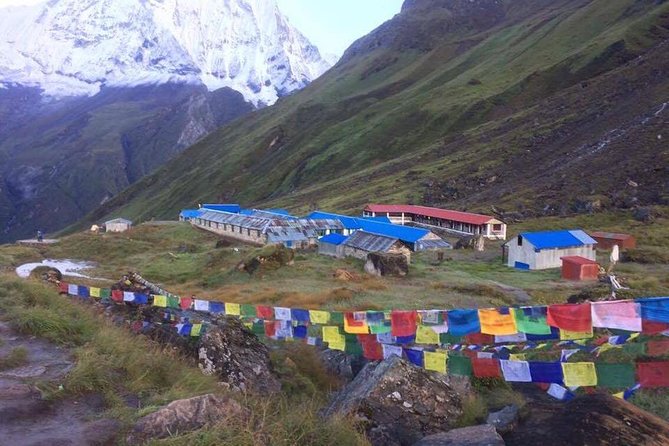
The trekking portion is where the day shapes your mood. You have 8 days of accommodation during the trek, and the plan uses normal lodge / tea houses run by Nepali families. That choice changes the feel of ABC compared with more remote styles of trekking. You’re still walking hard, but you’re not carrying a full camping system, and you’re not spending every night in unfamiliar setup mode.
Meals are handled for you during the trek: daily breakfast, lunch, and dinner are included, with the tour stating main course included. Practically, this means you can focus on pacing and altitude rather than meal logistics. You also get consistency: you know where you’ll sleep and you can expect food to be available when you arrive.
One comfort note: hot showers during trekking are not included. That’s normal for many lodge treks in this region, and it’s best treated as a planning item, not a surprise. If freshen-up matters to you, your best friend is a small personal towel and the mindset that clean enough + dry enough is the goal.
Weather and how the trip responds
Mountain weather can change fast. One family-sized group experience described snow and heavy rain, but they also praised how the schedule and team support helped everyone finish. That’s a sign to take seriously: ABC is an outdoor trek, so conditions matter, and the ability to adjust with your guide makes a real difference.
Base Camp day: the views, the pause, and the reason people keep coming back
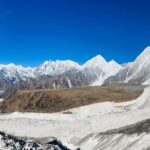
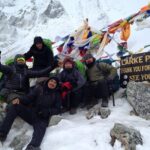
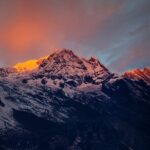
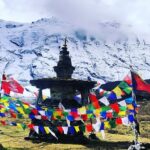
When you reach Annapurna Base Camp, you’re not just arriving at a dot on a map. You’re stepping into a high-mountain amphitheater where multiple peaks show themselves in pieces—sometimes crisp, sometimes softened by cloud—depending on the day’s weather.
The tour’s peak list is the best clue to what you’re chasing. You’ll be in a zone where the Annapurna massif dominates the view, with peaks like Machhapuchhre often singled out for its shape. Other named peaks in the region—Hiunchuli, Annapurna South, Fang, Gangapurna, and Annapurna I/II/III—help explain why people describe ABC as more than one dramatic moment. It tends to be a slow reveal.
And don’t ignore the human side of base camp. You’ll be surrounded by trekking culture: tea house conversations, porters moving with steady purpose, and travelers comparing weather notes. The tour also includes a broader cultural experience via the farewell dinner with cultural dance program, so the trip doesn’t end with the last photo. It ends with a local-style celebration that matches the region’s trekking season vibe.
Guides and porters: the difference between tough and tiring
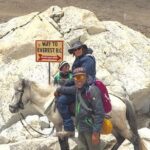
Here’s where this tour earns serious trust. The included staffing is specific: one experience English-speaking trekking guide and one porter for each two tourists. That ratio matters because it keeps the trek from becoming a solo-adventure stress test.
From the names shared in people’s experiences, the company clearly takes guide performance seriously. Guides like Kabi Raj, Shambu, Krishna, and Chris show up in past feedback, along with porters such as Shiva and Santosh. Other combinations named include Deepak and Sheepy, and a team including Kabiraj, Ram, and Bassu.
You might not get those exact pairings, but the bigger lesson is how the tour treats your day. A good guide plans pacing, explains what you’re seeing, and helps you read trail conditions. A porter helps carry load so your body works on walking instead of constantly recovering from unnecessary weight.
What you should plan for with the team
You’ll still need to bring your own trekking gear and personal items. That’s where people get tempted to overpack. The best move is to pack with your guide’s likely advice in mind: carry only what you truly need, because even with a porter, your daily balance and comfort depend on what’s in your pack.
Also, tips aren’t included, so factor in tipping for guide and porter. Even if you’re a careful budgeter, this is part of the cost of a staff-supported trek.
Permits, TIMS, and insurance: the unglamorous part that protects your trip
Trekking in Nepal requires proper paperwork. This tour includes:
- Annapurna Conservation Permit
- TIMS (Trekkers’ Information Management System)
- Insurance for guide & porters
That’s a meaningful inclusion. When permits are handled properly, you spend less energy on administrative worries and more time focused on the trek.
Still, you need your own coverage. Personal insurance is listed as not included, and it’s not optional in practice. The tour explicitly says your insurance must cover medical, accidental, natural disasters, emergency evacuation, trip cancellation expenses, and baggage/gear loss or damage. It also flags that rescue/evacuation coverage should include helicopter rescue.
This is one area where I encourage you to be very literal. Don’t assume your regular policy covers evacuation. Check for emergency evacuation and helicopter rescue wording, and make sure trip cancellation is included if that matters to your travel planning.
Price and value: what $999 covers, and what you’ll still pay
At $999 per person, this trek sits in a mid-range category for a guided, permit-included ABC experience with city hotels. The value comes from what’s bundled, not from a low price tag.
Included value highlights:
- 2 nights in Kathmandu at Hotel Thamel (3-star) with breakfast
- 2 nights in Pokhara at Splendid View (3-star) with breakfast
- Trek start/end transport by private vehicle (Pokhara to Nayapul, Phedi to Pokhara)
- All land transportation between Kathmandu and Kathmandu by tourist bus (as described)
- 8 days of lodge accommodations during the trek
- Meals during the trek: daily breakfast, lunch, and dinner (main course)
- English-speaking guide and porter support
- Permits (Annapurna Conservation Permit + TIMS)
- Farewell dinner with cultural dance program
- Airport–hotel–airport transfers
- Mobile ticket and pickup offered
What you should budget for separately:
- Visa fee (and you may need 2 passport photos for arrival visa)
- Personal trekking equipment (sleeping bag rated -15C, down jacket, gloves, sunglasses, sunscreen, trekking stick, trekking shoes, warm clothes, socks, torch light, and more)
- Personal travel insurance
- Lunch and dinner in Kathmandu and Pokhara
- Tipping for guide and porter
- Alcoholic and non-alcoholic drinks, plus sweet treats
- Emergency rescue evacuation (listed as not included)
- Personal expenses
So is it good value? For you, the question is simple: do you want your permits, meals, and trek logistics handled while you focus on walking and enjoying the scenery? If yes, the bundle makes sense. If you’re the kind of traveler who already has all gear, is comfortable self-managing trekking logistics, and knows how to handle paperwork smoothly, you might find cheaper options—but you’d be trading away some structure and support.
Who should book this 13-day Annapurna Base Camp trek
This trek is a strong fit if you:
- Have medium fitness and want a moderate, rewarding high-mountain trek
- Prefer lodge/tea house trekking over camping
- Want an English-speaking guide and porter support instead of carrying everything yourself
- Like a trip that includes both mountain time and city orientation (Kathmandu + Pokhara)
- Appreciate cultural extras like the farewell dinner with dance
It’s also listed as a private tour/activity, meaning you’ll travel as your own group rather than mixing with strangers. That can be a comfort if you’re traveling with family, friends, or you just prefer quieter planning.
If you’re very sensitive to cold mornings or you strongly rely on hot showers for comfort, you’ll need to plan mentally and with gear. The trekking environment is part of the deal.
Should you book Trekking Guide Team Adventure for ABC?
If you want a structured Annapurna Base Camp trek with permits taken care of, meals handled during the trek, and a guide/porter setup that helps your body stay focused on the trail, I think this booking is worth serious consideration. The consistent praise for guide-and-porter professionalism—plus named guides and porters like Kabi Raj, Shambu, Krishna, Chris, Shiva, and Santosh—signals that the company invests in the human side of trekking.
I’d only hesitate if you don’t have a good insurance plan yet, or you’re not ready to handle the practical realities: no hot showers during trekking, added costs for drinks/snacks and Kathmandu/Pokhara meals, and the need for your own trekking gear and stamina.
If you’re prepared, you’ll spend your energy where it belongs: steady steps, patient acclimation, and that first clear look at the Annapurna massif when your day’s work starts paying off.
FAQ
What time does the trek start?
The start time is listed as 7:15 am.
Where do the hotels fit in?
You get 2 nights in Kathmandu at Hotel Thamel (3-star bed & breakfast) and 2 nights in Pokhara at Splendid View (3-star bed & breakfast).
What’s included during the trek?
Lodge/tea house accommodation is included for 8 days, plus daily breakfast, lunch, and dinner during the trek (main course).
Are permits included?
Yes. The Annapurna Conservation Permit and TIMS are included.
What’s the guide and porter setup?
The tour includes one experience English-speaking trekking guide and one porter for each two tourists.
What do I need to bring?
You should bring trekking gear such as a sleeping bag rated to -15°C, a down jacket, trekking shoes, gloves, sunglasses, sunscreen, a trekking stick, warm clothes, socks, a personal towel, a torch light, and some basic medicine items.
Is this trip refundable if I cancel?
No. The experience is non-refundable and cannot be changed for any reason.