REVIEW · KATHMANDU
Mardi Himal Trek – 9 Days
Book on Viator →Operated by Alliance Adventure Pvt. Ltd · Bookable on Viator
That 4am sunrise push is the real hook. The Mardi Himal Trek is a less hectic way into the Annapurna high country, with big mountain views plus village life, forests, and tea-garden mornings. You also get a tightly run private setup—guides, porters, and the important logistics handled—so you can focus on the trail.
I especially like the sunrise payoff built into the route, with early mornings at the viewpoint and again from Badal Danda. I also like the hands-on support: an English-speaking guide, helpful porters, and included meals and hot drinks along the way keep you comfortable even when the day starts cold.
One consideration: the schedule includes very early walking days and depends on clear weather for maximum views, and hot showers or bottled water are not included.
In This Review
- Key Highlights You’ll Notice Fast
- Mardi Himal Trek Feels Purpose-Built for Views and Culture
- Price and Logistics: What $1,315 Covers (and What It Doesn’t)
- What’s included that adds real value
- What you should budget for separately
- Kathmandu to Pokhara: You’ll Start in Comfort, Not Chaos
- Kathmandu arrival and Day 1 culture time
- Day 2: Weather check and first mountain context
- Day 8 onward: a clean exit back to Pokhara
- Day 10: last shopping and flight back from Kathmandu
- Day-by-Day Mardi Himal: Sunrise Drives the Whole Pace
- Day 1: Land in Kathmandu and ease into Nepal
- Day 2: Clear-weather views plus village atmosphere
- Day 3: Forest walking toward Fish Tail country
- Day 4: Longer walking day, more open sky
- Day 5: 4am start for Mardi Viewpoint and Base Camp (then back down)
- Day 6: Badal Danda sunrise plus a downhill finish to village life
- Day 7: More villages, more culture, steady trekking
- Day 8: Tea garden morning, then drive back to Pokhara
- Day 9: Nepal history and farewell dinner
- Day 10: Kathmandu airport transfer and last-minute shopping
- Lodges, Meals, and That Included Warm-Drink Comfort
- What you shouldn’t expect
- Guides, Porters, and Safety Support You Can Rely On
- Packing and Trail Comfort: What the Climate Tips Suggest
- Weather-proof essentials
- Day-to-day habits that help
- Who This Trek Is Best For (and Who Might Prefer Something Else)
- Should You Book Mardi Himal With Alliance Adventure?
- FAQ
- How long is the Mardi Himal trek overall?
- Where does the trip start?
- Are permits included?
- Do I need to bring my own sleeping bag and down jacket?
- What transportation is included between Kathmandu and Pokhara?
- What meals are included during the trek?
- What costs extra during the trek?
- Is this a private tour?
- What documents do I need before the trek?
- What is the cancellation policy?
Key Highlights You’ll Notice Fast
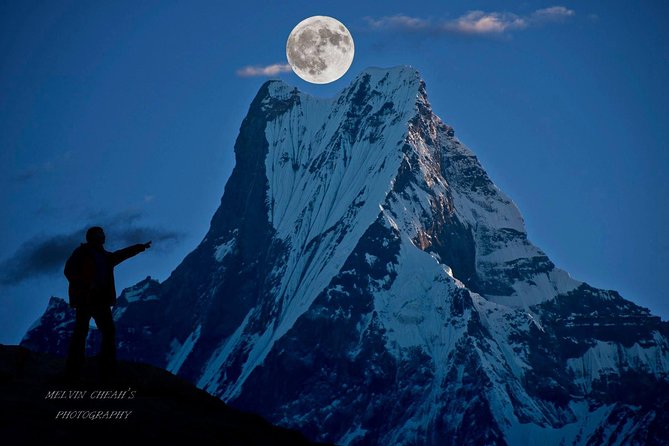
- Two sunrise moments (Mardi Viewpoint/Base Camp area and Badal Danda) that shape the whole rhythm of the trek
- Included trekking permits and TIMS (so you’re not scrambling for paperwork)
- Comfort-first support with an English-speaking guide and porters, plus a medical kit
- Warm extras on the trail like hot lemon/ginger honey and hot chocolate during trekking days
- A private group experience, meaning your schedule stays with your party
Mardi Himal Trek Feels Purpose-Built for Views and Culture
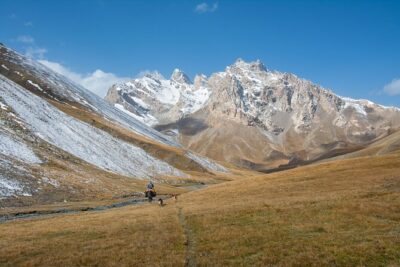
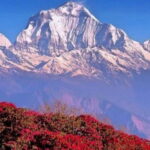
Mardi Himal is in Nepal’s Annapurna region, and it works well if you want both sides: high-mountain scenery and real day-to-day village settings. The trail moves through forests, then opens up into wider mountain views, and it keeps circling back to the idea of light—first thing in the morning, when the mountains look sharpest and the air feels cooler.
What makes this route particularly appealing is that it’s not just about “walking until you reach a goal.” Your days are structured around viewpoints and the local rhythm of highland settlements. You get culture time in Kathmandu and along the villages, then you get a proper trekking focus when the trail starts climbing.
If you’re the type who likes to travel with a plan (but not a rushed one), this itinerary’s mix of rest breaks, lodge stays, and scheduled drives in/out of the trekking area can feel like the right balance.
You can also read our reviews of more tours and experiences in Kathmandu.
Price and Logistics: What $1,315 Covers (and What It Doesn’t)
At $1,315 per person, you’re paying for far more than just “someone to show you a path.” The included items matter because they reduce common trip friction: paperwork, transfers, food, and gear.
What’s included that adds real value
- Kathmandu hotel (2 nights) and Pokhara hotel (1 night) with breakfast
- Flights Kathmandu ↔ Pokhara, plus private transport between Pokhara and the trekking village route (Dhampush Village and Lumre)
- All lodge stays during trekking, plus breakfast, lunch, dinner on trek days
- Tea/coffee and warm drinks like hot lemon/ginger honey and hot chocolate during the trekking portion
- Guide + porters, including lodging and feeding support
- Permits: trekking permit and TIMS cards
- Medical kit along the trek
- Gear support: warm down jacket and sleeping bag for the trek, plus walking poles (returned after trek)
- Duffel bag (waterproof) and a T-shirt
- Insurance for guide and porter and local taxes, if necessary
- Mobile ticket
What you should budget for separately
The “not included” list is where you’ll feel the difference on the ground:
- Mineral water, cold drinks, hot shower, phone, laundry, bar bills
- Tips for guide and porters
- Kathmandu and Pokhara lunches/dinners
- International flight ticket and Nepal entry visa fees
- Any costs tied to altitude sickness or medical issues
Also note this: the experience is non-refundable and cannot be changed for any reason. If your dates are sensitive, that’s the biggest policy-level risk to understand before you book.
In practice, the price feels fair if you value a guided, gear-supported trek where most major headaches are handled for you—especially the permits, food planning, and the Kathmandu/Pokhara transfer plan.
Kathmandu to Pokhara: You’ll Start in Comfort, Not Chaos
This trek is built around Kathmandu first, then Pokhara, then the trekking start.
Kathmandu arrival and Day 1 culture time
Your first day is simple: you land in Kathmandu and you’re free to explore Nepal’s culture. You also get two nights in Kathmandu with breakfast, which helps you get your bearings and adjust before the mountains.
Day 2: Weather check and first mountain context
If the weather is clear, Day 2 gives you a first look at the Himalayan range plus local villages. Even if views are hazy, this day helps set expectations for the kind of scenery you’re chasing later.
Day 8 onward: a clean exit back to Pokhara
On Day 8 you shift gears. You get an early morning village/tea-garden feel, then you drive back to Pokhara with time that’s marked free and easy. You’re not forced into a packed schedule right after trekking days, which matters if you want to enjoy the transition.
Day 10: last shopping and flight back from Kathmandu
Day 9 wraps with more time for Nepal history and a farewell dinner. Day 10 is the final window for shopping, then you head to Kathmandu International Airport.
Day-by-Day Mardi Himal: Sunrise Drives the Whole Pace
Below is what each day is really like, in plain terms. This trek has a consistent rhythm: start early, walk steadily, reach a lodge or rest stop, eat well, then get ready for the next morning.
Day 1: Land in Kathmandu and ease into Nepal
After arrival, your day is focused on settling in and exploring Kathmandu’s culture. Since you have hotel support for two nights, you’re not scrambling for meals or transit planning.
What to watch: keep it low-key. Your sleeping pattern matters because Day 5 starts very early.
Day 2: Clear-weather views plus village atmosphere
If visibility is good, you’ll see a Himalayan backdrop and local village life. Think of this as your “warm-up for the big days,” both visually and mentally.
Possible drawback: if clouds roll in, you’ll simply have to accept a less dramatic view and focus on the trail and villages instead.
Day 3: Forest walking toward Fish Tail country
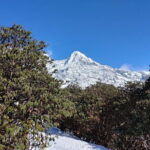
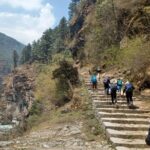
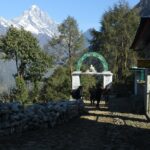
The trail goes into the forest, with the route framed around mountain landmarks like Fish Tail (Machhapuchhre is the common reference point). Forest walking is where you feel the temperature shift first—cooler air, less glare, and more steady walking.
Why it’s good: you’re not thrown into pure exposed climbing right away.
Day 4: Longer walking day, more open sky
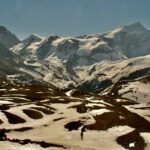
Today keeps you in the forest, then opens up into stretches where the sky is clearer and the mountain views come through more.
What you’ll feel: the difference between shaded forest steps and brighter open sections. Start thinking about sun protection and pace early.
Day 5: 4am start for Mardi Viewpoint and Base Camp (then back down)
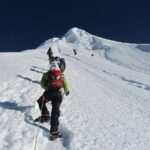
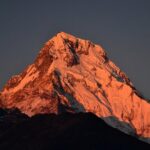
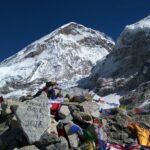
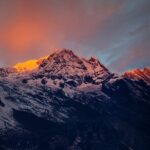
This is the signature day. You begin walking around 4am for the Mardi Viewpoint and the Base Camp area. The sunrise experience is timed around that early effort, then you trek back to Badal Danda.
This is not a “casual stroll” day. It’s early, it’s cold at first, and it asks for steady legs. But it’s also the day that gives you a lot of the emotional payoff of the trek.
Practical note: if you’re the kind of person who dislikes rushing, this is where you’ll feel the trade-off. It’s worth it if you can handle early starts.
Day 6: Badal Danda sunrise plus a downhill finish to village life
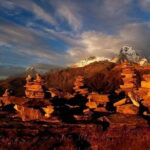
Badal Danda is described as one of the best sunrise view points, and it’s also the last major viewpoint moment on the trek. After that, you walk down to local village settings.
Why this day matters: you switch from “climb for views” to “descend and absorb village rhythm.” It’s a different kind of satisfaction.
Possible drawback: downhill can be tough on knees and quads. Good trekking shoes and careful foot placement are your best friends here.
Day 7: More villages, more culture, steady trekking
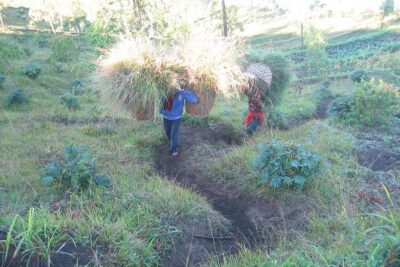
Today is focused on walking through local villages and seeing day-to-day life. This is a nice change from viewpoint-heavy days because the “destination” is more about people and place.
If you like slow travel moments, this is the day for it.
Day 8: Tea garden morning, then drive back to Pokhara
Day 8 starts early with an exploration of Himalayan tea garden and village lifestyle, then you drive back to Pokhara. You get a “free & easy” portion, which is great for a relaxed dinner or a last wander.
Why it feels good: it breaks the hard trekking rhythm with something calmer and local.
Day 9: Nepal history and farewell dinner
You finish with last minutes of exploring Nepal history plus a company farewell dinner. This is the social wrap-up day: comfortable, not about packing your legs again.
Day 10: Kathmandu airport transfer and last-minute shopping
You get time for shopping for family and friends, then you’re set up for a safe flight out of Kathmandu International Airport.
Lodges, Meals, and That Included Warm-Drink Comfort
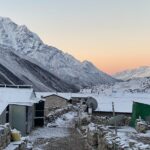
On the trek, you’ll stay in comfortable lodges and you’ll have breakfast, lunch, and dinner included, plus tea/coffee. That matters because lodge trekking can become expensive or inconsistent when you’re hungry and the options are limited.
The most practical comfort details are the warm drinks: hot lemon/ginger honey and hot chocolate are specifically listed during trekking days. Those are the kinds of extras that can make cold mornings feel more manageable, especially when you’re starting early and returning to camp after a long walk.
What you shouldn’t expect
- Hot showers aren’t included, so plan around that.
- Cold drinks and mineral water cost extra.
- Phone use, laundry, and bar bills are also not included.
This is still a real trekking experience, with simple comforts rather than resort-level amenities. If you want to “earn” your comfort through effort, lodge life is part of the fun.
Guides, Porters, and Safety Support You Can Rely On
A big reason trekking feels easier with a strong team is simple: your time and energy go into walking, not organizing. Here, you have:
- a friendly speaking English guide
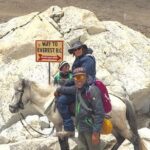
- strong helpful porters during the trek
- a medical kit carried along the way
- insurance for guide and porter
- allocation of lodge/rest-house stays and meals coordination
This is especially valuable on viewpoint-heavy days like Day 5, where timings are tight. When you’re trying to reach Mardi Viewpoint and Base Camp around sunrise, having the team manage pacing and logistics is a real advantage.
This is also a private tour/activity, meaning it’s only your group. That can reduce the common trekking awkwardness of being stuck in a mixed-speed crowd.
Packing and Trail Comfort: What the Climate Tips Suggest
You’ll be trekking in conditions that can be cold early and exposed in higher areas. The provided guidance focuses on practical basics that actually help.
Weather-proof essentials
- A windproof outer jacket
- A warm down-filled jacket for colder moments
- Gloves and a hat or cap
- Sunglasses and sunblock, plus lip balm (sun can be intense at altitude)
- Lightweight trekking shoes and warm woolen/thermal socks
- Thermal undergarments for night if you get cold easily
- A flashlight and spare batteries
Day-to-day habits that help
The trip also gives sensible rules: don’t go wandering, avoid valuable flashier items like jewelry, and be aware of your surroundings. It also notes restrictions around temples (some temples may limit access for non-Hindus, and leather articles aren’t allowed inside temple precincts). It’s not glamorous advice, but it prevents avoidable trouble.
Finally, Nepal-specific street-safety advice is included: don’t give money to street children/beggars.
Who This Trek Is Best For (and Who Might Prefer Something Else)
This Mardi Himal Trek fits best if you:
- have moderate physical fitness
- like a trek with a mix of Himalayan scenery and village culture
- want a guided, private experience where permits, meals, and major logistics are handled
- enjoy sunrise moments and can handle very early starts
You might rethink it if you:
- want guaranteed hot showers or lots of free downtime every day
- hate early mornings (Day 5 is built around a 4am walk)
- need fully flexible cancellation terms (this one is non-refundable)
If you’re traveling as a couple, a family group, or a small party that wants a clear plan with team support, this route tends to work well.
Should You Book Mardi Himal With Alliance Adventure?
If you want a value-focused trek where the essentials are covered—permits, lodge meals, guides/porters, and gear support—this is a strong option. The sunrise structure is the main “why,” and the Kathmandu-to-Pokhara transfers reduce stress at both ends.
My recommendation comes with two reality checks: expect early mornings, and budget for extras like bottled water, cold drinks, hot showers, and tips. Also, if your dates aren’t firm, the non-refundable policy is the one thing to take seriously.
If your goal is an Annapurna trek that balances mountain moments with everyday Nepal village life, and you like having capable people handling the moving parts, then booking makes sense.
FAQ
How long is the Mardi Himal trek overall?
The itinerary runs about 10 days overall (approx.), starting in Kathmandu and ending back in Kathmandu after trekking and the return drive from Pokhara.
Where does the trip start?
The meeting point is in Kathmandu (Kathmandu Valley, Bagmati Zone, Central Region).
Are permits included?
Yes. The trekking permit and TIMS cards are included.
Do I need to bring my own sleeping bag and down jacket?
No. A warm down jacket and sleeping bag are included for the trek. Walking poles are provided and then returned after the trek.
What transportation is included between Kathmandu and Pokhara?
Flights are included from Kathmandu to Pokhara and from Pokhara back to Kathmandu, plus private transport from Pokhara to Dhampush Village and from Lumre back to Pokhara.
What meals are included during the trek?
All comfortable lodges are included along with breakfast, lunch, and dinner during the trekking days, plus tea, coffee, and warm drinks.
What costs extra during the trek?
Cold drinks, mineral water, hot shower, phone use, laundry, and bar bills are not included. Tips for guide and porters are also not included.
Is this a private tour?
Yes. It’s a private tour/activity, and only your group participates.
What documents do I need before the trek?
You’ll need flight details and a copy of your passport, plus a passport-size photo, for the trekking permit and TIMS card.
What is the cancellation policy?
It’s non-refundable and cannot be changed for any reason. If you cancel or request an amendment, the amount paid is not refunded.