REVIEW · KATHMANDU
Kathmandu to Langtang Valley 7-Day Trek
Book on Viator →Operated by Cordial Trek Pvt. Ltd. · Bookable on Viator
Langtang hits you with real mountain nature. This 7-day trek begins in Kathmandu, drives north to Syabrubesi, then works its way into Langtang National Park with rhododendron and pine trails, Himalayan views, and nights in mountain guest houses. I also like how the trip leans on strong guiding support, with past trekkers praising guides such as Raj Tamang and Pratip for being caring, motivating, and practical on the trail.
My second big plus is that you’re not stuck chasing paperwork. You get the TIMS card and national park permit included, plus hotel pickup/drop and shared jeep/bus transport, so you can focus on walking and acclimatizing. One consideration: meals aren’t included, and you’ll start early (the meet-up is 6:45 am), with several days of 3–7 hours hiking, so plan around stamina and daily logistics.
In This Review
- Key highlights you’ll actually feel on this Langtang trek
- Why Langtang Valley feels different from other Nepal treks
- Day 1: Kathmandu pickup, the drive north, and landing in Syabrubesi
- Day 2: Syabrubesi into Langtang National Park to Lama Hotel
- Day 3: Lama Hotel to Langtang Village through rhododendrons and pine
- Day 4: Langtang Village to Kyanjin Gompa and monastery views
- Day 5: Kyanjin Ri (4773 m) panoramic payoff, then back to Lama Hotel
- Day 6: Lama Hotel back to Syabrubesi and a real finish-line feeling
- Day 7: Syabrubesi to Kathmandu by shared jeep/bus, then back to your hotel
- Price and logistics: what $300 covers (and where your budget goes next)
- Guides and porters: why people keep praising this team
- When to go and how the season affects your Langtang plan
- Who this trek is best for (and who might want a different length)
- Should you book this Kathmandu to Langtang Valley trek?
- FAQ
- What time does the trek start each day?
- What’s included in the trek price?
- Are meals included?
- How long is the hiking on the longest days?
- Is the trek available year-round?
- What is the cancellation window for a full refund?
Key highlights you’ll actually feel on this Langtang trek
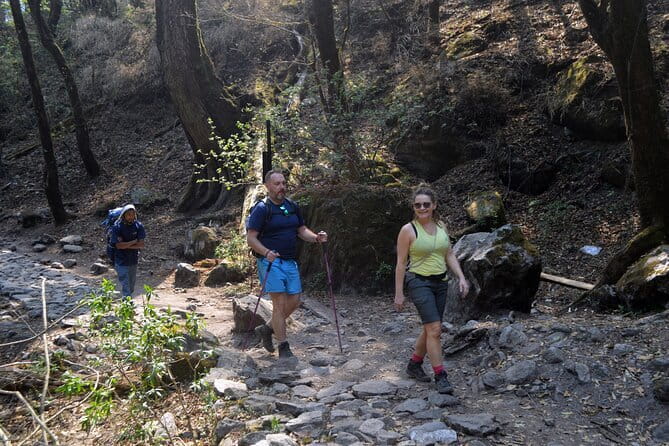
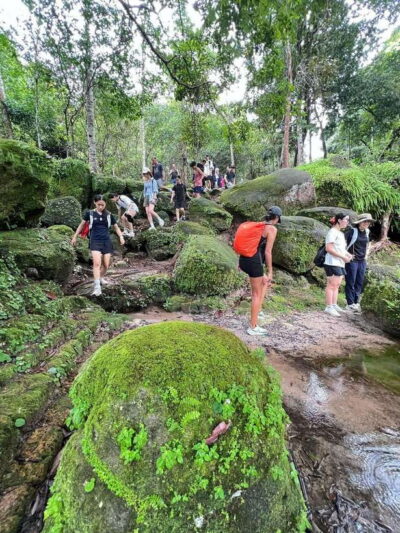
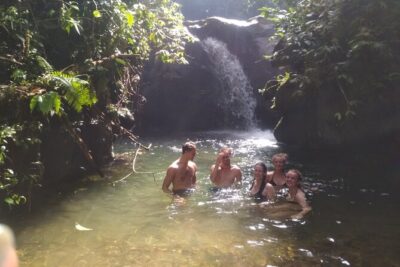
- Syabrubesi to Langtang National Park: the trail climbs from village life into protected forest quickly, with waterfalls and scenery breaking up the hike
- Rhododendrons and pine forests: expect springy-looking trails even if you’re traveling outside peak bloom season
- Kyanjin Gompa: a centuries-old monastery stop with big mountain views and a chance to slow down
- Kyanjin Ri (4773 m) day: a focused summit push with panoramic rewards on clear weather
- Permit + TIMS included: fewer admin headaches before you hit the trails
- Support team vibe: guides and porters are repeatedly praised for smooth coordination and genuinely looking after you
Why Langtang Valley feels different from other Nepal treks
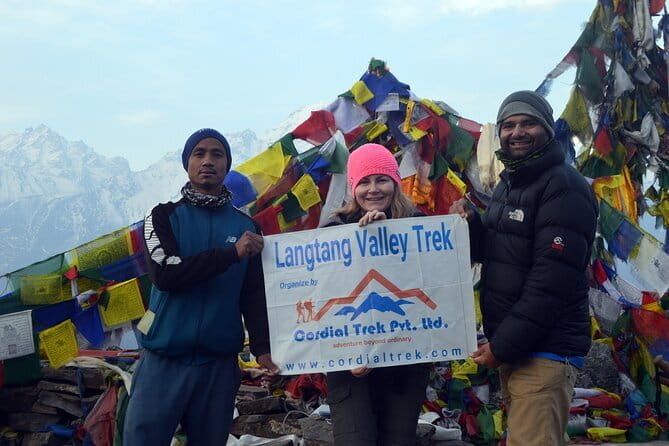
If you’ve done a few hikes in Nepal, you’ll recognize the general rhythm: walk up, catch your breath, eat, sleep, repeat. What makes Langtang Valley stand out is how “park life” becomes part of the hike. You’re trekking inside Langtang National Park, which borders Tibet Autonomous Region of China, and the trail winds through dense forest where you can find deciduous oak and maple mixed with evergreen pine and lots of rhododendrons.
Wildlife is part of the story, too. The park is home to species like Himalayan black bear, Himalayan tahr, snow leopard (rare), yak, and red panda, plus more than 250 bird species. You shouldn’t count on specific sightings, but it changes how you see the forest. You’ll walk slower at times, and you’ll notice details.
You can also read our reviews of more tours and experiences in Kathmandu.
Day 1: Kathmandu pickup, the drive north, and landing in Syabrubesi
Your day starts with pickup from your hotel or apartment in Kathmandu, then a trip to the Balaju bus station area. From there, it’s a long bus ride (around 6–7 hours) toward Syabrubesi in the Langtang region.
The practical value of Day 1 is that you arrive already thinking like a trekker. You’re not trying to cram altitude adjustment and sightseeing into the same moment. By the time you reach Syabrubesi, you’ve done the “getting there” work, and your next days can be about walking steadily.
What to watch for: the total Day 1 timing can feel long (the schedule shows about 16 hours in total). Bring a little mental buffer for sitting, watching the landscape change, and keeping your body relaxed before tomorrow’s hike.
Day 2: Syabrubesi into Langtang National Park to Lama Hotel
This is where the trek becomes a trek. You hike from Syabrubesi to Lama Hotel (about 5–6 hours) inside Langtang National Park.
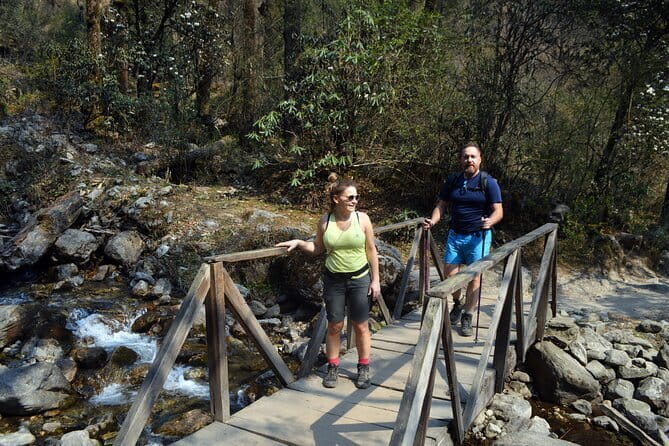
Expect a trail that doesn’t just dump you onto one big staircase. The route passes waterfalls and goes through traditional village areas before the forest really takes over. Since the park’s known for dense woodland and rhododendrons, your visual “reward” tends to happen repeatedly rather than once at the end—small view openings, bright flower patches in season, and changing light under pine.
Why Day 2 matters: Lama Hotel is a realistic first base. It’s not the highest point, but it sets your routine—enough climbing to feel the altitude, not so much that you’re cooked. You also get a clean start for the longer hiking day ahead.
A small drawback to plan for: if you’re arriving from the long ride in Day 1, your legs may feel stiff. The best fix is simple: start slowly, drink regularly, and don’t sprint the first hour.
Day 3: Lama Hotel to Langtang Village through rhododendrons and pine
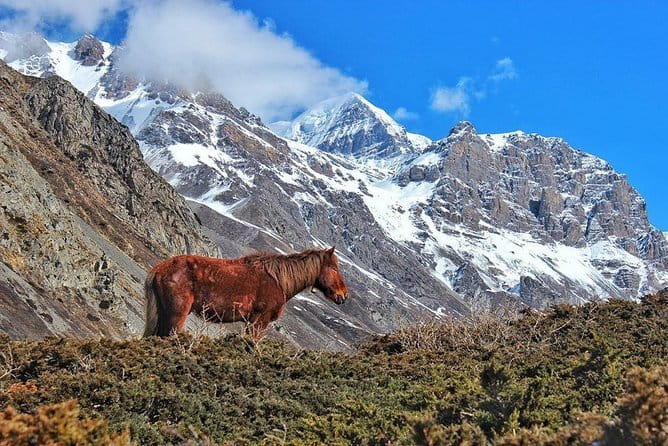
Day 3 is longer (around 6–7 hours), hiking from Lama Hotel to Langtang Village. This is the part of the trek that many people remember for the forest character—dense rhododendron and pine ahead, and a sense that you’re moving deeper into protected territory.
Even if you’re not a “plant person,” rhododendron country changes the atmosphere. Leaves, blossoms (depending on season), and canopy shade make the trail feel varied. It also tends to take the edge off monotony on long days because the trail environment is changing as you walk.
What you’ll like most on this day: Langtang Village gives you a human scale moment. You’ve been inside forest and uphill rhythm; the village stop reminds you this is a living region, not just a scenic corridor.
What you should consider: longer days like this can be less about speed and more about stamina. You’ll want to pace for steady breathing and keep energy for tomorrow’s monastery and viewpoint.
Day 4: Langtang Village to Kyanjin Gompa and monastery views
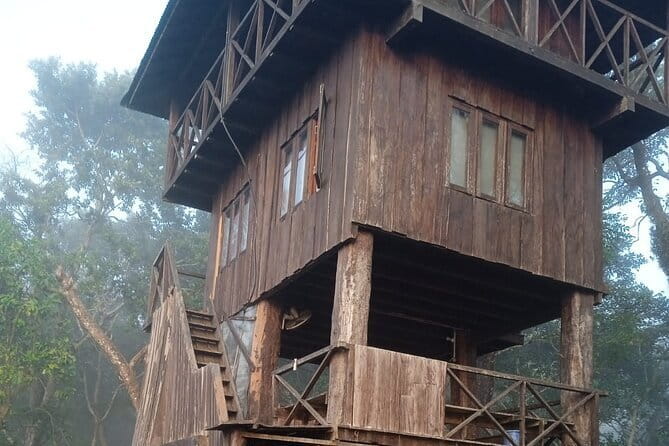
Day 4 turns the volume down slightly. You trek about 3–4 hours from Langtang Village to Kyanjin Gompa, described as one of the oldest monasteries in the region. It’s also a classic viewpoint base because the surrounding mountains open up as you approach.
This day is a good example of why trekking works even for beginners who have moderate fitness. You’re still walking, but you’re not locked into the longest hours of the trip. It feels like a bridge between “get up there” hiking and the more concentrated viewpoint work later.
Why Kyanjin Gompa is worth the effort: monasteries in trekking regions often act like social anchors. People rest, talk, pray, and share small observations. You’ll likely notice a different pace here—less hurry, more taking in the mountains.
Possible drawback: because Kyanjin Gompa is a destination, it can encourage you to linger. That’s great—just remember your body still needs to prepare for the early-summit style day to come.
Day 5: Kyanjin Ri (4773 m) panoramic payoff, then back to Lama Hotel
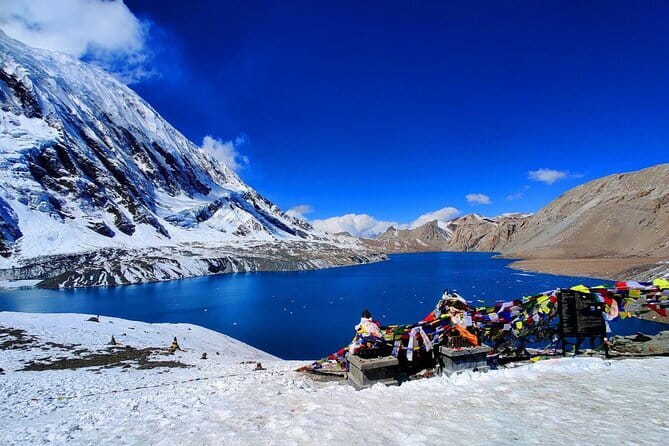
Today has the big numbers. You do a round trip from Kyanjin Gompa to Kyanjin Ri (4773 m), listed as about 3–4 hours, and then you hike back down to Lama Hotel for the night.
That structure is smart. The summit day is focused: go up, hit the viewpoint, and return. Then you’re not staying at the highest point—your body gets a descent and a more manageable sleep location.
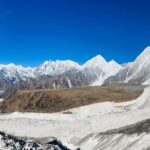
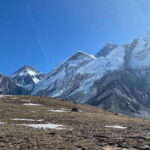
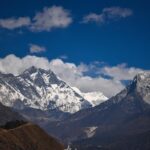
The viewpoint is the point here. From Kyanjin Ri you can see multiple named peaks, including Mt. Langtang Ri, Mt. Dorje Lakpa, and Mt. Langtang Lirung. Even if weather softens the view, you’ll still get that feeling of space that only a high vantage point can deliver.
Key consideration: altitude days reward patience. If you feel breathless, slow down immediately. The best guide behavior on summit days is teaching you to move smart, not fast.
Day 6: Lama Hotel back to Syabrubesi and a real finish-line feeling
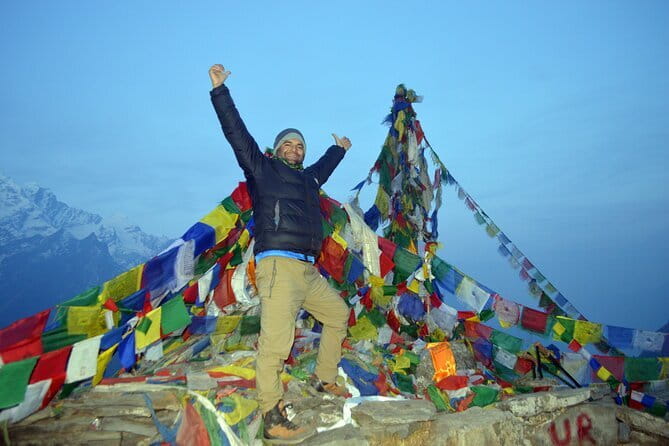
Day 6 reverses yesterday’s progress: about 5–6 hours hiking from Lama Hotel back to Syabrubesi, with an overnight stay at a guest house.
This is one of my favorite days on treks. The route is familiar-ish, and you get a descent rhythm without losing the sense of achievement. You’ll also feel how your body adapts. After several days, your breathing and footing become more automatic.
What to do with the time: take advantage of the fact that you’re not trying to conquer more height today. Keep your attention on comfort: stretch a bit after you arrive, hydrate, and get good sleep so Day 7 doesn’t feel like a slog.
Day 7: Syabrubesi to Kathmandu by shared jeep/bus, then back to your hotel
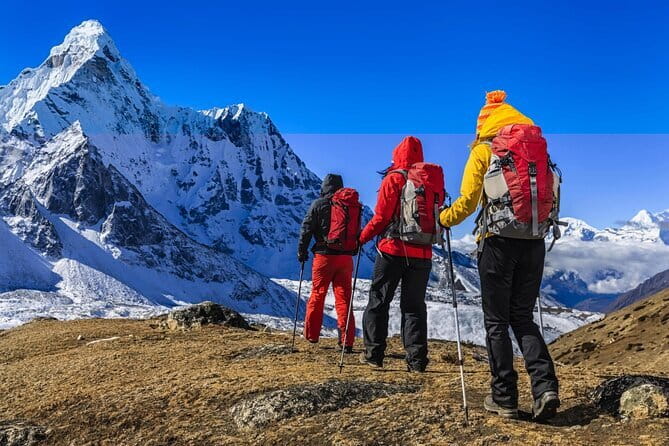
Your last day is the long ride home: about 7–8 hours by bus/sharing jeep from Syabrubesi to Kathmandu, and then escort back to your hotel.
It can feel anticlimactic after viewpoints and monastery walls, but it’s also part of the trek’s value. The trip gets you safely through the “hard parts” without making you coordinate transport on your own.
Pro tip: pack a dry layer and keep essentials where you can reach them during the ride. Depending on the season and weather, temperatures can swing during long travel days.
Price and logistics: what $300 covers (and where your budget goes next)
At $300 per person, this trek looks like it’s pricing the essentials of a guided Langtang Valley experience. Based on what’s included, you’re paying for:
- Shared jeep/bus transport Kathmandu ↔ Syabrubesi
- Mountain guest house accommodations
- National park permit + TIMS card
- Hotel pickup and drop
What’s not included:
- Meals
- Optional gratuity for your guide
So the real budgeting truth is simple: the quoted price covers your movement through the region and the core trek overhead, but you still need to plan for daily food. If you like having control over meals, bring some cash for lunches/snacks and expect dinner costs to add up in mountain towns.
Also note the trip includes group discounts and uses a mobile ticket. That usually means fewer paper hassles for you.
Guides and porters: why people keep praising this team
A Langtang trek lives or dies on small moments: the pace, the questions answered, how you handle fatigue, and whether you feel supported when the trail gets slow or visibility changes. The strongest praise from past experiences centers on guides being caring and enthusiastic and on the team working in harmony.
You’ll see names like Raj Tamang and Pratip called out for organization and for taking good care of trekkers. Other guide names that come up include Raju, Nilakantha, Acharya, and Haj. Porters like Dup, Maila, and Hem also get specific credit for kindness and smooth support.
Here’s what that means for you on the trail:
- You’re more likely to keep a steady pace because you’re not constantly second-guessing decisions
- You’ll get context, not just directions—things like explanations of Nepal’s history and the differences between Hindu and Buddhist deities show up in how guides communicate
- You’ll feel calmer about logistics because the team handles transitions day to day
One more detail I like: there’s evidence of solid communication and follow-through. In one case, a forgotten pair of shoes was tracked down and dropped at a hotel afterward. That’s not a trek highlight, but it’s the kind of competence you want when travel gets messy.
When to go and how the season affects your Langtang plan
This trek runs all year except monsoon seasons. That matters because monsoon weather can mean slippery trails, heavier rain, and poorer visibility—exactly what you don’t want on viewpoint days like Kyanjin Ri.
Beyond rain, also think about daylight. Your meet-up time is 6:45 am, so you’re not doing late starts. The earlier you travel during the year, the more you can rely on clear early conditions, but you’ll still be hiking in mountain terrain where weather can shift.
Pack planning, based on what this trek implies:
- Layers for cool mornings and warmer afternoons
- Footwear built for rocky trail and frequent steps
- A day kit for water and small snacks (since meals aren’t included)
- Something warm for the higher viewpoint day, where temperatures can feel harsher
Who this trek is best for (and who might want a different length)
This trek is designed for people with moderate physical fitness and even says it can work without prior trekking experience. That doesn’t mean it’s casual. You’re still doing multiple days of 3–7 hours hiking, including a high point at Kyanjin Ri.
It’s a great fit if you:
- Want a well-supported intro to Himalayan trekking
- Like forests, monasteries, and named viewpoint peaks
- Prefer having permits and logistics handled
- Would rather focus on walking than on planning every transport leg
If you hate early mornings, long sitting rides, or you know you struggle with uphill endurance, you might feel squeezed. In that case, consider a different route with less elevation pressure or fewer long hike days.
Should you book this Kathmandu to Langtang Valley trek?
I’d book it if you want a straightforward, guided path into Langtang National Park with real mountain highlights—Kyanjin Gompa, then the Kyanjin Ri viewpoint at 4773 m—without having to organize permits and transport yourself. The permit + TIMS inclusion plus hotel pickup/drop is a strong value signal, and the repeated praise for guides like Raj Tamang and Pratip suggests you’ll be looked after on the days that matter.
Don’t book it blindly if you expect meals to be covered or if you’re aiming for a slow, low-effort vacation. This is a trekking rhythm trip: you walk most days, you start early, and you plan for daily food on top of the tour price.
One smart move before you go: ask your operator which English-speaking guide you’ll have, and express that you want thoughtful explanations and a steady pace—not just a hurried march to the next stop.
FAQ
What time does the trek start each day?
The scheduled meeting start time is 6:45 am.
What’s included in the trek price?
Included items are sharing jeep/bus (Kathmandu–Syabrubesi–Kathmandu), mountain guest house, Langtang National Park permit and TIMS card, and hotel pickup and drop.
Are meals included?
No. Meals are not included.
How long is the hiking on the longest days?
The hikes run roughly 3–7 hours per trekking day, with the longer hiking sections listed as about 6–7 hours.
Is the trek available year-round?
It is available all year long except monsoon seasons.
What is the cancellation window for a full refund?
You can cancel up to 24 hours in advance of the experience start time for a full refund.