REVIEW · MARAGUA BOLIVIA
Sucre: 2 days trek in Inca Trails and the Crater de Maragua
Book on GetYourGuide →Operated by Jalq'a Tours · Bookable on GetYourGuide
Old trails, strange footprints, and crater skies. This two-day trek from Sucre pairs a 12th-century Inca route with the Maragua Crater and the dinosaur footprints area at Niño Mayo. I love the mix of big views and on-the-ground culture with Jalqa communities. I also like that you sleep near the crater so day two starts strong. One drawback to consider: the route includes climbs and an uphill exit from the crater, so it’s not a great match if you fear heights or you need very gentle walking.
A small group (limited to 10) helps a lot on a hike like this. When guides like Li and Gari explain what you’re seeing, the trail feels more than a photo stop. It becomes a story you can walk through: Inca stone paths, local farming areas, and why the dinosaur footprints matter to people nearby.
Still, go in with realistic expectations. The meals and overnight stay are basic, and some guides keep a brisk pace, which can cut into quiet time for photos.
In This Review
- Quick hits: what makes this trek memorable
- From Sucre to Chataquila: the start that sets your pace
- Day 1 route: Inca trails, Socapampa, and the push to Maragua
- Night in the crater: Devil’s Throat and wildlife viewing
- Day 2 early start: Niño Mayo footprints before the rest of the day
- Majada and the Frailes Mountains: the scenic finale
- What the Jalqa culture stops add (and why they’re not just a detour)
- Pace, photo time, and trail conditions: what to plan for
- Price and value: is $124 a good deal for this trek?
- What to bring: the packing list that actually matters
- Who this trek suits best (and who should skip it)
- Should you book this 2-day trek from Sucre?
- FAQ
- How long is the hike each day?
- What meals are included, and is water provided?
- Where do we meet in Sucre, and how do we get to the trail area?
- What kind of climbs and terrain should I expect?
- What should I pack for the trek?
- Can I cancel, or extend the trek to 3 days?
Quick hits: what makes this trek memorable
- Walk real Inca stone paths on the Chaunaca and Socapampa sections
- Spend the first night in the Maragua Crater area, with viewpoints like Devil’s Throat
- Visit dinosaur footprints at Niño Mayo early on day two
- Meet local makers in Jalqa villages, including a weaver sharing traditional textile art
- Enjoy the Majada segment through the colorful mountains and toward the Frailes Mountains views
From Sucre to Chataquila: the start that sets your pace
The day begins at 8:00 am at the main entrance of Estadio Patria on German Mendoza Street. From there you’ll take a public bus to Chataquila, usually between 8:15 am and 9:30 am. That timing can stretch a bit depending on how many passengers are on the bus, so I treat this like a flexible start rather than a tight schedule.
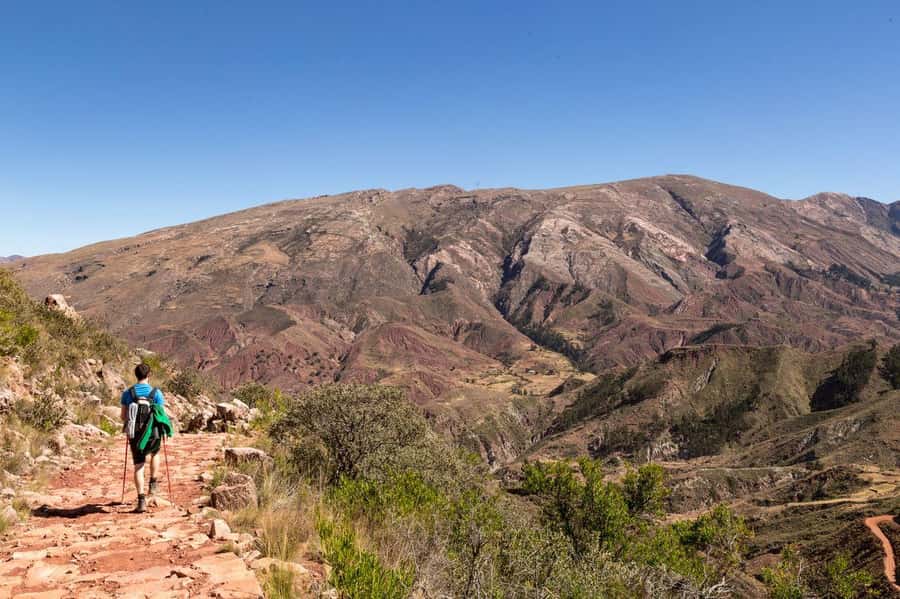
You’ll start walking in the morning in the Inca trail zone, moving through areas like Chaunaca and Socapampa. This matters because the first kilometers shape your energy. If you’re worried about altitude or legs feeling heavy, you’ll want to pace yourself right away. It’s easier to settle into rhythm early than to fight fatigue later when the trail steepens.
One practical point: it’s a small group tour. That sounds tidy, but it also means you’ll spend more time together. If you like chatting while you walk, it’s a plus. If you prefer total silence, you’ll still likely end up in conversational territory at lunch and during stops.
Day 1 route: Inca trails, Socapampa, and the push to Maragua
Day one is built like a classic hike profile: descent, flatter walking, then ascent. The total distance is about 16 km.
Section one: a descent along Inca stone paths. This is where you feel the history under your feet. Inca-built trails use stonework to guide movement, and the footing tends to be more structured than you might expect on mountain paths. Even if you’re not an archaeology person, you’ll notice how intentional the trail feels.
Section two: river-following terrain with mostly flat ground. After the initial drop, the walking becomes easier. You get short, gentle ups and downs, but the goal here is recovery. This is the part of the day where you can control your breathing and stop rushing.
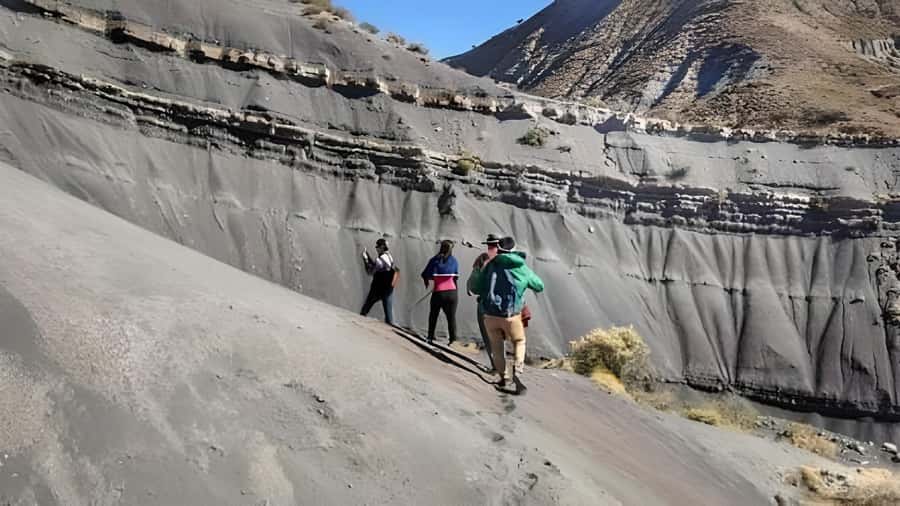
Section three: the ascent toward Maragua. Then comes the grind: a steep climb that continues along the slopes until you reach the Maragua Crater area. This final approach is why you need good shoes and why heights can feel real, not theoretical. I like that the tour doesn’t pretend this isn’t hard—it tells you the route has a steep and sustained climb.
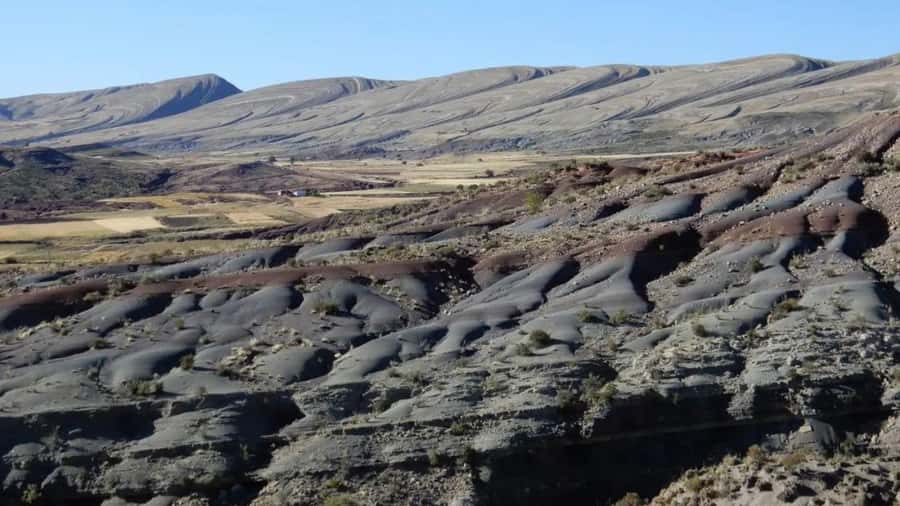
You’ll be walking from Socapampa toward Maragua Crater in the afternoon, and that’s when the views start changing. The terrain opens up, and the “where am I?” feeling kicks in—colorful mountains, wide sky, and a growing sense that the crater is a world of its own.
Lunch and dinner are included on day one, so you’re not stuck improvising food mid-hike. The meals are simple, though. Think hearty and practical rather than fancy. It’s enough fuel to keep moving.
Night in the crater: Devil’s Throat and wildlife viewing
Day one ends with an overnight stay at the Maragua Crater area in a shared room. Expect basic accommodations. That’s not a complaint; it’s just the deal. You’re paying for the walking and the access, not a boutique hotel.
The crater also isn’t just a sleeping location. Inside the crater you can do several activities, including visiting viewpoints like Devil’s Throat. From there you can observe local wildlife, especially birds. If you enjoy wildlife without big crowds, this is one of the reasons the trek is special: you’re not driving to a viewpoint and leaving. You’re living close to it.
Because the schedule places you in the crater at night, I strongly recommend bringing a flashlight and a waterproof bag. It’s easier to move around at odd hours and protect gear when conditions shift. Rain gear is also on your packing list for a reason.
One last “real talk” note: some guides move quickly through segments. If you’re the type who wants long photo pauses, tell your guide you need extra time for pictures early on. A good guide will usually adjust.
Day 2 early start: Niño Mayo footprints before the rest of the day
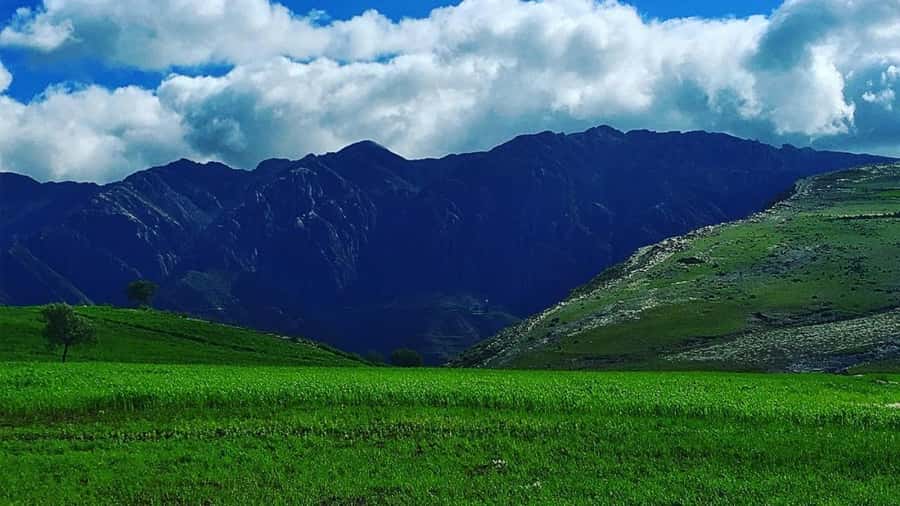
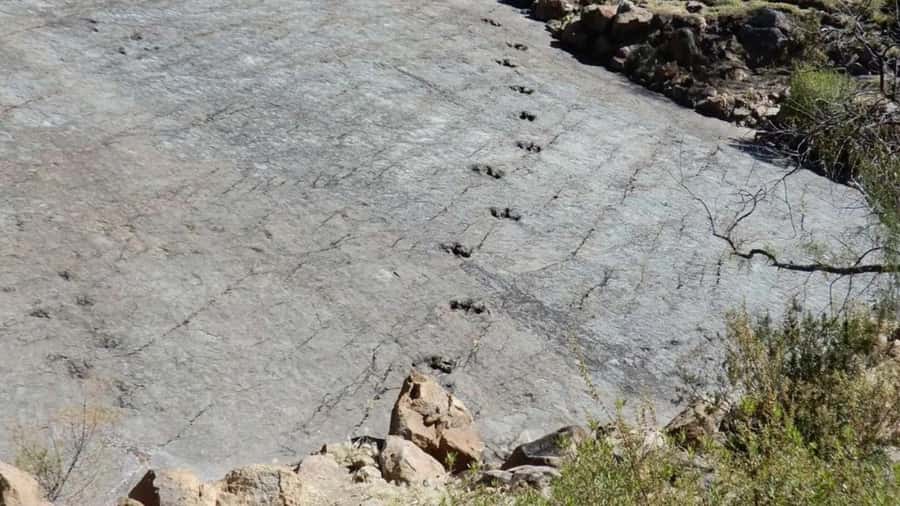
Day two includes breakfast and lunch, and the schedule calls for an early start. You hike from your lodging toward the dinosaur footprints area at Niño Mayo.
This is one of the best moments in the whole trek because you’re fresh and the trail starts calmer. The walking continues with stops that feel purposeful, not just transfer points.
There’s also a cultural stop built in: you’ll visit a local weaver who shares secrets of the textile art of the community. This isn’t just “look at a craft.” It’s an explanation of how tradition gets practiced and passed along. It pairs well with the earlier Inca sections because you’re seeing two kinds of continuity: ancient engineering and ongoing community skills.
If you like hands-on learning, you’ll probably enjoy this part more than you expect. If you’re only in it for scenery, it can still feel worthwhile because it breaks up the hiking day with something human-sized and close-up.
Majada and the Frailes Mountains: the scenic finale
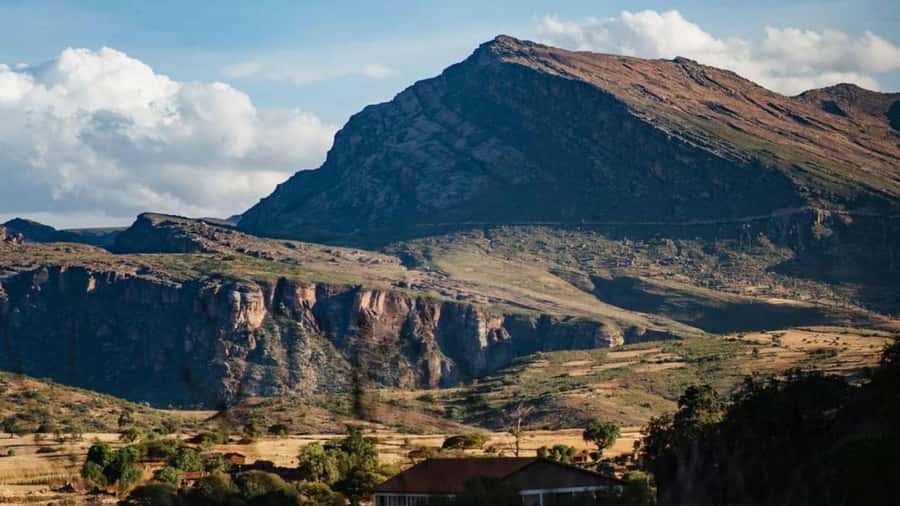
After Niño Mayo and the weaver visit, you continue to a small village called Majada. The Majada walking segment is about 5 km and takes roughly two hours.
This part runs through colorful mountains, and you get scenery toward the Frailes Mountains. The pace here is easier: it’s described as a trail with short ups and downs and a generally easier route from the footprints area to Majada.
When you reach Majada, a private vehicle waits to take you back to Sucre. That matters for your legs. Two-day treks can drag if you’re still traveling for long hours after a big hike. Here, the return is handled efficiently.
Day two totals about 12 km, which makes it slightly shorter than day one. But remember: day two begins with early walking and then finishes with a scenic push. It’s still a real trek.
What the Jalqa culture stops add (and why they’re not just a detour)
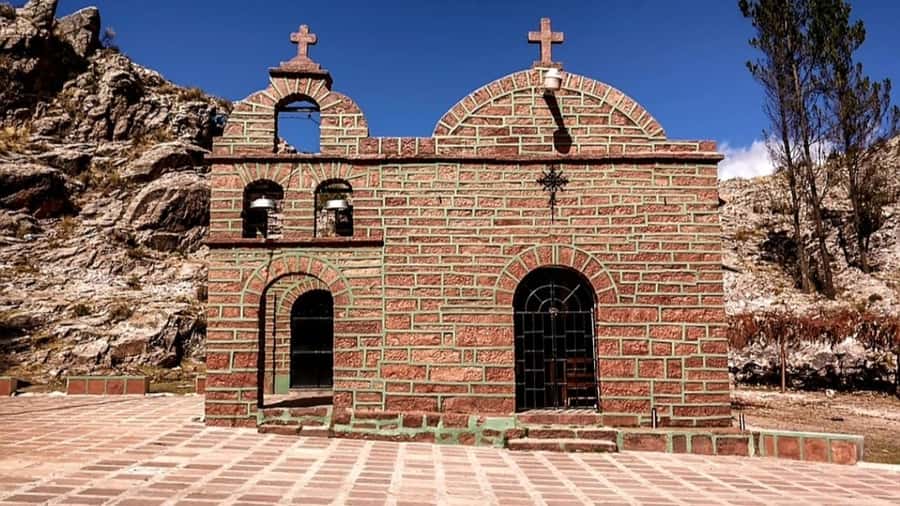
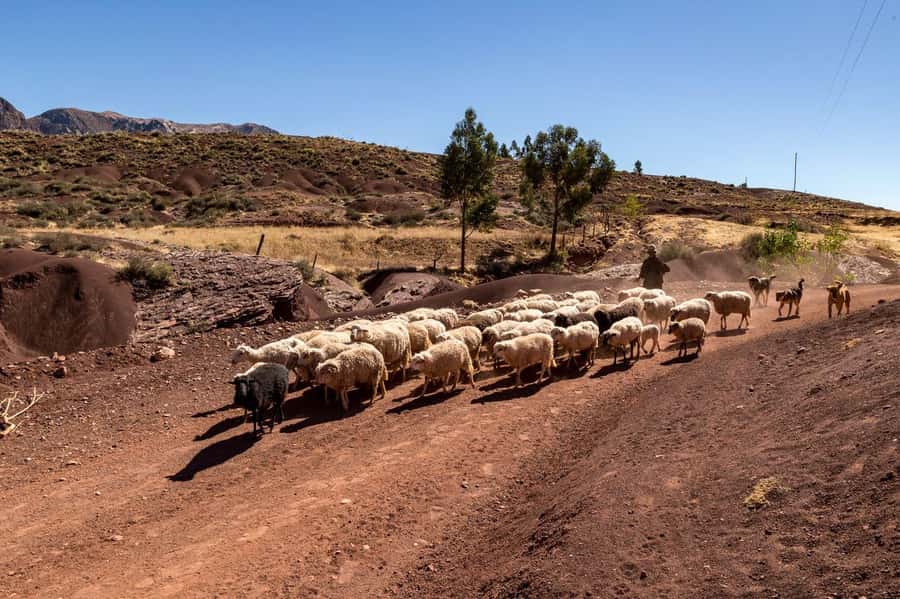
This tour doesn’t treat culture like a postcard stop. It places it inside the rhythm of the hike. You’re already moving through Jalqa territory, and the stops connect to daily life: villages and traditional craft.
The weaver visit is the clearest cultural piece on day two. You’ll hear how textile art is made and why certain techniques matter. If you’ve ever wondered why patterns and weaving traditions survive so long, this kind of stop gives you a way to see it as skill plus identity, not just decoration.
Also, the route itself helps. Walking through areas associated with local communities keeps the “Inca trail versus modern life” contrast from feeling too sharp. You see how communities live alongside the archaeological and natural sites instead of treating them like distant attractions.
Pace, photo time, and trail conditions: what to plan for
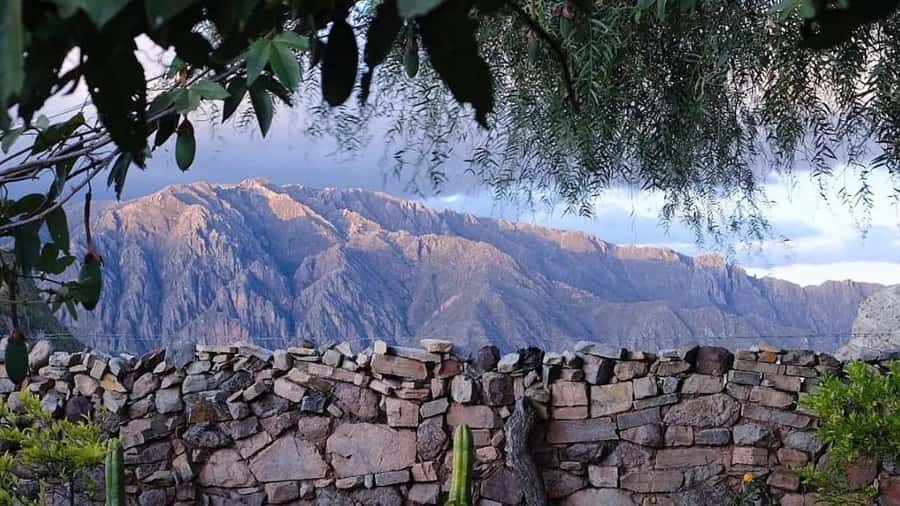
The trail is described as being in good condition, and the overall organization is solid. That’s reflected in how guides like Lizandro and Johnny have handled groups: clear instruction, good energy, and lots of explanation.
But pace is where you should make your expectations match reality. One thing that can surprise you is how fast some guides walk. It’s not unsafe, but if you want long photo breaks every few minutes, you may need to ask for a slower tempo or step slightly out of the group for extra shots at designated pauses.
In general, here’s how I’d plan your effort:
- Start day one controlled on the Inca descent and the flatter river section.
- Save energy for the steep ascent toward the crater.
- On day two, you’ll likely feel better because the second day is easier overall, but still early and active.
- If you’re sensitive to altitude, bring a steady pace mindset from the first hour on.
Price and value: is $124 a good deal for this trek?
$124 per person for a 2-day trek isn’t an inflated price when you compare what’s included.
You get:
- Entry tickets included
- Public transport from Sucre to the trail start area
- Private transport back to Sucre
- A one-night shared room
- A professional hiking guide in Spanish and English (French if available)
- Meals: 1 breakfast, 2 lunches, and 1 dinner
- Fruits included
That’s a lot of logistics handled for you. The tour also keeps group size small, limited to 10 participants, which helps the experience feel guided rather than mass-group.
Now, what you don’t get: water and snacks, plus basic personal hygiene items. You also should expect simple lodging and food. When you combine that with a full two days of walking, you’re paying for access, guiding, and meals that keep you moving—not for comfort upgrades.
For me, the best value angle is this: you’re not just seeing a viewpoint. You’re hiking to it, sleeping near it, and then continuing the next morning. That “time on the ground” is where the money turns into an experience.
What to bring: the packing list that actually matters
This trek asks for normal hiking preparedness, but the weather and uneven ground can turn your day.
Bring:
- Hiking shoes
- Water (water isn’t included)
- Sunglasses and sunscreen
- Sun hat
- Rain gear
- Change of clothes
- Waterproof bag
- Flashlight
- Passport (copy accepted) and ID card (copy accepted)
- Personal medication
Swimwear is also on the list. The exact reason isn’t spelled out, but it’s a safe bet that you might want it for any water-related downtime inside the crater area.
Also, pack light if you can. One key takeaway from guides’ own advice is to keep your load manageable. You’ll thank yourself when your shoulders aren’t fighting you on uphill sections.
And please follow the rules: no littering, no feeding animals, and no alcoholic drinks in the vehicle.
Who this trek suits best (and who should skip it)
This is a good fit if you:
- Enjoy hiking with some climbs
- Want guided storytelling and culture stops
- Are comfortable with basic accommodations for one night
- Can handle early mornings and a small-group pace
It’s not suitable for:
- Children under 10
- Pregnant women
- People with mobility impairments
- People afraid of heights
- People over 95
If you’re someone who needs a very gentle walk with minimal elevation change, you should think twice. The route includes steep climbs, and the crater viewpoints can bring you close to exposed spots.
If you’re unsure about your fitness, be honest with yourself about the steep ascent toward Maragua and the uphill exit from the crater on day two.
Should you book this 2-day trek from Sucre?
If you want a trek that blends Inca stone paths, crater viewpoints, dinosaur footprints, and Jalqa culture in two days, this is a strong choice. I like that it’s compact and focused. You get two solid hiking days with guiding and meals handled.
Book it if:
- You’re excited by the dinosaur footprint angle at Niño Mayo
- You want more than scenery—especially the weaver and Jalqa village connection
- You’re okay with basic lodging and a guided pace that may not slow for every photo
Skip it if:
- Heights make you nervous
- You need guaranteed slow walking and lots of time standing still
- You rely on water being provided or you forget to pack essentials like rain gear and a flashlight
If you can do the steep parts and you pack smart, you’ll come away with a route that feels like you walked through multiple worlds: Inca-era trails, modern community life, and the strange grandeur of Maragua’s crater.
FAQ
How long is the hike each day?
Day one covers about 16 km, with sections that include a descent along Inca stone paths, mostly flat walking near a river, and then an ascent toward the Maragua Crater. Day two is about 12 km, including early walking to the Niño Mayo dinosaur footprints area, then an easier scenic route to Majada (about a 5 km walk).
What meals are included, and is water provided?
Meals included are 1 breakfast, 2 lunches, and 1 dinner, plus fruits. Water is not included, so you’ll need to bring it yourself. Snacks are also not mentioned as included.
Where do we meet in Sucre, and how do we get to the trail area?
You meet at the main entrance of Estadio Patria on German Mendoza Street. You then take a public bus from Sucre to Chataquila, with the bus ride typically running from about 8:15 am to 9:30 am. At the end of day two, a private vehicle returns you to Sucre.
What kind of climbs and terrain should I expect?
Day one has three sections: a descent on Inca stone paths, mostly flat terrain along a river with gentle ups and downs, and a steep ascent around the mountains up to the Maragua Crater area. Day two includes hiking through the crater, then an uphill exit to a viewpoint before you reach an easier trail with short ups and downs.
What should I pack for the trek?
Bring hiking shoes, water, sunglasses, sun hat, sunscreen, rain gear, change of clothes, and a waterproof bag. You’ll also want a flashlight and personal medication. Bring your passport (copy accepted) and ID card (copy accepted).
Can I cancel, or extend the trek to 3 days?
You can cancel up to 24 hours in advance for a full refund, and there is a reserve now & pay later option. There is also an option to extend the hike to 3 days and 2 nights, including a visit to the Tumpeca area, with rock paintings, geological formations, ancient trails, forests, and local community culture.