REVIEW · KATHMANDU
12 Days Annapurna Circuit Trek from Kathmandu
Book on Viator →Operated by CAN Travels · Bookable on Viator
A trek like this changes fast, day to day. What I like most is the Sherpa-led coaching (English-speaking and big on mountain culture), and the way the route swings from lush valley walking to high, windy arid terrain. The main thing to consider is that this is not a stroll: you’ll spend long hours on your feet, and the Thorong La area can bring strong wind and altitude stress.
This trip also has a practical rhythm built in: acclimatization time around Manang, then a serious push toward the high point and onward to Muktinath and Jomsom. If you’re the kind of traveler who likes clear logistics and real local encounters, you’ll likely enjoy the mix of villages, monasteries/stupas, and everyday talk with people along the way. Just plan on food and drinks being extra, because the trek costs add up once you’re on the trail.
In This Review
- Key things that stand out on this Annapurna Circuit trip
- Annapurna Circuit: a trek that keeps changing without feeling chaotic
- Kathmandu pick-up and the first evening in Thamel
- Chame and Upper Pisang: river crossings and first real trail vibes
- Braga and Manang: Tibetan-style architecture and the acclimatization pause
- Yak Kharka to Thorong Phedi: juniper forests, yak pastures, and the climb rhythm
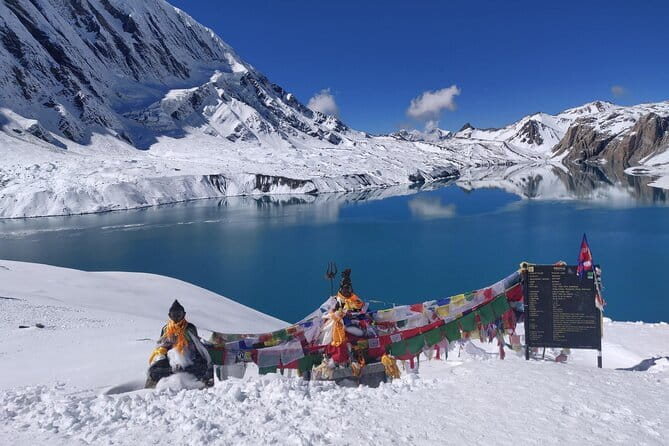
- Thorong La Pass day to Muktinath: the long push you plan for
- Kagbeni and Jomsom: Kali Gandaki valley energy shift
- Pokhara transfer day: break your hiking brain and reset
- Back to Kathmandu and the airport buffer
- Price and what your $680 really covers (and what it doesn’t)
- Who this trek suits (and who should rethink it)
- Should you book this Annapurna Circuit with CAN Travels?
- FAQ
- What is the trek duration for this Annapurna Circuit trip?
- Where does the tour start in Nepal?
- What is included in the price?
- Is food included during the trek?
- What altitude features are part of the route?
- How does the trip handle acclimatization?
- How long is the road transfer to Pokhara?
- Is this a private tour or shared with other travelers?
- What is the cancellation window for a full refund?
Key things that stand out on this Annapurna Circuit trip
- English-speaking Sherpa guides who focus on both safety and culture, with praised guides including Biru, Milan, Amrit, and Krishna
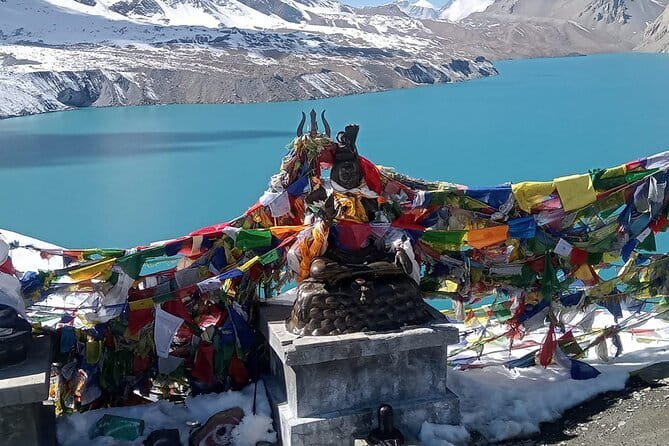
- A true altitude profile, including the Thorong La Pass at 5,416m and a demanding 8–9 hour day
- Acclimatization support in the Manang area before you push higher
- Guesthouse trekking stays plus Kathmandu (2 nights) and Pokhara (1 night) with breakfast
- Trekking poles provided (one per person), which helps when the trail turns steep or rocky
- Good scenery variety without changing the core circuit plan, from Marshyangdi Valley to Kali Gandaki Valley
Annapurna Circuit: a trek that keeps changing without feeling chaotic
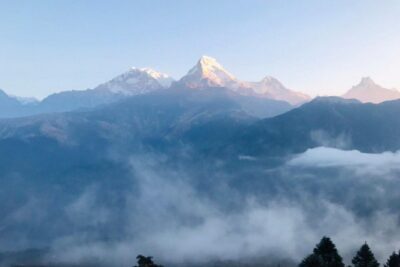
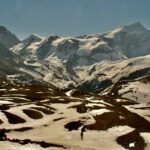
The Annapurna Circuit is famous for one simple reason: it doesn’t stay in one “type” of environment. You start in greener, softer-feeling areas along the Marshyangdi Valley, then keep climbing until you’re walking through drier, higher, and windier country around Manang and beyond. The payoff is that your views aren’t just pretty—they track your elevation and your effort.
This version of the circuit also leans hard into human-scale travel. Along the way you’ll meet Gurungs, Manangis, and Tibetans, plus you’ll see religious sites like monasteries and Buddhist stupas. That matters because it makes the trek feel like you’re moving through a living region, not just collecting peak photos.
One more thing: the trip’s structure is designed for how bodies work at altitude. You don’t jump straight from low elevation to the big pass moment. You get a built-in pace that includes time in the Manang area for acclimatization and active recovery, which is exactly what you want before your highest day.
You can also read our reviews of more tours and experiences in Kathmandu.
Kathmandu pick-up and the first evening in Thamel
Your journey starts the day you arrive in Kathmandu. You’ll be met at Tribhuvan International Airport by a Sherpa Expedition & Trekking representative and taken by private vehicle to your hotel. The company also offers round-trip hotel pick-up and drop-off, which makes the first day less stressful—especially if you land tired or jet-lagged.
The itinerary ties the start to Thamel, a convenient base in Kathmandu. If you need gear (extra layers, sunscreen, or a small snack), Thamel is the kind of place where you can usually find it quickly. It’s also a good place to get your bearings fast before you meet your guide and group.
Practical note: the listed start time is 4:15 pm, so even if your flight lands earlier, don’t count on a full day of sightseeing. In other words: treat Day 1 as logistics + sleep, not a city marathon.
Chame and Upper Pisang: river crossings and first real trail vibes
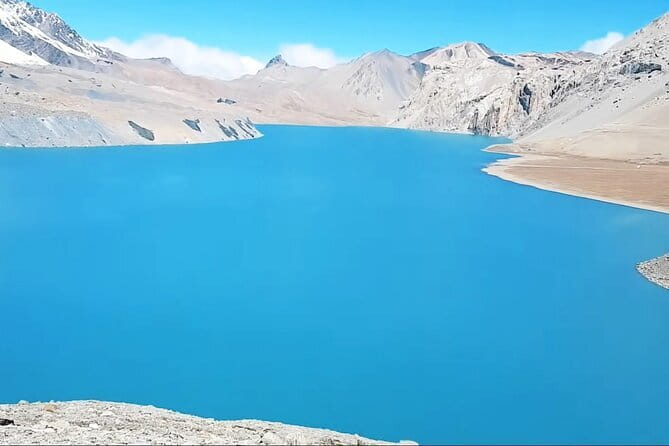
Day 2 includes a long road stretch, and it’s not just “travel time.” The route crosses the Trishuli River and heads near the Marsyangdi River, so you can often spot rafting activity and big river views close to Chame. Then the drive pushes you to Besisahar before continuing on to Chame, a common starting point for serious Annapurna walking.
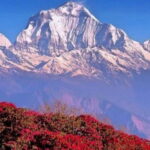
Day 3 shifts into trail mode from Upper Pisang and includes a suspension-bridge moment. You’ll pass through Telekhu, and you’re likely to get strong early views of the Annapurna range and Mt. Pisang (6,091m)—the first taste of how dramatic the region looks once you’re above the valley floor.
A small consideration here: the day is shorter on paper, but you’ll still feel it. Suspension bridges, short climbs, and uneven footing can add up, so don’t assume that a “6-hour trek” feels easy.
Braga and Manang: Tibetan-style architecture and the acclimatization pause
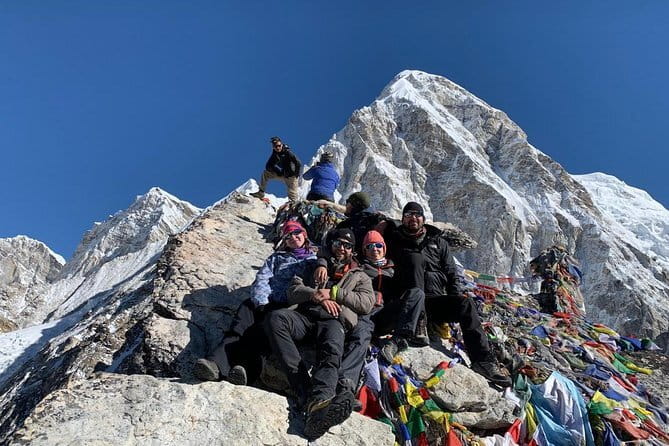
The Manang area is where the circuit starts to feel different. On Day 4, you trek from Pisang toward Braga, a Tibetan village with distinctive architecture—homes stacked in a compact, one-upon-another style. That’s the kind of visual detail that turns a trek into a cultural walk. You’re not just passing through; you’re seeing how people adapt to high-altitude living.
Then Day 5 is your acclimatization-support day. You’ll spend time in and around Manang with guidance that encourages staying active rather than doing nothing. That’s a smart approach: you want your body to adjust while you keep moving, not freeze up with inactivity.
Why this matters for value: if you handle altitude well, the whole trek becomes more enjoyable. You’ll have better energy for the next climbs, and your “big day” won’t feel like an unfair surprise. For many people, this Manang pause is the difference between finishing strong and dragging yourself forward.
Yak Kharka to Thorong Phedi: juniper forests, yak pastures, and the climb rhythm
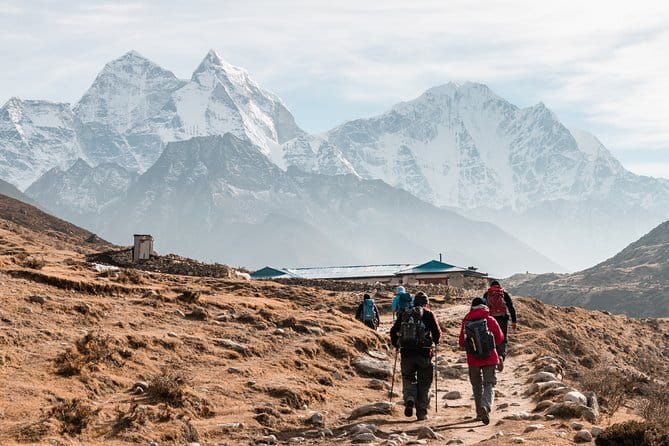
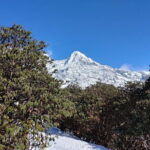
Day 6 is a classic high-altitude trek day. You’ll head toward Yak Kharka, with a reported 10.4 km uphill trek through juniper forests and past alpine pastures where you can see yak grazing. The teahouse at Thorong Khola is also highlighted as the only one in that stretch, which gives you a sense of how remote sections can feel once you’re higher up.
What you’ll feel, day to day, is the shift from “valley trekking” to “sustained mountain work.” The air gets thinner, your pace slows naturally, and your body asks for steady breathing and consistent steps rather than big bursts.
Day 7 continues the climb to Thorong Phedi, sometimes described in meaning as the foot of the pass. The route follows the east bank of the Jarang Khola and offers views of steep bluffs before you reach the high-prep area. This is also where winds can pick up, and your mind starts focusing on the upcoming pass day.
If you’re the type who likes a predictable routine, this is where it helps to listen to your guide and keep your effort steady. The “win” on high passes is often simple: don’t burn matches early.
Thorong La Pass day to Muktinath: the long push you plan for
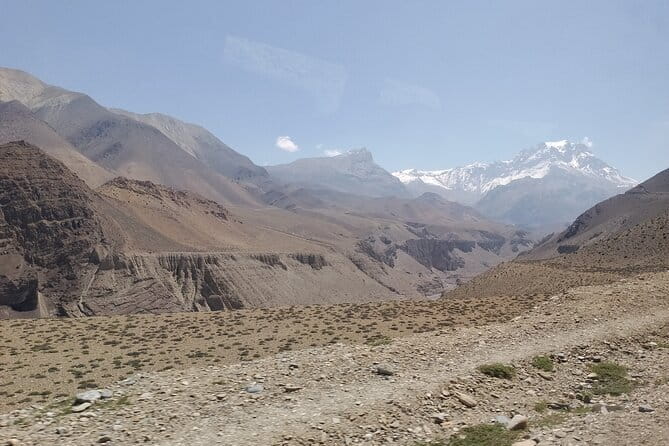
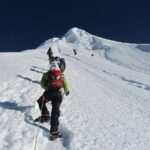
Day 8 is the most physically demanding day listed, with hiking around 8 to 9 hours. It’s not just distance—it’s altitude, and sometimes strong winds in the pass area. Even if you’re fit, you’ll want to treat this as a day where pacing is everything.
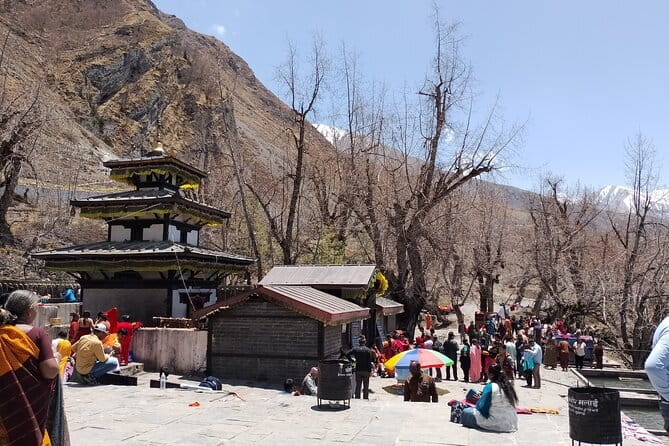
The route takes you onward to Muktinath, a major stop that’s often used as a milestone after Thorong La. You’re getting the feeling that the Annapurna Circuit is not one continuous hike—it’s a sequence of altitude challenges, each one setting up the next.
Practical advice from the way the trip is framed: if you’re prone to rushing when you feel good early, this is the day to resist that habit. Instead, aim for calm breathing, short steps, and a steady pace you can hold for hours.
Kagbeni and Jomsom: Kali Gandaki valley energy shift
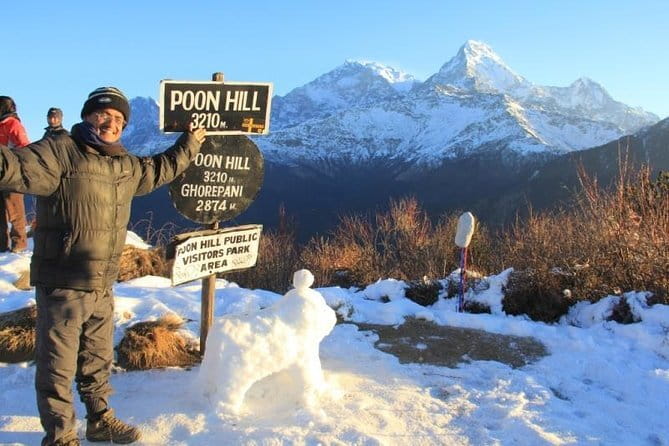
Leaving Muktinath, Day 9 moves through meadows, orchards, and streams. You’ll pass Kagbeni before continuing to Jomsom, located in the Kali Gandaki Valley. Kagbeni is called out for its reputation, which hints at how interesting the village setting is—but the bigger point is the shift: the scenery and walking feel different as you transition out of the highest, driest zones.
This day is listed as about 6 hours, so it may feel more manageable than Day 8. But at altitude, even “shorter” days still require respect. You’ll likely feel the rhythm difference—less sheer “climb pressure,” but still thin air and long periods outside.
Pokhara transfer day: break your hiking brain and reset
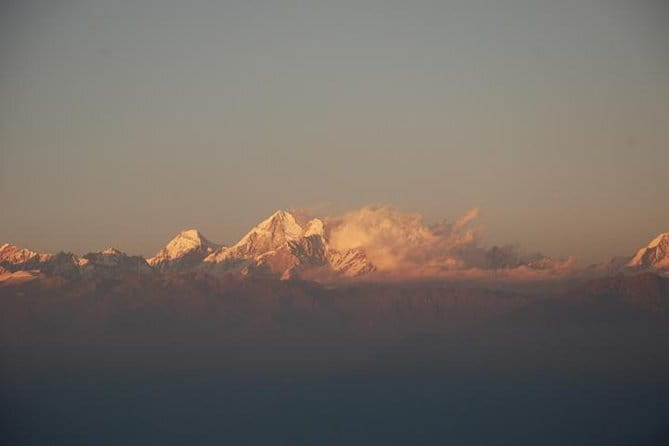
Day 10 is a drive to Pokhara by local bus, listed as 7–8 hours. The route passes through Tatopani via Beni Bazaar, and by the time you arrive, you’re done with trail logistics for a bit. Pokhara is famous for its lake, Phewa Tal, and it’s the kind of place where you can stretch out, eat something satisfying, and soak up a less rugged vibe.
Your trip includes 1 night in Pokhara with breakfast, so you’re not just passing through—you’re getting a proper recovery buffer. This is where I’d plan laundry, a final gear check, and an unhurried evening meal.
One caution: long road days can be tiring even after trekking. If you’re prone to motion sickness, bring what helps you, because bus rides can be bumpy.
Back to Kathmandu and the airport buffer
Day 11 drives you back to Kathmandu, again 7–8 hours. By now, you’re carrying a trail-world brain: you’ll notice how loud the city feels after mountain quiet, and you’ll probably spend time replaying the pass day in your head.
Day 12 is a straightforward airport transfer. You’ll be taken to Tribhuvan International Airport with at least three hours prior to your scheduled departure time. That buffer is a gift in Nepal, where lines and logistics can be unpredictable.
Your Kathmandu plan includes 2 nights in the city with breakfast, which gives you breathing room for the start and end.
Price and what your $680 really covers (and what it doesn’t)
At $680 per person for a 12-day circuit, the value comes from what’s included—not just the basic trekking idea.
Included:
- hotel pick-up and drop-off round trip
- English-speaking trekking guide
- trekking permit and official document handling
- accommodation: Kathmandu 2 nights + Pokhara 1 night with breakfast
- guesthouse during the trek
- round trip transfer by sharing bus according to the itinerary
- private tour (so it’s your group)
- trekking pole per person
- mobile ticket is listed as a feature
Not included:
- food and drinks (you’ll buy on your own, listed as about US$ 25 per day)
- gratuities (optional)
The big budgeting takeaway: this trek’s cost is easiest to manage if you plan for daily trail meals and snacks ahead of time. When food isn’t included, you lose flexibility in the way you budget, especially if you like coffee, tea, or frequent warm meals in higher, colder sections.
Also, think about your guide as part of the value. The names you’ll see praised in this circuit context include Biru, Milan, Amrit, and Krishna, and common themes are care, honesty, helpful explanations, and adapting the pace. That combination can matter more than small price differences, especially on a high-pass route.
Who this trek suits (and who should rethink it)
This trip is clearly aimed at people with strong physical fitness. The route includes the Thorong La Pass (5,416m) and a long, demanding Day 8. Even with acclimatization support, the altitude and time on your feet are the whole point of the circuit.
You’ll likely enjoy this itinerary if you:
- want a classic Annapurna Circuit experience with a strong culture element (villages, monasteries, stupas)
- like having an experienced guide explain not just trail logistics but also mountain culture
- prefer a structured trek with guesthouses rather than fully independent camping
You might reconsider if you:
- need a very low-pressure pace with minimal long hiking days
- hate uncertainty around weather and wind at higher elevations
- don’t want to manage meals on your own during the trek
Should you book this Annapurna Circuit with CAN Travels?
If you want a well-organized circuit with Sherpa-led guidance, permits handled, guesthouse lodging included, and a route that takes altitude seriously, this is a strong choice. The practical edge is real: you get support from the airport pickup all the way through to the flight-time buffer, and the inclusion of trekking poles helps you start prepared.
I’d book it if your goal is the real Annapurna mix: big pass challenge, village life, and views that keep evolving. I’d pause before booking if you’re unsure about long day effort or you’d rather have food fully included in the price.
Either way, pack for wind, go steady on your pace, and trust the acclimatization plan. On the Annapurna Circuit, that’s how you turn hard days into the kind you remember.
FAQ
What is the trek duration for this Annapurna Circuit trip?
The trek is listed as 12 days (approx.), including travel and return to Kathmandu.
Where does the tour start in Nepal?
The tour starts in Kathmandu, with activities beginning around Thamel and an airport pick-up on arrival.
What is included in the price?
The listed inclusions cover hotel pick-up and drop-off, an English-speaking trekking guide, trekking permit documentation, Kathmandu and Pokhara accommodations with breakfast, guesthouse stays during the trek, round-trip transfers by sharing bus, a private tour setup, and trekking poles per person.
Is food included during the trek?
No. Food and drinks are not included, and you’ll purchase them on your own (listed as approximately US$ 25 per day).
What altitude features are part of the route?
The itinerary description highlights Thorong La Pass at 5,416m, and Day 8 is described as one of the most physically demanding days with strong altitude effects and possible strong winds.
How does the trip handle acclimatization?
The plan includes a stop in Manang with guidance that supports acclimatizing and staying active before going higher.
How long is the road transfer to Pokhara?
Day 10 includes a drive to Pokhara by local bus for about 7–8 hours.
Is this a private tour or shared with other travelers?
It’s described as a private tour (only your group participates), but transfers are listed as sharing bus according to the itinerary.
What is the cancellation window for a full refund?
You can cancel up to 3 days in advance for a full refund. If you cancel less than 3 full days before the experience’s start time, the amount paid is not refunded.