REVIEW · KATHMANDU
Everest Base Camp trek with Helicopter return 9 days
Book on Viator →Operated by Adventure Master Trek · Bookable on Viator
A short Everest trip is not a shortcut. This Everest Base Camp helicopter return trek squeezes the highlights—Lukla, Namche, Tengboche, Gorak Shep, Kala Patthar—into 9 days, then trades sore legs for a helicopter ride back. If you want big mountains without a huge time commitment, it’s an efficient way to do it.
I especially like two things. First, the safety setup is practical: you travel with a first aid kit and an oximeter that checks pulse and oxygen saturation twice a day. Second, you don’t have to “earn” the return with more days of walking—the helicopter gets you out once you’ve done Kala Patthar.
The one drawback to weigh is time. You spend 7 full days in the mountains, but compared with longer EBC treks, you’ll have less room for slow wandering and extra acclimatization days if you want them.
In This Review
- Key highlights to know before you go
- Why this 9-day Everest Base Camp trek feels like the smart trade
- Kathmandu pickup and the first “real” day: settling in before altitude
- Lukla to Namche Bazaar: forests, bridges, and the first altitude reality check
- The Namche rest day (plus Khumjung): using altitude time well
- Kyangjuma to Tengboche: views with a steady grind
- Dingboche to the Khumbu Glacier: where the trek starts feeling remote
- Lobuche to Gorak Shep: the long day that sets up Kala Patthar
- Kala Patthar on day 9: your reward, then the helicopter out
- Price and value: what $3,888 buys (and what you still need to budget)
- What the guide and safety checks do for you in real life
- Day-by-day flow: what to expect without the guesswork
- Who should book this Everest Base Camp helicopter return trek
- Should you book it or choose a longer trek instead?
- FAQ
- How many days is the Everest Base Camp trek with helicopter return?
- When do I take the helicopter?
- What flights are included?
- Are permits and official fees included?
- Do I travel with a guide and porter?
- Is altitude monitoring included?
- What meals are included on the trek?
- What costs are not included besides airfare and visa?
- What is the cancellation policy?
Key highlights to know before you go
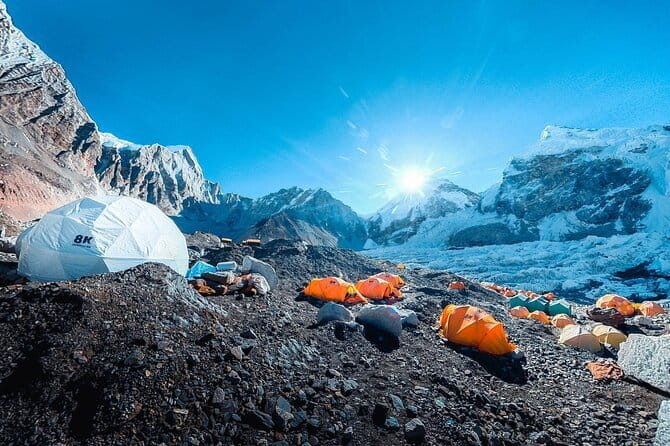
- Guided, paced trekking with altitude checks: oximeter monitoring twice daily and a first aid kit kept with your group.
- Two flights plus one helicopter ride: Kathmandu to Lukla, then the return from Gorakshep to Lukla by helicopter, and finally Lukla to Kathmandu.
- Kala Patthar is still the mission: you’ll go up for sunrise-style mountain views before heading down.
- A classic high-Khumbu route: Namche, Khumjung, Tengboche, the Khumbu Glacier, Gorak Shep, then Kala Patthar.
- Porter support: one porter for two people means you’re not wrestling your whole load uphill.
- Meals and permits handled: breakfast, lunch, and dinner are included on trek days, plus official permits/taxes.
Why this 9-day Everest Base Camp trek feels like the smart trade
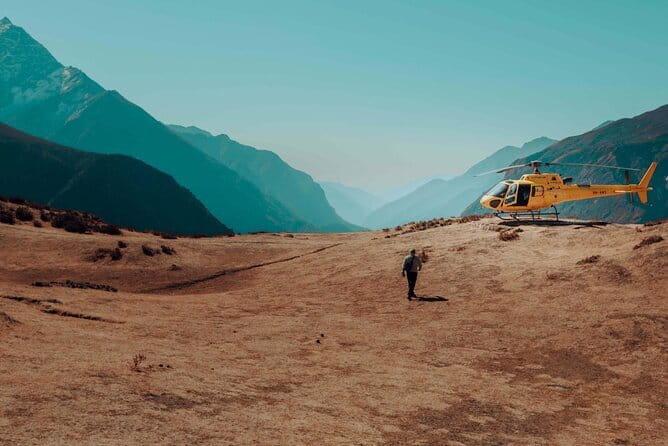
Everest Base Camp has a reputation for being long, hard, and slow—mostly because the “right” pace is built around acclimatization. This version keeps the mountain experience but compresses it. You’re still going up through the Khumbu in stages, hitting key towns and viewpoints, then climbing to Kala Patthar (5,644m / 18,519 ft) before your helicopter ride out.
The value here is not just the helicopter. It’s the way the schedule is stitched together so you can move daily without feeling like you’re getting dropped in at the deep end. The itinerary builds gradually, and it includes an acclimatization pause in Namche Bazaar. That matters because altitude is where most people struggle—not the idea of hiking itself.
And yes, the short format can be great. If you have limited time and you’ve seen enough “week-by-week” EBC packing lists to last a lifetime, this lets you do the essentials without turning your vacation into a multi-month project.
You can also read our reviews of more tours and experiences in Kathmandu.
Kathmandu pickup and the first “real” day: settling in before altitude
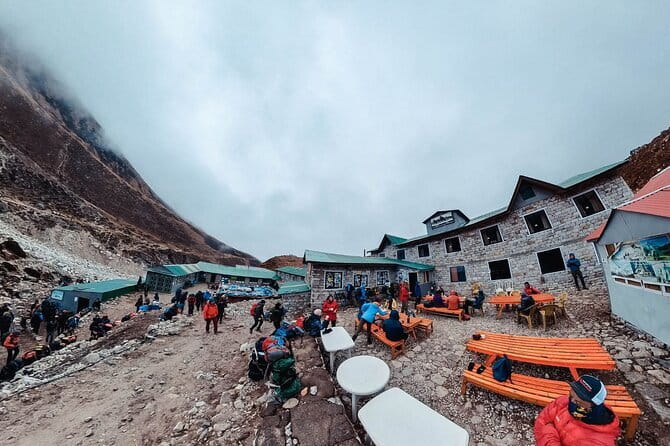
Day 1 is mostly about getting organized. You’re met at the international airport by the team, helped with check-in, and you’ll get transferred by private car to your hotel. After that, you meet the core team and settle your baseline logistics: your bags, your timing, and your expectations.
This matters more than it sounds. In Nepal, a smooth start reduces stress later—especially when you’re about to fly to Lukla, where schedules are tight and your body is already adjusting to a new rhythm.
Day 2 is when the trip becomes unforgettable in a hurry: the flight from Kathmandu to Lukla (Tenzing Hillary Airport). It’s short, and the views from the air are part of the experience. Once you land, porters join you and you start moving toward the first trek village.
Lukla to Namche Bazaar: forests, bridges, and the first altitude reality check
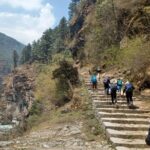
Day 3 takes you from the Phakding side up to the Namche Bazaar area. You’ll follow a path that runs through rhododendron and magnolia forests, then work your way toward Toktok and onward toward Namche. Along the route, you cross bridges (including the two-bridge stretch near Monjo), so you’re constantly switching up your footing and cadence rather than trudging in one long monotone climb.
Namche Bazaar is also your first big “altitude town” feeling. It’s not just a stop sign; it’s where you start to feel like you’re in the high Khumbu system. You’ll spend the next day resting and acclimatizing—so Day 3 is your chance to get there, breathe a little, and not treat every uphill as a personal challenge.
Practical tip: after that flight day, keep your walking easy on this section. The route gives you an effort target, but altitude is the real boss.
The Namche rest day (plus Khumjung): using altitude time well
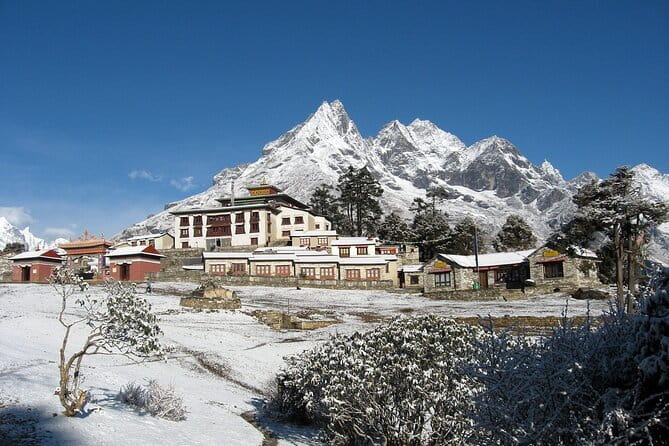
Day 4 is where the itinerary shows maturity. You rest in Namche Bazaar to let your body adjust. Then you go up again via the Syangboche Airstrip area to reach the Everest View Hotel area and also visit Khumjung.
Why I like this approach: it gives your lungs and legs a day to catch up before you start climbing more steeply. You’re not stuck doing “nothing,” either—you’re active, but the pace is controlled.
Khumjung also makes the stop feel meaningful, not like a checkbox. It’s the kind of day where the altitude is still there in the background, but you’re not forced into a punishing grind.
If you’re coming from sea level or you’ve had altitude headaches before, this rest day is a big reason this trip can work well for people aiming for moderate difficulty.
Kyangjuma to Tengboche: views with a steady grind
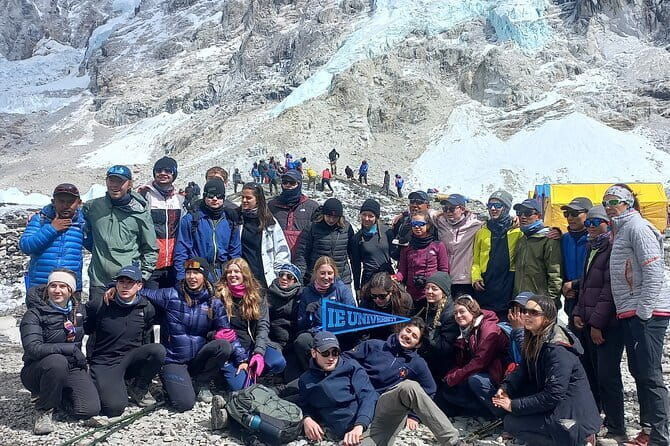
Day 5 climbs from Namche toward Kyangjuma (3,550m). The trail moves through greener foothills, and you’ll get mountain views along the way. It’s a “go up, then breathe, then keep going” day, with ups and downs built in—not just a straight wall.
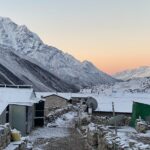
Then Day 6 takes you through a sunrise morning near Tengboche. You head down through lush rhododendron forest to Deboche (3,320m). Wildlife can show up on this section—musk deer, blue sheep, and maybe other sightings—so mornings here can be more than a hike. They can be a quiet moment where the mountains and the trail talk back.
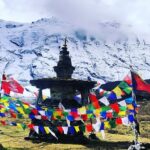
This is also where Tengboche matters culturally and visually. It’s a well-known high Khumbu stop, and the itinerary uses it in a way that keeps you close to the rhythm of the valley while still gaining elevation.
Dingboche to the Khumbu Glacier: where the trek starts feeling remote
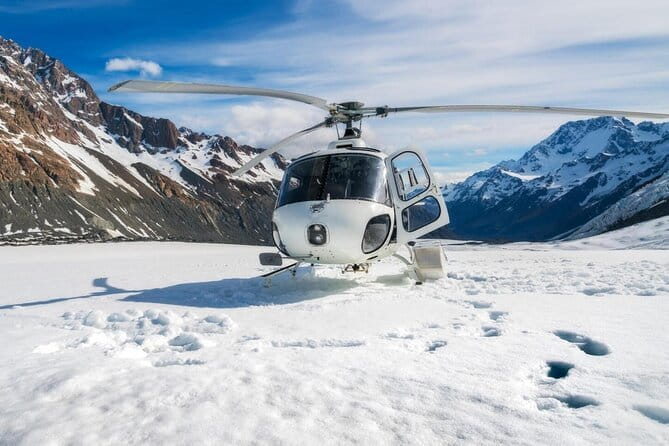
Day 7 is a turning point: you spend most of the day walking along the Khumbu Glacier. After leaving Dingboche, you climb through a ridge and then continue upward in a more serious feel. You start seeing features like Cholatse and Tawache in the broader view, and the terrain becomes less “village trail” and more “this is deep in the mountains” route.
The Khumbu Glacier section is the day that tends to make people stop thinking about the itinerary and start thinking about the sheer scale around them. It’s also the point where the trail can feel steeper and more remote compared with earlier segments.
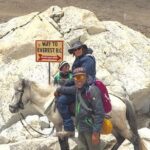
This is where the included support matters. You’re not supposed to just suffer silently. You’ll have an experienced mountain guide with your group, and you also have altitude monitoring (oximeter checks) that keeps the trip grounded in real conditions.
Lobuche to Gorak Shep: the long day that sets up Kala Patthar
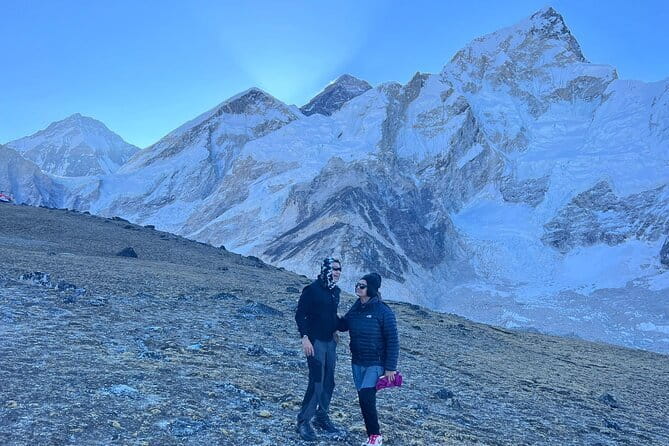
Day 8 is big. You leave Lobuche and follow the wide valley up to Gorak Shep. The trail climbs gradually along a rocky path, and as the elevation rises, it gets steeper.
This day is less about “pretty strolling” and more about efficient movement. Gorak Shep is where people go to position themselves for Kala Patthar. If you’re thinking about energy management, Day 8 is your last real chance to go to bed knowing you saved enough for sunrise views.
Practical note: if you’ve ever been tempted to push too hard at altitude, this is where you resist. You want legs for the final climb, not just determination.
Kala Patthar on day 9: your reward, then the helicopter out
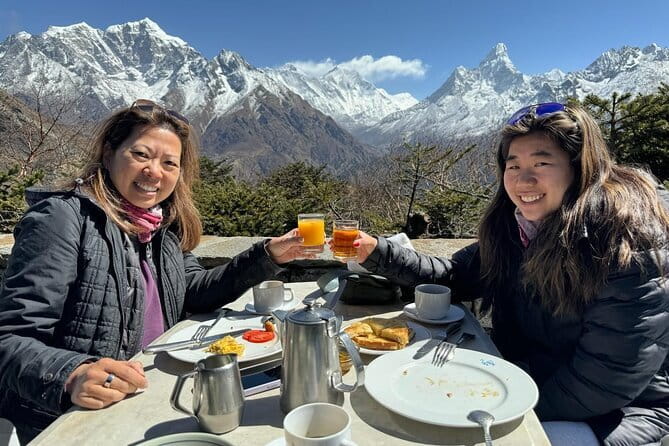
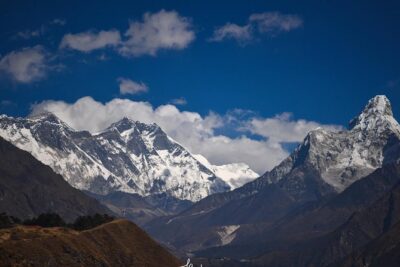
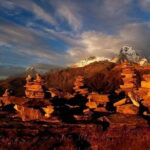
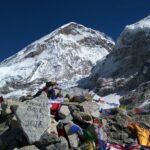
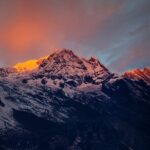
Day 9 starts with Kala Patthar. You can’t really leave the Everest area without doing this, and the itinerary is designed around that logic. The Kala Patthar trail is well-used and easy to follow, starting above Gorak Shep. The emphasis is on the view—especially in early light, when the peaks turn dramatic.
Then the plan shifts from walking to transport. The trip includes a helicopter flight from Gorakshep to Lukla. This is the moment where the whole idea of the “helicopter return” becomes real: you swap hiking time for mountain time already paid for.
Because your flights from Kathmandu to Lukla and back to Kathmandu are included, you’re not stuck figuring out how to get home after the helicopter. In a short itinerary, that kind of planning is worth its weight in trekking socks.
Price and value: what $3,888 buys (and what you still need to budget)
At $3,888 per person, this is not a budget trek. The value comes from what’s bundled and what’s protected.
Here’s what you do get, clearly:
- Private car transfers for ground travel to/from the airport
- Flights Kathmandu–Lukla and Lukla–Kathmandu
- Helicopter flight from Gorakshep to Lukla
- Experienced guide with salary, food, drinks, lodging, transportation, and insurance handled
- Permits and official fees taken care of, including taxes and paperwork needed for the trek
- Oximeter and first aid kit, plus oximeter checks twice a day
- Porter support: one porter for two people
- Meals on trek: 8 breakfasts, 8 lunches, 8 dinners
What’s not included is also important for planning:
- Visa and your travel/medical insurance
- International airfare
- Meals in Kathmandu (lunch/dinner)
- Tips to guide/porter/driver (tipping is expected)
- Extras on the trek: desserts and many drinks
- Hot shower and phone charging costs (you may pay around $2 to $5 for those services)
If you compare this to a “standard” EBC trek, the biggest difference is obvious: the helicopter return is pricey. But when you’re spending less time in the mountains, you’re also reducing costs tied to additional nights, extra food days, and longer guide/crew time. For the right traveler—someone short on time but determined to see Everest—the math can make sense.
What the guide and safety checks do for you in real life
This isn’t a “just follow the leader” trek. You’re working with expert mountain guides, and the trip includes a safety routine: a first aid kit plus an oximeter to check pulse and oxygen saturation twice a day.
That changes the feel of the trip. Instead of altitude being a vague risk you think about after something goes wrong, it becomes a monitored part of the day. You still need to tell your guide if you feel off, but you’re not guessing blindly.
Also, the included porter setup—one porter for two people—matters on steep sections like the climb toward higher ground. Even with a moderate trek plan, you’ll move more comfortably when you’re not carrying everything.
From past EBC experiences tied to helicopter usage, one traveler praised the organizers for using helicopters as part of the plan when conditions got challenging. That’s not a guarantee of smooth skies, but it does support the idea that this operator understands how to use air transport when time and conditions matter.
The names you’ll hear in the EBC stories also point to a service-first mindset. In one EBC account, Raj helped make the process easier and more efficient. In another, Ramesh was highlighted for being quick to help during the Everest Base Camp trek.
Day-by-day flow: what to expect without the guesswork
This itinerary has a clear rhythm: move from village to village, acclimatize with intention, and save the big view climb (Kala Patthar) for the end.
- Days 2–3: flight to Lukla, then your first upward trek blocks toward Namche.
- Day 4: rest day plus Khumjung/Everest View Hotel area, letting altitude catch up.
- Days 5–6: climb and reposition via Kyangjuma to Tengboche and Deboche.
- Day 7: Dingboche ridge and the Khumbu Glacier day—the route grows more remote.
- Day 8: Lobuche to Gorak Shep to set up Kala Patthar.
- Day 9: Kala Patthar views, then helicopter down toward Lukla and onward travel.
If you like structure, you’ll appreciate this. If you hate schedules, you might find the plan firm. Still, the route is short enough that you won’t feel trapped—more like guided through the best parts, then out.
Who should book this Everest Base Camp helicopter return trek
This trek fits you best if:
- You want Everest Base Camp highlights without a 2+ week commitment
- You have moderate physical fitness
- You like having the logistics handled (flights, helicopter, permits, meals on trek)
- You want a real acclimatization pause (Namche rest day)
It may not fit as well if:
- You want maximum days at altitude for a slower, deeper exploration
- You plan to spend lots of extra money on tea house comforts and drinks (those add up fast and aren’t included)
- You want to build a totally independent hiking experience (this one is private and guided)
One more note: this is described as a private tour/activity, meaning your group participates together. That can feel calmer than big mixed groups, but it also means you’re following the group timing.
Should you book it or choose a longer trek instead?
I’d book this if your goal is to see Everest’s core moments—especially Kala Patthar—and you want a smarter exit plan via helicopter. At 9 days, it’s a strong option for limited time, and the inclusion list is heavy on the “hard to DIY” parts like permits, air connections, porter support, and altitude safety checks.
I’d hesitate if you dream of spending many extra days slowly adapting, exploring side detours, or lingering in the Khumbu without needing to meet a tight end date. In that case, a longer EBC plan could match your style better.
Bottom line: for the traveler who wants Everest in a concentrated dose—with real support and a helicopter return—the trade is clear, and the payoff is big.
FAQ
How many days is the Everest Base Camp trek with helicopter return?
The trek runs for about 9 days, with 7 full days spent in the mountains and a helicopter return on the last day.
When do I take the helicopter?
The helicopter flight is from Gorakshep to Lukla, after the Kala Patthar portion on the final trek day.
What flights are included?
Flights from Kathmandu to Lukla and from Lukla back to Kathmandu are included.
Are permits and official fees included?
Yes. Fees for permits and entrance papers you need for the hike are included, along with taxes and official costs.
Do I travel with a guide and porter?
Yes. You’ll have an experienced guide, and there is also porter support with one porter for two people.
Is altitude monitoring included?
Yes. The trip includes a first aid kit and an oximeter, and the oximeter checks pulse, oxygen saturation, and heart rate twice a day.
What meals are included on the trek?
Dinner (8), breakfast (8), and lunch (8) are included during the trek. Meals in Kathmandu for lunch and dinner are not included.
What costs are not included besides airfare and visa?
Not included are your visa, your travel and medical insurance, international airfare, tips to guide/porter/driver, and extra items like desserts and drinks. Hot showers and phone charging in tea houses can cost about $2 to $5.
What is the cancellation policy?
You can cancel for a full refund if you cancel up to 24 hours in advance. If you cancel less than 24 hours before the start time, the amount paid will not be refunded.