REVIEW · SA PA
Sapa: Epic 1-Day Trek to Fansipan Mountain Peak
Book on GetYourGuide →Operated by Chestnut Travel · Bookable on GetYourGuide
Fansipan is Vietnam’s big mountain challenge. This 1-day trek from Sapa turns a long day of climbing into clear milestones: forest hiking, a high-altitude meal, then a summit lunch with wide-open views. I especially like how the day is paced with breaks at set elevations, and how the group stays small enough for real help on the trail.
There’s one consideration: it’s a serious fitness test. You’re starting early, walking for hours, and the conditions can be wet and slippery—so comfortable, grippy shoes matter.
In This Review
- Key highlights at a glance
- Why Fansipan Makes a One-Day Plan Worth It
- Getting Started in Sapa: The 5:30 Am Meeting Routine
- Into the Primary Forest: Pine, Yellow Bamboo, and Real Climbing
- Breakfast at 2,600m: Fueling for the Final Push
- Noontime Summit: Reaching Fansipan and Taking the Big Lunch Break
- The Descent Back to Sapa: Same Trail, Different Kind of Work
- Guides, English Support, and Why Small Groups Matter
- Price and Value: What $104 Covers and What It Doesn’t
- Weather Reality: Prepare for All Seasons
- Who Should Book This Trek, and Who Should Skip It
- Before You Go: Safety, Insurance, and Trail Rules
- Should You Book This 1-Day Fansipan Trek?
Key highlights at a glance
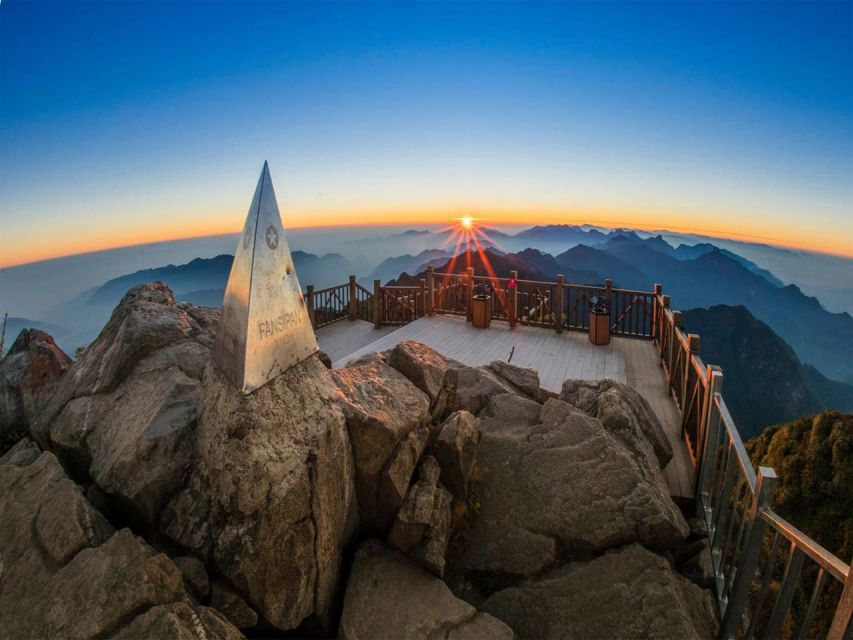
- Summit goal in a single day: Fansipan peak, the highest point in Indochina
- Primary forest trekking: centuries-old pine and yellow bamboo along the way
- Breaks that match the altitude: breakfast around 2,600m, then lunch at the top
- Small group (up to 10): easier to manage pace and questions
- English-speaking local guide: the trail runs smoother with good communication
Why Fansipan Makes a One-Day Plan Worth It
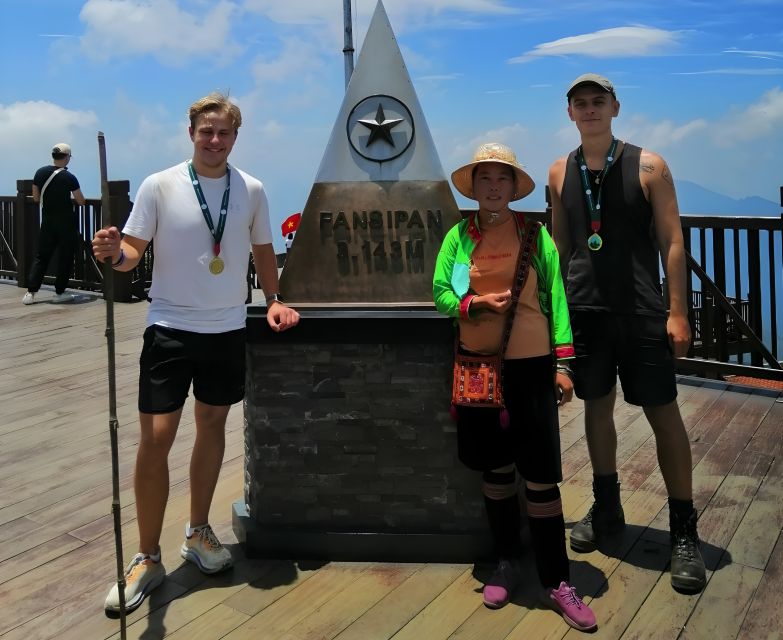
Fansipan sits above Sapa like a giant goal. And the best part about doing it in one day is that you get a clean story arc: morning climb, mid-day summit, afternoon descent. No spending the night adjusting your gear. No second-day logistics.
What you’re really buying is structure plus atmosphere. The trek includes time for walking and time for breaks at meaningful points, so you’re not just grinding upward with no plan. And since the group is limited, you’re less likely to feel like you’re hiking in a crowd where you can’t ask questions or adjust your pace.
The payoff, when weather cooperates, is the kind of wide view that makes the hard parts feel worth it. You also get a direct look at Sapa’s mountain culture and the walking routes that locals and guides know well.
You can also read our reviews of more tours and experiences in Sa Pa.
Getting Started in Sapa: The 5:30 Am Meeting Routine
This is a 5:30 am start. That’s early, yes. But it’s also practical. Cooler temps help you hike longer without burning out. Morning light can also make the climb feel less like a foggy slog.
You meet in the center of town at a reception area. Bring your name for check-in at the attendance list. From there, you follow your guide and the group to begin the expedition. The tour includes car pick-up both ways, which means you’re not scrambling for a taxi before your legs are even awake.
One more practical note: the tour ends back at the same meeting point around 4:30 pm, with a comfortable car waiting to bring you back. That matters in Sapa, where your day can spiral fast if transport falls apart.
Into the Primary Forest: Pine, Yellow Bamboo, and Real Climbing
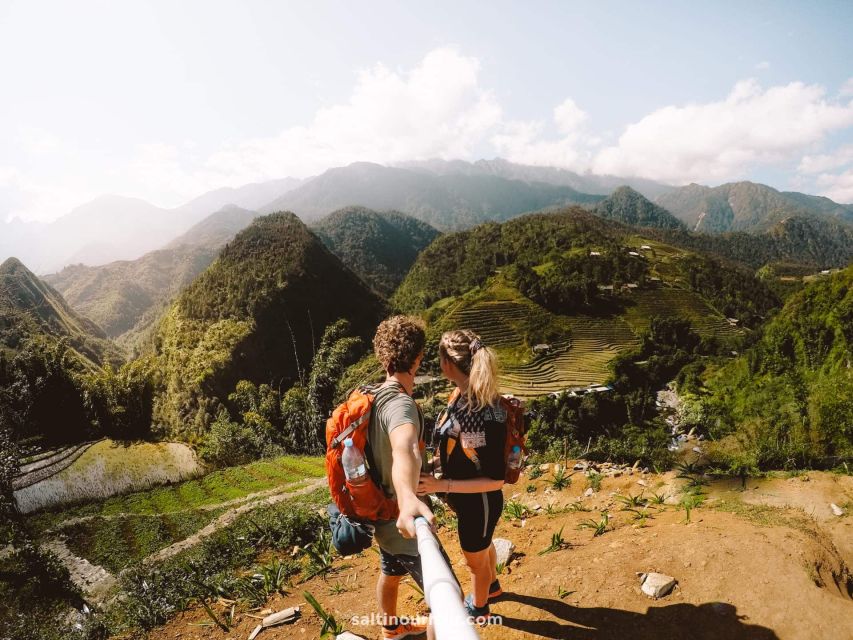
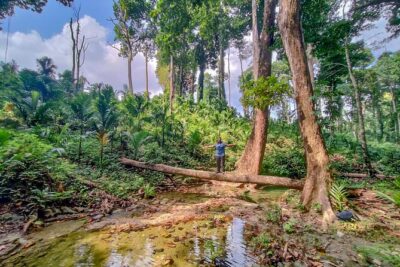
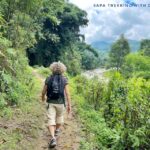
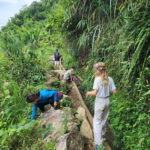
The hike begins with trekking through untouched primary forest. You’ll walk among centuries-old pine trees and pass through areas with yellow bamboo. Even if you don’t know plant names, you’ll feel the difference right away: it’s quieter, more shaded, and less like a managed tourist trail.
This section is your build-up. The goal is steady movement rather than speed. If you’re the type to rush in the morning, you’ll pay for it later. The climb gets serious, so going too fast early can turn the last stretch into a struggle.
You’ll also notice how guides help here without making a big production of it. Good pacing and route awareness become the difference between “hard but manageable” and “why am I still climbing?” You’re on designated paths, and you’re told to follow the guide’s instructions for safety.
Breakfast at 2,600m: Fueling for the Final Push
At around 2,600 meters, you stop for breakfast and rest for about 25 minutes. This isn’t a random break. It’s a chance to reset when your breathing changes at altitude.
For you, that timing is key. It gives your body a moment to catch up, and it gives your mind a short checkpoint: you’re not just suffering toward an unnamed peak. You’re climbing toward a clear next goal.
Food is included at this break, but quality can be hit or miss. One review called the food rubbish, which is the kind of warning worth taking seriously. My practical advice: treat the meal as fuel, not a culinary highlight. If you’re picky or easily turned off by basic hiking food, you might want to add your own snacks (personal expenses aren’t included).
You also get a 1-liter water bottle per person. That’s helpful. Still, if you tend to drink a lot in dry or cold weather, you might find one liter doesn’t feel like much by the end of a long climb.
Noontime Summit: Reaching Fansipan and Taking the Big Lunch Break
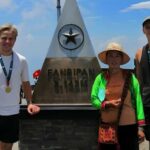
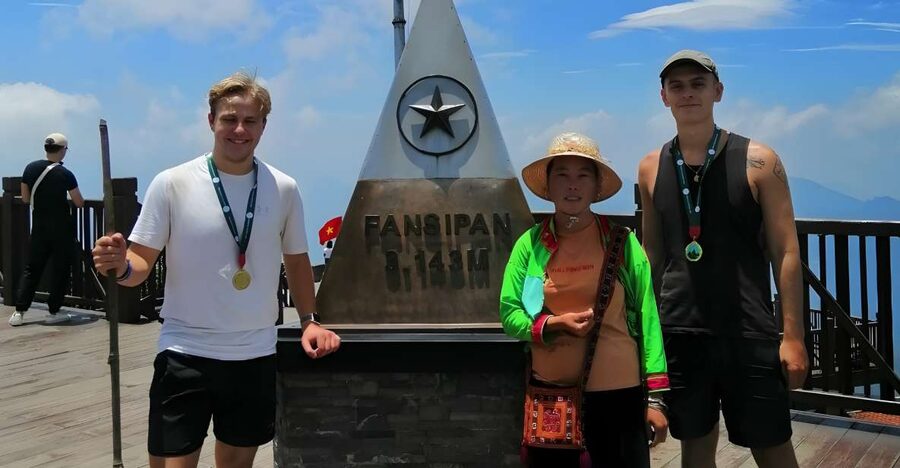
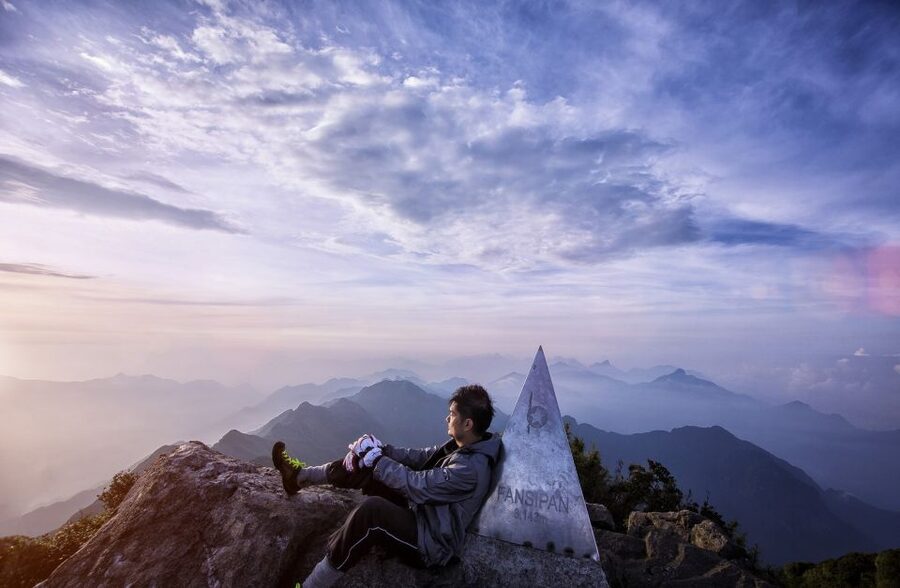
The trek reaches the summit at about noon. This is the moment people remember: the switch from climb mode to celebration mode. There’s a thrill to pushing your limits and then getting your reward right away instead of waiting for an overnight stay.
At the top, you get a 40-minute lunch break plus time for photos and soaking up the views. This isn’t just “eat quickly and go.” It’s time to look around, feel the air, and let the achievement sink in for a minute.
The route for descent follows the same general path back. That matters because it reduces uncertainty—no mystery turns or sudden route changes you didn’t plan for. But it also means the summit is only halfway emotionally. The legs still have to come down.
If it’s rainy or foggy, the summit can feel like a harder win than a postcard moment. One review mentioned heavy rain at the start with poor conditions, yet the experience still landed as one of the most rewarding of a trip. In other words: even when the view is reduced, reaching the peak is still the point.
The Descent Back to Sapa: Same Trail, Different Kind of Work
After lunch, you begin the descent from the summit and return to the mountain’s base. Then you’re picked up around 4:30 pm and transported back to Sapa.
Descent is where people get tripped up. Ascending feels hard because you’re working against gravity. Descending feels hard because your knees, ankles, and balance take the hit. Slippery rocks in wet weather can make even simple steps feel dramatic.
This is why I keep coming back to shoes. The good advice from the reviews is straightforward: get boots or hiking shoes with good grip. If you don’t have them, your feet will turn the trek into a negotiation.
Also, remember the day starts early and keeps you outside most of the time. As you come down, you might be tempted to rush. Don’t. Slow foot placements save you from a stumble that ruins the whole day.
Guides, English Support, and Why Small Groups Matter
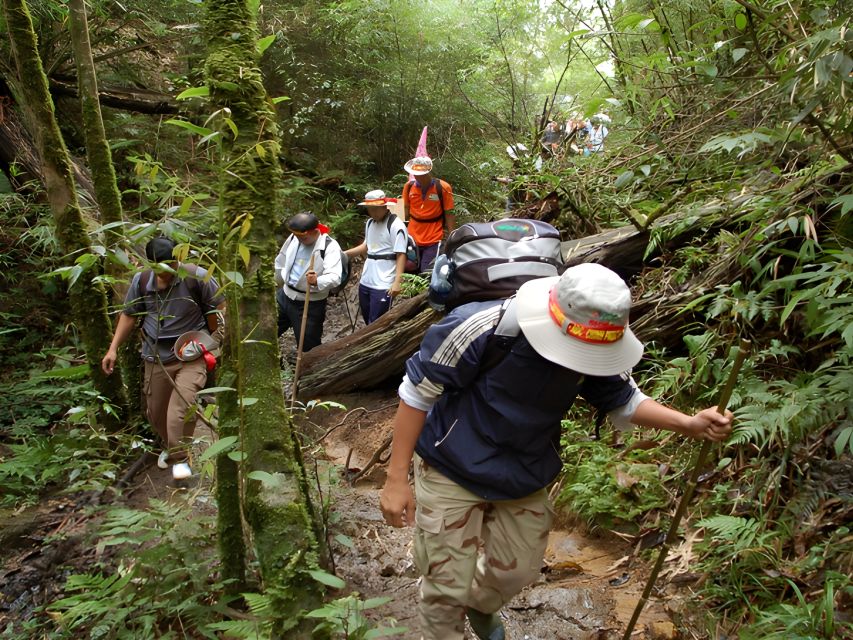
This trek includes a local guide who speaks English (and also Vietnamese). You’ll feel the difference most in two moments: when the pace needs adjusting, and when conditions turn rough.
One review praised the guide’s English as very good. Another highlighted how knowledgeable and helpful the guide was, especially with a tough, rainy start. That aligns with what you want on a steep trail: clear direction, good timing, and the ability to keep the group moving safely.
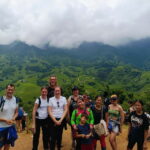
The group size is capped at 10 participants. Smaller groups don’t just feel friendlier. They’re also easier for guides to manage, especially on narrow trail sections. If you’re someone who asks questions, you’ll have a better chance of getting them answered without a guide shouting across the whole line.
The provider for this experience is Chestnut Travel, which you can use as a quick reference when you confirm details with them.
Price and Value: What $104 Covers and What It Doesn’t
At $104 per person, you’re not just paying for “a walk up a mountain.” You’re paying for transportation, guiding, entry tickets, and the logistics that keep the day from becoming chaos.
Here’s what’s included:
- Car pick-up both ways
- Local English-speaking guide
- Tickets to visit the tourist area
- 1-liter water bottle per person
- Skip the ticket line
What’s not included:
- Drinks beyond the water you get
- Personal expense
- Any trekking equipment
- Optional alternate descent route
- Cable car ticket: 737,000 VND
So the value question becomes: do you want a guided, structured day with entry handled and transport lined up? If yes, this price starts to make sense fast. If you’re self-sufficient and already have trekking kit, you might feel like you’re paying for convenience. But on a high-stakes summit trek, convenience is also safety.
Also think about the hidden costs you’ll likely have: proper hiking shoes, sunscreen, and a hat. Those aren’t included.
Weather Reality: Prepare for All Seasons
Sapa can change fast. Even if you’re coming in the “right season,” you can still get mist, drizzle, or heavier rain. One review specifically described a rainy start with poor conditions. That’s a reminder that Fansipan is a mountain, not a theme park.
So pack for wet and cold possibilities. In the rain, visibility can drop and the trail becomes more slippery. That pushes the trek from “fitness test” toward “balance test.”
The practical checklist from what you’re told to bring is solid:
- Sunscreen
- Hiking shoes
- Hat
Add layers if you know you’ll get cold on windy ridges. And if you run hot, plan for that too. Being sweaty and then freezing when the rain starts is miserable.
Who Should Book This Trek, and Who Should Skip It
This trek requires good physical fitness and stamina. Long hours of hiking and steep ascents are part of the deal, and you should assess honestly before booking.
It’s also not for everyone:
- Not suitable for children under 15
- Not suitable for people over 95
- Not suitable for people with heart problems
- Not suitable for pregnant women
That’s not the tour trying to be difficult. It’s you matching the activity to a safe capability level. If you’re unsure, ask your guide or your doctor first.
If you’re a fit traveler who likes day challenges, this is a strong match. If you’re more into gentle walks and slow afternoons, a one-day summit trek might feel like too much.
Before You Go: Safety, Insurance, and Trail Rules
Outdoor risks exist on any mountain trail. What matters is how the tour handles safety and how you follow instructions.
You’ll be told to:
- stay on designated paths
- follow the guide’s directions
- use caution on rugged terrain
Travel insurance is included during the duration of the trek, which is a relief. Still, you should consider whether your overall insurance covers high-altitude activities and trekking, since policies vary.
Finally, make sure you tell the operator about pre-existing medical conditions, allergies, or dietary restrictions. If the guide needs to adjust pacing or break plans, you want that info early.
Should You Book This 1-Day Fansipan Trek?
Book it if you want a single-day, guided summit experience with clear checkpoints: primary forest hiking, breakfast around 2,600m, summit lunch at noon, and a return to Sapa by mid/late afternoon. The small group limit, English guide support, and included transport/tickets are the kind of details that turn a hard day into a manageable one.
Skip or reconsider if:
- your fitness level isn’t ready for long, steep hiking
- you’re dealing with health constraints listed by the operator
- you’re sensitive to slippery conditions and you don’t have solid grip shoes
- you expect top-tier food quality (at least one review wasn’t impressed)
If you do book, go in with the right mindset: this is earned. Bring the gear, pace yourself, and treat the summit as a milestone, not a photo assignment. When the trail finally levels out at the top, you’ll feel it.