REVIEW · PISANG
Annapurna Circuit Trek With Tilicho Lake :Best Trek in Nepal
Book on GetYourGuide →Operated by Trek and Adventure Nepal Pvt. Ltd · Bookable on GetYourGuide
One of the world’s most scenic treks is right here. The Annapurna Circuit with Tilicho Lake throws you from forest trails into dry, high country, then back down through pilgrimage towns and deep valleys. You’ll love the mix of mountain icons you can spot in one week—Annapurna, Manaslu, Dhaulagiri, Fishtail, and the dramatic Thorong area.
I also like how the route builds in acclimatization time, especially around Manang, so you’re not just racing uphill at altitude. One consideration: you still face long, steep days and cold nights at elevation, so you need a moderate to high fitness level and you should be realistic about the Thorong La effort at 5,416m.
In This Review
- Key highlights worth planning for
- Why the Annapurna Circuit with Tilicho Lake feels different
- Price and logistics: what $604 covers, and what you must budget
- The real rhythm: 12 days from Thamel to Pokhara
- Day-by-day: what each leg gives you (and where it can slow you down)
- Day 1: Besisahar → Dharapani area transfer, plus a warm-up walk
- Day 2: Chame
- Day 3: Pisang
- Day 4: Manang Valley (the big acclimatization hub)
- Day 5: Rest day in Manang + explore Gangapurna Lake
- Days 6–7: Manang → Tilicho base camp → Tilicho Lake
- Day 8: Ledar
- Day 9: Thorong High Camp
- Day 10: Thorong La Pass → Muktinath
- Day 11: Tatopani hot springs transfer
- Day 12: Drive to Pokhara → back toward Thamel
- Thorong La and Tilicho Lake: the numbers and what they mean in real life
- The human side: guides, small groups, and feeling safe
- Tea houses and meals: where comfort is simple, and costs show up
- Culture and religion: Manang’s Tibetan influence and Muktinath’s holy energy
- What to bring for cold, sun, and high-altitude reality
- Weather, water, and staying connected without guesswork
- Who this trek suits best (and who should skip it)
- Should you book the Annapurna Circuit with Tilicho Lake?
- FAQ
- How long is the Annapurna Circuit Trek with Tilicho Lake?
- Where does the trek start and end?
- What is the group size?
- Is an English-speaking guide included?
- Are permits included for the trek?
- Is transportation included before and after the trek?
- What about meals during the trek?
- Do I need to bring my own trekking gear?
- Are altitude sickness and age limits considered?
Key highlights worth planning for
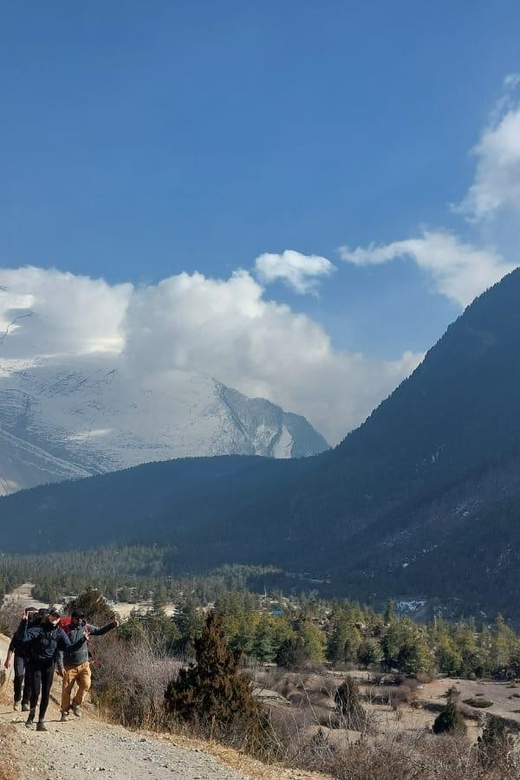
- Tilicho Lake at ~4,910m: the world’s highest lake stop on this trek route
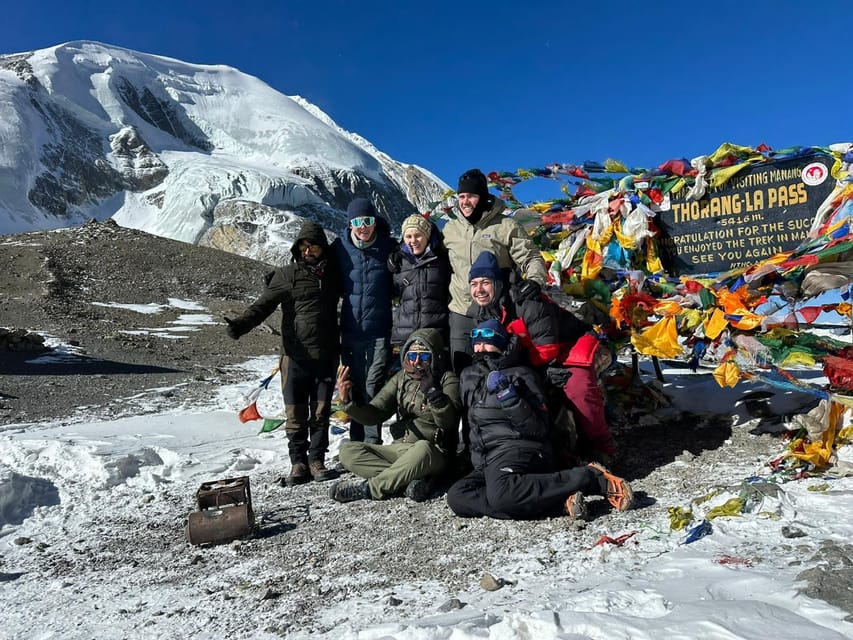
- Thorong La Pass at 5,416m: the big high point that anchors the whole journey
- Day-to-day scenery changes: subtropical forest feel early on, then arid high trails later
- Culture on the trail: Tibetan-influenced village life around Manang, then the religious energy of Muktinath
- Big-name peaks: Annapurna 1, Manaslu, Fishtail, Dhaulagiri, plus views of Thorong Peak
Why the Annapurna Circuit with Tilicho Lake feels different
The Annapurna Circuit is famous for a reason: you’re walking through Nepal’s height changes like they’re chapters in a book. This version adds a special detour—Tilicho Lake—which is not just another viewpoint. It’s a high-altitude destination (around 4,910m) that changes the whole feel of the trek from start to finish.
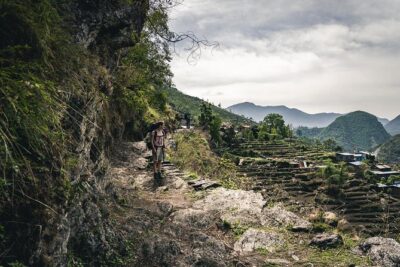
You’ll also be moving through real human places, not just scenic pull-offs. Early on you’re in the Marsyangdi River valley area, passing terraced fields and villages. Around Manang, the culture and lifestyle shift toward Tibetan influence. Later, you end at Muktinath, a holy site for both Hindus and Buddhists. That blend of nature + culture is the part that keeps people thinking about this trek long after the photos fade.
The other difference is pacing. This trek includes acclimatization time (including a Manang rest day), which matters when you’re heading toward Thorong La Pass (5,416m). You’re still working hard, but the plan is built to help your body adjust.
Price and logistics: what $604 covers, and what you must budget
At about $604 per person, the headline cost can look simple—until you compare what’s actually included. In this package, you get a lot of the expensive “moving parts” handled: transportation before and after the trek (Kathmandu to Besisahar and Muktinath to Pokhara), plus the jeep connection to Dharapani.
What’s included that adds real value:
- Permits and cards: TIMS card and ACAP permits
- A government license holder trekking guide (their food, salary, accommodation, and insurance are covered)
- Tea house accommodation during trekking days
- A first aid box
- Local taxes (tax/VAT)
What you should budget separately:
- Trekking gear (not included)
- Food and beverages during the trek (dinner and breakfast can be eaten in tea houses; lunch is typically at a cafe stop). Food costs are listed around $5–$7 per meal.
- Travel insurance for you (not included)
- Personal expenses
In practical terms: if you’re already equipped with decent trekking boots, layers, and a sleeping bag, you’ll spend less. If you need to buy or rent gear, that can change the final total more than people expect.
The real rhythm: 12 days from Thamel to Pokhara
This trek starts with a logistics chain that’s pretty common in Nepal, but it’s worth knowing how it feels. You’re picked up in Thamel, then you transfer to Besisahar by bus, followed by a jeep ride that helps you reach the trail zone around Dharapani.
A key point: you’ll spend real energy even before the long hikes begin. The first day includes travel plus a short hike around Besisahar, so don’t treat it like a complete rest day.
As the trek progresses, you’ll settle into a rhythm:
- Walk during daylight
- Reach a village or high camp
- Sleep in a tea house or lodge
- Eat simple meals and adjust to altitude
By the end, you finish in the Kali Gandaki valley area and reach Jomsom, with the option to fly onward to Pokhara or continue trekking. In the schedule here, you drive back to Tatopani and then go on to Pokhara, before returning by bus toward Thamel.
Day-by-day: what each leg gives you (and where it can slow you down)
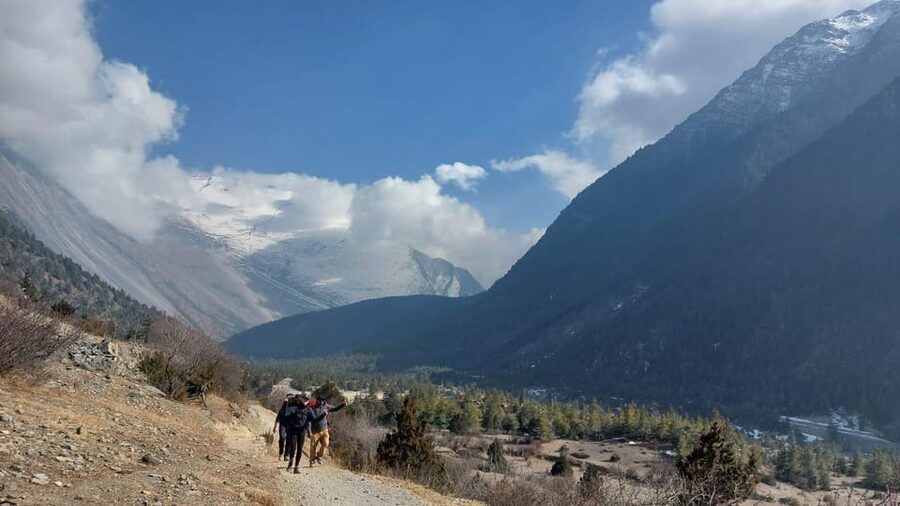
Below is how each major stop tends to matter for your body and your brain—not just where you sleep.
Day 1: Besisahar → Dharapani area transfer, plus a warm-up walk
You start in Besisahar after the Kathmandu travel. The short sightseeing and walking helps you stretch out and get your bearings. This is a good day to keep expectations modest and focus on hydration.
Day 2: Chame
Chame is a common mid-circuit waypoint, and it works because it keeps you moving while you build altitude gradually. You’ll get strong mountain scenery early, but the hiking can still feel long if you went too hard on day 1.
Day 3: Pisang
Pisang continues the upward grind through villages and trail segments that often feel more open and exposed than the early forest-y parts. It’s a day where you’ll want steady effort rather than sprinting for views.
Day 4: Manang Valley (the big acclimatization hub)
Manang is one of the most important stops on this route. It’s not just scenery; it’s a cultural shift point. You’ll have a better chance to recover your breathing, slow your pace, and enjoy the local way of life.
Day 5: Rest day in Manang + explore Gangapurna Lake
This rest day is doing real work for you. You’ll still walk and explore, but the point is to let your body adapt before the high detour toward Tilicho Lake.
If you feel great, it’s tempting to keep pushing. Resist that urge. On acclimatization days, consistency usually beats ego.
Days 6–7: Manang → Tilicho base camp → Tilicho Lake
This is the trek’s signature “side quest,” and it’s why this itinerary earns its popularity. You’ll hike to Tilicho base camp, then move on to explore Tilicho Lake itself and return to your base area for the night.
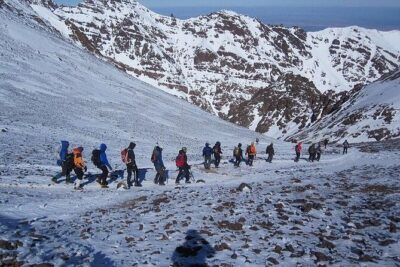
Expect rugged terrain and often snow-covered paths at these heights. Your reward is the turquoise lake sitting high against massive peaks. It’s cold, it’s serious, and it’s worth dressing properly. Even if the hiking is tough, the lake day can feel like a giant payoff because it’s a specific destination, not just a pass photo.
Day 8: Ledar
Ledar is another step in the “build toward the pass” sequence. This is where fatigue starts to become noticeable, especially if you slept poorly at altitude. Keep your pace controlled. You want your legs working for the next days, not just the next hour.
Day 9: Thorong High Camp
This is where the trek turns from hard hiking into high-altitude endurance. High camp is colder, and your breathing will ask for patience. The goal is to rest well, eat enough, and keep yourself calm.
If you’ve never been at high altitude before, treat this day like the day before a big flight—slow, focused, no surprises.
Day 10: Thorong La Pass → Muktinath
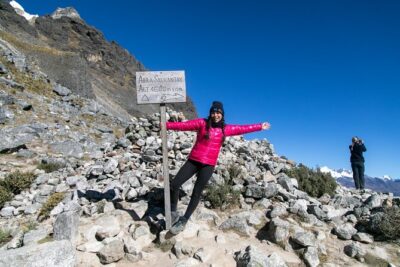
Crossing Thorong La Pass at 5,416m is the defining moment. Afterward, you’ll descend toward Muktinath, a pilgrimage site with deep religious significance for both Hindus and Buddhists.
This day can feel like two different treks: a demanding climb over the pass, then a long descent where your knees will do the complaining. Take short steps, keep an eye on footing, and don’t race the downhill just because you’ve reached the summit moment.
Day 11: Tatopani hot springs transfer
You drive to Tatopani, famous for hot springs. It’s one of the best “recovery bonuses” in the region, especially after the Thorong La effort. If the weather is cold, this can feel like a small miracle for tired legs.
Day 12: Drive to Pokhara → back toward Thamel
The final day is about transition. Pokhara feels like a different world—lower elevation, softer pace, and proper rest. It’s also when you realize how much time you spent thinking about altitude and distance on the trail.
Thorong La and Tilicho Lake: the numbers and what they mean in real life
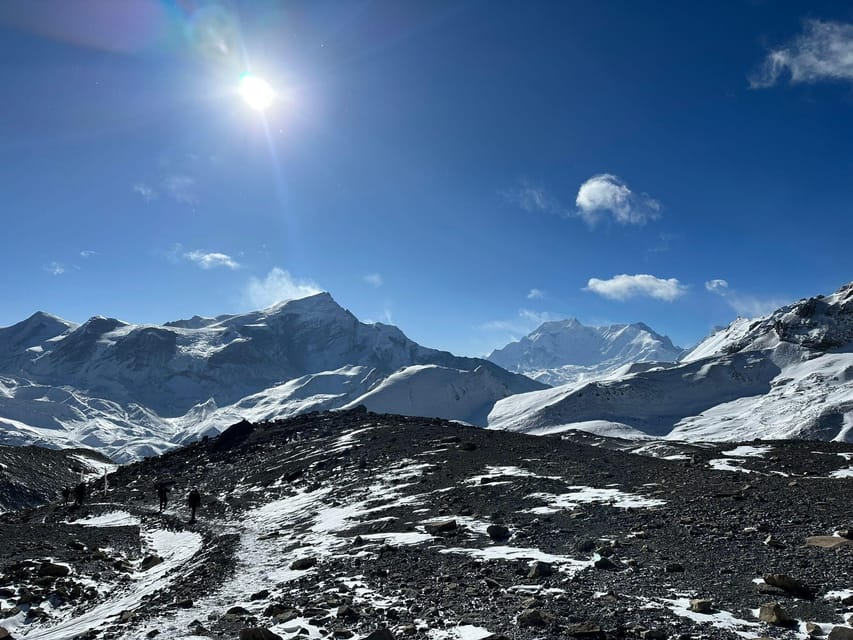
Altitude on this trek is not theoretical.
- Tilicho Lake (~4,910m): a high target that can bring snow or cold conditions, even when lower villages feel calm.
- Thorong La Pass (5,416m): the highest major point on the route, where your breathing rate and energy planning matter more than speed.
At those elevations, the biggest risk is not drama. It’s going too fast, too soon. That’s why acclimatization days are built into the route, and why you’ll have a rest day in Manang before the higher detour to Tilicho.
If you’re prone to altitude sickness, take that seriously. This trek is noted as not suitable for people with altitude sickness.
The human side: guides, small groups, and feeling safe
This is run as a small group, limited to 6 participants. That matters because you’re not packed into a giant line where slower hikers disappear into the chaos.
You also travel with an English-speaking, government-licensed trekking guide. Past groups connected with guides such as Ganesh Devkota, Kumar, Jeewan, and Prakash—with specific praise for safety checks, clear information, and adjusting pace based on how you feel.
That last part is quietly important. If you’re dealing with breathlessness or fatigue, a good guide can help you keep the effort at a sustainable level. It’s the difference between finishing strong and suffering just to stay with the group.
Tea houses and meals: where comfort is simple, and costs show up
Tea house lodging is part of the included package during trekking. That means you’re not carrying a full camp setup for every night, but you should still expect basic rooms and shared spaces.
Food is partly included through tea house dinner and breakfast. Lunch is handled via cafe stops, with meal costs around $5–$7.
A practical way to think about it: your biggest daily costs will come from lunches, snacks, and any drinks beyond what’s included in your tea house meals. Budget extra if you like hot drinks, soups, or more frequent snacks.
Culture and religion: Manang’s Tibetan influence and Muktinath’s holy energy
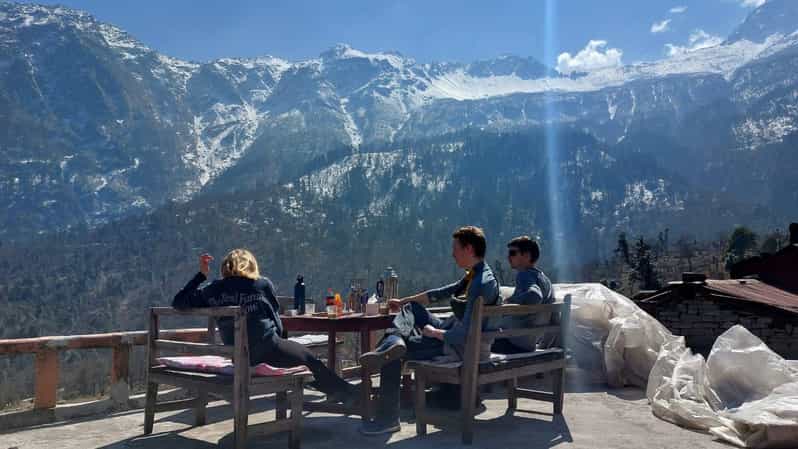
One of the most rewarding parts of this trek is how culture changes with elevation. Around Manang, you’re in a Tibetan-influenced setting—different from the lower valleys. You’ll notice it in daily life, local rhythm, and how people treat the mountains as part of their identity.
Then you reach Muktinath, where the pilgrimage element becomes the center of the day. It’s a meaningful stop for Hindus and Buddhists, and it gives the trek a spiritual landing after the physical peak challenge of Thorong La.
Even if you’re not a culture-focused traveler, these stops add breathing room for your mind. They turn the trek from a body-only challenge into a full travel experience.
What to bring for cold, sun, and high-altitude reality
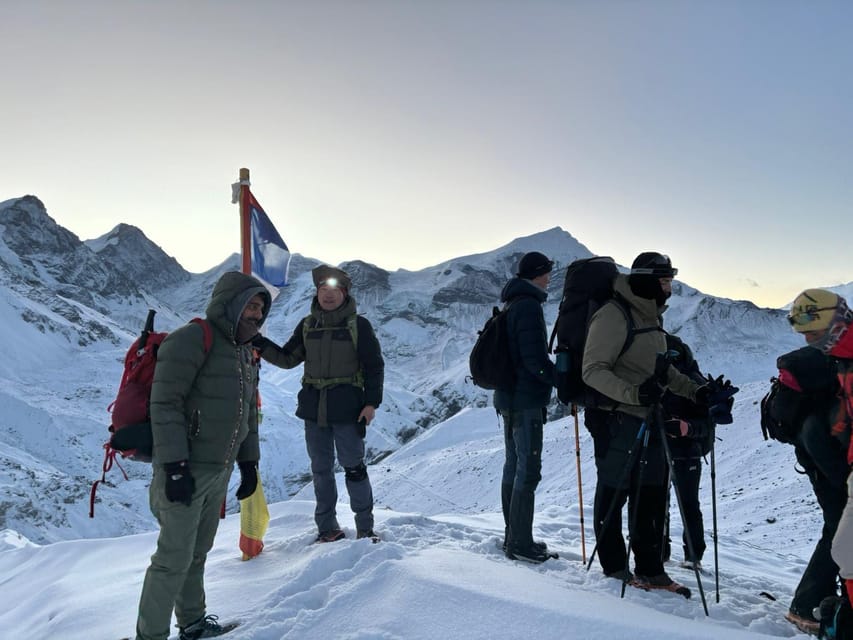
The packing list here is solid. Make sure you actually have these items, because high country punishes mistakes.
Must-haves from the provided guidance:
- Warm clothing, jacket, gloves
- Sunglasses and sun hat (sun can be intense at altitude)
- Hiking shoes (and keep them broken in)
- Sunscreen
- A sleeping bag
- Reusable water bottle
- Toiletries
- Waterproof bag and waterproof shoes
- Hiking pants
- Waterproof layers for changing weather
Also: be ready for rapid weather shifts. The mountains here can change quickly, so bring layers you can adjust all day.
Weather, water, and staying connected without guesswork
Weather can change rapidly, so don’t rely on one forecast. Build your day around flexibility: start early enough to avoid rushing later, then adjust clothing as conditions shift.
Water and cash:
- Carry enough Nepalese rupees for remote sections. Cash is preferred along the trek.
- A local SIM card with data can be bought in Kathmandu, which helps for communication before and after the trek.
Who this trek suits best (and who should skip it)
This experience is described as requiring a moderate to high fitness level. That’s the honest baseline.
It’s generally a strong fit if you:
- Want big mountain scenery plus culture
- Can handle cold nights and long days
- Like structured acclimatization, not random self-made decisions
- Enjoy tea house hiking rather than remote camping logistics
It’s not suitable for:
- Wheelchair users
- People with altitude sickness
- Babies under 1 year
- People over 70 years
Should you book the Annapurna Circuit with Tilicho Lake?
If you want a classic Nepal trek with extra punch, I’d book this. The combination of Tilicho Lake (high, specific, memorable) plus Thorong La Pass (the main challenge) is a strong reason to choose this route over simpler circuits. Add the cultural stops—especially Manang and Muktinath—and you get more than just views.
I’d hesitate if you’re not comfortable with altitude and cold conditions, or if you need a low-strain itinerary. The mountains are the headline here, and your body needs to be ready for it.
If you do book, do one thing that helps immediately: train your legs a bit and keep your pacing conservative around Manang and the high camp days. That’s where most success comes from—quiet effort, not heroics.
FAQ
How long is the Annapurna Circuit Trek with Tilicho Lake?
The trek is listed as 12 days.
Where does the trek start and end?
Pickup is from Thamel in Kathmandu. The trek ends after reaching the region near Pokhara and then driving back by bus to Thamel.
What is the group size?
It’s a small group, limited to 6 participants.
Is an English-speaking guide included?
Yes. The package includes an English live tour guide who is a government license holder.
Are permits included for the trek?
Yes. TIMS card and ACAP permits are included.
Is transportation included before and after the trek?
Yes. Transportation is included before the trek (Kathmandu to Besisahar) and after the trek (Muktinath to Pokhara).
What about meals during the trek?
Dinner and breakfast can be taken at the tea houses. Lunch is typically bought at cafe stops, with meal costs around $5–$7.
Do I need to bring my own trekking gear?
Yes. Trekking gears are not included. The provided packing list includes items like hiking shoes, a sleeping bag, and warm layers.
Are altitude sickness and age limits considered?
The trek is listed as not suitable for people with altitude sickness, and it also notes people over 70 years should not take part.