REVIEW · MARRAKECH
2 Days Trek to Atlas Mountains berber villages
Book on Viator →Operated by Atlas Imlil Trek · Bookable on Viator
Two days in the High Atlas feels like time travel. You’ll leave Marrakech for the High Atlas and hike between Berber villages near Imlil, with help from an expert team and local guides who know the routes and the culture.
I love the tea-and-map welcome before you start walking, plus how the plan mixes real village stops with mountain effort. You also get meals cooked for the trek, so you’re not constantly hunting for food after each climb.
The main consideration is the hiking itself: you’ll be out for long stretches (around 6 hours each day), and the tour needs good weather to run smoothly.
In This Review
- Key highlights to know before you go
- The High Atlas in two days: why Imlil works
- Leaving Marrakech: pickup, Jemaa el-Fna, and the drive through gorges
- Day 1 route: villages first, then the Azzaden River and overnight
- Welcome tea and getting your bearings
- Ait Lahcien to Tizi n’Tacht (around 2020m)
- Lunch in nature, then a second village walk
- The day 1 pacing reality check
- Day 1 overnight in Tizi(ian) village: what you’re really signing up for
- Day 2: Imlil valley descent, a 2400m lunch point, and the “highest peak” starting zone
- Lunch at the high point: when views become the main event
- Downhill to Imlil valley and back to Marrakech
- Marrakech connection: why starting and ending at Jemaa el-Fna matters
- Food on trek days: dinners, breakfasts, and cook-made lunches
- Guides and safety: what the best past experiences emphasize
- Price and value: is $104.53 worth it for two days?
- Who should book this trek, and who might want a different option
- Practical tips to make the two days feel easier
- Should you book Atlas Imlil Trek’s 2-day Berber villages trek?
- FAQ
- Where is the meeting point for the trek?
- When does the tour end?
- How long is the trek?
- What is the price per person?
- What meals are included?
- Are drinks included?
- What is the maximum group size?
- What happens on day 1?
- What happens on day 2?
- What if weather is bad?
- Is free cancellation available?
Key highlights to know before you go
- Moulay Brahim Gorges drive-by: the area tied to the Mission: Impossible filming location is on the route out of Marrakech
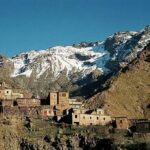
- Imlil base and village-to-village hikes: you’re not just walking in open terrain, you’re moving through Berber community paths
- Teas, lunches, and a real overnight: the schedule is built around food and recovery, not just summit-chasing
- Azzaden River crossing: day 1 includes a memorable traverse toward the overnight village area
- Local guides in the reviews: names like Houssain/Houssaine, Hamid, Mustapha, and Brahim show up in past experiences, with strong emphasis on safe pacing
- Small group size: capped at 15, which helps the whole rhythm feel calm and organized
The High Atlas in two days: why Imlil works
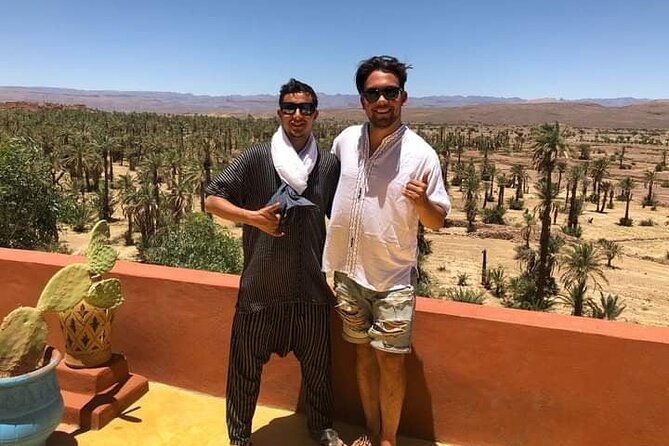
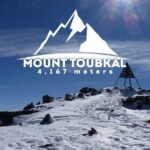
If you only have a short window out of Marrakech, Imlil is a smart place to start. It’s a known trekking hub and the jumping-off point for big High Atlas routes, including walks connected to North Africa’s highest peak, Mount Toubkal. On this 2-day plan, you’re getting the mountains, but you’re also getting the human scale of Berber villages.
What makes this itinerary especially appealing is that it doesn’t treat the hike like a checklist. The route is broken up with tea, time to meet your team, lunch set in nature, and an overnight in a village area. That matters because the High Atlas can feel demanding even on “just two days.” You’re likely to finish each day tired in a good way, not wrecked and confused.
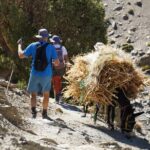
The hiking is also paced for comfort. In past experiences, guides are repeatedly described as taking people at their own speed and keeping it safe. That’s a big deal when you’re walking on uneven paths, switching between uphill and downhill sections, and sharing the trail with donkeys and local foot traffic.
You can also read our reviews of more tours and experiences in Marrakech.

Leaving Marrakech: pickup, Jemaa el-Fna, and the drive through gorges
Your tour starts at Jemaa el-Fna, the square that anchors Marrakech. The good news for logistics is that the meeting point is easy to recognize and the tour notes that you’re near public transportation.
From there, you’ll head toward the mountains by car. The drive includes stops/route through Moulay Brahim Gorges, where Mission: Impossible was filmed. Even if you’re not hunting movie trivia, it’s a striking introduction to the rugged terrain you’ll be walking through tomorrow.
The drive sets expectations: you’ll feel the temperature and the altitude shift. You’ll also understand what kind of day you’re in for. By the time you reach the hiking start area, your guide has room to slow things down, explain the map, and get everyone ready.
Day 1 route: villages first, then the Azzaden River and overnight
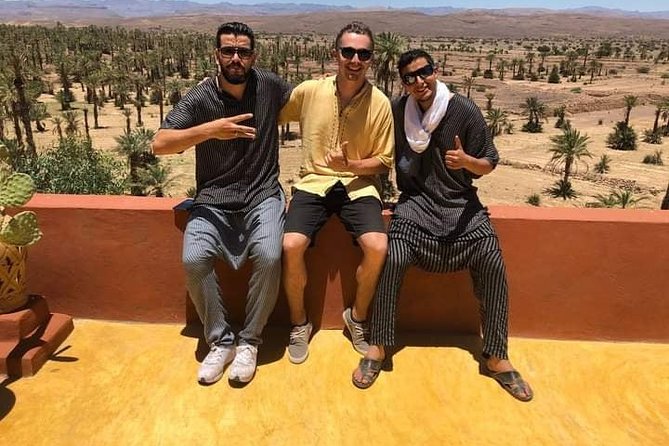
Day 1 is where the tour earns its “Berber villages” label. You don’t just start climbing immediately. You ease into it, meet your team with tea, then begin walking through named village areas.
Welcome tea and getting your bearings
Before the first uphill section, you meet your team and have a cup of tea. Your guide also shows you a map, which helps the route stop feeling abstract. You’ll know where you’re headed and how the walking connects to the villages.
Ait Lahcien to Tizi n’Tacht (around 2020m)
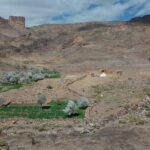
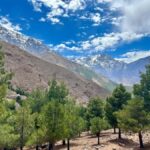
After the welcome, the hike begins through Ait Lahcien village. Then you climb toward Tizi n’Tacht (about 2020 meters). This is the first big vertical push of the trip, and it’s also the point where you start seeing how the High Atlas is layered: terraces, stonework, and small pockets of green around the slopes.
One smart thing here is that the itinerary doesn’t rush you to a distant lunch point. It reaches a natural stop where you can reset.
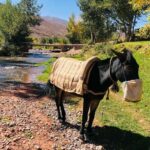
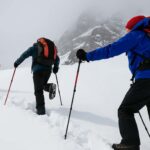
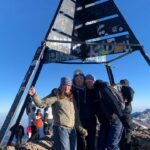

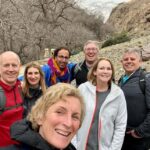
Lunch in nature, then a second village walk
Lunch is served from a cook prepared meal in a nature setting, with a short nap afterward if you want one. Then you start walking again for about another 2 hours via Tahliouin Red village. The itinerary continues toward the Azzaden River, crossing to reach Tizian village for the overnight.
This part of day 1 is the value sweet spot. You get uphill effort, then you get the reward of moving through real village terrain, where you’re not only staring at mountains but also passing homes, fields, and community paths.
The day 1 pacing reality check
Even with scheduled breaks, you’re looking at about 6 hours on the move. If you’re not used to mountain trails, downhill can feel tougher than the uphill because of foot placement. Good hiking shoes help a lot, and taking your time helps even more. The route description implies a steady rhythm rather than a sprint.
Day 1 overnight in Tizi(ian) village: what you’re really signing up for
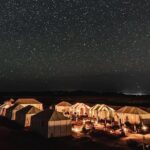
The overnight is set in the area of Tizian village. The tour doesn’t describe hotel-style comfort in the information you provided, so I’d plan mentally for village lodging as part of the experience. That usually means simple, functional basics rather than luxury.
What you do get, though, is context. Overnight in this region is part of why people like Imlil treks in the first place: you’re sleeping close to the community and waking up with the mountains right there. Past experiences also stress that guides and cooks are attentive, and the food is home style for the trek days.
Also, dinner is included on day 1. That matters because you won’t have to figure out food logistics after a long walk. After a day of climbing and river crossing, it’s a relief to have the next meal already handled.
Day 2: Imlil valley descent, a 2400m lunch point, and the “highest peak” starting zone
Day 2 starts from the Azzaden valley, then continues via Tizzi Mzik, with lunch at about 2400m. After that, you walk downhill into the Imlil valley.
Lunch at the high point: when views become the main event
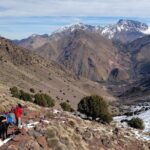
Lunch near 2400m is where your perspective flips. Day 1 is about village-to-village walking and getting your legs working. Day 2 turns more scenic: the air is crisp, the valley lines open up, and the mountains feel closer.
In the reviews, guides are frequently credited for storytelling and for making people feel at ease. That fits this kind of day: when you’re at height and the scenery is doing most of the talking, a good guide helps it connect to what you’re seeing.
Downhill to Imlil valley and back to Marrakech
After lunch, the itinerary is a walk down hill to the Imlil valley. This is also described as the starting point to the highest peak in North Africa. Even if your trek isn’t framed as a summit push here, being in the Imlil zone gives you the right context. You can feel why climbers and hikers use this valley as their launchpad.
Once you reach the valley end, you’ll get a transfer back to Marrakech, returning to your start/meeting point location. For many people, that makes the trek feel complete: you end the trip the same place you started, with no extra navigation required.
Marrakech connection: why starting and ending at Jemaa el-Fna matters
The tour begins and ends back at Jemaa el-Fna. That sounds simple, but it’s practical. Marrakech can be confusing when you’re tired, carrying trekking gear, or trying to coordinate taxis. By anchoring pickup and drop-off at the main square, the tour keeps your last day stress low.
You’ll also likely have some built-in time to orient yourself around Marrakech, since the tour references exploring Marrakech and discovering why it’s famous. The details you provided don’t spell out a full guided city program day-by-day, so treat that as more of an orientation element than a long museum-style schedule. Still, it’s helpful to start with a guide who can point out what’s worth your attention when you’re back in the city.
Food on trek days: dinners, breakfasts, and cook-made lunches
Meals are one of the strongest practical benefits here. The included list calls out dinner, breakfast, and lunch (2), meaning two lunches over the two days plus your other meals. Drinks aren’t included, and shopping isn’t included either.
The itinerary also highlights that lunch is prepared by your cook, which matters in mountain trekking. You want something filling and predictable, not a vague plan like grab food if you can. After a hike, a warm meal is often the difference between feeling okay for tomorrow and feeling stiff and cranky.
One small but important perk from reviews is that guides and cooks are portrayed as attentive. That tends to show up in practical ways, like making sure you’re supported during the walking day and not left waiting for the group to regroup.
Guides and safety: what the best past experiences emphasize
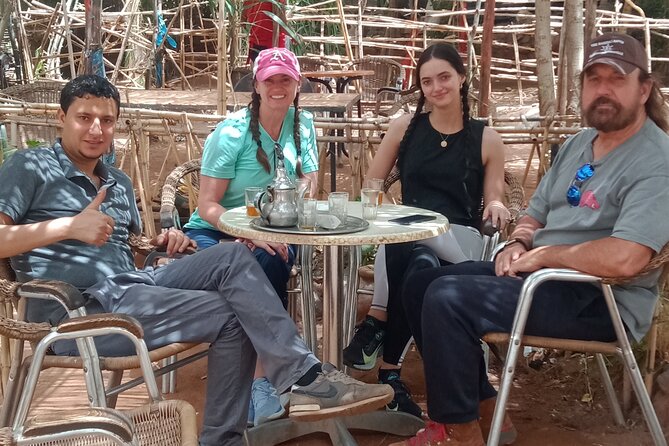
The biggest praised factor in the available feedback is care. Guides like Houssain/Houssaine, Hamid, Mustapha, and Brahim appear in different accounts, and the common theme is that you’re taken care of from start to finish.
What stands out most for your day-to-day comfort:
- Safe pacing: people are described as walking at a comfortable speed rather than being rushed
- Encouragement at your pace: guides help you keep moving without forcing a one-size-fits-all tempo
- Local knowledge and story-sharing: guides from the Imlil area are noted for explaining village life and what you’re passing
- Multilingual support: some guides are described as speaking good English and French
You should still be realistic: you’re hiking in the mountains. Safety also means you do your part—communicate if something feels off, take breaks when you need them, and follow your guide’s instructions.
Price and value: is $104.53 worth it for two days?
At $104.53 per person for a roughly 2-day trek, the value comes from what’s included and what’s protected.
Included value:
- Meals: dinner, breakfast, and two lunches
- Transport: pickup from Marrakech area and return transfer
- Guiding: an expert team plus local guides for the walking route
- An overnight in the village-area segment of day 1
Not included value:
- Tips
- Travel insurance
- Drinks and shopping
So is it a good deal? It’s generally strong if you want a guided, structured trek without handling the logistics yourself. Two-day guided treks are often expensive once you factor in meals and transport. Here, those core costs are handled.
One more value point: group size is limited to 15, which usually means you get more manageable coordination and fewer people crowding the narrow trail sections.
Who should book this trek, and who might want a different option
This trek fits best if you:
- Want mountain hiking plus village life in a short time window
- Prefer a plan with meals and a schedule instead of wandering in uncertainty
- Are okay with long walk days and changing elevations
- Like having a guide who explains what you’re seeing
You might hesitate if you:
- Struggle with long hikes, uneven ground, or steep ups and downs
- Only want light walking and lots of lounging
- Are traveling during a period where weather is unpredictable (the tour requires good weather)
The tour says most people can participate, and it also notes a max group size. That suggests it’s built for a wide range, but “most people” still assumes you can handle several hours of hiking on a mountain trail.
Practical tips to make the two days feel easier
Here are the practical things I’d do before you go, based on what the route demands.
- Wear hiking shoes with grip. Day 1 and day 2 include both uphill and downhill sections, and the downhill is where feet get tired first.
- Bring layers. High Atlas mornings and evenings can feel cooler than Marrakech.
- Plan for early starts and long effort. Even with breaks and lunches, each day is structured around hours of walking.
- Pack a small day bag for water and your essentials. Drinks are not included, so you’ll want your own plan.
Also, because the tour mentions good weather requirements, keep an eye on conditions as your date nears. If weather affects the trek, you may be offered a different date or a full refund.
Should you book Atlas Imlil Trek’s 2-day Berber villages trek?
If you want a short, well-supported route that mixes High Atlas hiking with real Berber villages, this is a solid choice. The price looks fair for a two-day guided trek with meals and transport handled. The highlights that matter most are the village pacing, the tea-and-map start, the overnight in the Tizian village area, and the practical return to Marrakech the same day as your trek ends.
I’d book it if you’re the type who likes learning as you walk, not just ticking off viewpoints. I’d also book it if you value a guide who keeps the hike comfortable and safe, something past experiences repeatedly emphasize.
If you want a guaranteed summit experience or lighter walking only, you might look at a different format. This plan is more about the mountain-and-village rhythm than a pure top-of-the-peak goal.
FAQ
Where is the meeting point for the trek?
The tour starts at Jemaa el-Fna, Jamaâ El-Fna, Marrakech 40000, Morocco.
When does the tour end?
It ends back at the meeting point (Jemaa el-Fna).
How long is the trek?
The duration is about 2 days.
What is the price per person?
The price listed is $104.53 per person.
What meals are included?
Dinner and breakfast are included, and there are two lunch meals included during the trek.
Are drinks included?
No. Drinks are not included.
What is the maximum group size?
The tour has a maximum of 15 travelers.
What happens on day 1?
You depart from Marrakech, drive toward the mountains, have a tea welcome and map with your team, then hike through Ait Lahcien village toward Tizi n’Tacht (about 2020m), stop for lunch in nature, walk again via Tahliouin Red village, cross the Azzaden River, and overnight in Tizian village.
What happens on day 2?
You go from the Azzaden valley to Imlil by hiking via Tizzi Mzik, eat lunch at about 2400m, then walk downhill to the Imlil valley and get transfer back to Marrakech.
What if weather is bad?
The tour requires good weather. If it’s canceled due to poor weather, you’ll be offered a different date or a full refund.
Is free cancellation available?
Yes. You can cancel for free up to 24 hours in advance for a full refund. Canceling less than 24 hours before the start time is not refundable.