REVIEW · SAPA
A day Trek to Rice Field in LaoChai-Tavan village-MuongHoa valley
Book on Viator →Operated by Sapa Original Trek · Bookable on Viator
Rice terraces, quiet villages, and real local talk. In Sapa, this Muong Hoa Valley trek links Y Linh Ho, Lao Chai, and Ta Van with English-speaking local guides, plus time to visit a Hmong house and see daily life up close. The only catch is the walking: you’re looking at about 11–12 km with a 200–300 m climb, so pack for rain and pace yourself.
I also like that it’s built for easy-to-medium hikers: a 9:00 am start, a steady route through flower-valley views, then transport back to Sapa after lunch. If wet weather hits, your feet will feel it fast, so plan for proper footwear (galoshes come up a lot for a reason).
And at about $34 per person, the math works for a full half-day: lunch, entrance fees, and even a half-liter of water are included. Just remember tipping and personal costs aren’t, so leave a little extra in your budget.
In This Review
- Key highlights you’ll feel on this hike
- Muong Hoa Valley: the big views, minus the stress
- The 9:00 am start and the Y Linh Ho to Lao Chai and Ta Van flow
- Village stop with a local house visit: what it adds (and what to do)
- Pace, elevation, and footwear: the stuff that decides your day
- Lunch, water, and an English guide who keeps it readable
- Price and value: why $34 can work here
- Who should do this trek (and who might want a different one)
- A few small tips that make the day better
- Should you book the Muong Hoa rice field trek with Sapa Original Trek?
- FAQ
- How long is the trek?
- What distance and difficulty should I expect?
- When does the tour start, and is pickup included?
- Is lunch and water included?
- Which villages are part of the route?
- Can they handle dietary needs like vegetarian or vegan?
- Is there free cancellation?
Key highlights you’ll feel on this hike
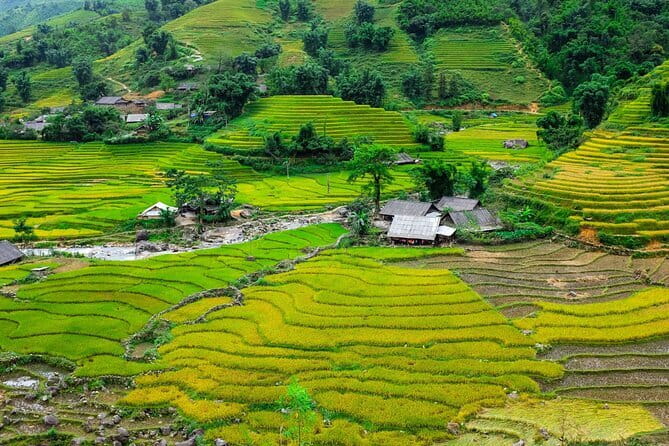
- Muong Hoa Valley panoramas with a real village-to-field rhythm from Y Linh Ho through Lao Chai and Ta Van
- English-speaking guides with years of experience, including guides like Sing, Ms. May, Mo Mo, Zing, and Mr. Sinh
- A house visit in the Hmong village area, where you’re not just watching—you’re meeting people
- Easy-to-medium challenge with around 11–12 km and 200–300 m elevation, plus car back to Sapa
- Rain-ready trekking advice, since wet trails are common enough that galoshes get recommended
- Food needs can be handled if you tell the team in advance (vegetarian, vegan, gluten-free, and more)
Muong Hoa Valley: the big views, minus the stress
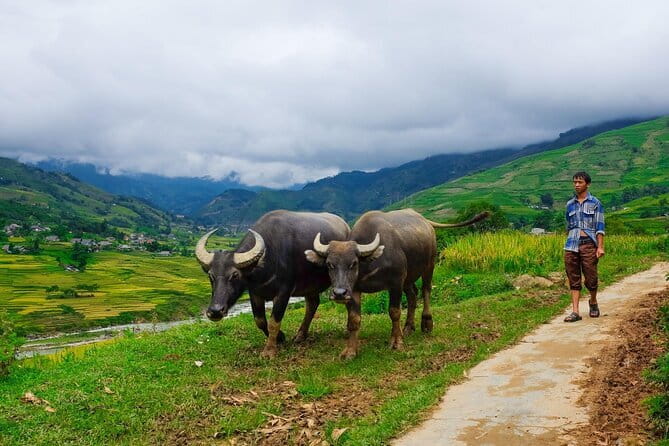
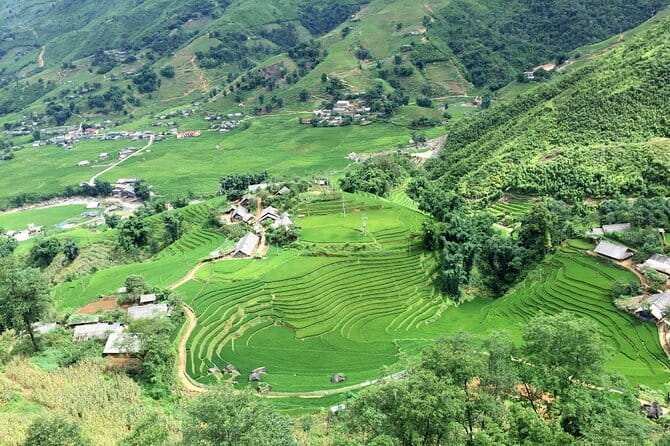
Sapa has lots of treks. This one stands out because it stays anchored to Muong Hoa Valley, one of the most scenic areas around town. You start the day by heading toward the rice-terrace world you came for, but the pacing is set up so you can actually enjoy it instead of sprinting for photos.
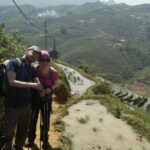
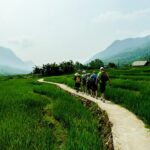
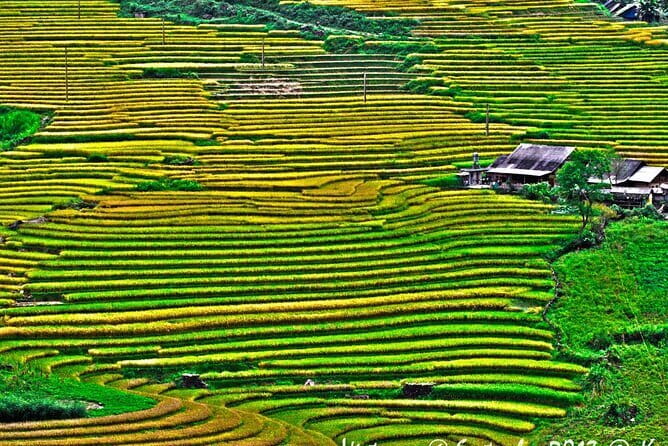
What you’re really walking toward is variety. You’ll move from village edges into valley viewpoints, then into sections where the terraces dominate the view. The walk follows mountain and valley sides, so the scenery changes more than you’d expect for a single-day route.
The best part is that the day isn’t just scenery. There’s time to visit a local house and meet villagers, which turns the trek from a walk through nature into a cultural pause. If you like your travel with at least a few real conversations, that village time matters.
The 9:00 am start and the Y Linh Ho to Lao Chai and Ta Van flow
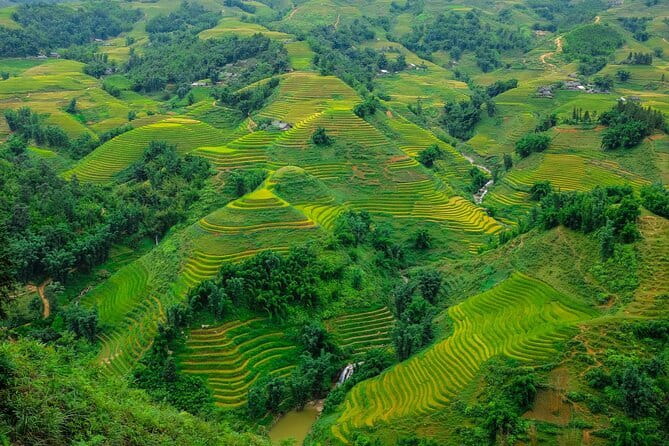
The day begins at 9:00 am, and you can get picked up from your hotel around Sapa town (or from the operator’s office). From there, the plan is simple: you set out into Muong Hoa Valley, walk through the rice-terrace areas, then finish the trekking day and go back by car.
The route is built around three main points in the valley:
- Y Linh Ho area, including a stop where you’ll spend time with the Hmong community and see terrace views in full swing
- Lao Chai village area, where the route continues through the farming and terrace scenery
- Ta Van village area, finishing the walking segment in the wider valley network before returning to Sapa
You should expect about 11–12 km of walking, with a total experience time of around 6 hours including lunch and transport. The effort lands in the easy-to-medium category, but don’t treat that word easy as a promise. You still climb roughly 200–300 m, which means you’ll feel it in your legs if you’re not used to hillside walking.
Village stop with a local house visit: what it adds (and what to do)
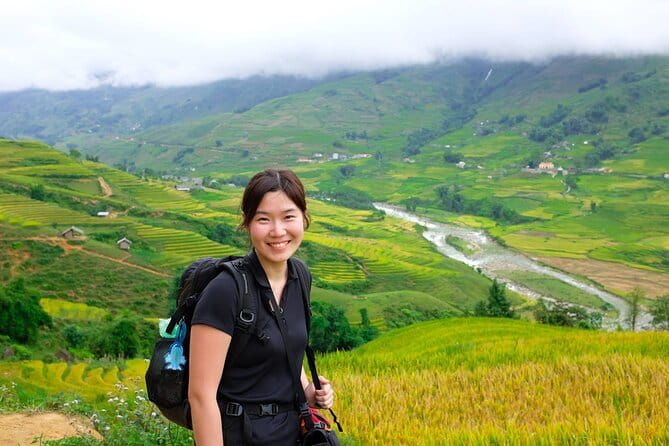
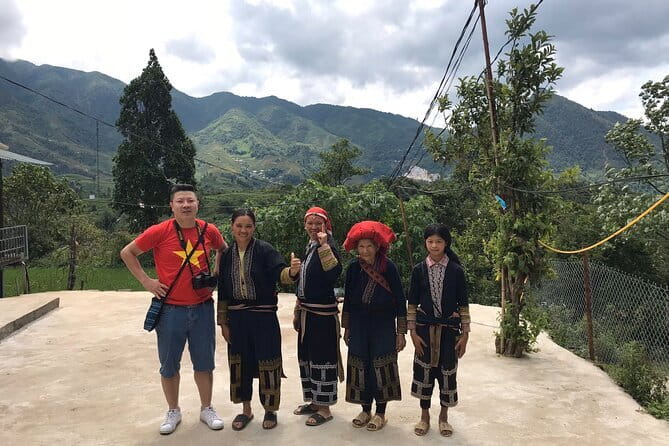
One of the most meaningful parts of this trek is the local house visit. You’re not only walking past homes. You get a chance to meet villagers and understand everyday life as part of the journey, not a separate activity stapled on at the end.
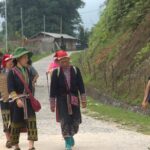
In the Y Linh Ho portion, the focus includes the Hmong village area, and that can be the most grounding part of the day. Rice terraces are impressive, but houses and daily routines are what make the place feel lived-in. You’ll likely get a chance to ask questions through your English-speaking guide and see how the community uses the land around them.
Practical advice: keep your questions simple and respectful. Also, bring a small patience buffer. Village visits take time, and the best moments are usually the unhurried ones—when the guide translates, you slow down, and you stop treating everything like a checklist.
Pace, elevation, and footwear: the stuff that decides your day

This trek runs about 6 hours total, with a mix of walking and a lunch break. The route is rated easy-to-medium, but the terrain is still active: terrace steps, uneven paths, and hillside gradients.
Elevation gain is listed around 200–300 m, and the distance is 11–12 km. If you’re the kind of person who likes steady walking and short breaks, you’ll likely find the pace manageable. If you prefer flat, treadmill-style effort, you might feel the hills more than you expect.
Now the big practical note: if the weather turns wet, footwear matters. One of the reviews calls out galoshes as necessary, and that lines up with what usually happens in Sapa after rain—mud and slick ground appear fast. So I’d plan for:
- footwear with solid grip
- rain protection (not just a light jacket)
- socks you don’t mind getting damp
And a small humorous truth: your calves will file a complaint by hour two if you go too fast at the start. Let the guide set the rhythm.
Lunch, water, and an English guide who keeps it readable
A lot of treks include a snack and call it lunch. Here, lunch is included, along with 0.5 liter of water per person. That’s useful because in this valley environment, stopping to hunt for food mid-walk can break the flow.
Your English-speaking local guide is another key value. The description highlights guides with long-time experience, and multiple guides get named in the feedback—Sing, Ms. May, Mo Mo, Zing, and Mr. Sinh. The consistent theme is that the guides adjust based on the group and help you keep track of what you’re seeing.
If you have dietary needs, this is the kind of trek where you should speak up early. The included details say vegetarian, vegan, gluten-free, or other requirements should be shared. That matters because village-area meals can vary, and it’s better to communicate now than to hope later.
Price and value: why $34 can work here
At $34 per person, this is priced like a serious budget-friendly day that still covers the essentials. You’re not just paying for a route on a map. The package includes:
- an English-speaking guide
- lunch
- entrance fees
- transport from the village area back to Sapa
- 0.5 liter of water per person
You also get a private setup for your group, which often means a better experience if you’re traveling with friends or family who want a shared pace and fewer waiting moments.
What’s not included is the usual set: insurance, personal expenses, and tips for the guide. That last part is worth planning for. If you’re happy with the guide’s pace and care, budgeting for a tip is the polite move.
Also, it gets booked. The average booking lead time shown is about 32 days, which is a gentle hint that popular dates fill up.
Who should do this trek (and who might want a different one)
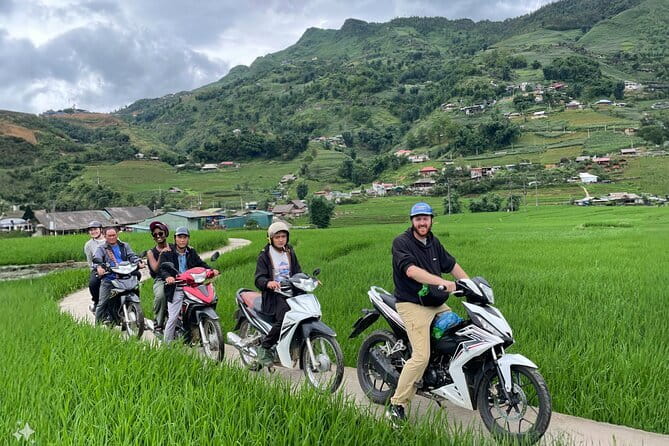
This trek fits best if you want:
- rice terraces plus villages, not just one or the other
- an easy-to-medium hiking day with a guided explanation
- a half-day schedule that still feels full
If you’re traveling with older family members or you want a route that isn’t overly steep for the whole time, the easy-medium rating and included transport back to Sapa are big wins.
It might be less ideal if you:
- hate any uphill walking at all
- don’t want to deal with trail conditions in the rain
- prefer city sightseeing over village interactions
That said, even when weather changes, the guide support seems to make a difference. One of the reviews praises a guide’s care when they got caught in rain, which is exactly what you want from a local team.
A few small tips that make the day better
These hikes go smoother when you think like a trekker for one day:
- Wear shoes with grip, and consider rain protection. Wet ground is part of the Sapa reality.
- Bring a small daypack for a light layer and your essentials.
- If you have dietary restrictions, say so clearly ahead of time so the lunch is handled.
- Plan to tip if you’re satisfied. It’s not included, and the guide work is real.
- Keep your phone ready if you’re using the mobile ticket version.
Also, do yourself a favor: don’t treat every terrace view like a race. The best valley moments are the ones where you stop and let your guide catch you up on what you’re actually looking at.
Should you book the Muong Hoa rice field trek with Sapa Original Trek?
I’d book this if you want an authentic Sapa day that mixes rice terraces, village life, and English guidance without turning the trip into a long ordeal. The included lunch, entrance fees, water, and transport back make it feel like a complete day plan rather than a “good luck” situation.
I’d pass or switch plans if you’re extremely sensitive to uneven walking or you know you’ll struggle with wet trail conditions. In that case, you might prefer a flatter option or a shorter trek.
If you’re flexible, the guides listed in feedback—Sing, Ms. May, Mo Mo, Zing, and Mr. Sinh—are repeatedly framed as helpful and attentive, and that matters on a hike where weather and pacing can change.
FAQ
How long is the trek?
The experience runs for about 6 hours (approximately).
What distance and difficulty should I expect?
You’ll walk around 11–12 km with an easy-to-medium level of difficulty and about 200–300 m of elevation gain.
When does the tour start, and is pickup included?
It starts at 9:00 am, and pickup is offered from hotels around Sapa town or from the operator’s office.
Is lunch and water included?
Yes. Lunch is included, and you also get 0.5 liter of water per person.
Which villages are part of the route?
The route includes Muong Hoa Valley, with stops around Y Linh Ho, Lao Chai, and Ta Van, plus a local house visit in the village area.
Can they handle dietary needs like vegetarian or vegan?
Yes. If you have dietary requirements (vegetarian, vegan, gluten-free, or other needs), you should let them know.
Is there free cancellation?
Yes. You can cancel up to 24 hours in advance for a full refund.