REVIEW · KATHMANDU
Everest Base Camp Trek
Book on Viator →Operated by Alliance Adventure Pvt. Ltd · Bookable on Viator
High altitude hits different. This Everest Base Camp trek pairs big mountain payoff with real-world pacing, including an acclimatization day in Namche Bazaar and a sunrise push at Kala Patthar. I also like that you get a serious human support crew: your guide is Aashish (Ashish), and the founder Urja is mentioned in client feedback as being hands-on when plans are settling in.
I love how the route is built for your body, not just the calendar: slow walking on the thin-air stretches, built-in rest time, and side hikes for gradual altitude adjustment. One drawback to consider up front is comfort limits: hot shower/hot water and battery charging are not included, so you’ll need to plan for basic lodge life.
In This Review
- Key highlights worth your attention
- Everest Base Camp: Why This Route Still Feels Like a Once-in-a-Lifetime Trip
- Price and Logistics: What Your $1,850 Actually Buys
- Day-by-Day Trek Walkthrough (What Each Day Feels Like)
- Day 1: Arrive Kathmandu, get briefed, get organized
- Day 2: Half-day Kathmandu tour, then drive to Manthali
- Day 3: Fly to Lukla, then start hiking through Sherpa villages
- Day 4: River trails, suspension bridges, and the stair climb into Namche
- Day 5: Everest View Hotel area, Khumjung, and Hillary School
- Day 6: Tengboche monastery day with big peak views
- Day 7: Pangboche old village day
- Day 8: Nangkartshang Peak hike and lodge reset
- Day 9: Thin air day (go slow, stay warm, drink more)
- Day 10: Gorak-Shep check-in, then Everest Base Camp
- Day 11: Early Kala Patthar sunrise, then back to Lobuche
- Day 12: Return trek and a major monastery stop
- Day 13: Down to Namche, then onward to Monjo
- Day 14: Final steps in the Everest region, celebration with guide and porter
- Day 15: Fly to Manthali, drive back to Kathmandu
- Day 16: Explore a heritage site and finish with farewell dinner
- Lodges, Meals, and the Comfort Trade-Off at Altitude
- Your Biggest Wins: Guide Pace, Porter Support, and Food Timing
- Gear Notes That Matter (Wind, Cold Nights, and Sun)
- Fitness Reality Check: What Moderate Fitness Means Here
- Should You Book This Everest Base Camp Trek?
- FAQ
- How long is the Everest Base Camp trek?
- Where does the trek start?
- What is the price per person?
- What does the tour include?
- What permits do I need for this trek?
- Are hot showers included?
- Is battery charging included?
- Do I need altitude sickness insurance?
- Can I get a Nepal visa on arrival?
- If I need to cancel, can I get a refund?
Key highlights worth your attention
- Lukla flight into the heart of the Everest region sets the tone fast, then you start walking through Sherpa villages.
- Namche acclimatization day gives you a buffer before the bigger altitude days.
- Tengboche monastery stop adds cultural depth to the trekking rhythm.
- Gorak-Shep to Everest Base Camp requires self-sufficiency for food timing and water.
- Kala Patthar sunrise is the big early start you’ll remember most.
- Private group with an English-speaking guide and porters means less confusion and more support.
Everest Base Camp: Why This Route Still Feels Like a Once-in-a-Lifetime Trip
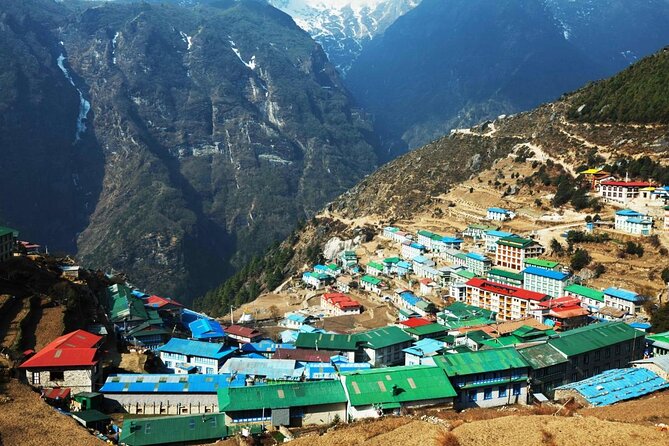
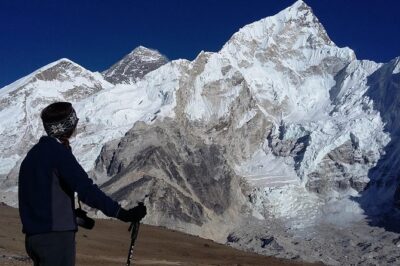
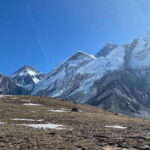
Everest Base Camp is one of those treks where the hype is actually earned. You’re walking into the Everest region’s working world: Sherpa villages, monasteries, lodges, and prayer flags all doing their daily jobs at extreme altitude. The experience works because it mixes hard geography (high passes, steep stair sections, thin air) with human scale (tea houses, guides who watch your pace, porters who handle your load).
What makes this specific trek plan feel especially solid is the way it builds time for your body. You don’t just shoot upward and hope for the best. You’ll reach Namche Bazaar and spend a day acclimatizing, then you’ll continue on to the higher areas with slower walking emphasized. Even the guidance language used for the thinner-air day is practical: go slower, keep long breathing, drink more hot water, use honey-ginger, and stay warm.
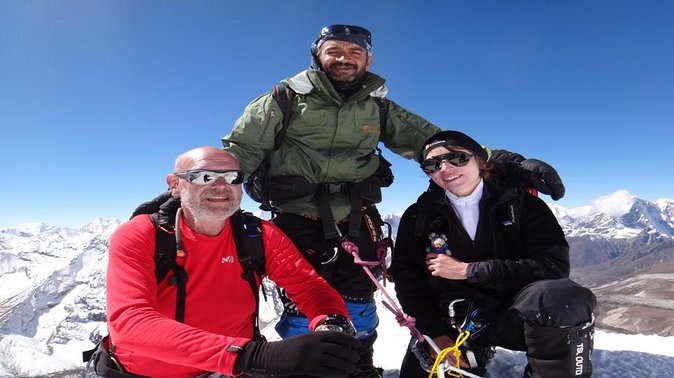
The other big win is support quality. From client feedback, your guide Aashish/Ashish is repeatedly praised for being patient and encouraging you to go slow, and for making meal times run smoothly. The trek becomes less stressful when someone’s already thinking about your pace, warmth, and timing.
You can also read our reviews of more tours and experiences in Kathmandu.
Price and Logistics: What Your $1,850 Actually Buys
At $1,850 per person, this isn’t a budget trek. But it’s also not just a bed-and-hope package. You’re paying for the parts that make or break an Everest trek: transportation coordination, permits, a guide and porters, and a chunk of meals.
Here’s what’s included, in plain terms:
- Kathmandu: 3 nights hotel with breakfast
- Airport and ground transportation: arrival to departure transportation
- Trek meals: breakfast, lunch, dinner, plus tea/coffee at lodges during the trek
- Trek essentials provided: warm down jacket, sleeping bag, walking pole after trek return, trekking duffel bag (waterproof) and a t-shirt
- Paperwork: Trekking Permit and TIMS cards
- Safety basics: medical kit bag during the trek, and insurance for the guide and porter
- Staff support: an English-speaking guide and strong helpful potters (porters)
- Group style: private tour, only your group
What you should budget extra for:
- Cold drinks and mineral water
- Hot shower and hot water
- Battery charging, phone calls, laundry, bar bills
- Tips for guide and porters
- Altitude sickness insurance for you is specifically not included
- Kathmandu meals beyond what’s listed (the package doesn’t include Kathmandu lunch and dinner), plus sightseeing entrance fees if you add them
So the value comes from reducing friction. When you don’t have to manage permits, logistics, guiding, porter support, or most meals, you spend your energy on walking and acclimatizing. That’s what you want on Everest Base Camp.
Day-by-Day Trek Walkthrough (What Each Day Feels Like)
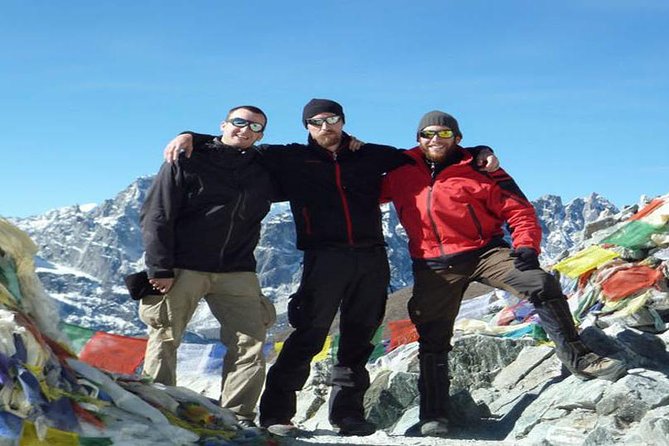
This trek is built around a classic rhythm: fly in, walk steadily, acclimatize on purpose, then go for the “wow” moments. It’s not a sprint.
Day 1: Arrive Kathmandu, get briefed, get organized
You land at Tribhuvan International Airport and get a warm welcome, then you’ll be briefed on the trek. It’s the right kind of first day: enough structure to start well, without forcing you into big sightseeing before you’re ready. If you’re prone to forgetting small things, this is the day to check your gear twice.
Day 2: Half-day Kathmandu tour, then drive to Manthali
Today mixes culture and logistics. You get a half-day city tour, then after lunch you drive about 4 hours to Manthali Airport, watching local villages and agriculture along the way. Expect the day to feel like a transition: your mind goes from city pace to trekking pace.
Day 3: Fly to Lukla, then start hiking through Sherpa villages
You’ll take an early domestic flight to Lukla Hillary Airport, then begin trekking. This is where the Everest region starts to feel real: Sherpa villages, mountain views, and the sense that people live at the edge of big altitude. If you’re nervous, it’s also where your group’s pace planning starts making sense.
Day 4: River trails, suspension bridges, and the stair climb into Namche
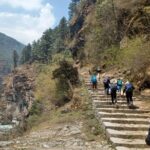
This day connects the “pretty” part of trekking with the “physical” part. You walk along river views, cross suspension bridges, and tackle Hilary steps to reach Namche Bazaar. If the weather is clear after the Hilary bridge, you may catch views of Mount Everest and surrounding peaks. Namche is a hub and a checkpoint for the rest of your plan.
Day 5: Everest View Hotel area, Khumjung, and Hillary School
Your day includes hiking through the Sagarmatha National Park area, plus the Everest View Hotel region and Khumjung Village. You’ll also visit Hillary school, then return to Namche for lodge rest and free time.
This is a good day for two reasons: you get altitude exposure without going too hard, and you add human context to the mountains. It’s not only about the view. It’s also about why people built these communities where they did.
Day 6: Tengboche monastery day with big peak views
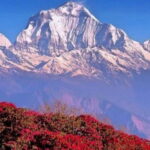
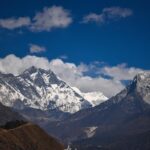
The trail takes you past mountain giants like Thamserku and Ama Dablam, with Mt. Everest in the mix on clearer sections. You go downhill to Pungi Thanga, then climb up to Tengboche monastery. Expect the monastery stop to feel like a pause button: religious architecture, a calmer mood, and a chance to reset before the higher days.
Day 7: Pangboche old village day
You’ll pass through old village Pangboche, with rivers and mountains along the way. The trekking time is listed at about 6 hours, which is enough to feel productive without burning you out. This is one of the days that keeps the itinerary from feeling like nonstop grinding.
Day 8: Nangkartshang Peak hike and lodge reset
Today includes a hike to Nangkartshang Peak (about 4 hours). You then rest in your lodge. This is the kind of day you appreciate later: a side hike that helps acclimatization habits without demanding a full “summit-style” effort.
Day 9: Thin air day (go slow, stay warm, drink more)
This is the day where the trek plan becomes very clear about altitude reality. You’re trekking into very thin air, and the instruction is direct: walk slowly, keep long breathing, drink more hot water, use honey-ginger, and stay warm. The trekking time is about 5 hours.
If you’ve only imagined altitude as a feeling, this is where you learn it’s also a behavior. Your best tool is discipline: slow steps, steady breathing, and warmth.
Day 10: Gorak-Shep check-in, then Everest Base Camp
You’ll trek with mountains and glaciers around you, check in at the lodge, have quick lunch, and then hike to Everest Base Camp. The key practical warning here is important: you have to carry enough drinking water and energy bars because the Gorak-Shep to EBC stretch has no tea shop.
That detail matters more than it sounds. When you’re at high altitude, snacks and hydration aren’t optional conveniences. They’re part of staying comfortable enough to enjoy the moment.
Day 11: Early Kala Patthar sunrise, then back to Lobuche
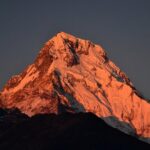
This is your classic Everest payoff day. You start early to hike to Kala Patthar to catch the sunrise over Mt. Everest and the surrounding Himalayan range, then trek back to Lobuche (about 6 hours).
Even if sunrise hikes aren’t your thing, this one is built around timing. You’re going to feel the cold early, then you’ll be rewarded with one of the most talked-about vantage points in the region.
Day 12: Return trek and a major monastery stop
Today goes back along the trail and includes one of the biggest Buddhist monasteries in the Solu Khumbu area. The listed time is about 6 hours. The return days are often mentally easier because you know the general route. Still, you’ll keep earning your altitude adaptation.
Day 13: Down to Namche, then onward to Monjo
You’ll do more ups and downs until you reach Namche Bazaar, then continue trekking down to Monjo village. The trekking time is listed at about 6 hours. This is the day where you start to feel the trek’s length in your legs, but you’ll also see familiar geography from a new angle.
Day 14: Final steps in the Everest region, celebration with guide and porter
Today is your “almost there” day, listed around 5 hours. You’ll celebrate with your guide and potters/porters. This matters more than people think. It’s a close-out ritual that turns a long effort into a complete story.
Day 15: Fly to Manthali, drive back to Kathmandu
You take a short flight to Manthali Airport, then drive about 4 hours back to Kathmandu for hotel rest (listed around 5 hours). This is when you’ll want downtime, not more tours. Your body will say thank you.
Day 16: Explore a heritage site and finish with farewell dinner
On the last day you’ll have breakfast, then your tour guide leads you to explore a heritage site and then you wrap with a farewell dinner. It’s a fitting end: a cultural final note after you spent almost two weeks living inside mountain time.
Lodges, Meals, and the Comfort Trade-Off at Altitude
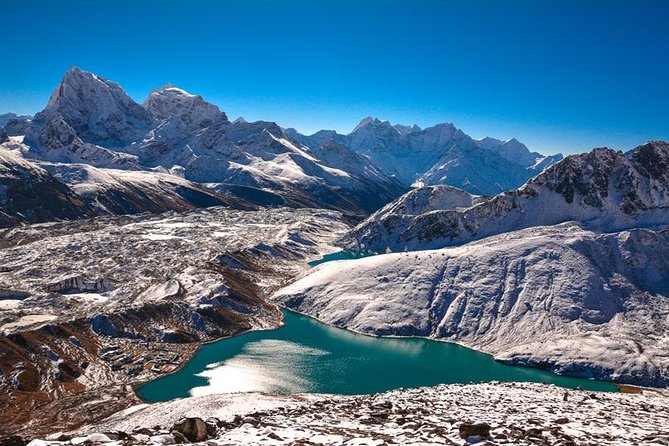
This trek includes meals and drinks at lodges: breakfast, lunch, dinner, plus tea/coffee. That’s a practical inclusion because it keeps you from having to manage cash and planning every day.
But it’s also a reminder of altitude comfort limits:
- Hot shower and hot water aren’t included, so don’t expect warmth on demand.
- Battery charging isn’t included, so you’ll likely ration power and use what you bring wisely.
- Cold drinks and mineral water cost extra.
Here’s how I’d plan psychologically: treat the lodge day as recovery time, not luxury time. If you want hot water on your schedule, you’ll pay for it here. If you’re okay with basic comfort, you’ll conserve energy for the trail.
Your Biggest Wins: Guide Pace, Porter Support, and Food Timing
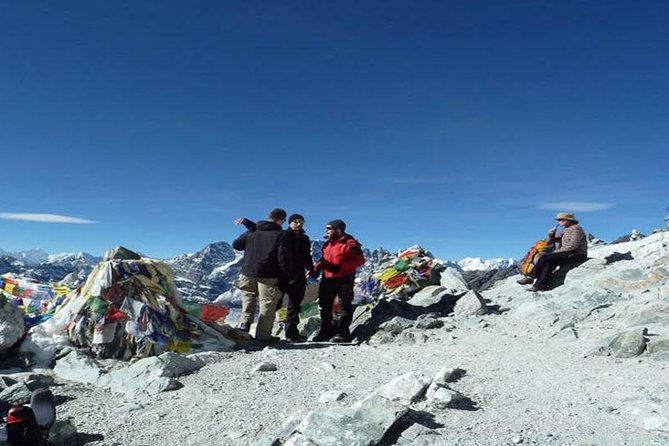
If you want to measure a trek provider beyond the route name, focus on how you’re supported. In client feedback, your guide Aashish/Ashish is praised for being patient and encouraging you to go slow. That’s the right attitude for Everest Base Camp, where over-ambition shows up as wasted effort and rising fatigue.
Food timing is another quiet strength mentioned in feedback: your guide helps things run well around meals, and that support reduces day-to-day stress. The other “pro” detail is the warning about the no tea shop section after Gorak-Shep. That’s real-world planning and it helps you avoid a hunger-and-hydration spiral right when you want to focus on the view.
Gear Notes That Matter (Wind, Cold Nights, and Sun)
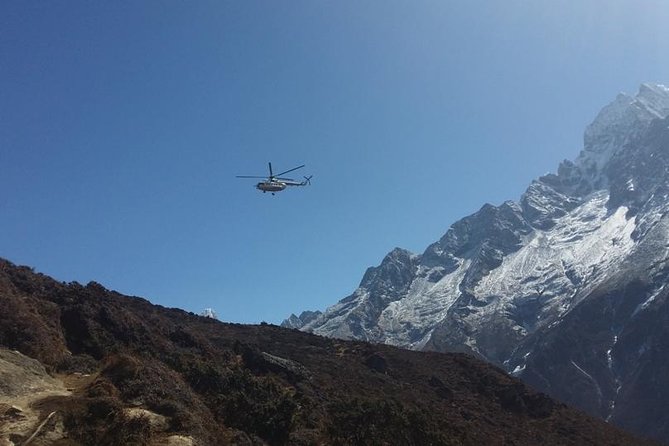
The package provides a few key items: warm down jacket, sleeping bag, a trekking duffel bag (waterproof), and a t-shirt, plus walking pole after the trek.
They also suggest good basics:
- Windproof outer jacket and a warm down-filled jacket if you’re cold sensitive
- Comfortable trousers for men, loose skirts for women during the day
- Gloves and hat or cap, sunglasses, sunblock, lip balm for intense high-altitude sun
- Lightweight trekking shoes and warm woolen or thermal socks
- Thermal undergarments for nights if you run cold
- Flashlight and spare batteries
My take: the sun and cold are the two things that sneak up on people. You might be sweating uphill and then feel it later when wind hits. If you have the right layers and protect your face and hands, you’ll enjoy more of the trek and complain less.
Fitness Reality Check: What Moderate Fitness Means Here
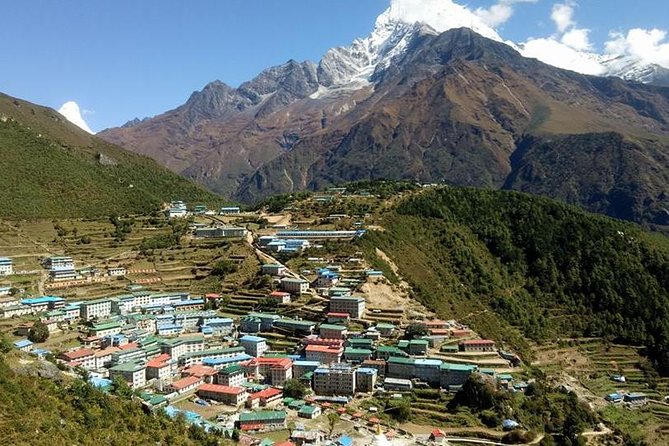
This trek expects moderate physical fitness. That usually translates to: you can walk for hours, you can handle stair-like climbs, and you recover okay between hiking days.
The plan also gives you an explicit training hint: you should train on your own in your free time, with an example of a weekly hiking day in your own local mountain area. The key idea is simple. Don’t show up cold-tired and hope the altitude will fix your stamina.
Most importantly, follow the pacing approach. The thin-air guidance is clear: go slowly, breathe steadily, and treat warmth and hydration as part of the plan.
Should You Book This Everest Base Camp Trek?
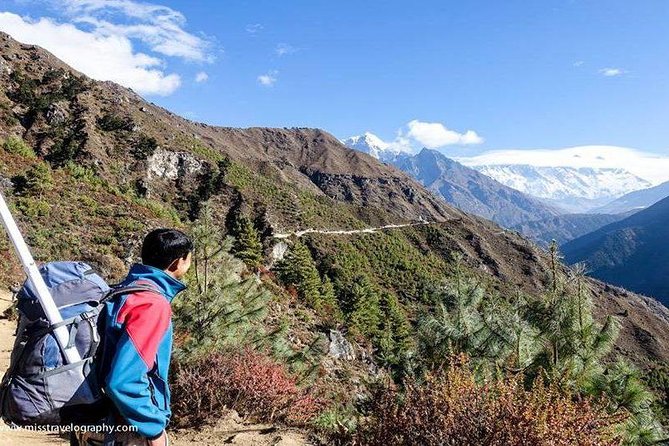
I’d recommend booking if you want:
- A structured, private trek with an English-speaking guide and porter team
- Lodges with meals included so you can focus on walking and acclimatizing
- A route that gives you real time to adjust via Namche and slower altitude days
- The classic Everest moments: Kala Patthar sunrise and the hike to Everest Base Camp
I’d hesitate if you need high comfort upgrades (hot shower on demand, battery charging, lots of extra paid conveniences). Those things cost extra here, and the package is built around practical trekking norms.
One last decision point: the trek is non-refundable and can’t be changed for any reason, so book only when you’re confident your dates work.
If your goal is to reach Everest Base Camp with good pacing, strong human support, and minimal day-to-day stress, this is a very workable plan. Just show up ready to walk, stay warm, and go slow when altitude gets loud.
FAQ
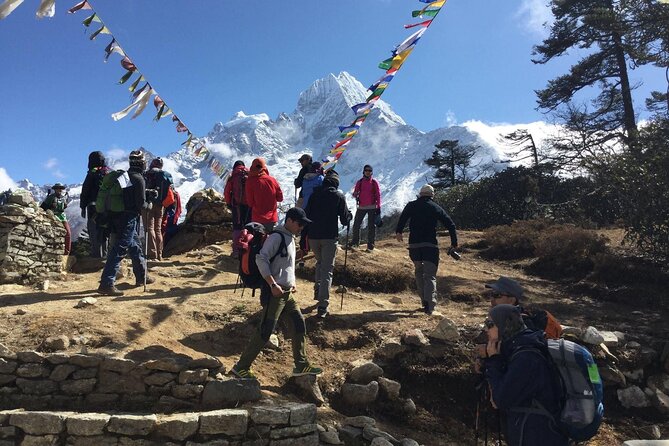
How long is the Everest Base Camp trek?
The trip is listed as about 16 days.
Where does the trek start?
It starts in Kathmandu, with the meeting point in the Kathmandu Valley (Bagmati Zone, Central Region). The listed start time is 6:00 am.
What is the price per person?
The price is $1,850.00 per person.
What does the tour include?
It includes arrival-to-departure transportation, 3 nights hotel in Kathmandu with breakfast, welcome and farewell dinners, lodge meals (breakfast/lunch/dinner plus tea/coffee), trekking permits and TIMS cards, a medical kit bag, guide and porter insurance during the trek, and trekking gear such as a down jacket, sleeping bag, waterproof duffel bag, and walking pole after the trek.
What permits do I need for this trek?
The package includes Trekking Permit and TIMS cards.
Are hot showers included?
No. Hot shower and hot water are not included.
Is battery charging included?
No. Battery charging is not included.
Do I need altitude sickness insurance?
The package does not include mountain high altitude sickness insurance for you.
Can I get a Nepal visa on arrival?
Yes. A Nepal visa is available on arrival, with charges listed as USD 25 for 15 days and USD 40 for 30 days.
If I need to cancel, can I get a refund?
No. The experience is non-refundable and cannot be changed for any reason.