REVIEW · SAPA
Sapa Trekking & Cooking with H’Mong Locals –Local Culture
Book on Viator →Operated by 1Day Sapa · Bookable on Viator
Seven hours, two cultures, one shared lunch. This is a Sapa walking day that goes off the main paths, then rewards you with a hands-on H’Mong cooking class. I really like the way the route takes you into smaller villages where there’s far less concrete, so the day feels closer to everyday life. I also like that you’re not just tasting food—you’re learning a full Vietnamese meal with your lunch included. One thing to consider: this experience depends on good weather, and it’s a trek, so you’ll want a moderate fitness level.
With pickup offered and a mobile ticket, the logistics are meant to feel simple. You also get a certified guide and a private setup, so your group can move at a comfortable pace without being mixed into a crowd. For the food side, lunch comes with water and fruit, plus coffee and/or tea—nice when you’re spending most of the day on foot.
If your ideal day in Sapa is quiet, rural, and focused on real interactions—this fits. If you hate walking or you expect a slow, mostly sitting tour with constant rest stops, it may not be the right match.
In This Review
- Key Highlights You’ll Care About
- A 7-Hour Sapa Day That Actually Feels Local
- Starting in Sapa Town: Easy Pickup, Free Entry, Quick Orientation
- Cat Cat Village: Pass By the Crowd, Continue Into Y Linh Ho
- Y Linh Ho H’Mong House Cooking Class: Hands-On Food With a Full Vietnamese Meal
- Lao Chai: Terraced Views and Village Roads in Real Walking Time
- Ta Van Village Finish: End Your Walk, Then Head Back to Sapa
- Price and Value: Is $38 a Good Deal in Sapa?
- What “Moderate Fitness” Means Here (And How Weather Changes Everything)
- Service That Helps: Private Group, Pickup, Mobile Ticket
- One Red Flag to Keep in Mind Before You Book
- Who This Tour Suits Best
- Should You Book This Sapa Trekking and Cooking Tour?
- FAQ
- How long is the Sapa trekking and cooking experience?
- What’s included in the price?
- What’s the price per person?
- Do I need to pay for Cat Cat Village tickets?
- Is pickup offered, and do I return to Sapa town?
- Is this a private tour?
- What kind of fitness level do I need?
- How long is the cooking class?
- What if the weather is poor?
Key Highlights You’ll Care About
- Cat Cat Village, but not the crowded center: You pass by rather than spending time where everyone funnels in.
- Y Linh Ho H’Mong home cooking: A cooking session runs about 2–3 hours with lunch you help make.
- Terraced farmland views plus village walks: You’ll spend time on small hillside roads between communities.
- Lunch included like a real meal, not a snack: Water, fruit, and coffee/tea come with the food.
- Private tour setup: Only your group participates, with a certified guide leading the day.
A 7-Hour Sapa Day That Actually Feels Local
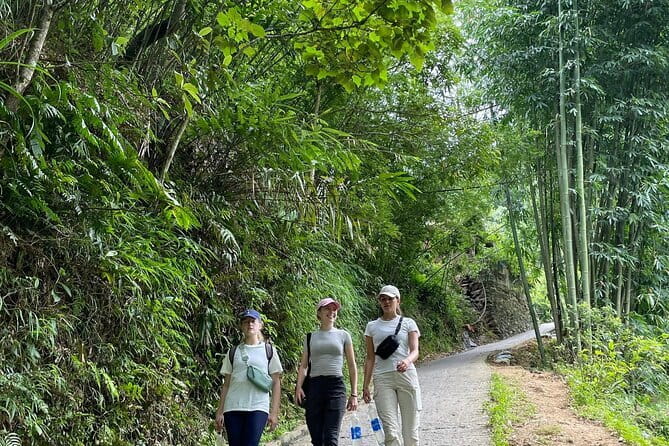
This is built as a full, active day in Sapa—about 7 hours—with one clear goal: move through villages by walking instead of bouncing around by car. That matters because Sapa’s “big sights” can feel scripted. A walking route gives you the in-between moments: hillside roads, terraces, and the rhythm of rural life.
I like the structure because it’s not only walking and it’s not only cooking. The trekking sets the scene, and then the food segment gives you something tangible to take home: knowledge of how to make a Vietnamese meal, not just photos of what you ate.
You’re also starting right in Sapa town, so you can get oriented before the day goes rural. The pace is aimed at moderate physical fitness, which means it’s not for people looking for an easy stroll, but it also doesn’t read like a hardcore mountain challenge.
Starting in Sapa Town: Easy Pickup, Free Entry, Quick Orientation
You begin in Sapa town, and the first part is straightforward—about 30 minutes with no admission ticket cost. If you’re using the pickup option, this is where your guide gets you connected to the day’s plan.
This early phase is useful because it helps you get your bearings before you’re dealing with steep roads and switchbacks. You’re also more likely to feel in control of the day when you start close to the town center rather than being dropped into a remote start point.
Practical note: since the rest of the day involves walking, you’ll feel better if you treat this as your chance to settle your layers and make sure you’ve got what you need before leaving town.
Cat Cat Village: Pass By the Crowd, Continue Into Y Linh Ho
Most people associate Cat Cat with the busiest, most tourist-heavy area. Here, you still reach the Cat Cat area for about 1 hour 30 minutes, but the approach is different. Instead of pushing into the crowded center, you pass by and keep going deeper toward a smaller village called Y Linh Ho.
This is a smart design choice if you want village life without spending your whole day in the photo line. It also keeps the focus on what the day is really selling: getting closer to the ethnic minority communities and moving at a human pace.
One small consideration: Cat Cat can involve costs depending on how the visit is structured. The entrance ticket is listed as not included, so be ready for that possibility even if you’re not fully entering the busiest core.
Y Linh Ho H’Mong House Cooking Class: Hands-On Food With a Full Vietnamese Meal
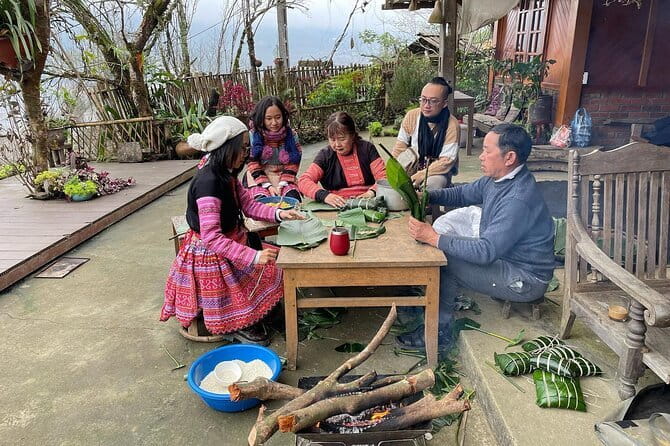
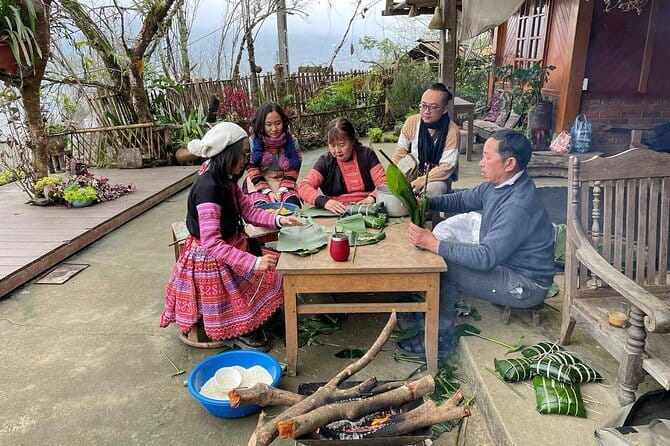
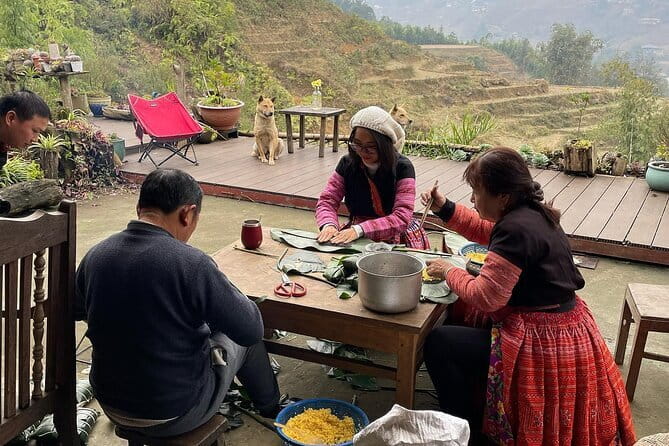
The day’s biggest “why this is worth it” moment is the H’Mong home experience in Y Linh Ho. You’ll stop there for about 3 hours, and you’ll start a cooking class together in a local house setting.
This isn’t framed as a quick demo. The cooking segment is typically about 2–3 hours, which is enough time to learn how the dishes come together and not just watch from the sidelines. If your goal is to understand Vietnamese cooking, this is where the tour delivers.
What you’ll make includes classics such as:
- Fried spring rolls
- Stewed pork
- Vegetables and fruits picked locally (as part of the local food experience)
The guide also aims to teach you how to build a complete Vietnamese meal for lunch. In other words, you’re learning food as a system—how different dishes work together at the table—rather than just collecting recipes for one item.
Why I think this part holds value: it turns Sapa into something practical you can repeat at home. Even if you can’t duplicate every ingredient, you’ll understand the method, timing, and balance. That’s usually the difference between a tourist meal and a “you learned something” experience.
Lao Chai: Terraced Views and Village Roads in Real Walking Time
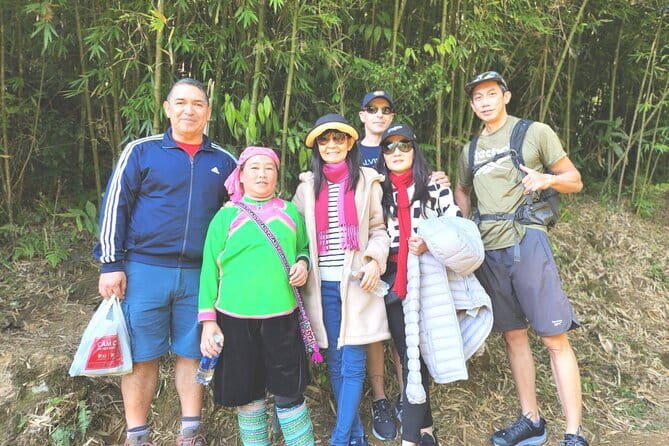
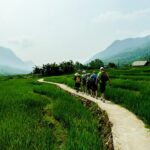
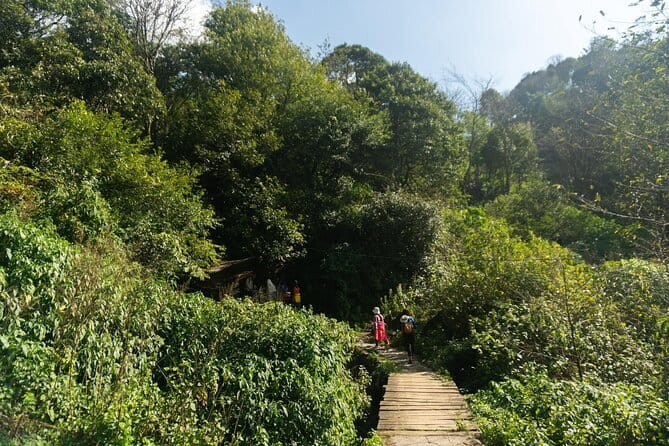
After cooking, the day shifts back to trekking. You continue toward Lao Chai, spending about 45 minutes on the move. This is where the terraces and hillside roads come in.
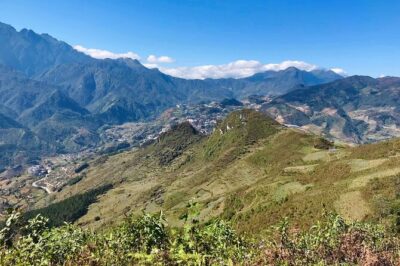
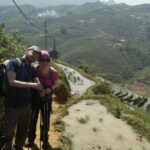
Lao Chai is described as a place to admire terraced fields and people’s lives through small roads. The best part of this segment is that it doesn’t feel like a single viewpoint stop. You’re traveling through the area, which makes the scenery more layered than just one photo spot.
You also cross Lao Chai village during this stretch. That kind of “passing through” is often more authentic than being parked at the same spot for an hour, and it helps keep the day feeling continuous.
Ta Van Village Finish: End Your Walk, Then Head Back to Sapa

The trek wraps up in Ta Van village, with about 1 hour 15 minutes at the end of the walking portion. From there, you’re taken back to Sapa town by taxi.
I like that the tour doesn’t strand you halfway through the day. Ending in Ta Van and then getting a ride back means you can finish without worrying about negotiating transport right when you’re tired.
This is also a helpful way to avoid the “I’m done hiking but still have hours left” problem. You get a clean endpoint, and the day ends as a complete experience rather than a half-day that drags.
Price and Value: Is $38 a Good Deal in Sapa?
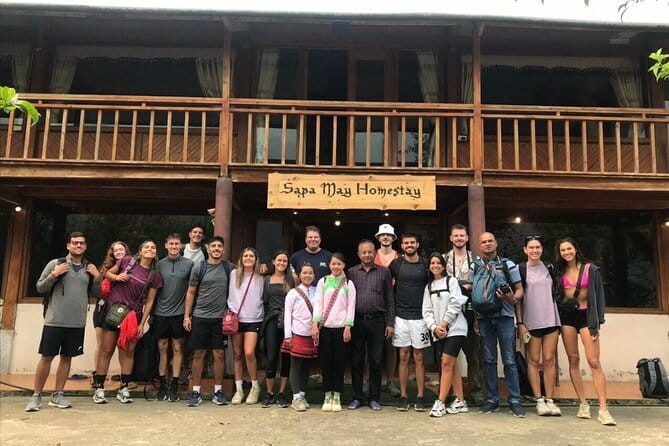
At $38 per person for about 7 hours, this is positioned as good value—especially because the key expenses are included. You get:
- a certified guide
- lunch plus water and fruit
- coffee and/or tea
- and the core experience: trekking + a cooking class
That’s a lot packed into one day for the price, particularly because you’re not only eating; you’re learning how to make food and then enjoying it as lunch.
What’s not included matters too. Drinks like beer or extra coffee aren’t included, and Cat Cat entrance is not included. Tips for the tour guide are also listed as not included. If you’re trying to keep costs tight, just plan for those items up front.
One more value signal: the high rating and high recommendation rate suggest most people feel they’re getting their money’s worth. Still, always read the day as a walking experience first, not a bus tour with frequent sitting.
What “Moderate Fitness” Means Here (And How Weather Changes Everything)
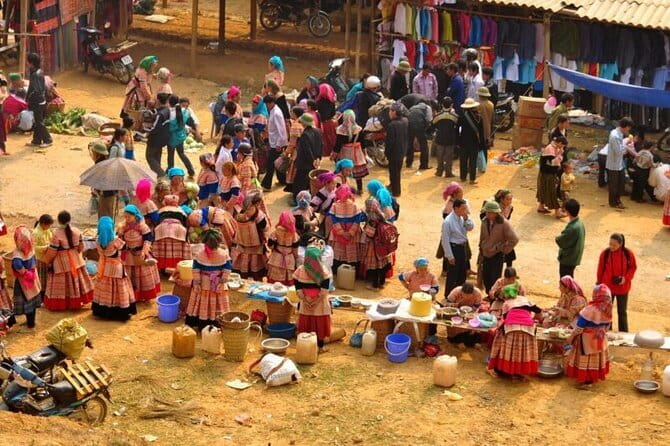
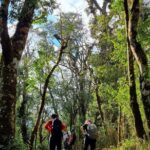
This isn’t listed as a couch-to-cafe tour. You’re doing a walking program through hillside roads and between villages, which means you should be ready for some uneven ground and changing slope.
That’s why the tour asks for moderate physical fitness. I’d interpret that as: you can walk for long stretches without needing constant breaks, and you’re comfortable moving up and down on trails.
Weather is a bigger factor than most people think. The experience requires good weather. If conditions are poor, it may be canceled and you’ll be offered a different date or a full refund. Since you’re outdoors for most of the day, this is where weather can change your comfort level fast.
Service That Helps: Private Group, Pickup, Mobile Ticket
A private tour means your group goes together without being folded into a larger crowd. If you care about asking questions during the cooking class or want your guide to pace the walking, this format tends to make the day smoother.
Pickup is offered, and you’ll receive a mobile ticket. Confirmation happens at booking, which usually makes the experience easier to plan because you’re not left guessing what day-of contact will look like.
Also, many places in Sapa can feel complicated with multiple transfers. This tour is designed to keep you on one track: start in town, walk through villages, cook and eat, then return.
One Red Flag to Keep in Mind Before You Book
I’m going to be honest about risk. One disappointing account claims that not all planned village stops happened, with only two of the listed stops reached that day. If you’re choosing this tour because you care deeply about hitting every village segment, I’d handle that proactively: ask your guide, on the morning of the experience, for a clear, simple run-through of the day’s stops and timing.
That doesn’t mean the tour is unreliable, but it does mean you should treat the day as a real outdoor program where routing can shift. If your expectations are strict, get clarity early so there are no surprises.
Who This Tour Suits Best
This fits best if you:
- want a walking-based day that gets out of the most crowded areas
- are excited about an actual cooking lesson, not just a meal
- like meeting people in everyday settings, like a H’Mong home
- prefer a private group experience with a certified guide
It’s less ideal if you:
- hate walking or have low stamina
- need a guaranteed, stop-by-stop schedule no matter what weather does
- only want the most famous tourist spots without the village-to-village feel
Should You Book This Sapa Trekking and Cooking Tour?
If you want Sapa to feel human—terraces, village roads, and a cooking class that teaches you how to make a full Vietnamese lunch—then yes, it’s worth considering. The included meal, the time spent cooking, and the off-main-path walking approach are the strongest reasons to choose it.
If you’re the type who needs every planned stop to happen exactly as written, or you’re going in bad weather season where conditions might shift, then book with flexibility in mind and confirm the day’s flow with your guide when you meet.
FAQ
How long is the Sapa trekking and cooking experience?
It runs about 7 hours (approximately).
What’s included in the price?
The experience includes a certified guide, lunch, water and fruit, and coffee and/or tea.
What’s the price per person?
The price is $38.00 per person.
Do I need to pay for Cat Cat Village tickets?
Cat Cat Village entrance is listed as not included.
Is pickup offered, and do I return to Sapa town?
Pickup is offered, and after the walk ends in Ta Van village, a taxi brings you back to Sapa town.
Is this a private tour?
Yes. It’s a private tour/activity, and only your group participates.
What kind of fitness level do I need?
You should have moderate physical fitness for the walking program.
How long is the cooking class?
The cooking class is described as lasting about 2–3 hours, within the longer Y Linh Ho home experience.
What if the weather is poor?
The experience requires good weather. If it’s canceled due to poor weather, you’ll be offered a different date or a full refund. You can also cancel for a full refund up to 24 hours in advance.