REVIEW · LANGTANG VALLEY
Kathmandu: 7 Day Langtang Valley Trek
Book on GetYourGuide →Operated by Worldwide Tourism Inc · Bookable on GetYourGuide
White peaks feel close on this route.
I like the way the Langtang Valley plan stacks big altitude views with a sane rhythm, so you’re not just walking—you’re gradually tightening your grip on the Himalaya. Two things stand out to me: close-up snowcapped peaks that feel reachable from the trail, and a private licensed guide who keeps the trek smooth and on-route. One drawback to factor in: this is a hard week with hundreds of steps and steep days, and the organization quality can vary, especially if your timing for the ride back is tight.
You’ll get a strong cultural layer too. The trek passes through Tamang areas and the higher part of the route centers on the Kyanjin Gompa monastery, with optional hikes and even a cheese factory day option. For value, the base price includes your permits, guide, and transport—but meals are extra, and lodge standards are something you should be attentive to.
In This Review
- Key highlights that make this trek tick
- Why the Langtang Valley trek feels different near Kathmandu
- Getting to Syabrubesi: your first taste of Langtang country
- Day 2 to Lama Hotel: forests, suspension bridges, and river crossings
- Day 3 to Langtang Village: rhododendron and oak climbing with community stops
- Days 4 and 5 to Kyanjin Gompa: monastery views and altitude that actually gets planned
- The return: Lama Hotel and Syabrubesi, plus a well-earned reset
- Price and logistics: what $450 gets you (and what it doesn’t)
- Your guide and the private-group advantage
- Teahouse lodges: comfy enough, but check expectations early
- Difficulty level: altitude, ascent, and who should think twice
- Packing rules and trail reality: what to bring (and what to avoid)
- Common hiccups to plan for: timing, meals, and lodge quality
- Should you book this Kathmandu 7-day Langtang Valley trek?
- FAQ
- What is the duration of the Langtang Valley trek?
- What trail high points does the itinerary reach?
- Is there an acclimatization day?
- What permits are included?
- Are meals included in the trek price?
- What kind of accommodation will I have?
- Do I need a guide?
- Can I hire a porter?
- What do I need to bring for the trek?
- Is the trek suitable for everyone?
Key highlights that make this trek tick
- Private, English-speaking licensed guide for route confidence and pacing that matches you.
- A real acclimatization day at Kyanjin Gompa (3,870m) so higher views don’t come with zero prep.
- Teahouse lodge trekking (with a porter option) that keeps the trip doable without heavy carrying.
- Peak viewing options from Kyanjin Gompa, including short hikes like Kyanjin Ri or Tserko Ri.
- Local culture on the way, with Tamang and Sherpa community hospitality along the valley.
Why the Langtang Valley trek feels different near Kathmandu
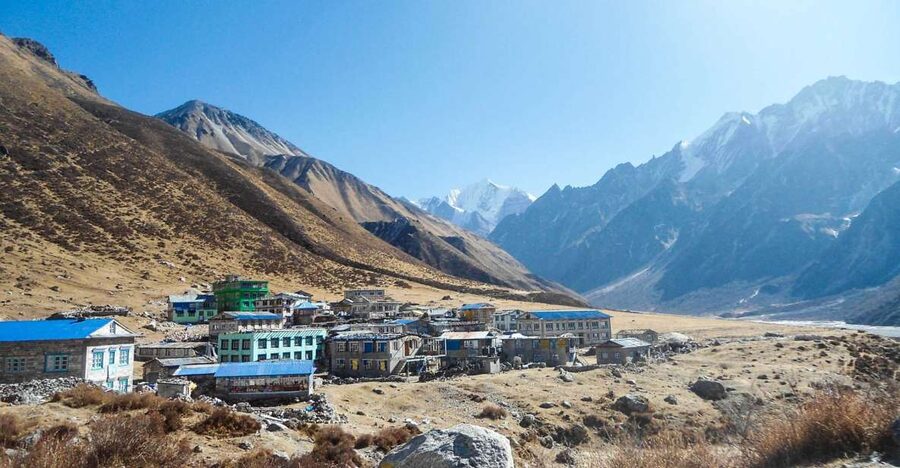
Langtang is one of those Nepal regions where the scenery has a raw, lived-in quality. You get long stretches of forest and river travel that feel calm, then the valley walls tighten and the snow peaks start grabbing your attention in a very direct way. If you’re coming from Kathmandu, the jump from city noise into mountain air also hits fast and keeps you focused.
The route also gives you a strong “why” for the week. You don’t just reach a viewpoint and turn around—you move through stages: forest and villages, then yak pasture country, then the monastery zone at Kyanjin Gompa. That pacing matters because the altitude changes steadily, and the itinerary builds in a day meant for your body to adapt.
Getting to Syabrubesi: your first taste of Langtang country
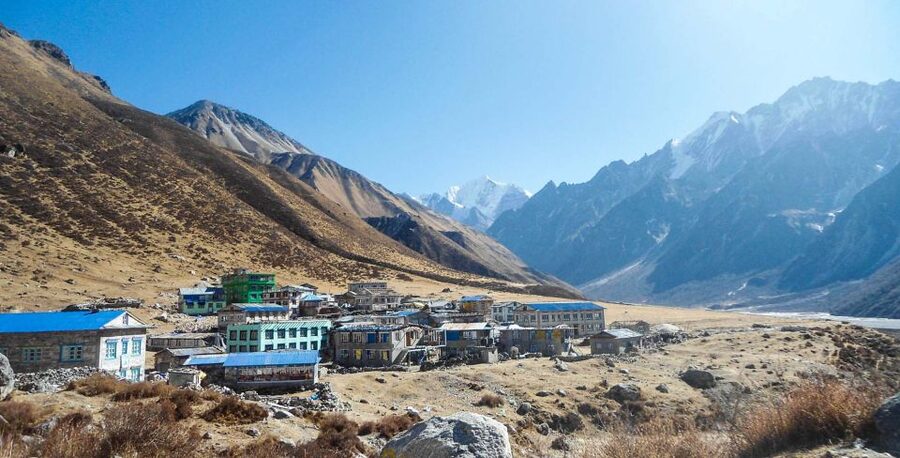
Your trek starts with a drive from Kathmandu to Syabrubesi, around 1,550m. This isn’t a “sit and sleep” transfer. The road and the passing villages are part of the transition into trekking mode, and you’ll arrive ready to get moving rather than still mentally stuck in the city.
Syabrubesi works as a proper staging village. It’s not just a random stop—it’s your first day of Langtang region rhythm. You’ll sleep at Syabrubesi before the trail day begins, and that’s useful if you want a calmer start rather than sprinting into higher terrain the moment you arrive.
Practical note: the trek includes transport from Kathmandu to the trailhead and back, plus hotel accommodation in Kathmandu typically for one or two nights before and after. That’s good for reducing “what now?” stress.
Day 2 to Lama Hotel: forests, suspension bridges, and river crossings
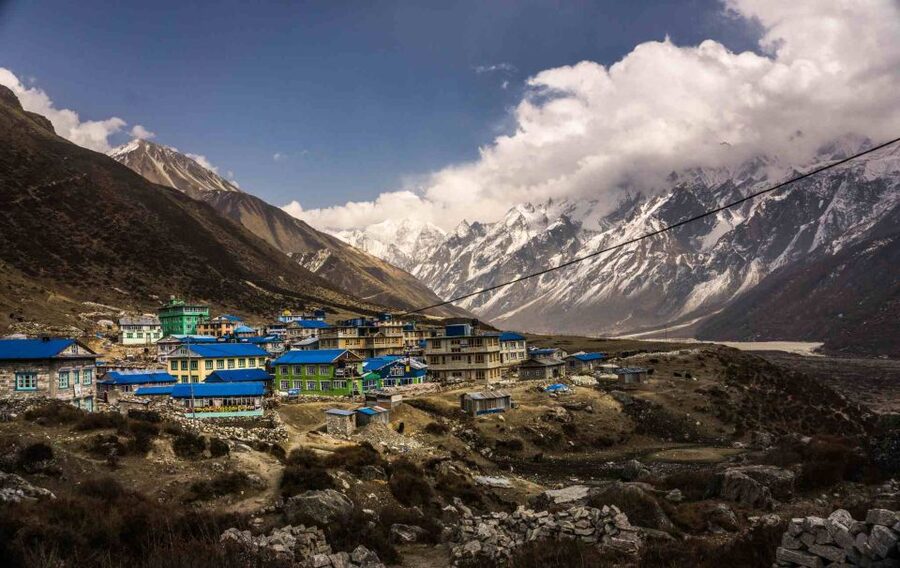
Day 2 takes you from Syabrubesi to Lama Hotel at about 2,380m. The hike follows lush forest scenery and repeatedly reminds you that this valley is a working landscape, not a postcard.
You’ll cross suspension bridges and keep an eye on the Langtang River. That river presence is helpful for planning because it signals your direction and gives you a steady sense of progress even when the day feels long. The trail day ends at Lama Hotel, a named stop that feels like a real checkpoint: somewhere you can settle, hydrate, and reset for the next ascent.
This is also where the “real trekking day” mindset starts. The pace doesn’t need to be fast, but you do need consistent steps. Even if your legs feel okay on Day 2, you’ll likely feel the cumulative climbing later.
Day 3 to Langtang Village: rhododendron and oak climbing with community stops
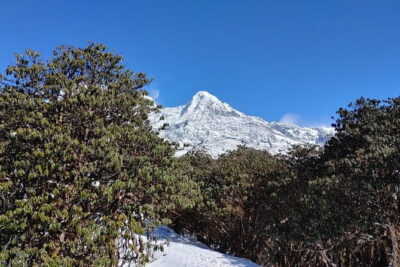
On Day 3 you hike from Lama Hotel (around 2,380m) up toward Langtang Village at roughly 3,430m. Expect a gradual ascent through rhododendron and oak forest as the valley gets steeper and the air gets thinner.
This day has two benefits. First, the forest travel gives your breathing time to adjust while still gaining altitude. Second, the village approach brings in the human side of the trek. You’ll pass through the orbit of Tamang community life, and that matters because the experience isn’t only about views—it’s also about how people live where the mountains dominate daily life.
Mountain views start showing up more frequently here, and they’ll keep pulling your attention. Just don’t let the views trick you into overstepping your limits. If you’re aiming for a long-term finish, the best “strategy” is steady breathing and relaxed legs.
Days 4 and 5 to Kyanjin Gompa: monastery views and altitude that actually gets planned
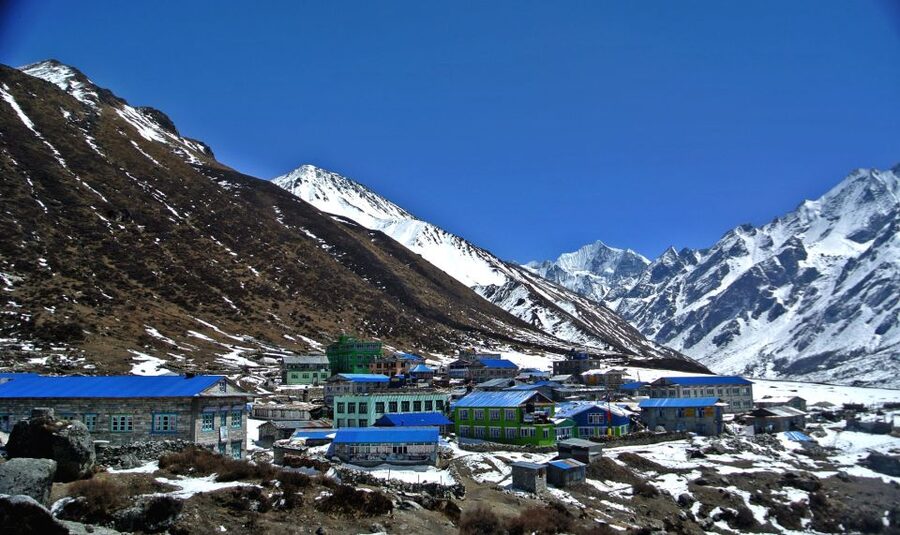
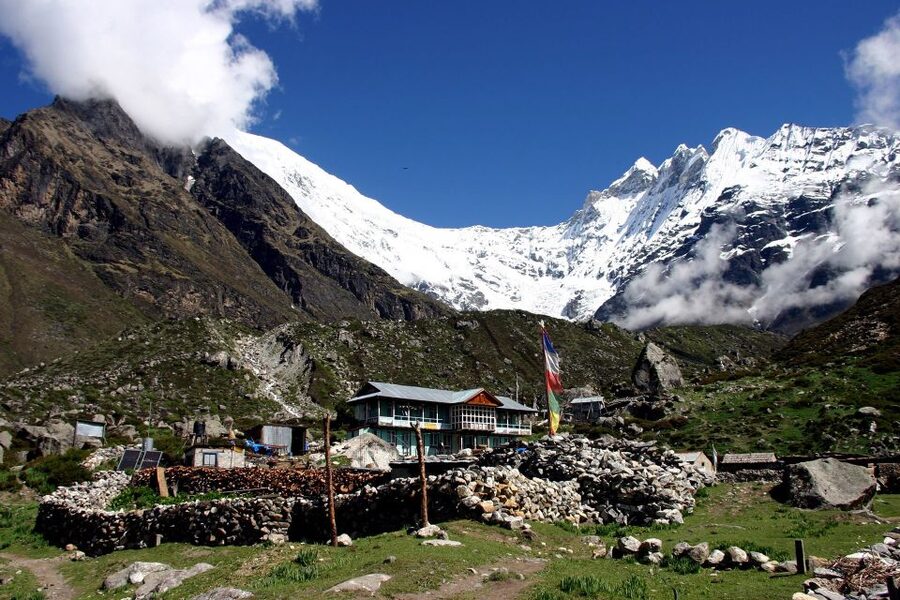
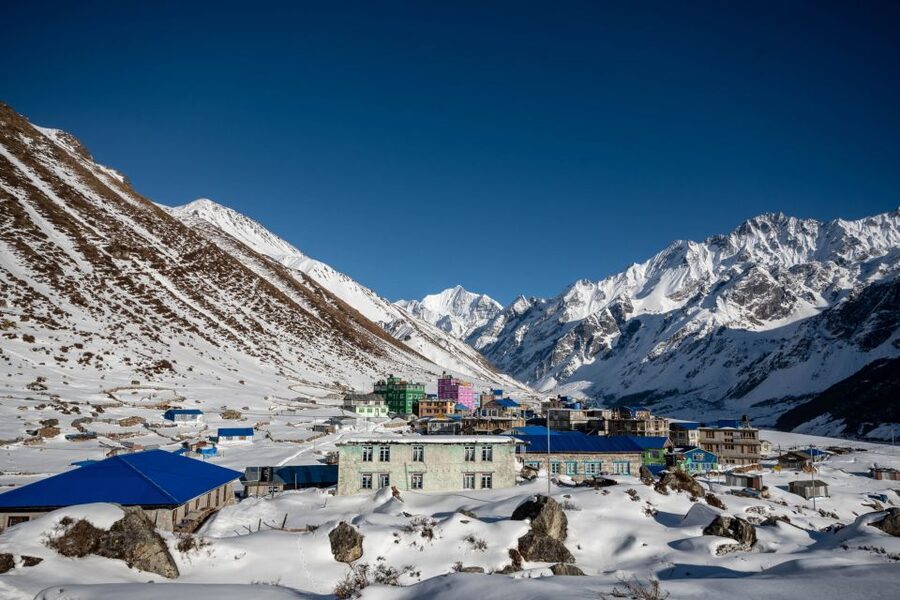
Day 4 is your push to Kyanjin Gompa at about 3,870m. The trail moves through yak pastures and past glacial streams, which adds a different texture underfoot. It’s not the same as lower-forest hiking. Your eyes stay busy, your body works harder, and the air feels sharper.
Once you reach Kyanjin Gompa, you’re in the zone where the valley’s identity comes through. The monastery visit is a core part of the experience, and the views dominate the moment. You’re looking toward Langtang Lirung and other major peaks, with the monastery setting giving you a clear sense of place and purpose.
Then comes the best part of the itinerary design: Day 5 is your acclimatization day. You’re already at high altitude, so this day isn’t about “rushing to more views.” It’s about adapting—usually through short hikes and low-pressure exploration. Options include short climbs like Kyanjin Ri or Tserko Ri for big panoramas, or exploring the local cheese factory instead.
A practical way to think about Kyanjin Gompa: this is where you decide whether you’re trekking efficiently or merely trekking. If you take it easy on the acclimatization day, you’ll usually feel better for the return descent.
The return: Lama Hotel and Syabrubesi, plus a well-earned reset
Day 6 takes you back down from Kyanjin Gompa to Lama Hotel. Descents are easier for the lungs but tougher for the knees, so plan for slow, careful steps. Retracing your route is comforting: you already know the terrain rhythm, and you’ll be able to judge how your legs are doing without surprise.
Day 7 continues the descent toward Syabrubesi and then moves into the drive back to Kathmandu. This is where your week becomes a blur of “one more checkpoint,” because you’re close to the end. By the time you’re back at Syabrubesi, you’ll have that post-trek feeling: tired, satisfied, and mentally switching back from mountain mode to city planning.
Price and logistics: what $450 gets you (and what it doesn’t)
The listed price is $450 per person for the 7-day trek. What you’re getting includes the big-ticket basics: trekking permits (Langtang National Park and TIMS card), a licensed experienced English guide, teahouse lodge accommodation during the trek, transport between Kathmandu and the start/end point, and hotel accommodation in Kathmandu before and after. There’s also a basic first aid kit included.
You can also choose porter service to carry your main backpack, which is often the difference between enjoying the hike and constantly fighting fatigue.
What’s not included is meals. You’ll buy meals along the way, roughly around Npr 2,500 per person per day. That can add a meaningful chunk to your total budget, especially since trekking food tends to be higher-cost than local street food.
Balanced value check: $450 is competitive when it truly includes permits, guide, transport, and private support. But if your itinerary gets shortened or your lodge assignments aren’t great, the value can drop fast. So I’d treat this as a trek where schedule clarity and lodge quality matter as much as the headline price.
Your guide and the private-group advantage
This is a private group setup with a live English-speaking guide. That matters because altitude and pacing are personal. If you’re fast, the wrong group can pressure you. If you’re slower, you can feel stressed when others want to move on. A private guide removes that mismatch.
I also like that the guide is positioned as more than a sign-walker. On the best-run versions of this trek, your guide handles route confidence, timing, and practical decisions so you spend your energy on walking and enjoying the scenery.
There’s a real-world caution to keep in mind too. One serious complaint that shows up with some trekking operators is inaccurate trip information and poor coordination that leads to time pressure. If you have a flight to catch, your biggest win comes from confirming the schedule early and building in a buffer where possible.
Teahouse lodges: comfy enough, but check expectations early
This trek uses teahouse lodges for your overnight stays on the trail. That usually means simple rooms, basic meals, and a warm enough social atmosphere to make evenings pleasant. You’re not booking a hotel experience; you’re booking a functioning trail system.
The itinerary ends at Lama Hotel and uses teahouse stops along the route, so your sleeping pattern will feel consistent. Still, the quality of those lodges can vary. I’d keep your standards realistic, but also ask what kind of facilities you can expect, especially for the nights that count most to you.
Also remember: you’ll climb hundreds of steps across the week. Lodges help you recover, but they won’t magically undo knee fatigue. Packing smart for rest matters more than you might think.
Difficulty level: altitude, ascent, and who should think twice
This trek is challenging. One helpful benchmark from a past solo experience is expecting around 1,200m of ascent per day over roughly 15km and about eight hours of uphill trekking. That gives you a sense of effort more than vague words like moderate or strenuous.
You’ll be at altitudes from about 1,550m up to about 3,870m. The acclimatization day helps, but it doesn’t change the reality that oxygen is thinner higher up and your body has to work.
It’s also not the right fit for everyone. This trek isn’t suitable for pregnant women, people with mobility impairments, wheelchair users, or people with back problems. The steps are a big factor, and even a strong trail day can become painful if you can’t comfortably manage repeated stair climbing.
If you’re unsure, the best move is to assess your current ability to handle hours of steady walking on uneven ground, plus stair steps at altitude.
Packing rules and trail reality: what to bring (and what to avoid)
Know your constraints before you reach the trail:
- Oversize luggage is not allowed, so plan lightweight and tight packing.
- Drones are not allowed.
- You’ll need a passport-sized photo and a passport or ID card copy for trekking processes tied to permits.
There’s no magical packing list in the data, but the practical takeaway is simple: keep your main load manageable, because you’ll be carrying gear and climbing for days. If you’re using the porter option, you can reduce your personal carrying burden significantly.
Also, bring gear you can handle in cool mountain air. Even if your days are sunny, your evenings at altitude can feel colder than you expect, especially in a place where glacial streams and open terrain are part of the route.
Common hiccups to plan for: timing, meals, and lodge quality
A few things can affect how smooth the week feels.
First is timing. The trek includes transport back to Kathmandu at the end, so if your flight timing is tight, you can end up with pressure at the last minute. I’d treat flight days as something to plan around early, not something to solve on the fly.
Second is meals. Since meals are not included, you’ll be making daily choices on the trail. That means budgeting ahead and expecting your food costs to add up.
Third is lodge assignments and condition. The included accommodation is teahouse-based, but standards can vary. If you care about room quality or cleanliness, ask questions early and don’t assume every lodge will feel the same.
These are fixable problems with the right approach, but they’re worth addressing before you go.
Should you book this Kathmandu 7-day Langtang Valley trek?
Book it if you want a classic Langtang route with a strong structure: a progressive ascent, a thoughtful acclimatization day at Kyanjin Gompa, and a private guide setup that can match your pace. You’ll likely love the peak views, the monastery stop, and the sense of stepping through Tamang country rather than just passing scenery.
Skip it—or at least think hard—if you’re not comfortable with sustained climbing, stair-heavy hiking, or altitude. Also be cautious if you’re the type who needs perfect coordination with flights and lodging standards. This is a trek where small schedule mismatches can snowball.
If you go, go prepared for effort. When you treat the day-by-day climbing seriously and take acclimatization seriously, this trek can turn into a week you still remember when you’re back in city life.
FAQ
What is the duration of the Langtang Valley trek?
The trek runs for 7 days.
What trail high points does the itinerary reach?
The trek starts around 1,550m in Syabrubesi and reaches about 3,870m at Kyanjin Gompa. Kyanjin Gompa is also where you take your acclimatization day.
Is there an acclimatization day?
Yes. Day 5 is an acclimatization day at Kyanjin Gompa, with options for short hikes like Kyanjin Ri or Tserko Ri, or other activities such as visiting a cheese factory.
What permits are included?
The package includes trekking permits for Langtang National Park and a TIMS card (Trekkers’ Information Management System).
Are meals included in the trek price?
No. Meals are not included, and you can purchase meals separately on the trek.
What kind of accommodation will I have?
You’ll stay in teahouse lodges during the trek. You’ll also have hotel accommodation in Kathmandu before and after the trek, typically one or two nights.
Do I need a guide?
Yes. The experience includes an experienced, licensed trekking guide who leads you during the hike.
Can I hire a porter?
Porter service is available as an option so you can have your main backpack carried.
What do I need to bring for the trek?
You’ll need a passport-sized photo and a passport or ID card copy.
Is the trek suitable for everyone?
No. It is not suitable for pregnant women, people with mobility impairments, wheelchair users, or people with back problems. It also involves climbing hundreds of steps.