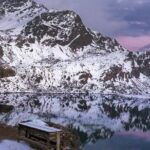
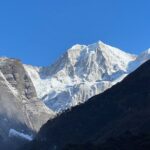
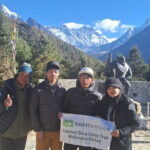
Quiet trails. Huge mountains.
The Manaslu Circuit trek with Tsum Valley takes you off Nepal’s busiest trekking lanes while still stacking the views with Manaslu, Himalchuli, and more. You’ll hike with a guide along the Budhi Gandaki River, cross the big test at Larke La, and drop into quieter villages where chortens, mani walls, and monasteries feel like part of daily life.
I like how the logistics are handled for you: permits, guides, porters, overland transport, and all trekking meals are included, so you can focus on the climb. The support is real too; guide teams I’ve heard about include people like Pasang and Indra Baram, plus porters such as Padham Gurung, and that matters when altitude and navigation get serious. One thing to consider: this route is demanding (especially Larke La), and the listing has a timing mismatch you should clarify—summary says about 14 days, while the program name reads 25 days—so confirm the exact trip length before you pay.
In This Review
- Key highlights worth caring about
- Why Manaslu Feels Quieter Than the Usual Nepal Trek
- Route Overview: Kathmandu, Tsum Valley, and the Budhi Gandaki River
- Guides and Porters: Licensed Support and the 1:2 Team Model
- Teahouses, Tatopani Hot Springs, and Your Daily Pace
- Larke La Pass at 5,420 m: The Day to Prepare For
- Views and Culture: Manaslu, Himalchuli, Mani Walls, and Monasteries
- Price and Value of the $1,250 Package
- Who This Trek Suits (and What to Watch For)
- Should You Book This Manaslu Circuit with Tsum Valley?
- FAQ
- How long is the Manaslu Circuit Trek with Tsum Valley?
- What’s the highest point on the trek?
- What’s included in the price, and what costs extra?
- Do I need a guide, or can I go independently?
- How are meals handled on the trek?
- Where will we stay overnight during the trek?
- How many people are in the group, and how does porter support work?
- Is insurance included?
- What if the trip is cancelled due to weather, or I cancel close to departure?
Key highlights worth caring about
- Less-crowded trekking while still hitting the high-pass drama of Larke La at 5,420 m
- Budhi Gandaki River walking that keeps the pace human on trek days
- Tatopani hot springs for a much-needed reset after long hiking stretches
- Tea house comfort, not camping stress with included trekking meals
- Culture on foot in the Tsum Valley with mani walls, chortens, and monasteries
- Small group cap (16) plus porter support (1 porter for 2 people)
Why Manaslu Feels Quieter Than the Usual Nepal Trek
Manaslu sits in that sweet spot where you get the full Himalaya feeling without feeling like you’re hiking through a travel-agency showroom. On this circuit, the trek is designed to follow a classic rhythm: walk days with big mountain payoff, then slower evenings in tea houses where you can actually rest and plan tomorrow.
If you’re craving authenticity, the cultural pieces matter here. You’re not just passing through; you’re moving through places tied to ethnic communities like Gurung, Magar, and Sherpa, and you’ll see spiritual waypoints such as chortens and mani walls. Those details help explain why people keep coming back to this region.
The altitude reality check is also real. This isn’t a stroll. You’re crossing a high pass—Larke La (5,420 m)—and you’ll want to be ready for cold mornings and longer days. If you’ve never done a high-pass trek, I’d treat this like a training plan, not a casual weekend idea.
You can also read our reviews of more tours and experiences in Kathmandu.
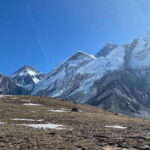
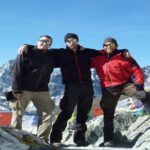
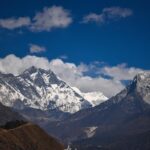
Route Overview: Kathmandu, Tsum Valley, and the Budhi Gandaki River
Most trips start in Kathmandu, with an airport pickup/drop and half-day sightseeing included. You’ll also sleep in a 3-star hotel in Kathmandu before you head for the mountains. It’s a helpful buffer: you get your bearings and a decent night’s sleep before trekking life takes over.
Then the journey shifts to the trek itself. The route follows the Budhi Gandaki River for long, steady stretches. This river-walking style is one reason the circuit can feel more manageable than some other Himalayan routes—your day-to-day movement is supported by a natural corridor instead of constant steep fight after steep fight.
Tsum Valley adds a quieter, culture-forward element. You’ll explore monasteries and the visual language of the region—mani walls and chortens—while also getting the human scale of small communities. Some versions of the broader trip can also touch areas like Narphu and even connect toward Manang, so you may see the feel of different valleys rather than repeating the same scenery all the way through.
In the middle of the trek, you’ll reach Tatopani, where hot spring baths give your legs a serious break. For me, that kind of stop is not a luxury; it’s part of why you can keep moving later.
Guides and Porters: Licensed Support and the 1:2 Team Model
The single biggest “make or break” factor on a trek like this is knowing you won’t be improvising your way through altitude, weather, and route finding. This trip includes a professional trekking guide with a government license plus porters.
Porter support is set at 1 porter for 2 people, which is a practical compromise. You still carry some essentials, but you’re not dragging a heavy pack up high passes and cold trails all day. That matters for energy management, especially if you’re coming from flatland life.
The guide part is also about confidence. On high passes, a competent guide helps you keep pace, choose timing, and manage conditions. Names that have come up in past groups include Santosh, Raj, and Ram—along with multi-day support teams coordinated by the operator’s leadership. You don’t need to memorize guide names, but you do need to know you’re working with people who’ve been doing this long enough to stay calm when the trail turns harsh.
One smart practical tip you’ll appreciate: don’t rush the first days. There’s a pacing theme that comes up again and again—starting too fast early can cost you later, especially if your walking time is running long in the beginning. I’d copy that advice: start slower than you think, then settle into a rhythm.
Teahouses, Tatopani Hot Springs, and Your Daily Pace
On this trek, you’ll stay in teahouses—meaning you’re dealing with simple rooms, meals in common areas, and warm-ish communal life rather than camping logistics. The tour also includes all meals during trekking and tea house accommodation, which removes a lot of uncertainty.
Tea houses are also where you get real feedback from the trail environment: weather shifts, how far you walked today, and what conditions might look like tomorrow. Don’t overthink it. Just keep your basics consistent—layers, hydration, and snacks for the long stretches.
Tatopani is one of the best mid-trek morale boosts on the itinerary. The included hot spring baths give your body a recovery window when you need it most. It’s also a mental reset. After days of cold air and steady walking, warm water is like a soft landing for your system.
Food-wise, it’s not listed in detail, but because the trek meals are included, you can plan without juggling every meal purchase during hiking days. What you should plan on paying yourself: lunch and dinner in Kathmandu and Pokhara, plus all drinks (soft and hard). That’s a common pattern in Nepal trekking packages, and it’s worth budgeting from day one so money doesn’t become a late-stage stressor.
Larke La Pass at 5,420 m: The Day to Prepare For
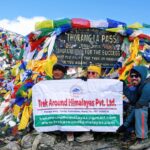
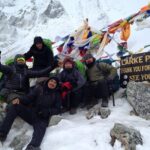
Larke La is the moment this trek earns its reputation. The itinerary is built around crossing one of the most dramatic high passes, and you should assume the hardest part will be physical effort plus cold and low oxygen.
At 5,420 m, the pass is where pace discipline matters. Plan for slower steps, shorter breathing pauses, and a focus on steady movement rather than speed. If you’re tempted to sprint early, don’t. High-altitude trekking punishes that kind of confidence.
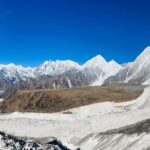
This is also the day when the views reward you the most. The route is set up to give panoramic mountain range views from the Larke La area, and that includes classic stars like Manaslu and surrounding peaks such as Himalchuli. You’ll also hike over the Larke La viewpoint itself, so the day isn’t just about reaching a point on a map—it’s about standing there long enough to actually absorb what you worked for.
What you can do to help yourself: keep layers ready for wind and cold, eat on schedule rather than only when you feel hungry, and follow your guide’s timing. Even small pacing corrections can be the difference between feeling okay at the pass and feeling wrecked.
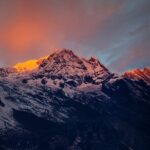
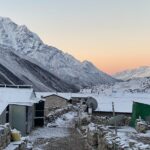
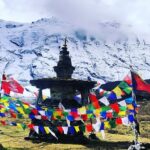
Views and Culture: Manaslu, Himalchuli, Mani Walls, and Monasteries
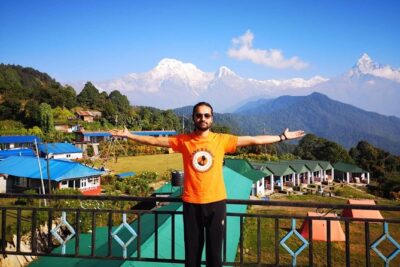
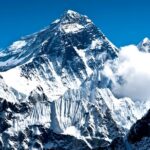
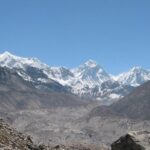
This trek delivers the kind of mountain list that makes your camera roll start sweating. You’ll see major peaks including Manaslu (8,156 m), Himalchuli (7,893 m), Sarangi Himal (7,161 m), and Ganesh Himala II (7,118 m), plus other nearby summits depending on the angle of the day.
But the real value isn’t only in the names. It’s in the way those views appear across different trail segments—river valleys, village approaches, pass mornings, and high viewpoints. You keep getting fresh frames rather than one big look-and-leave moment.
Culture is woven into the route too. You’ll explore chortens, mani walls, and monasteries, and you’ll spend time walking through ethnic communities like Gurung, Magar, and Sherpa. In practical terms, that means your route feels alive beyond scenery. It’s not just rocks and snow; it’s people and places with meaning.
If you’re hoping for iconic photos, bring patience. The best angles often need time: a pause for the weather to clear, a stop for light to shift, and a willingness to stand a little longer than you thought. That’s especially true around viewpoints connected to Larke La.
Price and Value of the $1,250 Package
At $1,250 per person, the value depends on what you’d otherwise have to organize yourself. This package includes a lot of the stuff that usually makes treks expensive when you DIY: trekking permits, guides, porters, overland transport, and rescue help.
It also includes:
- Airport pickup and drop
- Kathmandu accommodation (3-star hotel)
- Half-day Kathmandu sightseeing with transportation
- All meals during trekking and tea house accommodation
- Insurance for guides and porters
- Necessary trekking permits
- Mobile ticket and pickup offered
What’s not included is equally important:
- Lunch and dinner in Kathmandu and Pokhara
- All drinks (soft and hard)
- Personal travel insurance
- Monument fees only at Kathmandu
For most hikers, the biggest hidden cost when traveling independently is planning and risk management—permits, route safety, and the guide/porter team. Here, those pieces are built in, and that’s why this can be described as an economical group trek. With a maximum of 16 travelers, you also get a balance between social energy and not feeling swallowed by a crowd.
If you’re deciding whether it’s worth it, I’d compare it to the total cost of: licensed guide time, permit handling, porter support, tea house logistics, and local transport. This price is competitive mainly because you’re not paying extra to patch together those pieces.
Who This Trek Suits (and What to Watch For)
This trek is designed for active travelers with moderate fitness, but “moderate” doesn’t mean easy. The pass crossing makes the altitude element non-negotiable, and the walking days add up.
I’d particularly recommend this for you if:
- You want big Himalayan views without the busiest trail crowds
- You prefer teahouses over full camping logistics
- You want a guided setup that reduces navigation stress
- You like mixing mountains with real village culture (Tsum Valley is a strong fit here)
You might want to think twice if:
- You don’t handle cold mornings well
- You get discouraged by long hiking days
- You’re not comfortable managing your own pace during altitude climbs
Age isn’t the only factor—how you train and how you listen to your body matters. Past groups in this region have included older hikers who finished successfully, which is encouraging, but they still had to pace and adapt.
The practical advice I’d give you: treat the first days as preparation. If you start too fast, you’ll feel it later. Let your guide set the tempo, carry a smart kit, and keep your plan simple.
Should You Book This Manaslu Circuit with Tsum Valley?
Book it if your dream trip is high mountains plus a quieter route, with built-in support so you can focus on walking and soaking up the culture. The included permits, guide, porters, teahouse stays, and trekking meals make it feel like a “less to manage, more to experience” kind of trek.
Hold off and confirm details if you care about exact timing. The summary lists about 14 days, while the program name points to 25 days, so make sure you understand your real start-to-finish plan. Also, ask how the Kathmandu and travel segments line up with your physical goals, especially if you’re sensitive to long travel days.
If you’re ready for the big pass and you want the kind of Nepal trip that feels like a real journey, this is a strong pick.
FAQ
How long is the Manaslu Circuit Trek with Tsum Valley?
The duration is listed as approximately 14 days. The experience name also refers to 25 days, so you should confirm the exact total for your departure date.
What’s the highest point on the trek?
The trek includes crossing Larke La Pass, listed at 5,420 m.
What’s included in the price, and what costs extra?
Included: airport pickup and drop, Kathmandu hotel (3-star), half-day Kathmandu sightseeing with transportation, guide and porters, all trekking meals, tea house accommodation during the trek, necessary trekking permits, and insurance for guides and porters, plus local taxes. Not included: lunch and dinner in Kathmandu and Pokhara, drinks, personal travel insurance, and monument fees only at Kathmandu.
Do I need a guide, or can I go independently?
This experience includes a professional trekking guide with a government license. It’s designed to reduce the risk of getting lost and to keep you on the correct route.
How are meals handled on the trek?
All meals during the trekking portion are included, and you’ll eat in tea houses along the way. Lunch and dinner in Kathmandu and Pokhara are not included.
Where will we stay overnight during the trek?
You’ll stay in teahouses during the trek and in a hotel in Kathmandu.
How many people are in the group, and how does porter support work?
The group has a maximum of 16 travelers. Porter support is 1 porter for 2 people.
Is insurance included?
Insurance for guides and porters is included. Personal travel insurance is not included, and rescue help in an emergency is noted as being covered by the guest insurance.
What if the trip is cancelled due to weather, or I cancel close to departure?
The experience requires good weather, and if it’s cancelled due to poor weather you’ll be offered a different date or a full refund. If you cancel less than 24 hours before the experience start time, you won’t get a refund.