REVIEW · KATHMANDU
Poon Hill Trek package
Book on Viator →Operated by Nepal Hiking Adventure Company - Private Day Tours · Bookable on Viator
Sunrise over the Himalaya is the whole point. This Poon Hill Trek stitches together Kathmandu-to-Pokhara travel and an easygoing route through Ulleri and Ghorepani, ending with big views from Poon Hill and village walks in Ghandruk.
I especially like how you get a practical start at Birethanti with help sorting the Annapurna area permit, then you move right onto the trail. I also like the small group feel—up to 8 travelers—which keeps the hikes friendly and the schedule manageable.
The only real catch is weather: the “wow” sunrise depends on clear skies, and the Poon Hill morning starts early. If clouds roll in, you’ll still hike gorgeous countryside, but the peak views may be muted.
In This Review
- Key things I’d pay attention to
- Why Poon Hill Still Delivers the Goods
- Price and logistics: what $405 gets you (and what doesn’t)
- Day 1: Kathmandu meeting point to Pokhara Lakeside (6–8 hour drive)
- Day 2: Birethanti checkpoint to Ulleri via Hile (permit + first uphill day)
- Day 3: Ghorepani via rhododendron forest (the trail gets prettier)
- Day 4: Poon Hill sunrise, then downhill to Ghandruk (views + village routine)
- Day 5: Ghandruk down to Syauli Bazzar and back to Birethanti, then Pokhara
- Guides on this trek: why the names you hear matter
- Packing and pacing: the “easy trek” checklist you should still respect
- Who this Poon Hill trek is best for
- Should you book the Poon Hill Trek package?
- FAQ
- How long is the Poon Hill Trek package?
- Where does the experience start and end?
- How do you get from Kathmandu to Pokhara?
- What is included in the price?
- What is not included?
- What is the group size limit?
- Is this trek suitable for most people?
- What is the main highlight of the trek?
- What’s the weather and cancellation approach?
Key things I’d pay attention to
- Sunrise timing at Poon Hill: plan for an early start, not a leisurely morning.
- Permit help at Birethanti: less stress when entering the Annapurna Conservation Area area.
- Rhododendron forest hiking: you’re not just walking between viewpoints; the path changes.
- Ghandruk village time: you get culture and simple village routines, not only viewpoints.
- Meals are largely covered: dinners, lunches, and breakfasts are included during the trek days.
- Small group limit (max 8): easier pacing and less waiting on narrow trails.
Why Poon Hill Still Delivers the Goods
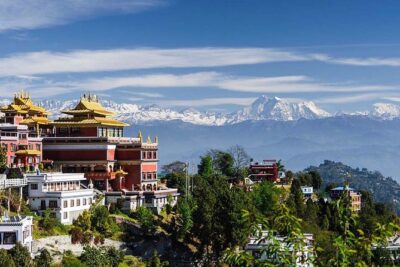
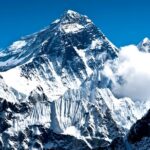
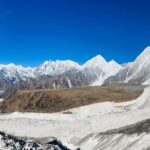
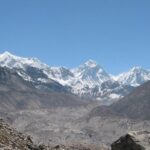
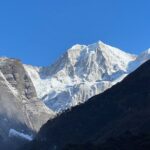
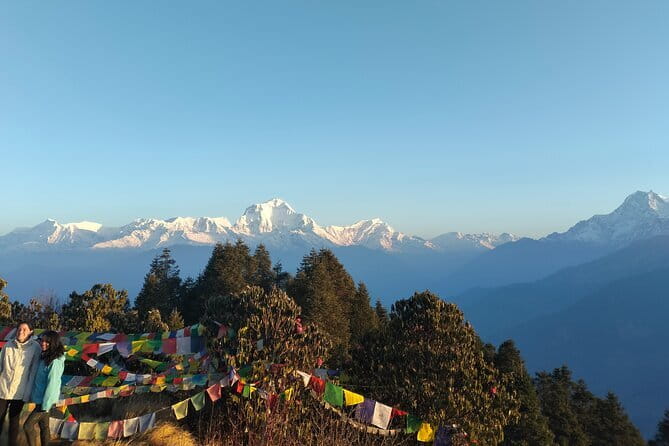
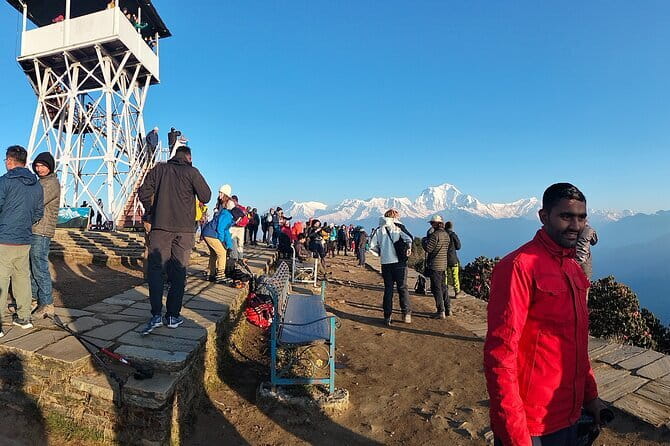
Poon Hill is famous for a reason: it gives you a front-row view at sunrise without the heavy, high-altitude commitment of longer treks. On clear mornings, you’re looking across major ranges—especially the Annapurna region—with the kind of light that makes snowlines pop and ridges look sculpted.
This trek also makes sense for real vacation time. You’re not spending weeks on logistics, yet you still get multiple nights on the trail route. The route links trekking days with village life in places like Ulleri, Ghorepani, and Ghandruk—so you get both scenery and everyday mountain culture.
And because the overall difficulty is described as easy for people with normal fitness, you don’t need to be an ultra-hiker to enjoy it. You do need to be ready for uphill walking and an early morning climb, but you’re not signing up for technical terrain.
You can also read our reviews of more tours and experiences in Kathmandu.
Price and logistics: what $405 gets you (and what doesn’t)
At $405, you’re paying for a package that’s mostly built around “doing the hard parts for you.” The price includes transport to and from the trek start and end points, fees and taxes, a trekking guide, and accommodations for 3 nights during the trek. You also get 1 night in Pokhara on a bed-and-breakfast plan.
Food coverage is a big value point. The package includes 4 breakfasts, 4 lunches, and 3 dinners, so you can plan your budget around the included meals rather than guessing daily costs. For many trekkers, meal predictability matters as much as the view.
It’s not totally all-inclusive, though. Drinks and beverages during the trek aren’t included, and you’ll have personal expenses on your own. Tips for your guide (and potters, if used) are also not included—these are typically expected in trekking situations.
One more practical note: the experience mentions group discounts and a mobile ticket. That usually translates to less paperwork stress and more straightforward check-in compared with older-style paper voucher systems.
Day 1: Kathmandu meeting point to Pokhara Lakeside (6–8 hour drive)
Day 1 is about getting you set up fast. You meet at the Nepal Hiking Adventure Company office near Thamel in Kathmandu, then head toward the bus park for the drive to Pokhara. The road time is listed at 6–8 hours, and you’ll overnight in Pokhara.
Pokhara matters because it’s where the trek actually starts to feel real. You’ll likely have a calmer evening than in Kathmandu, plus you can use the night to sleep, pack lightly for the next days, and mentally switch from city mode to trail mode.
If you’re prone to travel-day stiffness, I’d plan for an easy evening and some stretching. Your body will feel it more the next morning, especially because the rest of the trek includes a gradual sequence of climbs and descents.
Day 2: Birethanti checkpoint to Ulleri via Hile (permit + first uphill day)
On Day 2, you meet the team at Pokhara Lakeside, then drive to Birethanti. The stop here is more than scenic. Birethanti is described as a checkpoint for the Annapurna Conservation Area, and you check in your permit before you start trekking.
Then the hike begins: you trek to Ulleri through Hile. You also get a short lunch break at Hile and continue uphill toward Ulleri. The schedule for this day is listed at about 2 hours to the permit-and-start phase and 5 hours trekking time for the main walking segment.
This is the day where the trek’s “easy” difficulty becomes real in your legs. It’s not technical, but it is uphill walking, which means a steady pace beats pushing. I like this structure because it lets you warm up without exhausting yourself before the bigger view day.
Day 3: Ghorepani via rhododendron forest (the trail gets prettier)
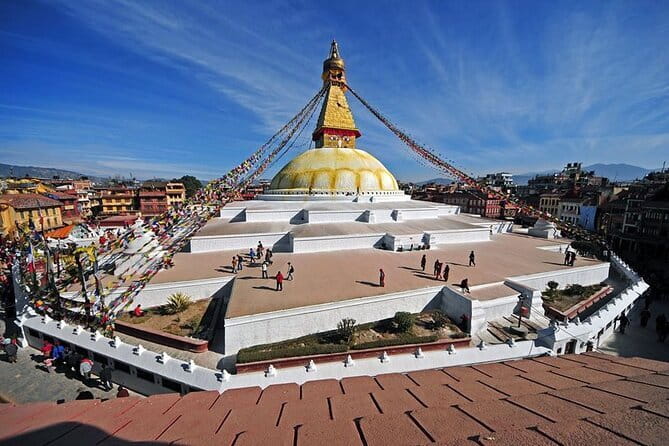
Day 3 starts early with breakfast at your Pokhara lodging, then you head out to Ghorepani. The route is described as going through rhododendron forest, and you’ll reach Ghorepani after about 5 hours of trekking.
This is a key day because forests make time feel different. When the path is surrounded by trees, you’re not just staring at distant peaks; you’re walking through changing shade, air, and small scenery details. That helps on days when you’re measuring effort in hours rather than minutes.
Ghorepani also sets you up for Day 4. You’re in the right area to access Poon Hill for sunrise, and you’ll likely feel the shift from “walk days” to “view day” as bedtime comes around.
Day 4: Poon Hill sunrise, then downhill to Ghandruk (views + village routine)
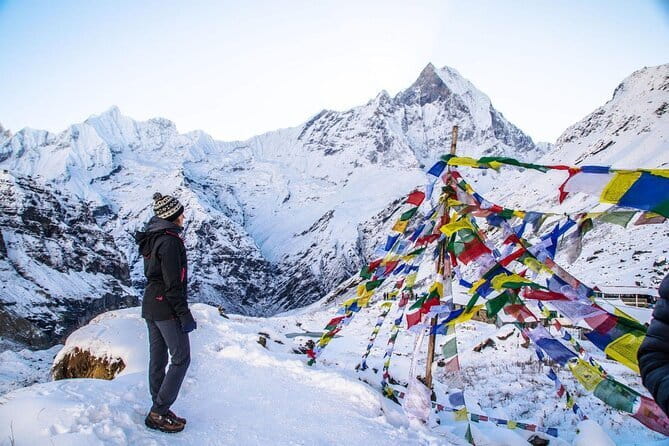
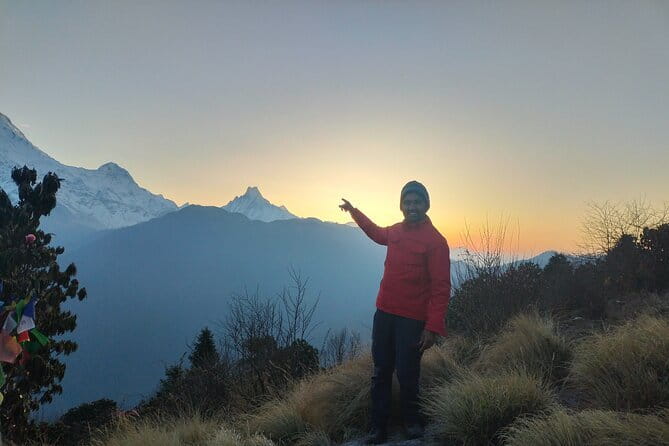
Day 4 is the centerpiece day. Early in the morning, you hike to Poon Hill specifically for sunrise, then you explore more mountain views from the viewpoint. After that, you return to the hotel, have breakfast, and continue to Ghandruk.
The trek schedule splits the day: about 2 hours associated with the Poon Hill morning segment, then roughly 6 hours walking time to Ghandruk after breakfast. Along the way, you’ll stop for lunch when you’re hungry.
This day is where the package design really shows. You’re not just doing a single viewpoint and calling it done. You get the sunrise moment—when the mountains can look dramatically different from other times of day—plus you end with a village destination.
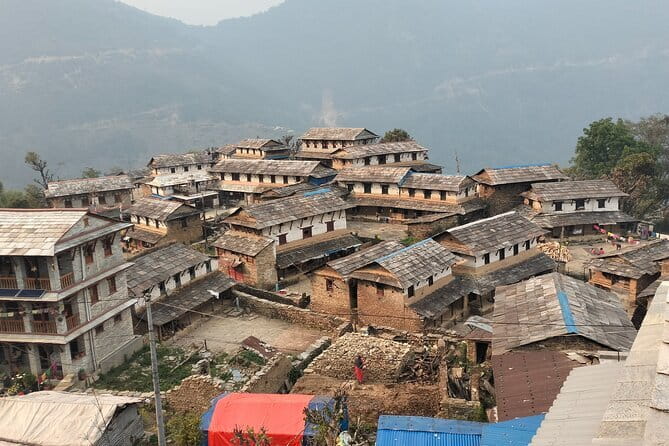
Ghandruk is especially worth paying attention to because village stays change the pace. Instead of constantly checking your footing or climbing, you’re walking through a more lived-in area and arriving somewhere that feels less like a staging camp. Even if you’re not a culture-focused traveler, it breaks up the repetition of trekking-only days.
One practical tip: pack for a cold early start at Poon Hill. Sunrise treks often feel colder than later daytime hikes, and the viewpoint return day can swing from chilly to comfortable pretty quickly.
Day 5: Ghandruk down to Syauli Bazzar and back to Birethanti, then Pokhara
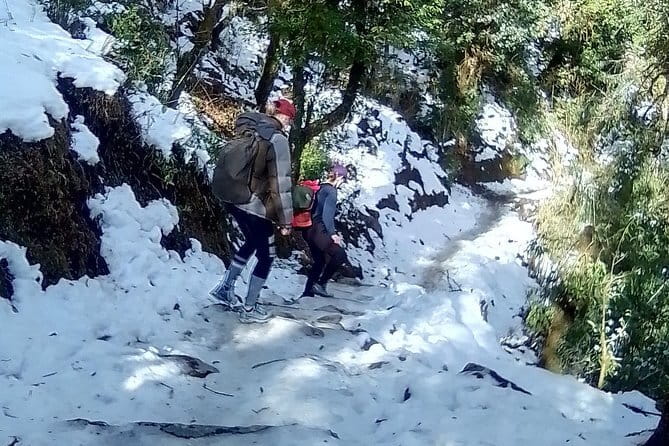
Your final trekking day starts with breakfast and a trek from Ghandruk. You walk downhill toward Syauli Bazzar, then continue on an easier path back to Birethanti, where the trek ends. The schedule lists about 4 hours walking time for this segment.
After arriving back at Birethanti, you check out your permit, and then you drive back to Pokhara Lakeside. The ride back to Pokhara is about 2 hours, so you’re not stuck in “transport limbo” all day.
This downhill finish is a nice way to end. It’s easier on breathing than uphill days, but you’ll still want to protect your knees and lower legs. If you have trekking poles, using them on descents can help you feel less beat up by the time you reach Birethanti.
In Pokhara, you can finally shift back into normal travel rhythms—dinner, laundry, buying any last items, and just letting your body cool down after consecutive hiking days.
Guides on this trek: why the names you hear matter
This package is built around an experience trekking guide, and the guide quality shows up in the details people praise. Names that come up in the supplied feedback include Bishnu, Ram, and Tilak, with multiple mentions of them being attentive, informative, and quick to respond to questions before and during the trip.
What that means for you in real life is simple: you’ll be less worried about timing and trail decisions. If you have questions about what you’re seeing—mountains, villages, or route steps—you’re more likely to get clear answers instead of vague ones.
It also matters when conditions shift. A trek can feel straightforward on paper, but the day-to-day reality is weather, crowds on the trail, and how your energy holds up. Guides who explain things and keep a calm pace can make the same hike feel much easier.
If you like a trip where someone helps you keep your head in the game, this style of guided trek fits well.
Packing and pacing: the “easy trek” checklist you should still respect
Even “easy difficulty” treks deserve smart prep. The route involves multiple days of walking, early mornings, and a mix of uphill and downhill segments. You’ll also spend nights in accommodations along the route, so pack for trekking comfort rather than city expectations.
Here’s what I’d focus on, based on how this trek is structured:
- Comfortable walking shoes for uneven mountain paths and descents to protect your feet and knees.
- Warm layers for the early Poon Hill sunrise hike, when temperatures can feel colder than you expect.
- A small daypack for the sunrise morning and viewpoint hike, so you’re not carrying too much.
- Cash for drinks and personal items, since drinks aren’t included and you’ll have your own spending needs.
- A realistic pace mindset: the goal is steady hiking, not sprinting for views.
Also, remember that the package includes meals, but beverages aren’t listed. That’s one of those budget surprises that happens to first-time trekkers—plan to pay for water and drinks separately.
Who this Poon Hill trek is best for
This trek suits you if you want the classic Himalayan “big mountain” experience without a long, hardcore itinerary. It’s also a great match if you like the idea of a short trek with a strong highlight: sunrise at Poon Hill, followed by village walking time in Ghandruk.
I’d especially recommend it to:
- First-time trekkers who want easy difficulty and clear guidance.
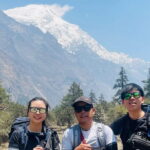
- Couples or small groups who prefer max 8 travelers rather than a huge crowd.
- Travelers who want a mix of views and culture, not just peak chasing.
If you’re looking for extreme challenge, very high altitude, or long trekking wilderness days, this probably won’t feel demanding enough. But if your goal is memorable scenery with a manageable schedule, it’s a very sensible choice.
Should you book the Poon Hill Trek package?
You should book if you want sunrise views with a guided, organized plan and meals mostly handled. The value is in what’s included: transport, permits and fees, a guide, 3 nights of trek accommodations, and structured meals (4 breakfasts, 4 lunches, 3 dinners). The small group limit (max 8) is also a practical quality-of-life upgrade on busy trails.
You might skip or switch dates if you’re very sensitive to weather risk, because the experience requires good weather for the main highlight. If you can be flexible and pack for cold early mornings, this is the kind of trek that gives you a lot of reward for the time you spend on the road and on the trail.
FAQ
How long is the Poon Hill Trek package?
The trek duration is listed as 5 days (approx.).
Where does the experience start and end?
It starts at Nepal Hiking Adventure Company near Z Street in Kathmandu and ends at Pokhara Lakeside.
How do you get from Kathmandu to Pokhara?
You take a tourist bus from Kathmandu to Pokhara, with the drive time listed at about 6–8 hours.
What is included in the price?
Transportation to and from the trek start/end points, all fees and taxes, a trekking guide, accommodations during the trek for 3 nights, 1 night accommodation in Pokhara on a BB plan, and meals (3 dinners, 4 lunches, 4 breakfasts) are included.
What is not included?
Drinks and beverages, personal expenses, and tips for guides/potters are not included.
What is the group size limit?
The experience has a maximum of 8 travelers.
Is this trek suitable for most people?
The information says most travelers can participate.
What is the main highlight of the trek?
The highlight is the sunrise (and associated views) from Poon Hill over the Annapurna and Dhaulagiri mountain ranges.
What’s the weather and cancellation approach?
The experience requires good weather. If it’s canceled due to poor weather, you’ll be offered a different date or a full refund, and free cancellation is available up to 24 hours in advance for a full refund.