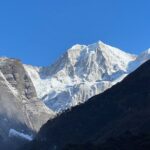
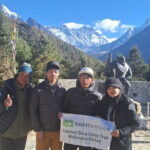
This trek starts with a quick jump to Lukla and ends with big mountain awe. The 12-day route covers the classic Everest Base Camp approach, with acclimatization built in around Namche and Dingboche, plus one of the best sunrise viewpoints in the Khumbu—Kala Patthar (5,545m).
I really like how the trip balances effort with timing. You get guided acclimatization (Namche and Dingboche), culture moments (Sherpa Museum, Khumjung, and Tengboche monastery), and a logistics package that includes the things that usually slow people down—domestic flights, permits, lodge stays, and a guide plus porter support.
One consideration: mountain weather can be a wildcard, and the longer days near base camp require stamina in thin air. Also, comfort is basic at altitude—hot showers aren’t included, and you’ll be living on tea-house routines for more than a week.
In This Review
- Key highlights
- Lukla to Everest: why this trek feels real from Day 2
- Kathmandu warm-up: transfers, hotel nights, and a welcome meal
- Day-by-day: the Khumbu route from Phakding to Namche
- Namche acclimatization plus Sherpa culture that actually changes your perspective
- Dingboche: extra time, wildlife sightings, and the step-up toward Lobuche
- Lobuche, Gorakshep, and Everest Base Camp: the long day you plan for early
- Kala Patthar at 5,545m: sunrise views and then the hard-earned downhill
- Tengboche monastery and the Hillary Suspension Bridge: the cultural return
- Lodges, meals, and the comfort reality at altitude
- Price and logistics value: what $1,800 covers (and what it doesn’t)
- Who should book this Everest Base Camp trek
- Should you book this Everest Base Camp trip?
- FAQ
- What’s the total duration of this trek?
- Is Lukla transportation included?
- Are permits included for the trekking areas?
- Do I get a guide and porter?
- Where do I stay during the trek?
- Are meals included?
- Do the Kathmandu nights include hotel and breakfast?
- Is a hot shower included on the trek?
- What’s the cancellation window for a full refund?
- Is service or support available in emergencies?
Key highlights
- Kala Patthar sunrise views at 5,545m, with Everest and the surrounding peaks in the early light
- Acclimatization in Namche and Dingboche using planned rest hikes and village time
- Sherpa culture stops that aren’t filler (Sherpa Museum, Khumjung, Hillary-linked school, Tengboche monastery)
- Private group trekking so the pace and needs of your party stay in focus
- Lodge-to-lodge mountain travel with meals, tea/coffee, and a porter setup (1 porter for 2 people)
- A responsive operator led by Rabin, with guides such as Dhansingh Gurung, Veer, Sushil, and Phaul appearing in past trek experiences
Lukla to Everest: why this trek feels real from Day 2
If you’ve only seen Everest on maps or screens, this is the version that earns your goosebumps. The whole experience starts with the short Lukla flight, then settles into the rhythm of the Khumbu: long valley walks, quick village encounters, and that steady rise toward altitude where every day starts with a decision to take it slow.
What makes this itinerary appealing for most people is the way it’s staged. You won’t just sprint uphill. You land at Phakding (around 2,652m), then reach Namche Bazaar where you actually have time to adjust. Later, Dingboche gets another acclimatization window before you push on toward higher camps. That structure matters because altitude punishes shortcuts.
You can also read our reviews of more tours and experiences in Kathmandu.
Kathmandu warm-up: transfers, hotel nights, and a welcome meal
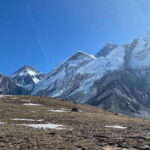
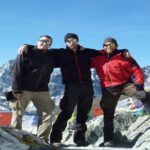
Your trip begins in Kathmandu with airport meet-and-transfer into the city. You’ll have 2 nights in Kathmandu at a standard hotel with breakfast, plus pickup and drop by private vehicle (the plan lists a private car/van/bus). There’s also a welcome dinner featuring Nepalese food, which is a great low-effort way to start adjusting to Nepal’s flavors before trekking meals take over.
What you’ll likely appreciate here is how little you need to think. Kathmandu can be chaotic on your own. With the transfer handled, you can focus on basics: hydration, getting good sleep, and sorting out anything you want from the city before the flight to Lukla.
Day-by-day: the Khumbu route from Phakding to Namche
The day after Lukla is classic Khumbu starter terrain. You trek through a large village area (the plan mentions Chourikharka), then follow the Dudhkoshi river corridor. The goal is to reach Phakding, and while it’s not a huge altitude jump, it’s enough to start feeling the hiking muscle load.
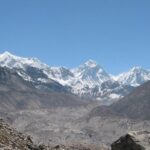
Then you move into Sagarmatha National Park territory and up toward Namche Bazaar. The plan includes passing the Sagarmatha National Park gate and the TIMS-style entry point, which is part of why your permits matter here. The trail follows the river, includes a major crossing near Namche (the plan describes a high bridge at the bottom of Namche), and—if conditions cooperate—you get your first satisfying sight of Everest on the way in.
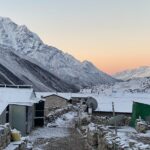
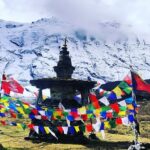
Namche is the first big “settle in” moment. It’s also where you’ll understand the practical side of this trek: tea houses, prayer flags, constant movement of porters and yaks, and a steady stream of trekkers comparing notes. You’ll sleep at a lodge, and that’s the base operating system for the whole trip.
Namche acclimatization plus Sherpa culture that actually changes your perspective
In a good Everest trek, the acclimatization days aren’t wasted. Here, you get a full Namche exploration day with a plan that goes beyond just resting.
First: the Sherpa Museum. It’s a straightforward way to connect daily life in Khumbu villages with what you’re seeing on the trail. Then comes the hike to Everest Viewpoint at Everest View Lodge, where you can stop for tea or coffee and scan the skyline.
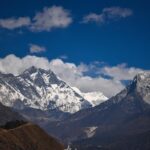
If the sky is cooperative, the plan calls out views of multiple major peaks, including Everest, Lhotse, Island Peak, Ama Dablam, and more. Even when you don’t see everything, you still get the benefit of learning how the ridgelines stack—your brain starts mapping mountains instead of just admiring them.
After that, you head to Khumjung Village and the Edmund Hillary School for lunch, then return to Namche. This is one of my favorite parts of the itinerary because it anchors the trek in people and place, not just height and distance.
Dingboche: extra time, wildlife sightings, and the step-up toward Lobuche
The route continues toward Dingboche, described as a major viewpoint area and a place where you may see animals like blue sheep and deer, plus Himalayan thar and domestic yaks. Another detail I like: the plan emphasizes the trail choice between Phortse and Dingboche as one of the prettier stretches, which is what you want here. After several days, you need the trail to feel worth every step—not just necessary.
Your itinerary lists two consecutive days at Dingboche, followed by a dedicated acclimatization day at Dingboche that includes a light hike (either to a small peak or toward Chhukung). That kind of pacing is exactly what you’re hoping for at this stage. You’re at a point where pushing too hard too fast can mess with your whole schedule, so having time to walk gently and check how you feel is smart.
If you’re prone to altitude issues, treat this day seriously:
- Wear warm layers even when you feel fine.
- Drink water consistently.
- Keep movement controlled during the light hikes.
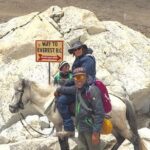
Lobuche, Gorakshep, and Everest Base Camp: the long day you plan for early
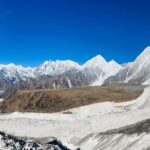
The climb toward Lobuche is where the trek starts feeling higher and steeper. The plan calls out moving carefully because you’re crossing above 4,000m and taking a slower approach toward Thukla before lunch and rest. There’s also a strong scenic emphasis on peaks visible from this zone, including Ama Dablam and multiple named Lobuche-area peaks.
The route also mentions passing through forest sections earlier on—rhododendron, pine, and oak. That matters because it gives you a break from the starkness that takes over near base camp. For a lot of trekkers, the transition from forest to high-alpine world is emotionally real.
Then comes the classic “early and long” push:
- You go from Lobuche to Gorakshep, leaving early.
- You drop your bag and start preparing for the next segment.
- Before trekking to Everest Base Camp, you eat a simple breakfast and carry light food.
- The base camp day is described as hard and long, roughly 8 to 10 hours, then you return to lodge accommodation.
This is where you should mentally decide your pace. Don’t sprint. Treat it like a steady climb with lots of small breaks. When people talk about base camp feeling unreal, it’s not because the day is easy—it’s because you’re earning the moment with effort and air-thin patience.
Kala Patthar at 5,545m: sunrise views and then the hard-earned downhill
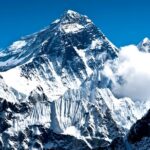
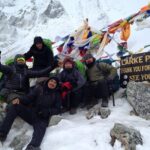
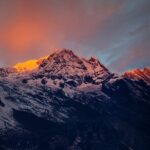
The next morning is the big sunrise play. You hike Kala Patthar (5,545m) early enough for panoramic views. The plan frames it as your main destination for sunrise and calls out Everest plus Pumori and other Himalayan peaks in the view field.
This morning usually separates “I came to hike” from “I came to witness.” At that altitude, even walking a few extra minutes feels like work. But it’s also one of the best places to see how the Himalaya works like a machine—ridges, slopes, and snowfields all behaving like one connected system.
After returning to Gorakshep for breakfast, you continue trekking toward Pheriche or Pangboche for the overnight. It’s a descent day compared to the hardest push, but you still need focus—after a sunrise hike, your legs feel different.
Tengboche monastery and the Hillary Suspension Bridge: the cultural return
On the way back down, you’ll feel the relief of easier grades—while still moving through meaningful places.
The plan calls out leaving Pheriche for Namche Bazaar via the Hillary Suspension Bridge, passing local villages, and reaching Tengboche monastery. You’ll also walk through forest before arriving back at Namche. The day is described as easy downhill and about 7 to 8 hours, with plenty of yaks and porters along the route.
Why this matters: the lower-altitude days can tempt you into speeding up. But this is when you should slow down to enjoy the monastery area and the bridge moment. You’re not just moving toward flight day anymore. You’re getting your last real views of Khumbu life before returning to busyness.
Lodges, meals, and the comfort reality at altitude
This trek runs on tea houses, and the included package is built around that. You’ll stay in lodge accommodation during the trekking days, and meals are included as standard trekking meals, plus tea or coffee during the trek. Breakfast is listed for 13 days.
What’s not included is also important. The plan says hot shower is not included, along with cold drinks (like Coke and bottled water) and charging for mobile/camera devices. That’s normal for high-altitude trekking, but it’s worth planning for so you don’t feel surprised halfway through.
If you want this to feel comfortable:
- Pack layers that handle wind.
- Expect limited water/charging options.
- Budget for small purchases at stops if you want them.
Price and logistics value: what $1,800 covers (and what it doesn’t)
At $1,800 per person, this is not a “cheap” Everest trek—but it isn’t random either. You’re paying for the parts that make a big difference in real-world trekking stress:
- Both-way Kathmandu to Lukla flights
- Permits (Sagarmatha National Park) plus local permits
- Lodge stays during the trekking portion
- A licensed trekking guide
- Porter support (1 porter for 2 people)
- Group meals and tea/coffee during trekking
- Kathmandu hotel nights (2 nights standard with breakfast) and transfers
To me, that coverage is the value. When permits and flights are arranged, you spend less energy chasing paperwork and more energy walking safely. It also helps explain why this trek is structured tightly around specific arrival and departure timing.
What you’ll still manage on your own are the extras: drinks, charging, hot showers, and tips. The plan also notes helicopter rescue is not included as a cost, but emergency helicopter service is arranged via your travel insurance company’s coverage.
Who should book this Everest Base Camp trek
This setup fits best if you want:
- A classic Everest Base Camp trek with structured acclimatization
- A guide-led experience where permits and key logistics are handled
- A moderate-but-demanding hiking challenge with high-altitude days built in
- Private-group comfort (your group participates, not a big mixed crowd)
You should think twice if you’re not comfortable with long hiking days and altitude exposure. The plan specifically calls for strong physical fitness. If you’re unsure, be honest with your training level and ask the operator how they handle pacing and health concerns on acclimatization days.
Should you book this Everest Base Camp trip?
If your priority is the full Everest Base Camp experience—Lukla entry, Namche culture, Dingboche acclimatization, Everest Base Camp day, then Kala Patthar sunrise—this itinerary is a solid match. The best reason to book is the balance: the climb is serious, but the structure gives you time to adjust.
I’d book it if you’re the type who enjoys planning and then following the plan without fighting it. I’d hesitate if you need frequent creature comforts or if you’re hoping to buy extra upgrades like hot showers and lots of personal charging on the trail.
If you want one final checklist: train for steady uphill walking, pack for cold mornings, and have realistic expectations for weather-driven visibility around Everest viewpoints.
FAQ
What’s the total duration of this trek?
The trip is listed as 14 days approx., including time in Kathmandu and the full trekking route.
Is Lukla transportation included?
Yes. You get both-way domestic air tickets: Kathmandu to Lukla and Lukla back to Kathmandu.
Are permits included for the trekking areas?
Yes. The package includes trekking permits for Sagarmatha National Park plus a local permit.
Do I get a guide and porter?
Yes. A government-licensed trekking guide is included, and there is a porter setup listed as 1 porter for 2 people.
Where do I stay during the trek?
You’ll stay in lodge/tea houses throughout the trekking portion.
Are meals included?
During the trek, standard meals are included, along with tea or coffee during the trek. Breakfast is listed for 13 days.
Do the Kathmandu nights include hotel and breakfast?
Yes. The plan includes 2 nights in Kathmandu in standard accommodation with breakfast.
Is a hot shower included on the trek?
No. Hot shower is not included.
What’s the cancellation window for a full refund?
You can cancel up to 24 hours in advance for a full refund.
Is service or support available in emergencies?
The plan says emergency helicopter service is arranged, but it is paid by your travel insurance company.