REVIEW · POKHARA
Ghorepani Poonhill Sunrise trek
Book on Viator →Operated by Mount Face Nepal · Bookable on Viator
Waking up for sunrise in the Himalaya pays off. This Ghorepani Poonhill trek is built around that pre-dawn energy, with Poonhill sunrise views and heritage villages that keep the trip grounded. You also get a classic Pokhara start, so the mountains don’t hit you all at once.
I especially like two things: the chance to stay among Ghandruk-area culture with mid-hills peoples like the Gurung and Pun, and the way the route earns its view with a tough rhythm, including a 3,381-step climb. One thing to consider is that early starts and cold morning air are part of the deal, so you’ll want to plan for tired legs and not expect an easy stroll.
In This Review
- Key things that make this trek worth your time
- Poonhill sunrise timing: the hour you’ll feel in your bones
- Pokhara first: why you want a warm base before altitude
- Forest-to-view trekking: what the mid hills feel like on foot
- The big climb and the mountain lineup you’re actually chasing
- Day-by-day: how the route unfolds from Kathmandu to Pokhara
- Day 01: Arrive in Kathmandu, transfer to your hotel
- Day 02: Kathmandu to Pokhara by tourist bus
- Day 03: Nayapool to Tikhedhunga (1450 m)
- Day 04: Tikhedhunga to Ghorepani (2874 m), about 5 hours
- Day 05: Early hike to Poonhill, then to Tadapani (2721 m)
- Day 06: Trek down to Nayapul, then drive back to Pokhara
- Day 07: Drive Pokhara to Kathmandu
- Day 08: Departure
- The guide, porter, and paperwork that reduce stress
- Meals and hotels: what full board really means for you
- Price and logistics: is $815 good value or just a number?
- Comfort and fitness: moderate is the right word here
- Who this trek suits best (and where you might want a different pace)
- Should you book the Ghorepani Poonhill Sunrise trek?
- FAQ
- How long is the Ghorepani Poonhill Sunrise trek?
- Where is the meeting point and what time does the trek start?
- What fitness level do I need?
- Are meals included?
- Do I get a guide and porter?
- Are permits and TIMS card included?
- Where do I stay during the trip?
- Is this a private tour?
- Can I cancel and get a refund?
Key things that make this trek worth your time
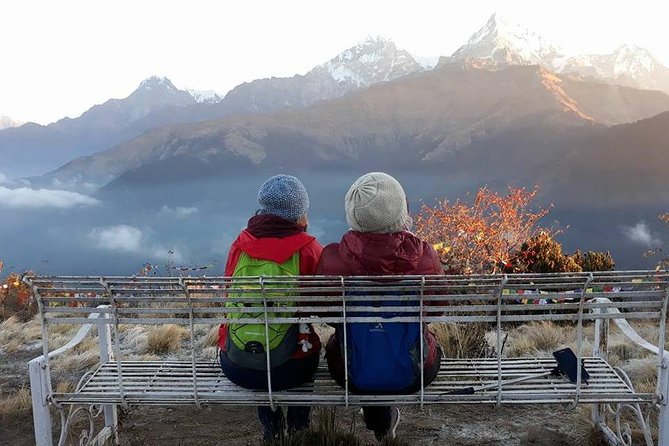
- Poonhill at the right hour: you’re set up for an early morning hike from around 12:15 am timing.
- Village life with real character: Gurung and Pun culture shows up through daily routines and local traditions.
- Forest trails you actually walk through: rhododendron, oak, and magnolia trees make the middle miles feel like Nepal, not just altitude.
- Big-view rewards are built in: clear connections to Annapurna South, Fishtail, Dhaulagiri, Manaslu, and more.
- Comfort support on the human side: a licensed guide and a porter help you focus on walking, not lugging gear.
Poonhill sunrise timing: the hour you’ll feel in your bones
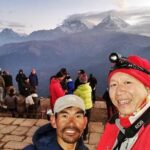
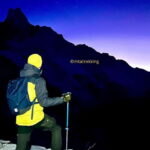
This trek is famous for a reason: you’re heading to Poonhill for sunrise. That means your day starts before most people are even thinking about breakfast. The listed start time is 12:15 am, which tells you the schedule is designed around getting you to the viewpoint at the right moment, not around sleeping in.
Here’s the practical part. Early starts can make or break the experience. If you sleep poorly in Pokhara or Kathmandu, you’ll carry it on the trail. If you travel with a camera, charge everything the night before. If you run warm, bring layers you can strip fast once you start climbing, because mornings can shift quickly.
Also, don’t underestimate the mental work. That first chunk of walking is more about getting your rhythm than chasing speed. Once you settle into steady steps, the payoff feels worth the grogginess.
You can also read our reviews of more tours and experiences in Pokhara.
Pokhara first: why you want a warm base before altitude
You’re not dropped straight into the mountains. Your trip begins with time in Nepal’s lakeside hub, Pokhara, then builds gradually toward the mid hills and higher elevations.
Pokhara matters because it gives you a buffer day. You drive from Kathmandu by tourist bus (about 6 hours) and then you’re in a place where you can reset, eat, and handle basics. When you finish the trek, you also return to Pokhara, and the experience closes with time by Lake Phewa and other scenic spots in the area.
If you’re the type who gets anxious when logistics are messy, this setup helps. Hotel stays in Kathmandu and Pokhara are included, and you’re given ground transportation coverage for the key transfers. It’s one less headache when you’re packing, changing money, or trying to figure out where to be and when.
Forest-to-view trekking: what the mid hills feel like on foot
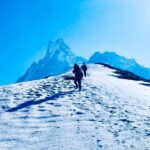
A big part of what makes this route special is the mix. You start in a warmer zone, then the trek climbs into the mid hills, with trails through rhododendron, oak, magnolia, and other trees. It’s not just scenery for your phone. It’s walking comfort. Forest paths tend to break up the harshness of sun and wind.
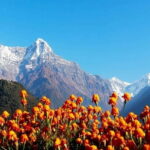
As you gain elevation, the scenery expands toward famous peaks in the Annapurna region. The trek’s view list is impressive on paper, and the best part is that you don’t just stare at mountains the whole time—you pass through villages and meet the traditions of Gurung and Pun communities.
This matters for two reasons:
1) Culture turns the walk into a living experience, not a checklist.
2) Small moments in villages help you pace yourself. When you’re between view hits, you still feel like you’re traveling through Nepal.
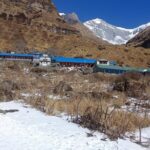
And yes, part of the appeal is that heritage village vibe. Ghandruk-area atmosphere is part of the promise here, with views toward Annapurna South and Fishtail.
The big climb and the mountain lineup you’re actually chasing
This trek includes a famously steep step section, listed as 3381 steps. That’s your clue about effort level. Even if you’re fit, steps make your legs burn in a way switchbacks don’t always match. The good news: once you keep a steady pace, you can manage it.
The reward is tied to panoramas of major peaks, including:
- Annapurna itself (Mt. Annapurna I, 8,091 m)
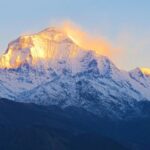
- Dhaulagiri (7th highest at 8,167 m)
- Manaslu (listed as the 8th highest, 8,163 m)
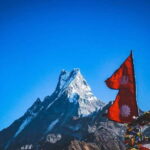
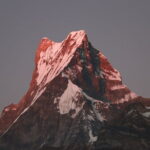
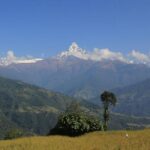
- Plus the broader Annapurna range names like Machhapuchhre (Fishtail), Barah Shikar, Gangapurna, Hiuchuli, and Annapurna South
You might not see every peak every day. Weather and cloud cover do what they do. But the trek is planned to keep you moving through the areas that give those views their best chances. The overall effect is that the mountains feel close, even when you’re hours away from the skyline.
Day-by-day: how the route unfolds from Kathmandu to Pokhara
Day 01: Arrive in Kathmandu, transfer to your hotel
You land and get moved to a hotel in Kathmandu. This day is mostly about getting settled. You’re not meant to rush. Use it to rest, buy anything personal you forgot, and prepare for early travel.
Day 02: Kathmandu to Pokhara by tourist bus
You take a tourist bus drive to Pokhara, about 6 hours. This is the transition day. If you tend to get stiff after sitting, do a little stretching when you stop, and keep your daypack light. Your main trekking kit stays managed through the support system on trek days.
Day 03: Nayapool to Tikhedhunga (1450 m)
You drive to Nayapool, then start walking toward Tikhedhunga at 1450 m. It’s a warm-up. You’ll get a feel for how the trail moves: smaller climbs, village sections, and a steady pace that prepares your body for steeper sections later.
Day 04: Tikhedhunga to Ghorepani (2874 m), about 5 hours
Today climbs higher, reaching Ghorepani at 2874 m in about 5 hours. Ghorepani is where you start to feel the elevation more strongly. Pace matters. If you go hard early, you pay with slower breathing later.
This is also a key cultural day. You’re in the mid hills zone where traditions and everyday life connect directly to the trekking route.
Day 05: Early hike to Poonhill, then to Tadapani (2721 m)
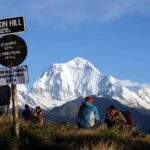
This is the showpiece day. You do an early morning hike to Poonhill (sunrise focus), then continue onward to Tadapani at 2721 m. The total hiking time is listed as 5 to 6 hours.
Expect this day to feel like two different treks in one. First is the early climb mindset for sunrise. Second is the steady walking down and forward into the next village stop. If yoga is offered by your guide, this is also the kind of day where dawn-focused calm can happen naturally.
Day 06: Trek down to Nayapul, then drive back to Pokhara
You descend to Nayapul, then return to Pokhara by vehicle. Descent can be tougher than it sounds on knees and shins. Take it slow. Short steps often save you more than speed does.
Back in Pokhara, you’re back in real comfort mode. You’ll likely appreciate hot showers and a meal that doesn’t end at a set guesthouse hour.
Day 07: Drive Pokhara to Kathmandu
You head back to Kathmandu. This is a reset and rest day. You can use it to do laundry in town if you need it, and to pack without rushing.
Day 08: Departure
Your onward journey starts. The trip includes a farewell dinner before departure, which is a nice way to close the loop on a trek that changes your mood from day one to day eight.
The guide, porter, and paperwork that reduce stress
This trek includes a government license holder guide plus a porter to carry your baggage. That’s practical. You don’t want to spend your limited energy managing heavy gear, especially with sunrise timing and step climbing.
You also get key trek documentation handled in the cost:
- TIMS card (Trekker’s information management system)
- Trekking permits needed for restricted area trekking
Those are the kinds of things that can ruin a trip if they’re missing. Having them included means less time chasing paperwork and more time preparing your pack for cold mornings.
You also get a first aid kit in the mix, plus coverage for accommodation and insurance-related costs for guide and porter. Just remember: the trek does not include your own travel insurance, so you should arrange that separately.
Meals and hotels: what full board really means for you
Food is included as full board meals during the trekking period: breakfast, lunch, and dinner, plus coffee and/or tea. That matters because trekking days run on set timing. When meals are covered, you spend less time hunting for food and more time walking, resting, and hydrating.
Two practical notes:
- Lunch and dinner in Kathmandu and Pokhara are not included, so budget for meals on those city days.
- Drinks (hot/soft/cold) and liquors are not included, so if you like tea, bottled drinks, or anything extra, plan for it.
Hotel stays in Kathmandu and Pokhara are included. That’s a real value add because it removes the uncertainty of finding rooms after long travel days.
Price and logistics: is $815 good value or just a number?
At $815 per person for an ~8-day trek, the value depends on how much of the hassle you want someone else to manage. Here’s what’s included that usually costs extra when you DIY:
- Airport pickup and drop-off
- Hotel stays in Kathmandu and Pokhara
- Ground transportation (Kathmandu–Pokhara round-trip by tourist bus/plane, plus Pokhara–Nayapul–Pokhara by private vehicle)
- Guide and porter
- Permits and TIMS card
- Full board meals during trekking
- Farewell dinner
- A first aid kit
What’s not included is also important. You’ll need to budget separately for travel insurance, your Nepal visa fee, personal shopping, laundry, personal trekking gear, and tips for trekking staff. Drinks on trek days also cost extra.
My take: this price looks fair if you value a smooth plan and don’t want to negotiate every detail once you’re in Nepal. If you’re the type who enjoys building your own itinerary and handling paperwork yourself, you could maybe reduce cost elsewhere. But for most people, paying for fewer moving parts is what makes the trek feel fun instead of stressful.
Comfort and fitness: moderate is the right word here
The trek asks for moderate physical fitness. You should be comfortable walking for several hours and handling elevation changes. The altitudes listed on the route include:
- Tikhedhunga: 1450 m
- Ghorepani: 2874 m
- Tadapani: 2721 m
Your body will feel those changes, especially after early mornings. The route also includes 3381 steps, which is where fitness becomes obvious. If you’ve done hills at home regularly, you’ll be fine. If you haven’t been walking much, start now with incline walking and leg strengthening.
Also plan for cold mornings. Even if the daytime hike feels manageable, sunrise timing can be chilly. Bring layers you can remove once you warm up.
Who this trek suits best (and where you might want a different pace)
This trek is a great match if you:
- Want big mountain views without a super long expedition
- Like the idea of combining village culture with a sunrise viewpoint
- Prefer having a licensed guide, porter support, and permits handled
- Can handle early mornings and the step climb
You might want to consider a gentler option if you:
- Have knee issues or know stairs are a problem for you
- Don’t handle early wake-ups well
- Expect a totally low-effort trek experience
If you’re traveling solo or as a small group, the private setup can be helpful because your pace and questions are easier to manage.
Should you book the Ghorepani Poonhill Sunrise trek?
If you want a classic Nepal trek that mixes Pokhara comfort with mid-hills culture, and you’re excited about a sunrise viewpoint, this one is a strong choice. The included support is the big reason I’d recommend it: guide + porter, full board during the trek, and key permits handled for you.
I’d book if you’re honest with yourself about early starts, step climbing, and cold mornings. And I’d pass (or switch to a gentler route) if you’re looking for an easy hike with flexible wake-up times.
If you go, go prepared for the hours before dawn. That’s when the trek stops feeling like a schedule and starts feeling like Nepal.
FAQ
How long is the Ghorepani Poonhill Sunrise trek?
The trek is listed as 8 days (approx.). The day-by-day flow includes transfers, several trekking days, and return travel to Kathmandu.
Where is the meeting point and what time does the trek start?
The meeting point is Pokhara (Gandaki Zone, Western Region), and the start time is listed as 12:15 am.
What fitness level do I need?
You should have a moderate physical fitness level. The route includes sustained walking and a noted steep section of 3,381 steps.
Are meals included?
Yes. During the trekking period you get full board meals (breakfast, lunch, dinner), plus coffee and/or tea. Lunch and dinner in Kathmandu and Pokhara are not included.
Do I get a guide and porter?
Yes. A government license holder guide is included, and there is a porter to carry your baggage.
Are permits and TIMS card included?
They are included: you get a TIMS card and trekking permits needed for restricted area trekking.
Where do I stay during the trip?
Hotel stays are included in Kathmandu and Pokhara, and you also have best available accommodations during the trek.
Is this a private tour?
Yes. It’s listed as a private tour/activity, so only your group participates.
Can I cancel and get a refund?
Yes. Free cancellation is available if you cancel up to 24 hours in advance for a full refund. If you cancel less than 24 hours before the experience start time, the amount paid is not refunded.