REVIEW · POKHARA
From Pokhara: Australian Camp & Dhampus 1, or 2-Day Trek
Book on GetYourGuide →Operated by Cordial Trek Pvt. Ltd. · Bookable on GetYourGuide
Australian Camp feels like a quick win. In a tight 1–2 day window, you trade Pokhara’s noise for 180° Annapurna views and real Gurung village life on the way to and from Dhampus. I like that it’s designed for short-attention-span humans without turning the hike into a stroll.
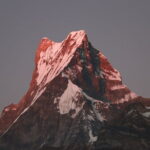
My favorite part is the mountain payoff at Australian Camp (2,060 m). From that grassy viewpoint you can see Annapurna South, Hiunchuli, and Machhapuchhre (Fishtail), plus you get the drama of sunset (on the 2-day plan) or the chance of sunrise if skies cooperate. I also like how the trek isn’t just scenery—walking through slate-roofed homes, terraced fields, and daily routines in Gurung settlements makes the whole day feel grounded.
One thing to consider: this is weather-dependent. If clouds roll in, sunrise can be disappointing, and the mountain lodges can be basic (think simple rooms and limited amenities). If you’re the type who hates “mountain basic,” plan accordingly.
In This Review
- Key points before you go
- Getting There From Pokhara: Kande, Phedi, and the Slow Change in Air
- Australian Camp at 2,060 m: Why You’ll Remember This View
- The practical truth about “views”
- Dhampus and Pothana: Gurung Village Life You Can Actually Walk Through
- Dhampus Village
- Pothana Village Tea Break
- 1-Day Express vs 2-Day Overnight: Choose Your Pace
- The 1-Day Express (about 7 hours)
- The 2-Day Overnight with Sunset and Sunrise
- My simple rule
- Food and Mountain Lodges: What “Included” Usually Feels Like
- A note about drinks
- Guides Make the Short Trek Feel Personal
- Gear, Paperwork, and the Stuff You Might Not Expect
- Equipment you can borrow
- What you still bring yourself
- Permits and paperwork
- Water
- Luggage and what’s not allowed
- Timing, Sunrises, and Realistic Expectations
- Value and Who This Trek Suits Best
- Should You Book the Australian Camp + Dhampus Trek?
- FAQ
- How long is the Australian Camp & Dhampus trek?
- Where do we start trekking from in each option?
- What can I see at Australian Camp?
- Is this a private tour?
- What language is the guide?
- What meals are included?
- Is there accommodation on the 2-day trek?
- Can I borrow trekking gear?
- Is a porter included?
- What should I bring and what is not allowed?
Key points before you go
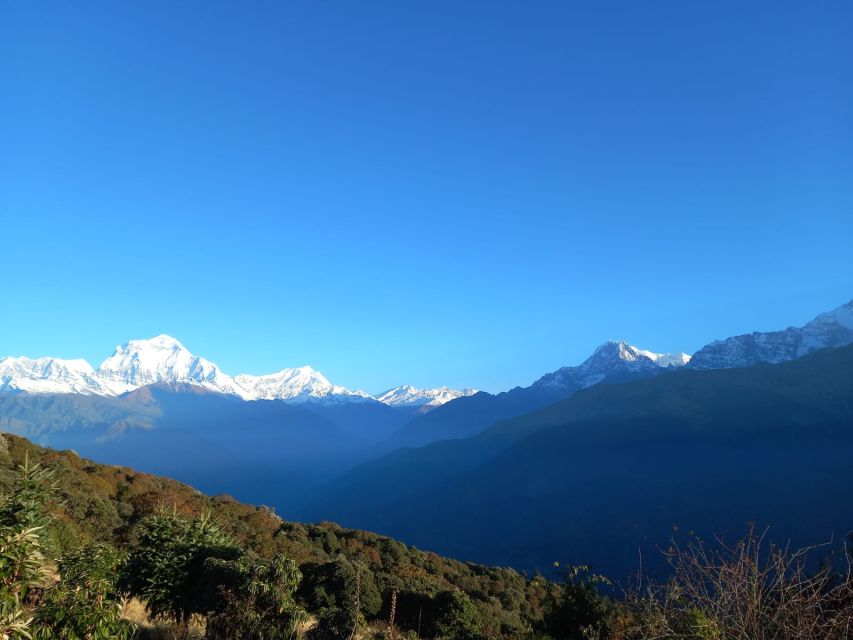
- Australian Camp’s view-to-effort ratio is the whole point: a moderate climb for big Annapurna range sightlines.
- Two schedules, same vibe: a 1-day express or a 2-day overnight with sunset and a true early-morning sunrise shot.
- Dhampus is the cultural highlight on the descent: Gurung villages, slate-roof houses, and terraced farms, not just a photo stop.
- Your guide really matters on a short trek: names you might hear include Mr Raju, Prakash, and Pratip, and they tend to keep the experience moving and meaningful.
- Pack light and be ready for mountain-simple: no oversize luggage, and the lodge setup is functional rather than hotel-comfort.
Getting There From Pokhara: Kande, Phedi, and the Slow Change in Air
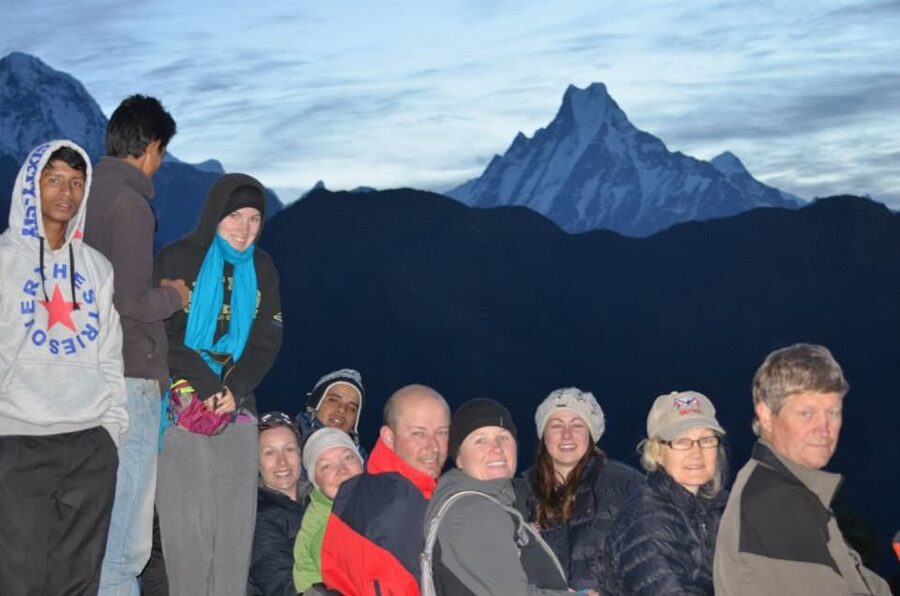
Most people start in Pokhara, then get driven to the trek’s starting area—either Kande for the 1-day express, or Phedi for the 2-day overnight. The drive matters because it sets expectations: you’re moving from busy lake-city life into that cooler, quieter mid-hills mood before you even put on your shoes.
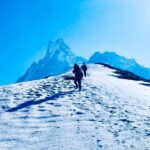
Once you’re on the trail, the walking is steady rather than technical. You’ll spend your energy climbing through forest trails and then transitioning onto more open viewpoints. That “forest-to-open-view” rhythm is what makes this hike feel satisfying even when it’s short.
You can also read our reviews of more tours and experiences in Pokhara.
Australian Camp at 2,060 m: Why You’ll Remember This View
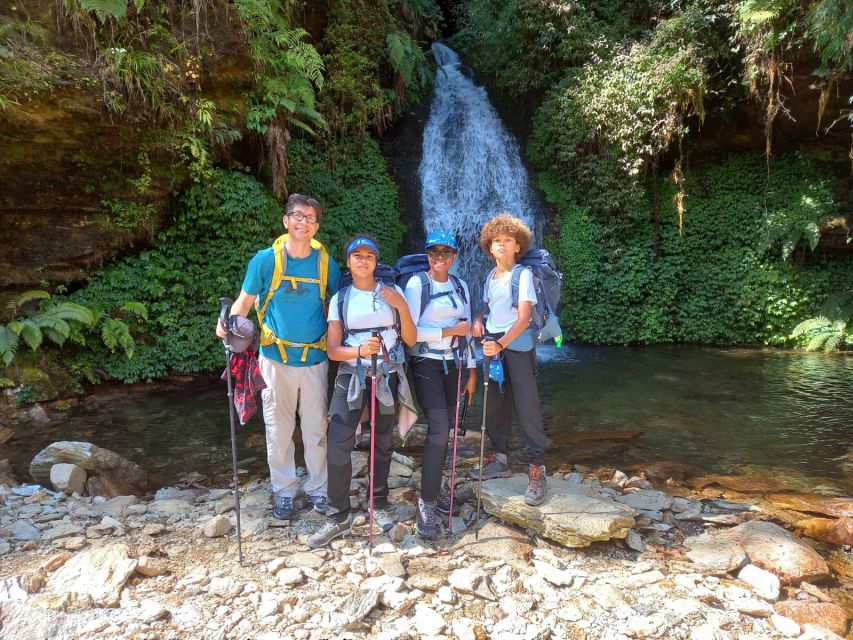
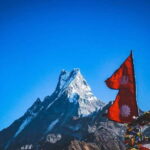
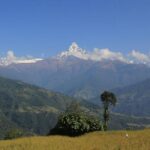
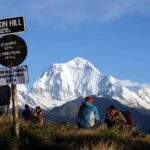
Australian Camp sits at 2,060 m and is famous for a wide, open viewpoint. The big promise here is an 180° view of the Annapurna region—Annapurna South, Hiunchuli, and Machhapuchhre (Fishtail). Even if you’ve seen photos, seeing Machhapuchhre’s shape in person hits different because you get scale and depth.
On the 2-day option, you’ll likely experience this viewpoint in two modes:
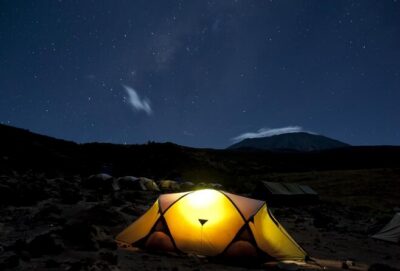
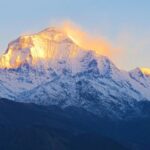
- Sunset from the camp area, when the peaks start looking dramatic and the light softens.
- Sunrise on Day 2, when you have a real chance at that crisp, early-morning wow-factor.
On the 1-day express, you’re basically doing the “hit the viewpoint, breathe, then move” version of the same idea. You’ll climb to the camp for views and lunch, then come back down to village trails.
The practical truth about “views”
You’ll want to treat views like timing plus weather. One booking experience noted they couldn’t catch sunrise, but the scenery still made the time worth it. Translation: if the sky changes, adjust your hopes and stay present. Your best photos come from being there when the light turns.
Dhampus and Pothana: Gurung Village Life You Can Actually Walk Through
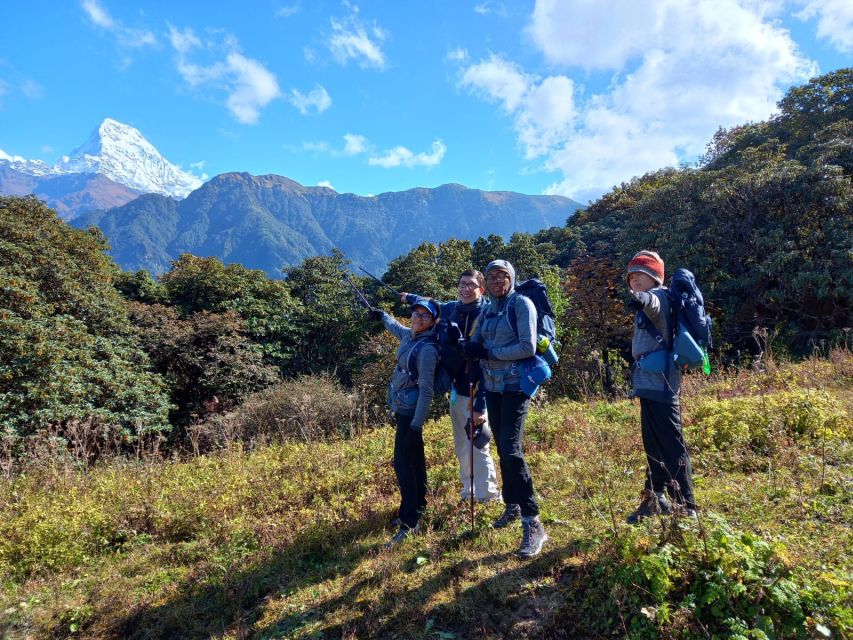
The trek’s cultural flavor comes mainly as you climb into the viewpoint area and—especially—when you descend through village routes.
Dhampus Village
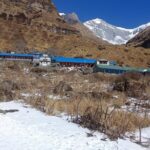
Dhampus is described as a traditional Gurung settlement with slate-roofed houses and terraced fields. When a hike includes a real village, it changes the feeling of “tour time.” You’re not just passing through scenery; you’re moving through lived spaces—farm plots, paths, and the everyday rhythm of a hillside community.
On the 2-day itinerary, you get more time in this village section because you pass through it on Day 1 and again on the way up/down. On the 1-day express, you still get the Dhampus descent, but it’s tighter.
Pothana Village Tea Break
On the 1-day route, there’s a stop for a warm Himalayan tea in Pothana Village. That small pause is more than a drink. It’s a reset point when your legs are shifting from the climb’s rhythm into the descent. If you’re sensitive to cold, this kind of stop can be the difference between “I’m tired” and “I’m enjoying this.”
1-Day Express vs 2-Day Overnight: Choose Your Pace
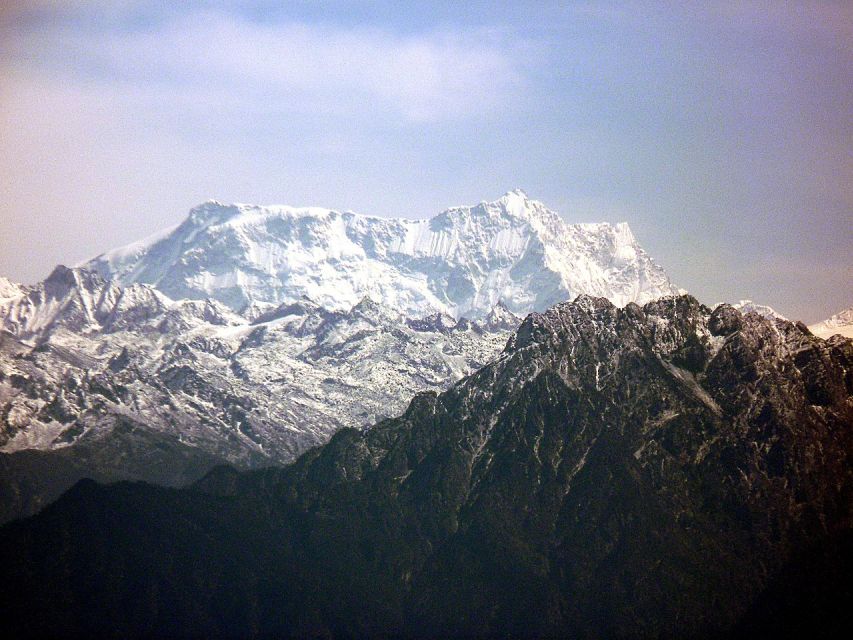
This is one of the easiest decisions to make because both versions target the same payoff: Australian Camp and the Annapurna view.
The 1-Day Express (about 7 hours)
You get a morning pickup from Pokhara, then a drive to Kande. After a moderate climb—around 2 hours through forest—to Australian Camp, you eat lunch with the views, then descend to Dhampus Village and continue back down toward Phedi for the drive back to Pokhara.
This option works best if you:
- have limited time in Pokhara
- want a moderate hike without losing a whole day
- want to focus on viewpoints and village atmosphere, not overnight logistics
The 2-Day Overnight with Sunset and Sunrise
Day 1 starts with pickup from your hotel and a drive to Phedi, then you trek via Dhampus toward Australian Camp. You’ll have time to enjoy sunset over the Annapurna range and sleep in a mountain lodge.
Day 2 is built around an early start for sunrise, then you descend to Kande and drive back.
This version is best if you want:
- the full light show (sunset plus sunrise, not just one)
- a slower pace through Dhampus village life
- a night under the mountains before heading back to the city
My simple rule
If you’re a “one-and-done, get the photo and go” person, take the 1-day. If you can handle an early wake-up and you want the most emotional lighting, take the 2-day.
Food and Mountain Lodges: What “Included” Usually Feels Like
The included meals depend on which option you choose.
For the 2-day plan, the package lists full board: breakfast, lunch, and dinner across both days, with one night accommodation in a guest house. The accommodation is specifically noted as having a private bathroom.
Still, mountain lodges are mountain lodges. One experience mentioned the room was very simple and that there was no toilet paper or towels. So don’t assume hotel-grade comfort. You’ll probably be okay if you’re expecting basic, clean, functional shelter—especially given that the trek itself is the main event.
What you can count on:
- Warm meals during the planned times (that’s one less thing to manage on a short trek).
- A tea stop on the express route.
- Borrowable gear helps you avoid trekking-equipment stress.
What you should not count on:
- extra snacks and drinks being included
- consistent “luxury” bathroom supplies
A note about drinks
Alcohol and drugs are not allowed, and hot/cold/alcoholic drinks are listed as not included. If you want extra comfort, plan on buying what you need on the trail.
Guides Make the Short Trek Feel Personal
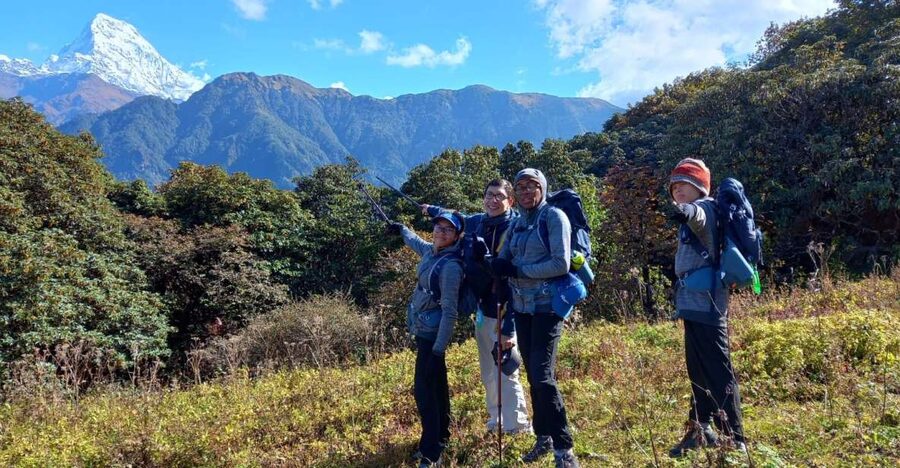
Because this trek is short, your guide has a bigger impact. A good guide keeps you moving at a reasonable pace, makes sense of what you’re seeing, and helps you feel safe even on unfamiliar paths.
From the experiences shared, several guides stood out:
- Mr Raju was praised for excellent service and knowledge, plus for keeping someone who lacked motivation feeling encouraged.
- Prakash was described as friendly and attentive, including helping with photos and answering questions.
- Pratip was highlighted as knowledgeable and focused on making the overnight trek the best it could be.
Even if you don’t remember every detail of mountain trivia, you’ll feel the difference when the walk is explained and paced well. On a short itinerary, that’s a big part of the value.
Gear, Paperwork, and the Stuff You Might Not Expect
This trip includes a bunch of the “don’t think about it too hard” items, which is exactly what you want on a quick trek.
Equipment you can borrow
If you need it, you can borrow:
- a down jacket
- trekking poles
- a sleeping bag
There’s also mention of a duffel bag when a porter option is used.
What you still bring yourself
You’re expected to bring:
- a camera
- hiking shoes
- your passport
Permits and paperwork
The package says all necessary paperwork and travel permits are handled. That’s one less admin headache before you walk.
Water
Water purification tablets are included as required. That’s smart on short treks—small item, big peace of mind.
Luggage and what’s not allowed
- No oversize luggage
- No alcohol and drugs
If you normally travel with a big bag, this is the moment to use a smaller pack for the trek day(s).
Timing, Sunrises, and Realistic Expectations
The biggest emotional hook here is the light at Australian Camp—sunset and sunrise over the Annapurna range. But you should treat sunrise as a chance, not a guarantee.
A shared experience noted they couldn’t see sunrise, yet still enjoyed the scenery. That’s a good mental model for this hike: if the dawn light isn’t there, the hike still delivers big mountain sightlines and village walking.
Also note the pace on a “moderate climb.” People sometimes describe parts of it as feeling quicker than expected, especially when you’re moving steadily. Either way, you’ll be on your feet for multiple hours, so bring shoes you trust and plan on stairs and uneven trail.
Value and Who This Trek Suits Best
This is strong value in a very specific way: you get the Annapurna-range highlight—Australian Camp views—without committing to weeks of trekking. You also get culture time in Gurung villages, which makes the hike feel more meaningful than a viewpoint-only day.
Best matches:
- photographers who want a big view with minimal time
- peace-seekers who want a quiet break from Pokhara
- beginners who want a short, moderate trek with support
- families who can handle a short hike and want guided context (the family experience mentioned children aged 12 and 8 enjoying it)
Less ideal if:
- you hate basic mountain lodging
- you’re only happy when everything goes perfectly (sunrise depends on skies)
- you want long treks and big elevation days
Should You Book the Australian Camp + Dhampus Trek?
If you’re in Pokhara and you want an efficient hit of Annapurna drama plus real village walking, I’d say book it—especially the 2-day overnight if you can handle early mornings. The combo of Australian Camp altitude, the 180° views, and Dhampus’s Gurung settlement route makes this more than a quick photo stop.
Choose the 1-day express if time is tight and you want a manageable hike with a tea stop and a solid viewpoint lunch. Either way, pack light, wear good shoes, and set expectations for mountain-simple comforts.
If weather is unreliable during your dates, don’t treat it like a failure. The route still gives you those high-effort, high-reward moments—plus a guide who can help you enjoy what the mountain offers on that day.
FAQ
How long is the Australian Camp & Dhampus trek?
You can choose a 1-day express option (about 7 hours) or a 2-day overnight option (1–2 days total).
Where do we start trekking from in each option?
The 1-day option starts from Kande, while the 2-day option starts from Phedi.
What can I see at Australian Camp?
Australian Camp at 2,060 m is known for sweeping 180° Himalayan views of Annapurna South, Hiunchuli, and Machhapuchhre (Fishtail).
Is this a private tour?
Yes, it’s listed as a private group with a private group experience.
What language is the guide?
The tour includes a live guide in English.
What meals are included?
For the 2-day option, meals are listed as 1 breakfast, 2 lunches, and 1 dinner (full board). For the 1-day option, one lunch is included.
Is there accommodation on the 2-day trek?
Yes. The 2-day option includes 1-night accommodation in a guest house with a private bathroom.
Can I borrow trekking gear?
Yes. You can borrow a down jacket, trekking poles, and a sleeping bag as needed.
Is a porter included?
A porter is not included, but it is available as an add-on option.
What should I bring and what is not allowed?
Bring camera, hiking shoes, and passport. Oversize luggage is not allowed, and alcohol and drugs are not allowed.