REVIEW · SAPA
Fansipan Trek One Day Tour – Roof of Indochina
Book on Viator →Operated by Trekking Tour Sapa · Bookable on Viator
Fansipan is a sunrise-and-steep trek. I like this one-day plan because it pairs a local English guide with real mountain support, and reviews call out guides such as Pau, Mei, Chu, So, Pao, and Phung. I also like that you get porter service (shared three people per porter) plus lunch, park entry, gloves, water, and a summit certificate, so the day feels planned, not cobbled together.
The trade-off is effort. This is a strong-fitness climb: you start around 2,000 m at Tram Ton Pass, then do hours of uphill and downhill (often with steep sections that can include ladders and steps), so go prepared for a long day from 5:00 am to late afternoon.
In This Review
- Key things that make this Fansipan trek worth your time
- From Sapa Church to Tram Ton Pass: the day starts early for a reason
- Hoang Lien Son: where the forest changes as you climb
- The climb itself: 7 to 8 hours up and down, with real steep sections
- Summit around noon: views, photos, and the Fansipan certificate
- Downhill back to Sapa by late afternoon (and where the cable car fits)
- Price and value: what $98 covers (and why that matters on a mountain day)
- Who should do this one-day Fansipan trek, and who should rethink it
- Should you book this Fansipan One Day Tour?
- FAQ
- What time does the Fansipan trek start?
- Where is the meeting point in Sapa?
- How long is the trek day?
- When do you arrive back in Sapa?
- Is pickup available?
- What’s included in the $98 price?
- Are porters included, and how does sharing work?
- Is the cable car part of the tour?
- What happens if weather is poor?
Key things that make this Fansipan trek worth your time
- Tram Ton Pass start (about 2,000 m): you begin high, so the hike is more about endurance than just hiking from town.
- Hoang Lien Son ecosystem change with altitude: giant pines and yellow bamboo up high, with dwarf bamboo near the top; you might also spot wildlife like goats and langur monkeys.
- Nature-protected trekking on Hoang Lien National Park grounds: entry is included, and the area is known for many orchids (over 100 varieties).
- Guides that stick with you on the hard parts: multiple reviews highlight patient pacing and good English.
- Porters + gloves + water are included: it reduces what you have to carry and helps you keep moving.
- Summit time around noon with a certificate: you reach the peak and get to enjoy it, not just race upward.
From Sapa Church to Tram Ton Pass: the day starts early for a reason
The tour meets at Sapa Church (P. Hàm Rồng, TT. Sa Pa, Sa Pa, Lào Cai). Start time is listed as 5:00 am, and the tour schedule has the guide and driver meeting you around 5:30 am before heading out by car.
This early departure matters. You’ll travel to Tram Ton Pass (around 2,000 m above sea level) and begin walking at about 6:30 am. Starting early helps you beat crowds on the trail and gives you a better shot at clear skies and comfortable hiking temps—especially since the experience notes that it depends on good weather.
You’ll also notice this tour caps at 15 travelers. For a mountain day, that’s a big deal: smaller groups tend to spread out less on narrow trails, and you can move at a pace that actually works with your guide’s plan.
Pickup is offered, but the practical move is to confirm where you’ll be picked up. If you’re staying near the meeting point, you may end up doing the simplest option: start right from Sapa Church and roll with the group.
Hoang Lien Son: where the forest changes as you climb
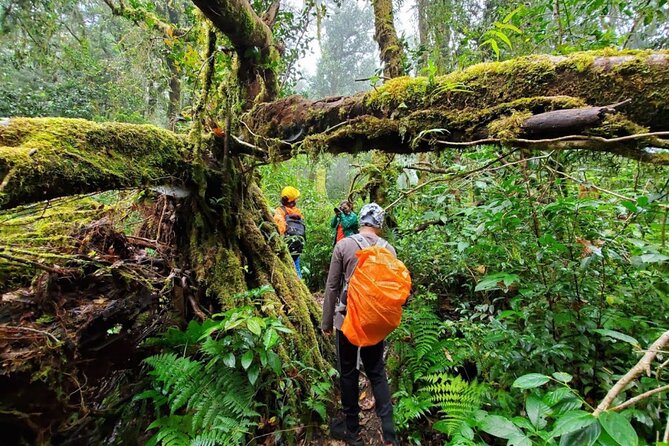
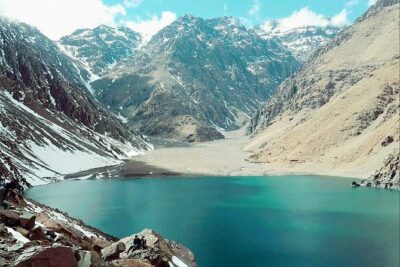
As you gain altitude, you’re not just climbing to a viewpoint. You’re hiking through a protected mountain system: the peak sits on the Hoang Lien Son mountain range, inside a nature reserve.
Here’s what that means for your day:
- You can expect different vegetation bands as you rise. The higher reaches can include centuries-old pine trees and yellow bamboo.
- The top end is described as dwarf bamboo forest, so the final stretch feels different from the lower trails.
- The park’s ecosystem is known for over 100 varieties of orchids. You may not spot orchids on every hike, but the point is that the area isn’t generic mountain scenery—it’s a biodiversity hotspot.
- Wildlife sightings are possible. The tour info says you might see mountain goats and langur monkeys. In real terms, don’t treat that as a guarantee—use it as motivation to stay alert and quiet when you see movement.
This “nature changes as you climb” factor is one of the best reasons to choose a trekking day over just taking a ride up and back. You feel the mountain respond to altitude step by step, and it turns the hike into the main attraction, not the warm-up.
The climb itself: 7 to 8 hours up and down, with real steep sections
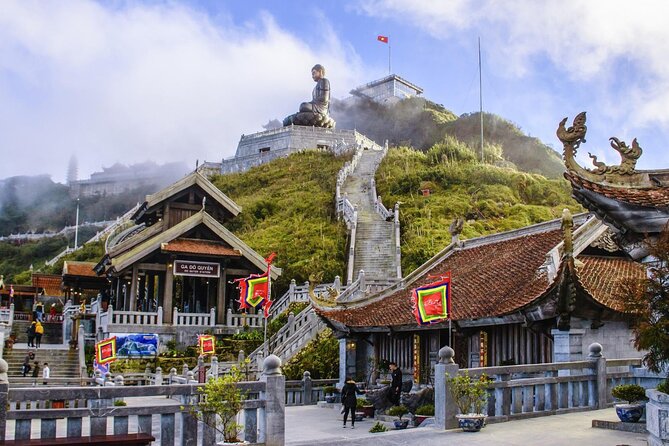
Once you reach Tram Ton Pass at about 6:30 am, the trek begins in earnest. The challenging ascent and descent are scheduled for around 7–8 hours total.
From a practical standpoint, this isn’t a stroll. One review mentioned the hike can be steep with ladders and steps. That’s not there to scare you—it’s there to help you pack correctly. Bring shoes with solid traction and plan for a steady rhythm. If your legs are fresh, you’ll move faster; if they’re tired, the key is not rushing. Your guide’s job is to keep you moving safely.
What I really appreciate is the support structure built into the plan:
- Porter service is included, with 3 people sharing 1 porter.
- That means your personal load may be lighter than if you were doing it fully self-supported.
- You still need to handle your own footing and pace, but the plan reduces the burden of carrying everything.
Also included: gloves per person. That’s a nice touch for a mountain trek where hand contact might come in handy on steeper sections. I’d still bring layers you can adjust as the day warms, and I’d plan for the possibility of rain because the reviews mention making the summit in rainy conditions.
If you’re someone who gets anxious on steep trails, you’ll likely feel better on a day like this with a guide who stays patient through the slow moments. Reviews repeatedly highlight that kind of encouragement—Pau, Chu, Phung, and others show up in feedback as guides who support you through the hard parts.
Summit around noon: views, photos, and the Fansipan certificate
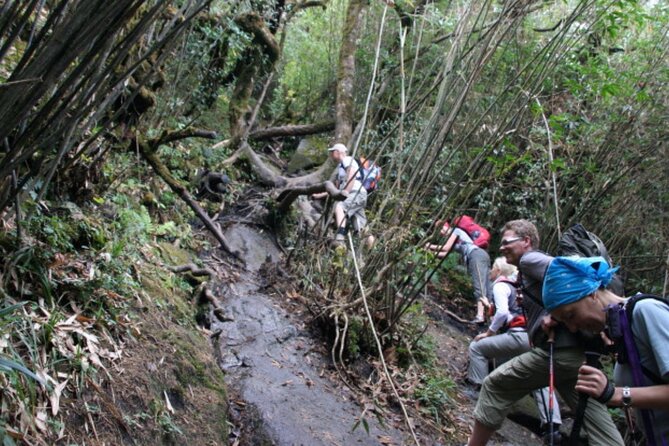
The plan aims to reach Fansipan peak around noon. There’s about 1 hour scheduled at the summit for views, photos, and celebration.
The tour highlights the summit as the roof of Indochina, and you should expect big, open sightlines from the top. Reviews also mention the summit as an emotional win—people describing the satisfaction of getting there after a tough climb. Even if you’re not chasing personal milestones, it’s hard not to feel something when you finally step onto the highest point.
You’ll also receive a Fansipan summiting certificate. It’s a small item, but it helps you mark the accomplishment. It’s also one of the things that makes the tour feel complete: you don’t just disappear into the clouds and come back down without a payoff.
One useful mindset: use your summit hour to slow down and check your own energy. Don’t spend all your energy sprinting for photos. If you keep your breathing controlled at the top, you’ll enjoy it more and your descent will feel more manageable.
Downhill back to Sapa by late afternoon (and where the cable car fits)
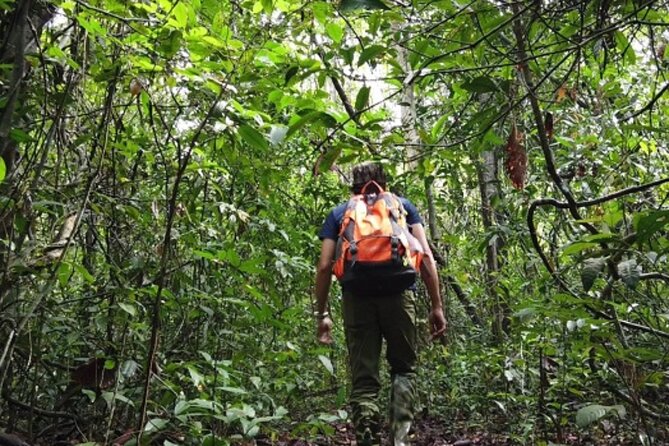
After the summit time, the schedule brings you back toward Sapa. The tour ends around 4:00 pm to 4:30 pm, with arrival in Sapa town in the late afternoon window (noted as about 16:30–17:30).
This timing is helpful if you want to keep your evening open. You can book a bus back to Hanoi or stay in Sapa for dinner and a hot shower.
There’s one optional choice worth knowing: cable car return is not included. Some hikers use it to manage energy on the way down, and one review specifically mentions paying 800,000 dong for the cable car down. If you think you might want that option, factor it into your budget and energy plan before the day starts, so you’re not making a rushed decision while tired.
My practical take: if you’re set on hiking all day, commit to it in your schedule. If you’re unsure about your stamina, decide beforehand whether cable car is a safety valve for you.
Price and value: what $98 covers (and why that matters on a mountain day)
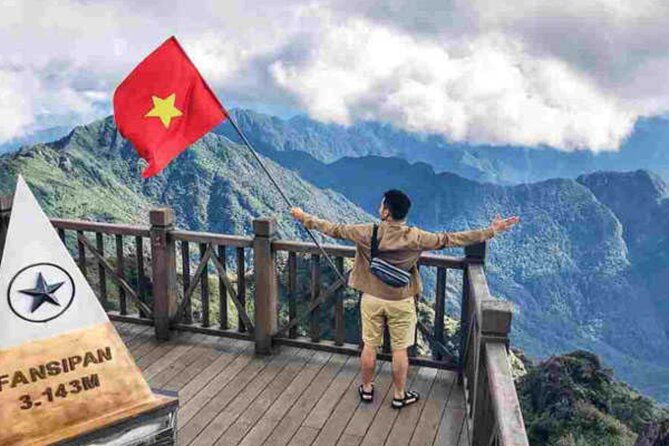
This tour is priced at $98 per person. The main question isn’t just the number—it’s what comes bundled into that price.
Included items are what make the day feel fair:
- Lunch (vegetarian)
- Entrance fee for Hoang Lien National Park
- Local English-speaking guide
- Transport from Sapa to Tram Ton Pass and back
- 1 big bottle of water per person
- Porter service (3 people sharing 1 porter)
- Summiting Fansipan certificate
- Gloves per person
When you compare that to piecing together a trek yourself, the value is mostly in removing friction. You don’t have to hunt down park access, organize transport to the pass, coordinate guides, or figure out porter arrangements on short notice.
The day also includes group limits (max 15 travelers), and reviews give strong signals on guide quality and patience—one feedback thread repeatedly praises guides being supportive and engaged. That matters on steep days where morale can shift fast.
What’s not included:
- Personal travel insurance
- Tips for guide, porter, and driver
- Extra drinks at homestays (if any stops happen outside the lunch plan)
- Cable car option (if you choose it)
If you’re traveling with a tight plan, this bundling reduces decision fatigue. And if you’re traveling solo, it can reduce the stress of trying to cobble together multiple vendors for a single summit push.
Who should do this one-day Fansipan trek, and who should rethink it
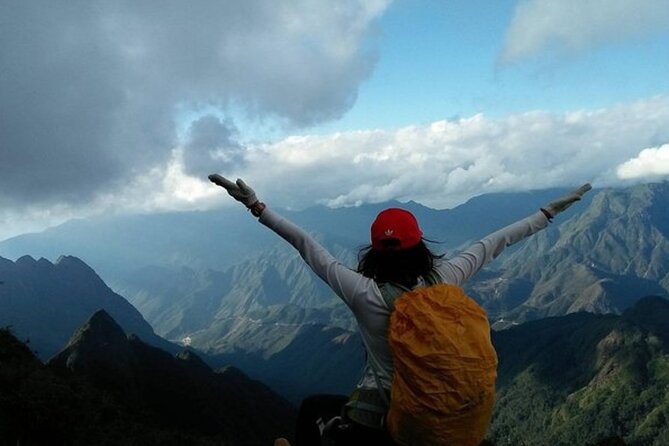
This isn’t a casual “see a mountain” day. The tour explicitly says travelers should have a strong physical fitness level.
I think this trek is a great match if:
- You want a real hike and not a mostly ride-and-view experience.
- You’re comfortable with a long day and steep sections.
- You want guide support and an organized approach, including porters.
You might want to rethink it if:
- You’re easily worn down by steep uphill and long descents.
- You have limited mobility or you’re not confident on uneven ground (especially if ladders/steps are a concern).
- You’re looking for something short and gentle, since the core trek is scheduled for 7–8 hours.
Group-wise, max 15 travelers means you’ll likely feel some teamwork on the trail, without the big-herd effect.
Also consider your timing. This is often booked about 16 days in advance on average. If you’re traveling in peak season, plan ahead rather than assuming you can just show up.
Should you book this Fansipan One Day Tour?
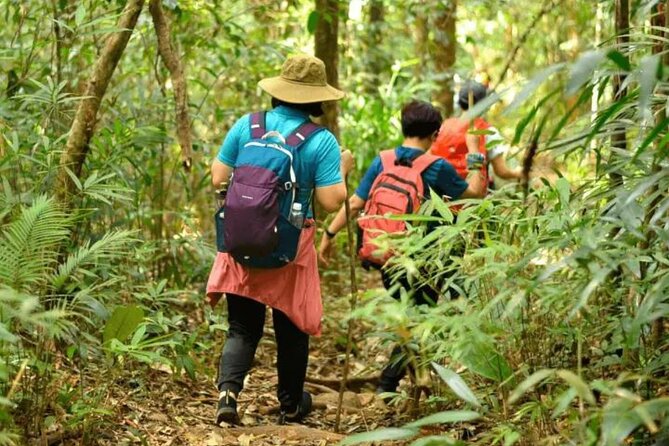
Book it if you want the complete Fansipan day: early start from Sapa, a climb through the shifting Hoang Lien ecosystems, summit time around noon, and a guided descent back to town with key items included. The included park entry, vegetarian lunch, porter support, gloves, and summit certificate make the $98 feel more practical than it looks on paper.
Skip (or switch to a different style of trip) if you know you struggle with steep trails, long hours, and variable weather. Since the experience depends on weather and good conditions, it’s not the kind of day you want to gamble on without being physically ready.
If you do book, I’d treat this like a mountain day, not a sightseeing bus trip: wear traction-friendly shoes, keep your pace steady, and trust the guide and porter setup for managing the hard sections. That’s where this tour shines.
FAQ
What time does the Fansipan trek start?
The meeting is set for 5:00 am, with the guide and driver meeting you around 5:30 am before traveling to Tram Ton Pass.
Where is the meeting point in Sapa?
The tour meets at Sapa Church on P. Hàm Rồng, TT. Sa Pa, Sa Pa, Lào Cai, Vietnam.
How long is the trek day?
Plan for about 7 to 11 hours total. The ascent and descent are scheduled for around 7 to 8 hours.
When do you arrive back in Sapa?
The tour ends with arrival back in Sapa town between 4:00 pm and 4:30 pm, and it’s noted the tour ends around 16:30–17:30.
Is pickup available?
Yes. Pickup is offered.
What’s included in the $98 price?
The included items are lunch (vegetarian), Hoang Lien National Park entrance fee, an English-speaking local guide, round-trip transport between Sapa and Tram Ton Pass, 1 big bottle of water per person, porter service, a Fansipan summiting certificate, and gloves per person.
Are porters included, and how does sharing work?
Yes. Porter service is included, with 3 people sharing 1 porter.
Is the cable car part of the tour?
Optional cable car return is not included in the tour price. One review mentioned paying 800,000 dong for the cable car down.
What happens if weather is poor?
This experience requires good weather. If it’s canceled due to poor weather, you’ll be offered a different date or a full refund.