REVIEW · POKHARA
5 Days Mardi Himal Trek.
Book on Viator →Operated by Dadhi Ram Thapa · Bookable on Viator
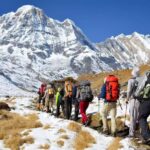
Mardi Himal feels like a quiet frontier. This 5-day trek out of Pokhara mixes forest walking with big mountain moments, and my favorite part was traveling with Dadhi Ram Thapa, the English-speaking guide who keeps you moving and answers questions along the way. You also get a proper sunrise viewpoint morning, then a downhill drift through teahouses and back toward village life.
One thing to plan for: meals and drinks are not included, so your budget needs extra cash beyond the $500 price.
In This Review
- Quick hits before you go
- Mardi Himal Trek: a 4500-meter taste of Nepal without the crowds
- Price and logistics for $500: what’s included, what’s extra
- Getting ready: fitness, start time, and what your days feel like
- Day 1: Pokhara to Pothana via Melbot, then a first easy-ish trek
- Day 2: Forest Camp day with river views and bird-filled walking
- Day 3: Mardi High Camp and glacier-valley views from mixed terrain
- Day 4: Sunrise viewpoint, then back to teahouse breakfast and trek to Siddhing
- Day 5: Lumre village trek with a hanging bridge, lunch included, then back to Pokhara
- Teahouse accommodation: included nights, simple comfort, and smart budgeting
- Dadhi Ram Thapa as your guide: why an experienced leader changes the whole trip
- Weather and monsoon reality: foggy forest walking is still part of the deal
- Group, privacy, and tickets: what matters for your planning
- Who this trek suits best
- Should you book the 5 Days Mardi Himal Trek?
- FAQ
- What time does the trek start?
- Where do you get picked up and dropped off?
- How long is the Mardi Himal trek?
- How difficult is it?
- Is accommodation included?
- Are meals included in the price?
- Are permits included?
- Do you get an English-speaking guide?
- Is this a private trek?
- Can I cancel for a full refund?
Quick hits before you go
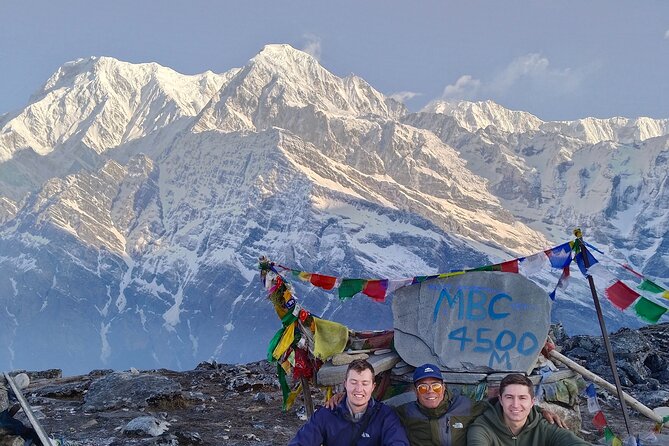
- Virgin-route energy on a lesser-used trek with a high point around 4500 meters
- Dadhi Ram Thapa’s flexibility, including route adjustments when it makes sense
- Teahouse accommodation included each night, so you’re not hunting lodging
- A sunrise morning early on Day 4, then breakfast and onward trekking
- Forest-to-camp progression, from Forest Camp to Mardi High Camp and beyond
Mardi Himal Trek: a 4500-meter taste of Nepal without the crowds
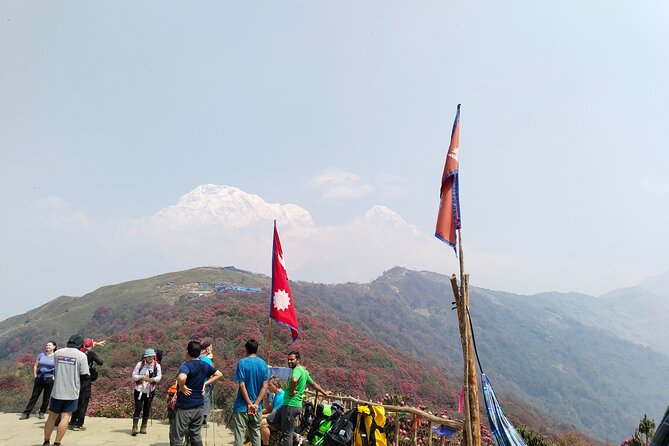
The Mardi Himal trek is often picked when you want the feeling of a newer, less trodden route. You’re not just walking from tea house to tea house—you’re working your way upward through changing terrain, with the promise of high-altitude views around 4,500 meters.
What I like about this kind of trek is the pacing: it’s not a single brutal push. You gain elevation, settle into camps, then go again. If you like clear progression—lower forests to higher camps to viewpoints—Mardi Himal fits that mood well.
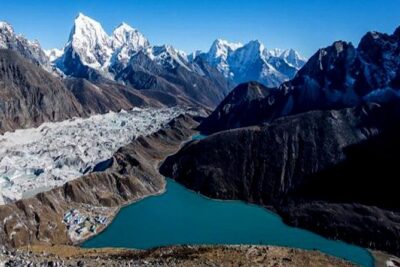
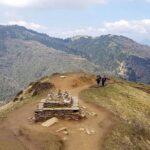
The other big reason to choose this trek is how varied the scenery feels across the days. You’ll pass river scenes, bird activity, stretches through trees, then open up toward the valley and glacier views as you climb.
You can also read our reviews of more tours and experiences in Pokhara.
Price and logistics for $500: what’s included, what’s extra
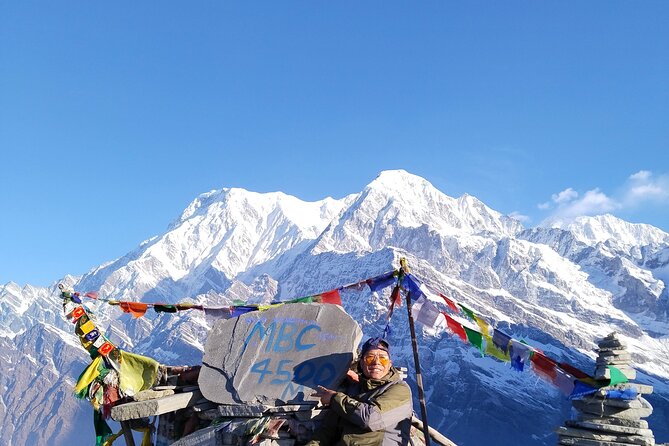
At $500 per person for about 5 days, the value comes from what’s baked in. You get TIMS and permit, English-speaking guide, teahouse accommodation, and the trekking-side transportation plus hotel pickup and drop off.
That matters because it removes some of the annoying costs that pop up on self-planned treks: permits, guiding, and getting out to the trail safely. The itinerary also uses a private setup, so it’s not a big open scramble with random people.
What’s not included is the day-to-day fuel: all meals and drinks are extra, listed at about $30 per day per person. That’s not shocking for Nepal trekking, but you should treat it as part of the real cost. Tips are optional too, so you can keep that flexible.
A practical tip for your budget: if you’re thinking “$500 total,” you’ll likely be short. If you budget the $30/day for meals and drinks, the total picture gets much calmer.
Getting ready: fitness, start time, and what your days feel like
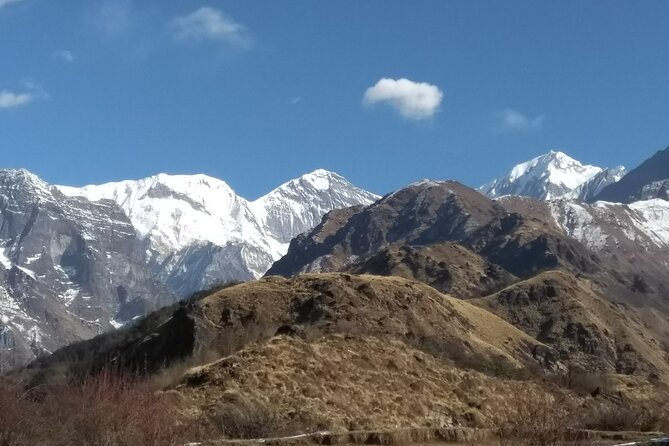
This trek is best for people with moderate physical fitness. The trekking days run about 5 to 6 hours each, and you’ll be going uphill at elevation. That combination means you don’t need to be an ultra-athlete, but you do need to be comfortable walking for long stretches with a steady pace.
Your tour start time is 8:30 am. After that, the days keep a normal trekking rhythm: breakfast at the teahouse, then walking, then another meal and rest before the next day.
As for altitude: you’re aiming for a higher trekking experience around 4,500 meters. That’s not automatically dangerous, but it does mean you should avoid hero-walking. Go slow, breathe, drink water, and don’t treat the first hour like a race.
Day 1: Pokhara to Pothana via Melbot, then a first easy-ish trek
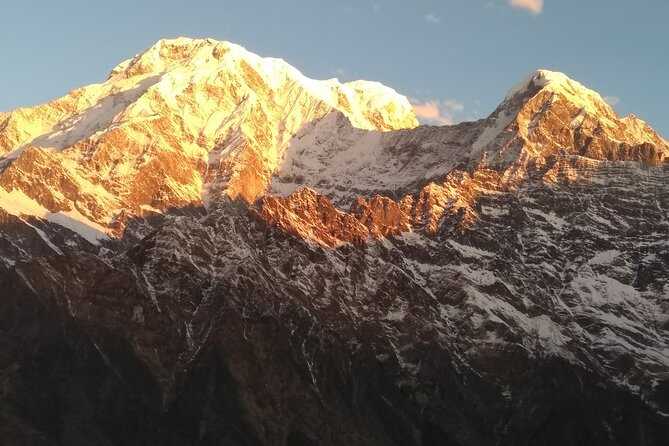
Day 1 starts with transport from Pokhara to Melbot by private transport, then you begin trekking to Pothana. The walking time listed is about 5 hours, and the main job of this day is to set your rhythm.
I like the first day structure because it avoids the shock of jumping straight into a long, high-altitude grind. You get your legs working, you see how the trail feels underfoot, and you start collecting the small wins—views opening up, villages passing by, and air that feels fresher once you’re away from Pokhara.
A consideration: this is still a full trekking day. If you land in Nepal feeling “okay” rather than “ready,” Day 1 can make you pay for it. Give yourself time to settle in Pokhara before your trek starts.
Day 2: Forest Camp day with river views and bird-filled walking
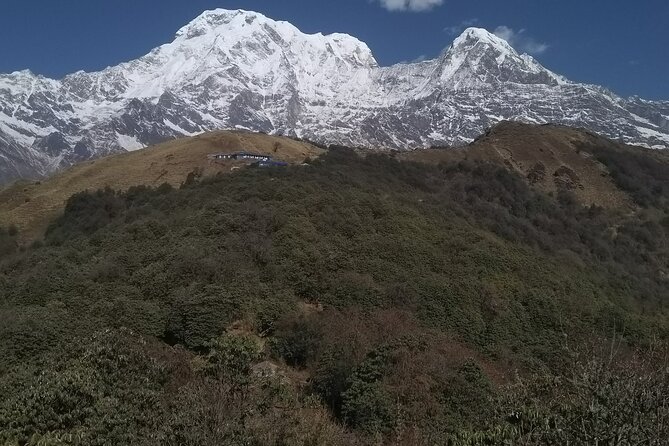
On Day 2, you eat breakfast and trek toward Forest Camp. This day is listed at about 5 hours, with the trail described as a walk through forest and along mountain-and-river scenery.
What makes this day special is the shift in atmosphere. Forest walking can be cooler and more shaded, which helps when the air starts to feel thinner. You’ll also get those small nature moments—river sightlines, birds along the way, and the kind of quiet that makes you pay attention to every turn.
The downside, if there is one, is that forest trails can feel slower. The path may be shaded and changeable, so you might not always get a fast pace even when you feel good. Build your day around steady effort, not distance speed.
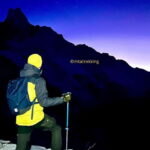
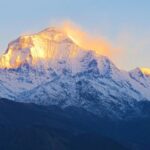
Day 3: Mardi High Camp and glacier-valley views from mixed terrain
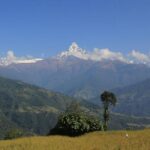
Day 3 is where the trek starts to feel more dramatic. After breakfast, you trek to Mardi High Camp in about 6 hours. The description points to half forest walking and half hill walking, and you’ll be seeing both sides of the terrain—valley views, river scenes, and glacier views as you climb.
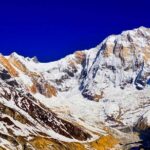
This is the kind of day that rewards patience. When the trail opens up, you’ll likely notice why the Mardi Himal name is tied to serious mountain scenery. The glacier and valley perspective isn’t just a backdrop—it changes how you understand where you are on the mountain.
A consideration for this day: it’s the longest one listed so far. If you come out of Day 2 feeling tired, Day 3 can feel like a longer climb than the clock suggests. Take breaks when you need them, and don’t copy the pace of anyone who looks like they’re on training mode.
Day 4: Sunrise viewpoint, then back to teahouse breakfast and trek to Siddhing
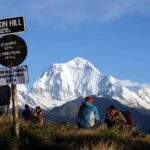
Day 4 starts early: you go to the viewpoint for sunrise, then you return to the teahouse for breakfast. After that, you trek to Siddhing. The total walking time listed is about 6 hours.
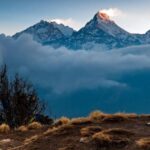
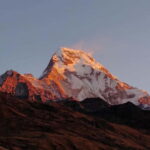
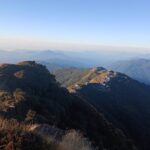
The sunrise part is the emotional highlight for a lot of hikers. Even if the sky is foggy some mornings, the attempt is part of what you’re paying for with a trek like this. Sunrise hikes teach you how quickly conditions can shift at elevation—one minute you’re waiting in the cold, the next you’re staring at peaks.
Then you have the practical side: after breakfast, you still have a full trekking afternoon to Siddhing. That makes Day 4 mentally different. You can’t just enjoy sunrise and then cruise. Plan on doing both: early morning effort, then daytime walking.
Day 5: Lumre village trek with a hanging bridge, lunch included, then back to Pokhara
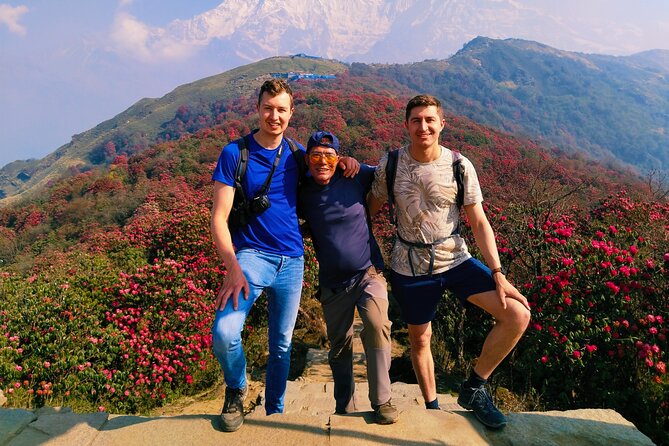
Your final day begins with breakfast and trekking to Lumre in about 6 hours. Along the way, you walk through rural village areas, cross a hanging bridge, and you stop for lunch at Lumre before returning by drive to Pokhara.
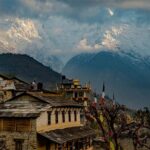
I like ending with village life because it gives your brain a break from constant altitude thinking. After camp days and viewpoint mornings, it’s refreshing to see daily Nepal routines up close—homes, paths, and the slower human scale.
The hanging bridge is a nice moment too, because it’s memorable without requiring extra effort beyond what the route already asks. It’s one of those small features that makes the last day feel like more than just a walk back.
A consideration: by Day 5, your legs will be ready to be done. If you’re prone to pushing too hard late in trips, keep your pace sensible. The last day can sneak up on you.
Teahouse accommodation: included nights, simple comfort, and smart budgeting
Teahouse accommodation is included for the trek nights. That means you’re not paying extra for sleeping arrangements day by day, and you’re not scrambling to find beds in remote places.
What you should expect is basic comfort: rooms meant for trekkers, with the biggest variation being the general comfort level of the specific teahouse you reach. The good news is the tour handle-included accommodation reduces decision fatigue.
Meals and drinks are the big exception. Since you’ll buy food each day, I suggest you treat meal timing as part of the trek rhythm. Eat enough at breakfast to fuel the walking, then plan on a filling lunch when offered. Dinner matters too—you want recovery, not just a snack.
If you don’t like guessing menus in small places, stick to reliable items and don’t complicate it. The point is fuel, not food adventures.
Dadhi Ram Thapa as your guide: why an experienced leader changes the whole trip
The guide is the quiet engine of this trek. Dadhi Ram Thapa is listed as the English-speaking trekking guide, and the feedback around him centers on two practical strengths: he knows the terrain and he answers questions clearly as you walk.
Even better, there’s flexibility. If you want to adjust something based on how you feel, he can change the route according to preferences. That’s not just nice to have. On a high trek, small changes in pace and timing can make the experience feel smooth instead of stressful.
So if you’re someone who likes to understand what you’re seeing—mountains, valleys, river routes, and how the trail works—this kind of guide setup pays off.
Weather and monsoon reality: foggy forest walking is still part of the deal
One of the most useful things you can know ahead of time is that trekking can still be done in monsoon season. That doesn’t mean conditions feel the same every day, though. Expect foggy moments, especially in forested sections, and plan for damp trail surfaces.
If you go in wet conditions, your best strategy is simple: rain protection, careful steps, and a calm pace. Fog changes visibility, and wet ground can make footing trickier than it looks.
The upside is that fog can also soften the harshness of high-altitude views. Instead of crisp peaks all the time, you may get a mysterious, quiet feeling as the trail disappears into the trees and reappears again around the next bend.
Group, privacy, and tickets: what matters for your planning
This is a private tour/activity. That means only your group participates, which usually creates a more relaxed vibe than a large shared schedule.
Two other practical notes: there’s pickup offered, and you’ll have a mobile ticket. Those two details reduce last-minute hassle when you’re trying to focus on getting ready and packing correctly.
Group discounts are also mentioned. If you’re traveling with friends or family, it’s worth asking about how the discount is handled for your group size.
Who this trek suits best
This is a great fit if you want a high-altitude trekking experience with a steady walking rhythm and a strong chance of standout scenery—forest sections, high camps, and a sunrise viewpoint.
It’s especially good if you:
- like getting answers and context from an English-speaking guide
- want teahouse nights without planning lodging on your own
- have moderate fitness and can walk 5 to 6 hours per day
It may be less ideal if you hate early mornings, because Day 4 includes a sunrise viewpoint. It’s also not the choice if you want meals fully included, since you’ll budget for food and drinks each day.
Should you book the 5 Days Mardi Himal Trek?
If you want a value-packed trek from Pokhara that covers permits, guide, transportation, and teahouse stays, this setup makes sense. The $500 price is reasonable for what’s included, especially with an English-speaking guide and private routing for your group.
I’d book if your goal is to experience the Mardi Himal trekking feel at a high altitude with changing scenery, not just to collect photos from one viewpoint. The sunrise morning plus the progression toward higher camps gives you multiple chances for mountain payoff.
I’d hesitate if your budget can’t handle extra daily meal costs, or if early starts will annoy you. If you’re good with those realities, this is a solid way to spend five days in the Mardi Himal region.
FAQ
What time does the trek start?
The start time is 8:30 am.
Where do you get picked up and dropped off?
Hotel pickup and drop off are included, starting and ending in Pokhara.
How long is the Mardi Himal trek?
It runs for about 5 days.
How difficult is it?
It’s described as suitable for travelers with moderate physical fitness, with daily trekking times around 5 to 6 hours.
Is accommodation included?
Yes. Teahouse accommodation is included.
Are meals included in the price?
No. All meals and drinks are not included, and they are available for purchase at about $30 per day per person.
Are permits included?
Yes. TIMS and permit are included.
Do you get an English-speaking guide?
Yes. An English speaking trekking guide is included.
Is this a private trek?
Yes. It’s private, and only your group will participate.
Can I cancel for a full refund?
Yes. You can cancel up to 24 hours in advance for a full refund. If you cancel less than 24 hours before the start time, you won’t get a refund.