REVIEW · KENYA
12 Days wildebeest migration Masai Mara Nakuru Uganda gorilla trekking safari
Book on Viator →Operated by Direct Kenya Safaris Ltd · Bookable on Viator
Gorillas and migration in one trip. I love how this safari pairs big-planet drama in Maasai Mara with a real mountain gorilla trek in Uganda. You also get a wide sweep of East Africa experiences, from Rift Valley wildlife days to Lake Bunyonyi downtime. One thing to weigh carefully: the gorilla trek and some transfer days can be physically demanding, and drives between regions can feel long.
In my research, one name came up for strong guiding in Uganda: David, praised for making the gorilla day feel safe and fun. That said, if you’re hoping for an easy walk, plan for effort; even with good boots and a water bottle, the trek can be tougher than you expect.
In This Review
- Key highlights you should know
- Nairobi-to-Road Trip: Getting Started Near the Airport
- Maasai Mara National Reserve: Where the Big Cats and Big Numbers Meet
- Lake Nakuru National Park: Flamingos, Pelicans, and Rhino Probability
- Lake Bogoria: A Geothermal Lunch That Makes You Look Twice
- Jinja and the Nile Source: Craft Markets, Local Life, and Optional Adventure
- Lake Bunyonyi: A High-Altitude Pause Before Gorilla Trekking
- Batwa Cultural Heritage Day: Optional Community Walk and Lake Time
- Mgahinga Gorilla National Park Trek: The Day You’ll Talk About for Years
- Lake Naivasha: Afternoon Boat Time and a Comfortable Night Stop
- Final Drive Into Nairobi: Wrap-Up, Lunch En Route, and Time to Breathe
- Price and Value: What $4,150 Buys You Here
- Best Fit: Who This Safari Works For
- Should You Book This 12-Day Kenya and Uganda Safari?
- FAQ
- How long is the safari?
- What is the starting point and pickup situation?
- What does the price include?
- Are meals provided?
- Is bottled water provided?
- Are gorilla trekking costs included?
- What optional activities can I add, and what do they cost?
- What’s the cancellation policy for a full refund?
Key highlights you should know
- Maasai Mara game drives: morning and afternoon chasing for big cats and herds
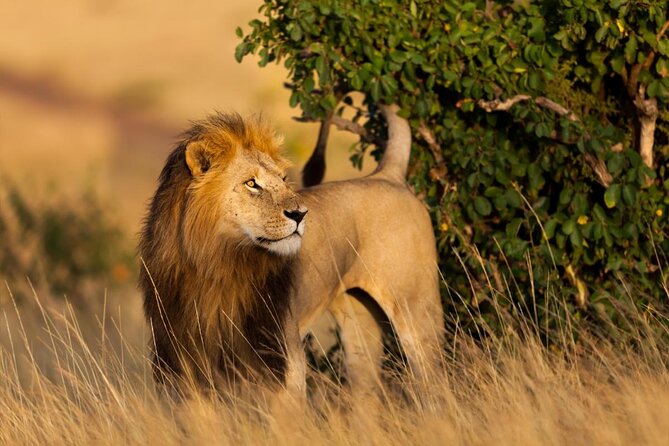
- Big Five odds in one reserve: lion, elephant, rhino, buffalo, leopard possible during your Mara days
- Lake Nakuru wildlife focus: flamingos and pelicans plus rhinos and waterbucks
- Lake Bogoria geothermal stop: hot springs with a memorable picnic-lunch moment
- Mgahinga gorilla trek: local guides, thick jungle, and about an hour of gorilla viewing when you find them
- Real cultural add-ons: Batwa cultural heritage visit and optional canoeing, plus Nile-area craft markets
Nairobi-to-Road Trip: Getting Started Near the Airport
Your tour kicks off with airport pickup and a tour briefing, then you spend the first night near Nairobi at the 67 Airport Hotel (bed and breakfast). This is a smart way to start, especially if you’re arriving from far away and want to avoid racing straight into a long day without sleep.
The plan then shifts into safari mode: your next morning is for getting out and moving toward the Rift Valley, with time built in for check-in and first viewing. If you care about comfort, the good news is that the safari transport is set up with a first-aid kit, an ice-chest, and a fire extinguisher in each 4×4 Toyota Hiace minivan. You’ll also have unlimited bottled mineral water during game drives, which is one of those small details that keeps the day from feeling grindy.
One practical note: this is a private tour, meaning it’s only your group. That matters because game viewing and timing often feel more relaxed when you’re not negotiating with a large mixed crowd.
Maasai Mara National Reserve: Where the Big Cats and Big Numbers Meet
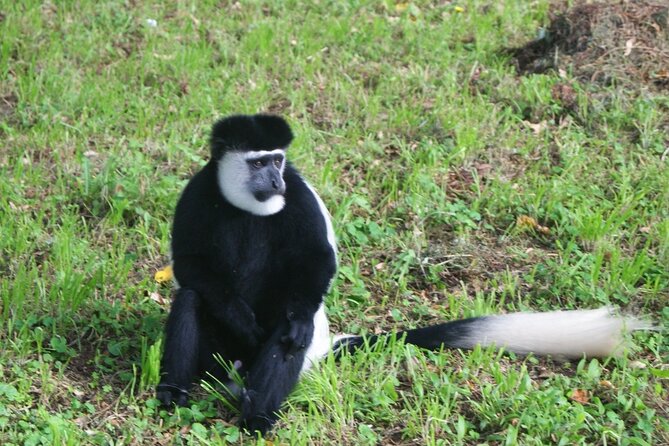
Masai Mara is the headline for a reason. You’ll drive along the Great Rift Valley, passing by the extinct volcano of Mount Long’onot, then arrive for camp check-in and lunch. That’s a smooth landing rhythm: drive, settle, eat, then go wildlife-hunting in the afternoon.
What I like here is the classic Mara pattern: you don’t just “arrive and see.” You actually get time to watch how animals move through the day. On your first Mara wildlife day, you’ll have the chance to spot giraffes, elephants, monkeys, leopards, lions, gazelles, and lots of bird life. The reserve is so wildlife-dense that even if you don’t hit every target, you still feel like you’re in the middle of constant action.
Then comes the value of having a full second day in the reserve: you get morning and afternoon game drives. That’s where your chances improve for the headline species people come for. The trip is set up to make the “Big Five” hunt realistic, with the big five listed as lion, elephant, rhino, buffalo, and leopard. You’re also looking for wildebeests, zebras, cheetahs, and gazelles.
Potential drawback to keep in mind: lodges can make or break the feeling of Mara days. In one piece of feedback tied to this style of safari, the stay in Mara wasn’t great and the drive from Nairobi into western Uganda later felt endless. I can’t control lodging quality for your specific dates, but you can protect yourself by confirming where you’ll sleep and what kind of room setup you’ll get before you pay the final balance.
Lake Nakuru National Park: Flamingos, Pelicans, and Rhino Probability
After breakfast, you head to Lake Nakuru National Park for lunch and check-in, then go out for an afternoon game drive with the lake as the focus. This is a different kind of day from Mara because Nakuru balances birds, shoreline feeding, and land animals in a tight area.
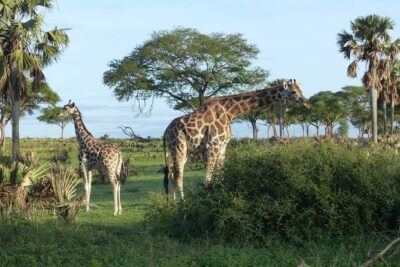
You’ll be checking the lake for flamingos and pelicans, and you’ll also look for white and black rhinos, Rothschild giraffe, waterbucks, and other wildlife. Nakuru can feel like a bird-and-mammal playlist: sometimes the lake steals the show; other times a rhino sighting or a giraffe in open view pulls you away from the water.
If you love photography, this is one of the best parts of the trip to slow down. The combination of bright birds on the water and larger mammals nearby makes it easier to get variety in your shots without constantly changing regions.
Lake Bogoria: A Geothermal Lunch That Makes You Look Twice
Lake Bogoria is the kind of stop you remember because it’s oddly hands-on. You leave in the morning, arrive for check-in and a geothermal-focused experience, and you’ll have a picnic lunch with you. The park is known for springs and hot, warm, and cold geysers coming up because of volcanic activity.
A fun practical moment is included: you’ll do a simple experiment using eggs to test how hot the geysers are. It’s not just a spectacle. It’s a way to make the science feel real and not just like “another viewpoint.”
If you’re the type who likes experiences that break the safari routine, Bogoria helps. It also adds a mental reset between game drives and driving days. Just remember: geothermal areas can be unpredictable underfoot, so wear shoes with good grip and don’t rush.
Jinja and the Nile Source: Craft Markets, Local Life, and Optional Adventure
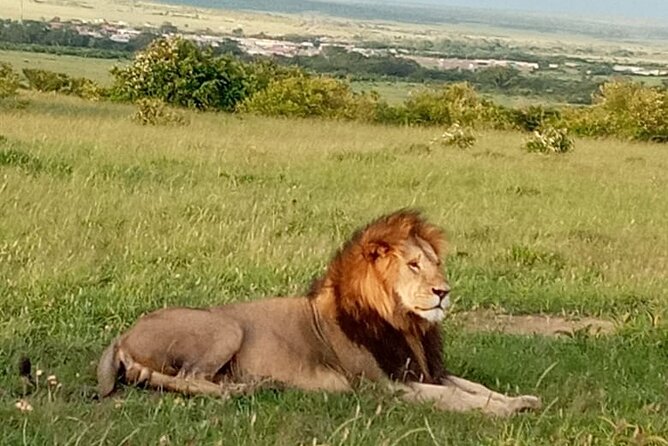
Jinja shows up twice in the plan. The first time, you transfer via the Malaba border and drive to the source of the Nile, then spend time at the source and browse craft markets and get to know locals. The day is also positioned with optional adventure ideas like white-water rafting and kayaking.
Later, you return to Jinja again after breakfast. This second Jinja day includes the source of the Nile again, with a note that the Nile was discovered by John Hanning Speke. Jinja is described as an “adventures capital” of East Africa, so it’s a place where you can expect activities to be part of the local scene.
Why this matters for you: it gives your trip texture beyond wildlife. After days of spotting animals, you get a grounded human-scale experience—markets, river energy, and daily life around one of the world’s best-known rivers.
Possible consideration: these are long days of travel. The tour data shows big blocks of time here, so if you get motion-sick, bring what works for you and plan for some quiet time in the minivan.
Lake Bunyonyi: A High-Altitude Pause Before Gorilla Trekking
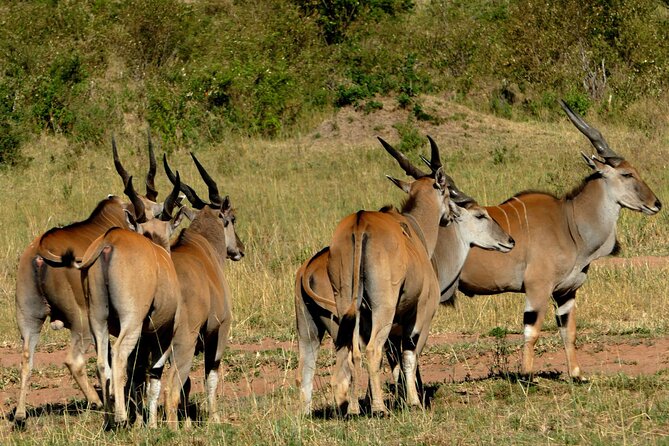
Then you head to Lake Bunyonyi, Uganda’s highest town (around 2000m). You’ll drive through scenic scenery along the way, check in, and camp at the lake. Bunyonyi is known as Africa’s deepest crater lake (around 900m), and the name means place of the little birds, so bird life is part of the appeal.
This is a smart scheduling move for gorilla trekking. You’re not going straight from driving chaos into jungle climbing. You get a relaxing evening to prepare for the trek ahead.
If you care about pacing, Bunyonyi is where the trip finally feels like it has a breath. It also tends to suit travelers who want natural calm paired with at least one active day coming next.
Batwa Cultural Heritage Day: Optional Community Walk and Lake Time
After breakfast, you have a day with a Batwa Cultural Heritage component. There’s an optional guided walk that lets you visit local community life. You may have the option to visit with the local Batwa people, or go canoeing on the lake.
You’ll return to camp for lunch, then you have free time to visit an orphanage in the local village or just relax. This mix is important: it gives you structure, but it doesn’t force one single way of spending your day.
One practical note: the Batwa walk/canoe option and any village-related add-ons are listed as not included. If that part of the itinerary matters to you, decide early how much you want to spend so there are no surprises later.
Mgahinga Gorilla National Park Trek: The Day You’ll Talk About for Years
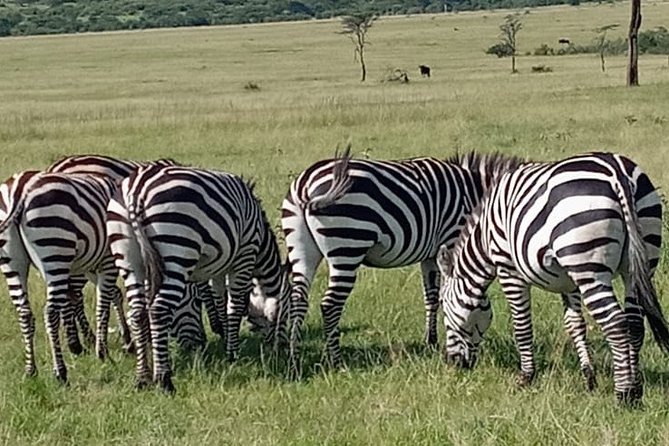
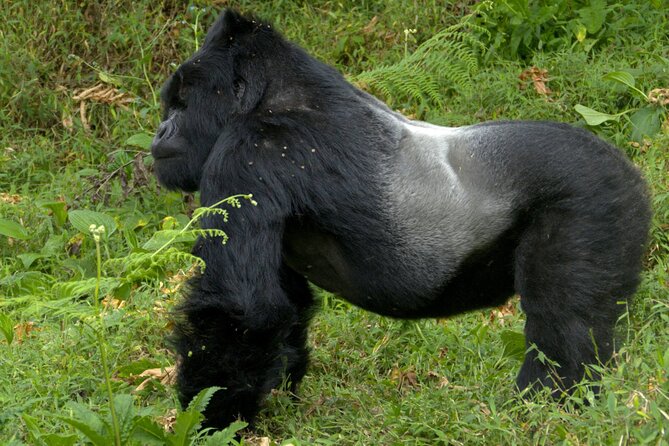
This is the core of the Uganda section. You’ll drive over mountains to your base at Mgahinga Gorilla National Park. The park is home to more than half of the world’s endangered mountain gorilla population and also golden monkeys.
Then you trek. The plan is straightforward but not easy: it can be demanding and lasts the day long, led by experienced local guides through thick mountain jungle. You’ll be reminded to bring a water bottle and wear good walking shoes or boots.
When you find the gorillas, you’ll observe them for about an hour. That timing is strictly governed, which is good for conservation and good for the experience because it keeps the gorilla encounter focused and respectful.
The best advice I can give you is to treat this day like a mission, not a hike for fitness bragging rights. Pace yourself from the start. If you feel like you’re pushing, slow down. Gorilla trekking rewards patience, not speed.
And remember the human side: in feedback tied to this safari, a guide named David was highlighted as fantastic for making the trip feel fun and safe. You’re in hands-off-but-near territory. A steady guide makes a big difference when the terrain and the waiting are both real.
Lake Naivasha: Afternoon Boat Time and a Comfortable Night Stop
Later you drive to Lake Naivasha with stops for lunch en route. Once there, you can relax in your room or opt for an afternoon boat ride (listed as not included).
This is a lighter-feeling day after the intensity of gorilla trekking. It also helps rebalance the trip: you go from the thick jungle of Mgahinga back into open-water wildlife vibes.
When you’re done, you dine and spend the night at Fisherman’s Camp–Kasuku Cottage (as noted in the tour details). If you want a comfortable landing after big effort, this is a helpful final rhythm before the trip closes.
Final Drive Into Nairobi: Wrap-Up, Lunch En Route, and Time to Breathe
On your last day, you’ll have breakfast, then you’ll be picked up around 8:30 am for Nairobi with lunch en route. The tour ends in Nairobi, and you’re set to transition into your onward travel.
This final day is intentionally paced. It gives you time to reset after the most physical and emotional days. You’ll leave with a stack of memories, but also with practical perspective: how animals behave across regions, how conservation is managed, and how quickly a single animal encounter can make a whole trip feel worthwhile.
Price and Value: What $4,150 Buys You Here
At $4,150 per person for about 12 days, you’re paying for more than just “transport plus parks.” You’re paying for a full cross-country route that includes major wildlife regions in Kenya, plus a gorilla trekking day in Uganda.
Here’s what that money is covering, based on what’s included:
- Park entrance fees and game drives as noted in the schedule
- Gorilla entrance park fees
- All government taxes, levies, and fees
- Pick up and drop off transfers
- Meals: breakfast (12), lunch (11), dinner (10)
- Unlimited bottled mineral water during game drives
- Safety gear in the minivan and first-aid support
- A window seat for every passenger
What you’re likely to pay extra for:
- International flights
- Tips/gratuities for your driver/guide
- Alcohol and other beverages (water is provided on game drives)
- Optional activities such as balloon rides, village visits, and boat rides
In plain terms, the biggest value lever is that the safari handles the expensive gate fees and the gorilla entrance portion, plus the driving and meals that otherwise add up fast. The biggest caution lever is that you’ll still need to budget for optional add-ons and tipping, and you should mentally plan for long travel blocks between regions.
Best Fit: Who This Safari Works For
This tour fits best if you:
- Want a Kenya + Uganda combo without planning it yourself
- Are excited by big wildlife variety: Mara, Nakuru, Bogoria, then Mgahinga
- Value a real gorilla trekking day, even if you have to work for it
- Like cultural add-ons such as the Batwa heritage experience and Nile-area time
It may not be ideal if you:
- Want a fully low-effort itinerary (there’s at least one demanding trekking day)
- Strongly dislike long driving days between regions
- Expect luxury accommodations in every stop without checking details
Should You Book This 12-Day Kenya and Uganda Safari?
If your dream includes mountain gorillas plus iconic East Africa parks, this is a strong fit. The combination of two full Mara days, a Nakuru bird-and-rhino window, the Lake Bogoria geothermal stop, and then the Mgahinga gorilla trek makes it feel like a complete sampler of the region’s top experiences.
My recommendation: book if you’re comfortable with physical trekking effort and you’re okay with some long drives. Before you finalize, confirm what type of lodging you’ll get in Mara and whether any optional activities you care about are worth adding now. If gorilla trekking is the main event for you, build your trip around that day and pack accordingly.
FAQ
How long is the safari?
The safari runs for 12 days (approximately).
What is the starting point and pickup situation?
You’re picked up at the airport on arrival and taken to a hotel for a tour briefing before the tour begins the next day. Transfers are included, and the meeting point start time is listed as 12:00 pm.
What does the price include?
The package includes park entrance fees and game drives as noted, gorilla entrance park fees, government taxes/levies/fees, pick up and drop off transfers, and meals (breakfast, lunch, and dinner).
Are meals provided?
Yes. Breakfast is included for 12 days, lunch for 11 days, and dinner for 10 days.
Is bottled water provided?
Yes. Unlimited bottled mineral water is provided during game drives.
Are gorilla trekking costs included?
Gorilla entrance park fees are included, and the trek is led by local guides during the Mgahinga gorilla trek day.
What optional activities can I add, and what do they cost?
Optional activities listed include a balloon ride (USD 470 per person), a village visit (USD 20 per person), and a boat ride (USD 30 per person). Canoeing is also mentioned as an option during the Batwa heritage day, but its price is not specified in the provided details.
What’s the cancellation policy for a full refund?
You can cancel up to 6 days in advance for a full refund (at least 6 full days before the experience’s start time).
If you want, tell me your travel month and your fitness level, and I’ll suggest what to prioritize (and what to skip) for the smoothest Mara-to-Mgahinga flow.