REVIEW · KATHMANDU
Ghorepani – Poon Hill Trek – 5 DAYS
Book on Viator →Operated by Alpine Club of Himalaya · Bookable on Viator
Poon Hill is the quick fix for big mountains. This 5-day Ghorepani–Poon Hill trek strings together Kathmandu, a Pokhara warm-up, and tea-house walking that ends at one of the most famous sunrise viewpoints in the Annapurnas. One of the best parts is how the itinerary mixes scenery with real village routes used by Gurung and Magar communities.
I especially like the way this trip handles the logistics for you. You get pickup/drop in private transport, flights between Kathmandu and Pokhara, and a real trekking team: an experienced English-speaking guide plus a porter (using the common setup of 2 trekkers per porter). I also love the emphasis on the Poon Hill panorama itself, with the sunrise view described from Dhaulagiri and Annapurna across to Machhapuchhre/Fishtail Peak.
The only drawback to plan around is comfort expectations. Tea houses are included for 3 nights, but bathrooms are shared, and extras like hot showers, hot water, Wi-Fi, and mineral water are not. If you’re the type who hates stairs or cold nights, you’ll want to think hard before booking.
In This Review
- Key highlights worth waking up for
- How This 5-Day Poon Hill Trek Hits Big Views Fast
- Kathmandu Arrival Day: Welcome Dinner and a Soft Start
- Pokhara Warm-Up: Seti River Gorge, Caves, and Phewa Lake
- Trek Kickoff at Nayapul: Birethanti, ACAP, and TIMS Check
- Ulleri Stairs and Rhododendron Forests to Ghorepani
- Poon Hill at Dawn: From Dhaulagiri to Annapurna to Machhapuchhre
- Tea Houses, Shared Bathrooms, and the Meals You Actually Get
- Guides and Support: Sujan, Ding, and Why It Changes the Trip
- Price and Value: What $999 Covers (and What It Doesn’t)
- Who This Poon Hill Trek Is Best For
- Should You Book? My practical decision checklist
- FAQ
- FAQ
- How long is the Ghorepani – Poon Hill Trek?
- What permits do I need for the trek?
- What’s included for transfers in Nepal?
- Do I fly between Kathmandu and Pokhara?
- How many nights do I stay in tea houses?
- What meals are included on the trekking days?
- Is Wi-Fi or a hot shower included?
Key highlights worth waking up for
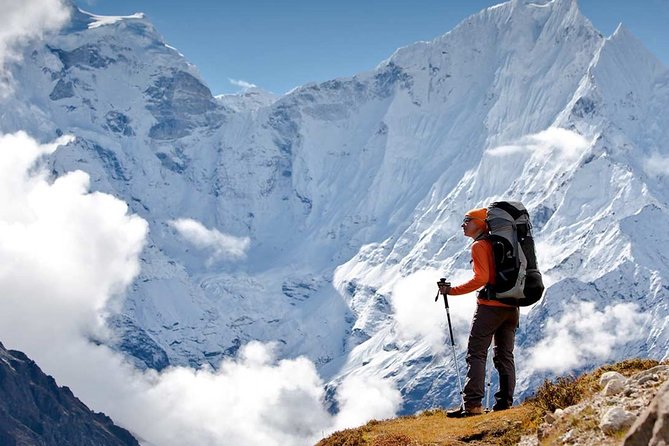
- Sunrise view from Poon Hill: Himalaya-wide views stretching toward Dhaulagiri, Annapurna, and Machhapuchhre
- A guided, permit-managed trek: TIMS and an Annapurna-area national park permit handled as part of the process
- Stair-heavy day on purpose: the Ulleri ascent includes a long stone staircase (often talked about as 3,300+ steps)
- Pokhara sightseeing before the trek: Seti River gorge, Davie’s Falls, caves, and a relaxed Phewa Lake boat row
- Built-in trekking support: English-speaking guide and porter so you can focus on walking and views
- Beginner-friendly pacing, with real effort: short enough for many first-time trekkers, but still not a stroll
How This 5-Day Poon Hill Trek Hits Big Views Fast
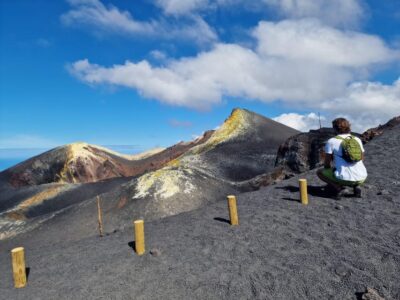
If you want Annapurna views but don’t want a long trek, this is built for you. The core reward is the climb to Poon Hill, timed for sunrise so the major peaks come into view as the light changes. The trek itself is mostly village-to-village walking, with forests and ridges that keep the route feeling varied.
In this kind of short trek, the value comes from what you don’t have to plan. You don’t have to figure out permits, meals on the trail, or where your guide and porter are coming from. You also get flights that cut travel time, which matters a lot when your whole trek is only five days.
The important consideration is that “short” doesn’t mean “easy.” There’s a famously steep day with stone stairs, and you’ll be hiking most of the daylight hours on multiple days.
You can also read our reviews of more tours and experiences in Kathmandu.
Kathmandu Arrival Day: Welcome Dinner and a Soft Start
On day 1, you land at Kathmandu International Airport and meet the tour representative. After check-in, the rest of the day is yours to explore at your own pace, with a welcome dinner included.
Why this matters: Nepal start-up logistics can be messy if you try to do everything alone. Getting checked into a hotel that night means you’re rested before flights and trail walking. It also gives you time to adjust to the city’s rhythm—traffic, walking pace, and the general buzz of Kathmandu.
If you like easy first steps, this is a good setup. You’re not thrown directly onto a bus or into a trek on day 1.
Pokhara Warm-Up: Seti River Gorge, Caves, and Phewa Lake
Day 2 begins with a short flight from Kathmandu to Pokhara (listed as about 25 minutes). Pokhara is your staging ground, and the itinerary uses that time well. You visit the deep, narrow gorge of the Seti River, then head to Davie’s Falls.
From there, you go into the Gupteswar Cave and the Bat Cave. The evening then shifts to a more relaxed pace on Phewa Lake, with time for a leisurely row on the water.
This pre-trek mix is smart. It breaks up the day so you’re not thinking only about trekking gear and permits. It also helps you get a sense of Nepal’s variety: river gorges, cave systems, and lakeside calm—all before you start climbing.
After breakfast, you drive about 41 km (25 miles) to Nayapul, where the trek starts.
Trek Kickoff at Nayapul: Birethanti, ACAP, and TIMS Check
Once you arrive at Nayapul, the walking begins with a trail that drops toward a bridge over a small stream, leading you to Birethanti. Birethanti is described as a large and prosperous village, which usually means you’ll find basic tea-house infrastructure and everyday village life along the route.
Next comes the administrative part, but it’s not complicated if you’re prepared. You pass the ACAP Check post where you need to show the ACAP permit and TIMS card. That checkpoint step is important because it keeps you legal for the protected-area trek.
Practical note: if you’re bringing documents from abroad, double-check you have the required permits/TIMS in the format the trek organizer expects. With trekking, losing time at checkpoints is annoying.
This day’s walking sets the tone: you’re not just hiking through scenery—you’re moving through a living network of settlements.
Ulleri Stairs and Rhododendron Forests to Ghorepani
Day 3 is your heavier walking day. You start by crossing the Tikhedhunga Khola on a suspension bridge, then the route drops and crosses the Bhurungdi Khola on a large bridge at 1,520 m. After that, the climb turns steep.
The itinerary calls out a stone staircase said to be more than 3,300 steps, and the climb continues up to Ulleri (2,080 m). This is the kind of ascent where it’s less about speed and more about steady rhythm. Your guide and porter support are valuable here because you can keep your focus on pacing.
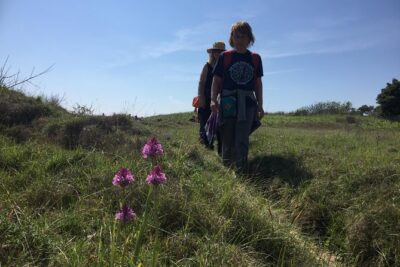
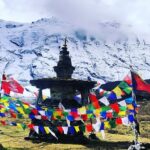
After Ulleri, the route eases into pastures and cultivated fields. Then the trail shifts into deep forests with oak and rhododendron. You also pass clear streams along the way, so the route stays interesting even when your legs are already tired.
You reach the Magar village of Nangathanti (2,460 m) after another final climb. About an hour after that village, you arrive at Ghorepani for the evening tea-house stay.
Why this day matters: it’s a full mix of effort and variety. You get bridges, stairs, villages, and forest walking. It’s also the day that best sets up the sunrise reward, because you’re arriving positioned for the early morning climb.
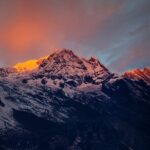
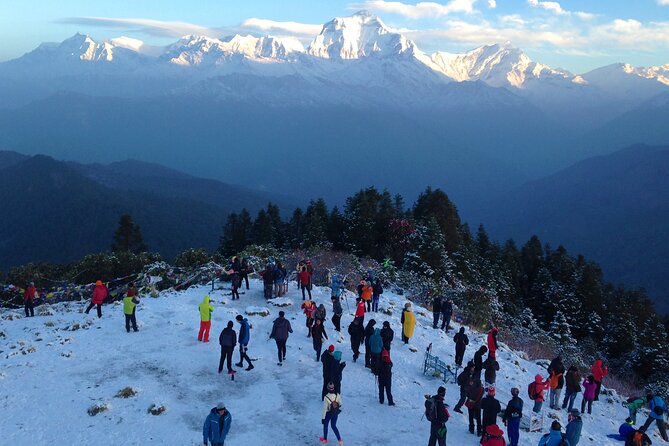
Poon Hill at Dawn: From Dhaulagiri to Annapurna to Machhapuchhre
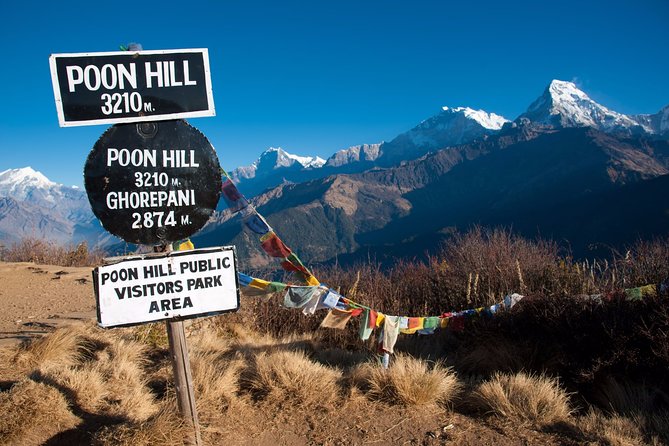
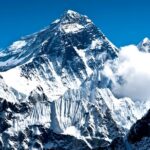
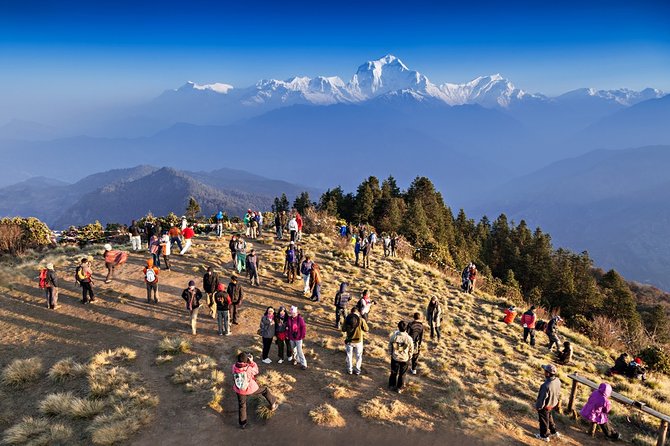
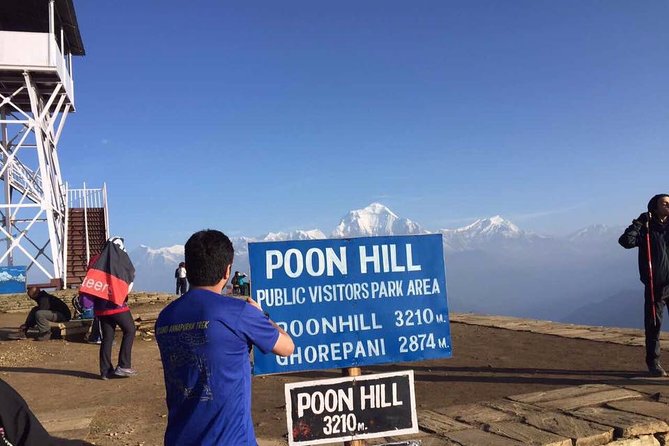
Day 4 is all about the viewpoint. You climb for about an hour to reach Poon Hill, which is described as offering a spectacular panorama across a huge range of peaks.
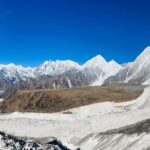
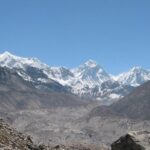
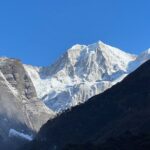
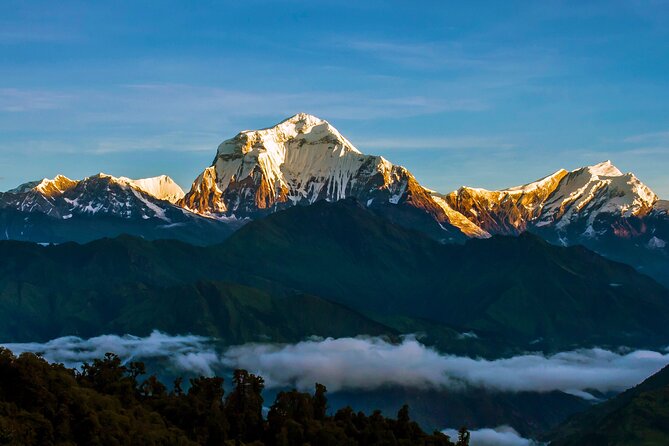
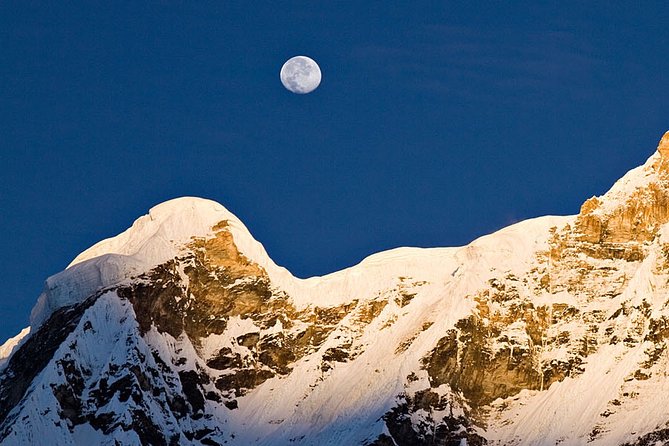
The view is framed from Dhaulagiri (8,167 m) and Tukuche (6,920 m) to Nilgiri (6,940 m), Annapurna South, Annapurna I (8,091 m), Hiunchuli (6,441 m), and Tarke Kang (7,193 m). And, of course, Machhapuchhre (Fishtail Peak) dominates the skyline in the Annapurna region.
The best way to think about the sunrise here: you’re waiting for light to do the real work. Clouds can change fast, but when visibility lines up, the peaks come into view gradually, which makes the payoff feel almost step-by-step rather than instant.
After the viewpoint time, you move onto the walking portion. The itinerary notes you take the main trail that drops south—first via staircases—then continues on a stone-paved trail above the river. You cross a stream at Chane (1,690 m), then continue to Kimche (1,640 m). From there, you follow the ridge downhill to join the Modi Khola at Syauli bazaar (1,140 m).
At that point, the walking is flatter and you continue through the river valley area toward your next tea-house night.
This is the “balance” day. Your hardest moment (the sunrise climb) happens early, then the rest of the day is more manageable.
Tea Houses, Shared Bathrooms, and the Meals You Actually Get
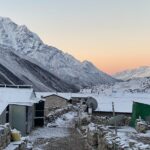
This trek includes 3 nights in tea houses, and the note is clear: bathrooms are shared. That sounds minor until you’re tired, so it’s worth accepting up front and planning for it.
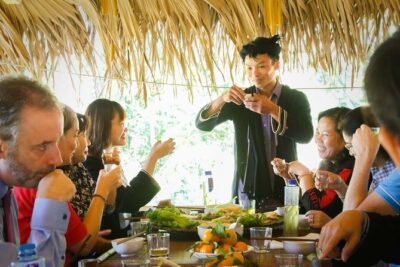
Meals on the trek are handled for you. You’ll have breakfast, lunch, and dinner during the walking days, plus tea/coffee each time. That structure is a big deal when you’re trekking—finding food every stop would slow you down and add stress.
What’s not included: hot shower, hot water, Wi-Fi, and mineral water. Those are easy to overlook when you’re budgeting. If you expect a western hotel setup, you’ll likely feel let down. If you pack smart and accept tea-house basics, you’ll be fine.
Also included are practical trekking items: a down jacket and sleeping bag that you must return after the trek. If you already own your own winter gear, you might still appreciate the convenience here, especially for a short trek where packing space matters.
And yes, you’ll get an ACH kitbag and a T-shirt as part of the included items.
Guides and Support: Sujan, Ding, and Why It Changes the Trip
Support isn’t just “nice to have” on a trek like this. The trek includes an experienced English-speaking guide and a porter, and those two roles can change how tiring the day feels.
In the notes from past experiences connected to this operator, Sujan is often highlighted for fast responses and flexibility when plans need adjusting. That’s the difference between feeling stuck with an itinerary and feeling like you’re traveling with a team.
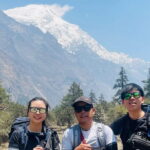
The trekking guide name Ding shows up in feedback as patient and caring, especially for groups that weren’t extremely experienced. That matters on stair-heavy days and early mornings, because confidence and pacing are part of safety.
Even when the mountains do what they want, a good guide makes the route feel readable. You know what’s next, what you’re aiming for, and how to conserve energy for sunrise.
Price and Value: What $999 Covers (and What It Doesn’t)
At $999 per person for a 5-day trek, the value depends on what you’d otherwise have to arrange yourself. Here’s what’s included that usually costs real money when booked separately:
- Private car/van transfers for airport and hotel pickup/drop
- 1 night in Kathmandu with breakfast
- Flights between Kathmandu and Pokhara and return to Kathmandu
- 3 nights in tea houses during the trek (shared bathroom)
- English-speaking guide and porter (with salary, food, insurance, and lodging covered for them)
- Meals on the trek: breakfast, lunch, dinner, plus tea/coffee each time
- National park permit and TIMS for the Annapurna area
- Down jacket and sleeping bag (returned after trek)
Now, the costs that commonly hit people later are not included:
- Nepal entry visa fees
- International airfare (and departure taxes)
- Tips for guides/porters
- Mineral water, hot shower/hot water, Wi-Fi
- Laundry, bar bills, and personal expenses
- Lunch in Kathmandu (if you’re around for extra days)
So is it worth it? For most people, yes—if you want the short trek with most major pieces handled. If you already have permits, your own gear, and you’re comfortable arranging tea-house stays and guide time, the price might feel high. But the included flights, permits, meals, and staff support are exactly the stuff that makes trekkers overspend on their own.
Who This Poon Hill Trek Is Best For
This trek fits best if you want a classic Annapurna experience on a tight schedule. It’s also a good match for first-timers who want guidance through the steepest parts, since the operator support and structured meals remove a lot of guesswork.
You’ll probably enjoy it if you like:
- early mornings for big views
- walking through village life rather than only mountain ridge lines
- a mix of comfort and rustic travel (tea houses, not camping)
You might not enjoy it as much if:
- you hate stairs or long steep climbs (day 3 includes a major stone stair section)
- you need private bathrooms and hot showers
- you’re expecting Wi-Fi or lots of creature comforts
Should You Book? My practical decision checklist
Book it if you’re aiming for maximum mountain payoff in about 5 days, and you’re okay with tea-house reality (shared bathrooms, limited modern comforts). The big selling point is the sunrise-driven Poon Hill panorama, plus the fact that the trek is structured with permits, meals, and a guide/porter team.
Hold off if you’re very sensitive to cold or if shared bathroom setups would ruin your experience. Also, if you want a gentler trek with less stair climbing, you might look at a different route in the region.
One more note: if plans change, there is free cancellation up to 24 hours before the start time for a full refund, so you have a small safety net to make the call.
FAQ
FAQ
How long is the Ghorepani – Poon Hill Trek?
The trek is listed as 5 days (approx.).
What permits do I need for the trek?
You need the ACAP permit and TIMS card. The route includes a stop at the ACAP Check post where you show them, and the national park permit and TIMS for Annapurna are included.
What’s included for transfers in Nepal?
All airport and hotel pick up and drop off are included using a private car/van.
Do I fly between Kathmandu and Pokhara?
Yes. The itinerary includes a flight from Kathmandu to Pokhara (about 25 minutes) and a return flight back to Kathmandu.
How many nights do I stay in tea houses?
You stay 3 nights in tea houses during the trek, with sharing bathroom facilities.
What meals are included on the trekking days?
During the trek, breakfast, lunch, dinner, and tea/coffee are included each time.
Is Wi-Fi or a hot shower included?
No. Wi-Fi, hot shower, and hot water are listed as not included.