REVIEW · KATHMANDU
8 Days Private Guided Trekking in Annapurna Circuit with Pickup
Book on Viator →Operated by Bold Himalaya Treks and Travels Pvt Ltd · Bookable on Viator
A serious trek, but with logistics handled for you. This private guided Annapurna Circuit trip strings together the classic mountain villages, altitude highs, and a smooth ride plan that starts from your pickup point.
I especially like that you get the trail basics locked in: permits (Annapurna Conservation Area + TIMS) are included, and meals are covered for the full trekking run. You also have real-human support built in, with guides who have helped people manage pacing and altitude issues like sickness at elevation.
One consideration: the route includes a high, early-morning pass day, so you need solid fitness and good weather. If you’re sensitive to altitude, it’s smart to talk with your doctor before committing.
In This Review
- Quick hits before you go
- Private Annapurna Circuit Trek With Pickup: the value behind the price
- Where the journey starts: Kathmandu pickup and the ride to Chame
- Day 2: Dhikur Pokhari to Upper Pisang through forests and local villages
- Day 3: Ngawal viewpoints to Manang and that first big altitude feeling
- Day 4: Manang acclimatization, plus Gangapurna Lake as an optional hike
- Day 5: Letdar to Yak Kharka and the shift into higher alpine terrain
- Day 6: Yak Kharka to Thorong High Camp (4450m) and your pass base
- Day 7: Thorong La Pass (5416m) to Muktinath, then drive toward Jomsom
- Day 8: Jomsom to Pokhara by jeep and closing out with lake-city time
- Guides and support: why the human part shows up in the details
- What’s included (and how it boosts real comfort)
- Itinerary pace and physical demands: who this trip suits best
- Practical planning tips you’ll thank yourself for
- Should you book this Annapurna Circuit trek?
- FAQ
- How long is the Annapurna Circuit trek in this package?
- Where does the trek start and end?
- Is pickup included?
- What permits are included?
- Are meals included in the price?
- Do I need to bring trekking poles or a sleeping bag?
- What happens if the weather is poor or I need to cancel?
Quick hits before you go
- Private group with a real guide: you’re not just dropped into the system.
- Permits and TIMS included: less paperwork anxiety before you start hiking.
- Meals are covered: breakfast, lunch, and dinner during the trek days.
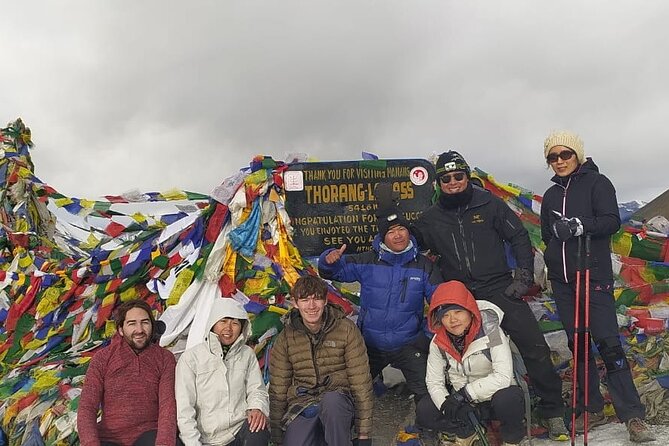
- Thorong La at 5416m: the big day is clear, early, and built into the schedule.
- Pokhara by jeep after Jomsom: you finish with a practical transfer, not a long grind.
Private Annapurna Circuit Trek With Pickup: the value behind the price
At $260 per person for an 8-day Annapurna Circuit experience, the value mainly comes from what you don’t have to coordinate. You get permits, daily meals during the trek days, and guided support with the usual trek essentials handled through the operator. That’s the kind of cost that actually matters when you’re traveling in a place where one missing detail can snowball into wasted time.
This is also positioned as a private tour, meaning only your group participates. Still, note the wording around transportation: some rides are shared (like the jeep segments). So you get privacy on the trek experience, but you’ll still be moving with other trekkers for parts of the route. That’s normal on popular circuits, and it’s usually the price of keeping transfers efficient.
The overall structure is “trek days + driving days.” It’s not a minimalist itinerary that forces you to run everywhere on foot. You’re hiking most days, but the schedule respects that you’re covering altitude and distance, not just ticking boxes.
You can also read our reviews of more tours and experiences in Kathmandu.
Where the journey starts: Kathmandu pickup and the ride to Chame
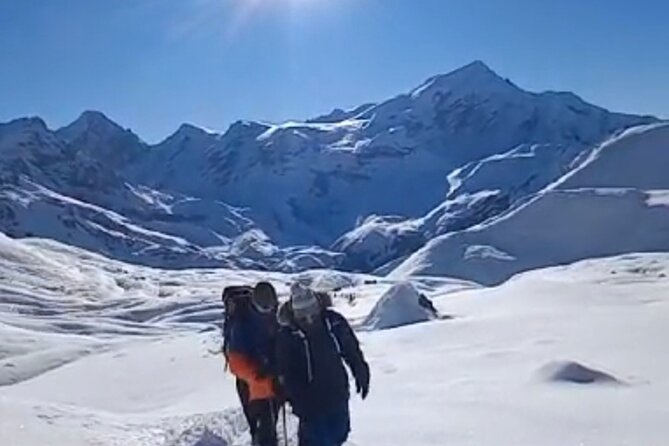
The trip begins in Nepal with pickup offered in the wider Kathmandu area, and the plan then routes you toward the trek start via Besisahar. Day 1 is built around getting into position: you drive to Besisahar and then continue by jeep to Chame.
Why this matters: it compresses your first day so you don’t lose time fighting local transport. Chame is a common on-ramp for trekkers, so reaching it by jeep helps you start the hiking rhythm without spending the whole day in transit.
The trade-off is simply that Day 1 is mostly travel. If you hate long seated hours, you’ll want to show up rested and hydrated. But once you’re moving, the rest of the itinerary is more hiking-focused.
Day 2: Dhikur Pokhari to Upper Pisang through forests and local villages
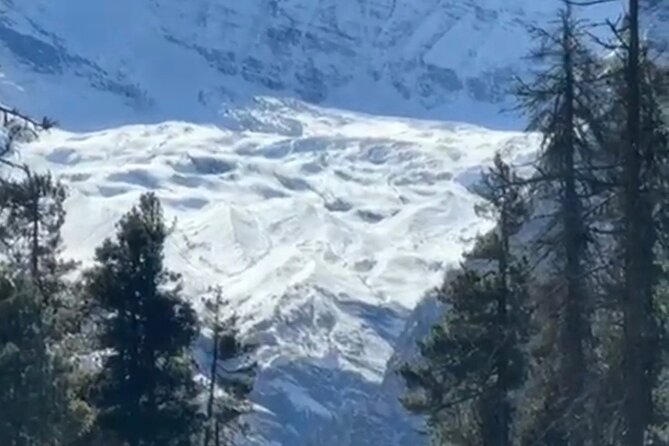
Day 2 takes you from the trail system near Dhikupokhaari village, through dense forest, and into the Annapurna viewpoint zone as you move toward Pisang. You pass Dhikupokhaari village, reach Lower Pisang, and then climb onward to Upper Pisang for the overnight.
This day is a good “first real trekking day” for a few reasons:
- You get views of the Annapurna range early, so the trek payoff starts before the big pass days.
- You also pass through working villages, not just lodges. That small human layer is where trekking becomes more than scenery.
A practical consideration: the day’s pace is described as around 5 hours. That’s not extreme for an experienced hiker, but if you’re new to altitude or you arrive in Nepal without acclimation time, plan to take it steady and let your breathing settle.
Day 3: Ngawal viewpoints to Manang and that first big altitude feeling
Day 3 moves from the region around Ngawal and its famous feel-good views, onward to Manang. The schedule is about 6 hours, and it’s one of those days where you feel the altitude shift even if you’re not at the highest points yet.
Why Manang is a key stop: it’s a major hub for Annapurna Circuit trekkers, and it’s where you slow down a bit. People often treat Manang like a checkpoint for body and mind. The itinerary does that too, because Day 4 is explicitly an acclimatization rest day.
If you like having a base where the plan assumes you’ll need time, this part of the circuit is set up well.
Day 4: Manang acclimatization, plus Gangapurna Lake as an optional hike
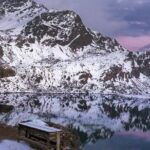
Day 4 is a rest day in Manang to acclimatize. You don’t just sit there, though. You have an optional hike to Gangapurna Lake for additional views and a higher-altitude experience.
This is one of the best design choices in the trip. A rest day on the Annapurna Circuit isn’t a luxury—it’s damage control. It helps you reduce the risk of altitude problems by building time into your plan instead of forcing “climb, climb, climb” like a video game.
What I’d watch for: the optional hike means you should be honest with yourself. If you’re feeling off, you’ll be better choosing the lighter version of the day rather than pushing just because it’s on the menu.
Day 5: Letdar to Yak Kharka and the shift into higher alpine terrain
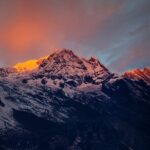
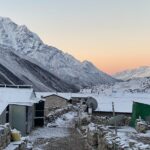
Day 5 climbs through higher, more alpine-feeling terrain, passing Letdar and continuing to Yak Kharka. It’s described as around 5 hours.
This day matters because it transitions you from the village-and-town rhythm toward the thinner-air trekking feel. Yak Kharka is also an important staging point. You’ll be close enough to the pass zone that your body starts to take altitude seriously.
A key benefit of having a guide here: pacing. In the feedback for this operator, people praised guides for adjusting pacing and even equipment so trekking feels manageable. On a day like this, small changes like slowing down at the right times can make the whole next segment easier.
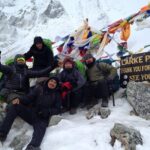
Day 6: Yak Kharka to Thorong High Camp (4450m) and your pass base
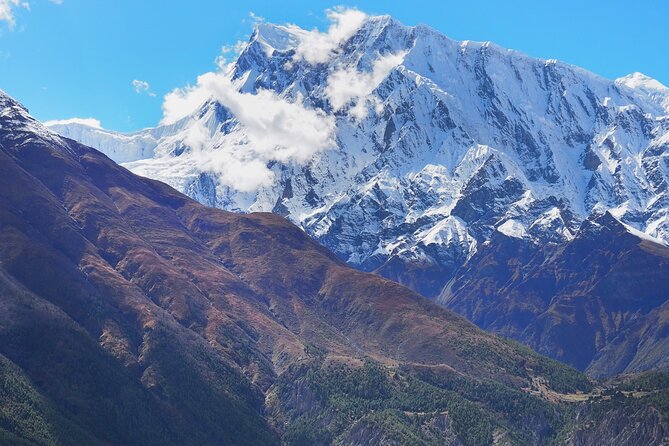
Day 6 is a shorter trek (about 4 hours) but it’s heavier in importance. You move from Yak Kharka to Thorong High Camp at 4450m, which is the crucial staging point for the Thorong La Pass.
This is where you stop treating the trek like a walking vacation and start treating it like a mountain challenge. You’ll want to think in terms of logistics and recovery: keep your effort even, keep your stops useful, and don’t turn this day into a “go hard” day.
One more reason this day is valuable: it sets you up for the pass morning. Getting to a high camp the day before can be the difference between feeling anxious and feeling prepared.
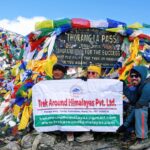
Day 7: Thorong La Pass (5416m) to Muktinath, then drive toward Jomsom
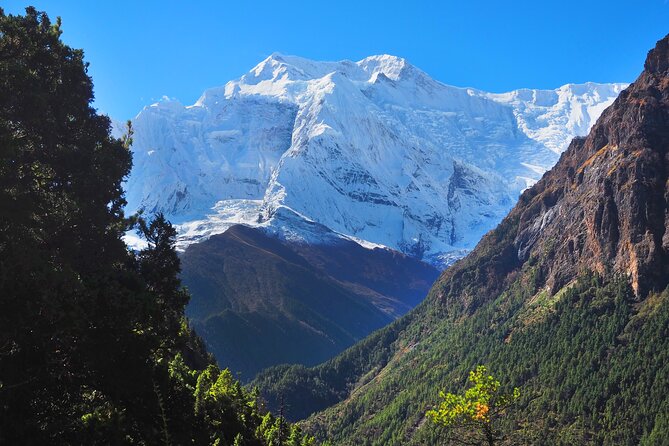
Day 7 is the signature day. You start early for the climb to Thorong La Pass at 5416m, then descend and reach Muktinath (3800m) via Thorong La route, followed by a drive to Jomsom.
This is also where the trip leans into spirituality and culture. The overview of the journey notes a stop at the sacred Lord Vishnu Temple as part of the Muktinath experience. Even if you’re not religious, these stops give the circuit texture beyond trail photos.
In terms of how the day usually feels, your energy comes down to one question: can you move steady enough during the climb? That’s exactly what guides are there for. In the feedback for Bold Himalaya Treks and Travels Pvt Ltd, multiple guide names came up for altitude support and pacing help when people felt unwell. One standout example was a guide being extremely helpful during altitude sickness so the trek stayed doable.
After the descent, the drive toward Jomsom is the relief valve. You’re not stuck walking your way out. It’s a practical way to end a punishing day with forward motion.
Day 8: Jomsom to Pokhara by jeep and closing out with lake-city time
On Day 8 you’re back in transit: Jomsom to Pokhara by jeep. It’s listed as about 6 hours, which is a long ride day, but it gets you out of the mountains and into a real-world place to decompress.
Pokhara is also where the trip style finishes nicely. The itinerary description frames it as arriving at a beautiful lakeside area, and that’s the right emotional ending after a high pass trek.
If you’re the type who wants a full reset, this final day is where you cash out: shower, stretch, and eat something that feels like a normal meal, not trek fuel.
Guides and support: why the human part shows up in the details
This operator, Bold Himalaya Treks and Travels Pvt Ltd, runs the trek with guides who handle more than just directions. The trip includes a guide with insurance, plus the guide’s salary, food, and accommodation. The tour also includes first aid medicine, which matters when altitude turns your body into a complicated machine.
What I like most is the way support shows up in real scenarios:
- People praised guides like Sobit and Sirjan for good humor and cultural knowledge, which makes long trekking days feel lighter.
- Others credited guides such as Garap with adjusting equipment and pacing to help someone finish the trek when they hadn’t had much time to prepare in Kathmandu.
- Bijay was praised for making the circuit a standout first experience.
- Ramesh came up in a way that suggested strong organization and a smooth overall trip experience.
- One account highlighted Sirgan (spelling as shown in the feedback) being helpful when altitude sickness hit.
Now, I’ll add a balanced note: every mountain reacts to your body differently. No guide can promise you’ll never get symptoms at high altitude. But a good guide can help you respond correctly—slowing down, checking how you feel, and keeping you on the safest version of the plan.
What’s included (and how it boosts real comfort)
Here’s the value play. This trek covers a lot of the “boring but costly” items so you can focus on trekking.
Included essentials:
- Sleeping bag and trekking poles if you need them
- Permits: Annapurna Conservation Area permit + TIMS card
- Guide support: insurance, and the guide’s food/accommodation and work costs
- Transportation: shared transport from your location (Kathmandu, Pokhara, Chitwan) to Besisahar to Chame by jeep, plus Jomsom to Pokhara sharing
- Meals: breakfast (7), lunch (7), dinner (7)
- Some seasonal fruit
- First aid medicine
- Trip certificate
- Official taxes/service charge
Why this helps you: on a trek like the Annapurna Circuit, you’ll pay for many small items across multiple days—gear rentals, permit fees, food costs, and last-minute transport fixes. Bundling these into the package reduces the chance you’ll scramble at the last minute.
What’s not included:
- Extra meals outside the included plan
- Tips for the guide
- Travel insurance
- Bar bills
That “not included” list is normal for trekking packages. Still, I’d treat travel insurance as a must, not a maybe, because the itinerary includes high elevation and a major pass day.
Itinerary pace and physical demands: who this trip suits best
This is listed for moderate physical fitness. That’s a helpful phrase, but it doesn’t mean “easy.” You’re trekking multiple days with altitude climbing, and Day 7 is the obvious challenge with the 5416m Thorong La Pass.
So who fits best:
- You’re comfortable hiking for several hours a day.
- You can handle big altitude days with patience and steady effort.
- You like structured guidance when the route gets demanding.
Who should reconsider:
- If you know you’re very altitude-sensitive or you have health concerns, you should consult a doctor first. The trip notes that health-related issues should get medical advice.
Also, keep in mind it requires good weather. If weather cancels the trek, you’ll be offered a different date or a refund (as stated in the policy details).
Practical planning tips you’ll thank yourself for
Even with a guided setup, your choices affect how you feel.
- Plan to be flexible on effort, especially in the pass build-up days. The itinerary has key staging points, so follow the guide’s pace.
- Treat your acclimatization seriously. The Manang rest day exists for a reason.
- Have a realistic gear plan. If you need poles and a sleeping bag, they’re included. If you bring your own, make sure it’s in working shape before arriving.
- Think about cold and altitude physiology for high camps and high passes. The itinerary hits 4450m and 5416m, so you’ll want layers and a system that keeps you warm enough.
Should you book this Annapurna Circuit trek?
If you want the Annapurna Circuit experience with less guesswork, I’d put this on your shortlist. The big reasons are practical: permits + meals are included, pickup and transfers reduce friction, and you’ll have a guide with first aid support who’s been praised for pacing and altitude help (including when sickness happened).
I’d only hesitate if you’re not ready for high altitude or if your schedule doesn’t allow flexibility when weather changes. This trek is built around a serious pass day, and that part of the plan matters.
If you’re aiming for an efficient, guided version of the circuit—Chame to Manang, up through Yak Kharka, over Thorong La, then down to Muktinath and out toward Pokhara—this package is designed for exactly that.
FAQ
How long is the Annapurna Circuit trek in this package?
It’s listed as 8 days (approx.).
Where does the trek start and end?
The route starts in the trek area after pickup and transport to Besisahar and then Chame, and it ends with Jomsom to Pokhara by jeep.
Is pickup included?
Yes. Pickup is offered, and the package includes shared transportation from your location (Kathmandu, Pokhara, Chitwan) to the trek start area, plus shared transport from Jomsom to Pokhara.
What permits are included?
The package includes the Annapurna Conservation Area permit and the TIMS card.
Are meals included in the price?
Yes. The package includes 7 breakfasts, 7 lunches, and 7 dinners.
Do I need to bring trekking poles or a sleeping bag?
If you need them, the package includes a sleeping bag and trekking poles.
What happens if the weather is poor or I need to cancel?
The experience requires good weather. If it’s canceled due to poor weather, you’ll be offered a different date or a full refund. You can also cancel up to 24 hours in advance for a full refund.