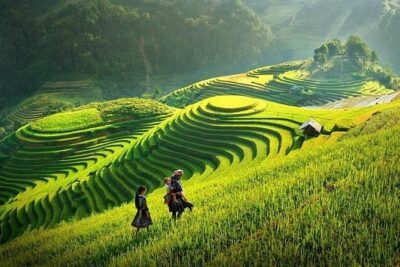
On a rice-terrace horizon, time slows down fast. This 3-day Mu Cang Chai trekking trip strings together private transport and local expert guiding so you can reach the best views without the scramble, then spend evenings in stilt-house homestays. I especially like the chance to learn and try farming activities with Thai and Mong communities, and I like the way the route is built around photo stops and off-road access rather than racing through fixed tourist beats. The one thing to plan for is the long road time to and from Mu Cang Chai, so if you dislike long drives, this may feel like a big ask.
If you like meaningful travel details—how people work, eat, and celebrate—this trip is designed for that. You get private door-to-door pickup inside Hanoi Old Quarter, a modern air-conditioned vehicle with a safe driver, and an English-speaking guide who can connect what you see to ethnic culture and history. You’ll still need comfortable shoes and a good attitude for early mornings and outdoor walking.
In This Review
- The best reasons to do this Mu Cang Chai trekking circuit
- From Hanoi Old Quarter to Nghĩa Lộ: the ride that matters
- Tú Lệ valley life: stilt-house homestays and hands-on farming
- The morning trek to Lim Mong and Lim Thai villages
- Khau Phạ Pass: one of Vietnam’s Four Great Passes
- Mu Cang Chải homestay: the terraced icons start on arrival
- Horseshoe Hill on the last morning: harvesting-gold views
- Price and value: why $193 can work (or not)
- Logistics that actually affect your day
- Who should book this Mu Cang Chai trek (and who should rethink it)
- My verdict: should you book this $193 Mu Cang Chai trek?
- FAQ
- What’s included in the meals for this 3-day trip?
- Do I get an English-speaking guide?
- How does pickup in Hanoi work?
- Is the trekking beginner-friendly?
- Can I get vegetarian food?
- What time does the trip start?
- What should I bring for the trek and village days?
- FAQ
- Is there free cancellation?
The best reasons to do this Mu Cang Chai trekking circuit
- Private, modern vehicle + English guide: You control the pace and get context as you go, guided by experts like Mr Tai and Cau.
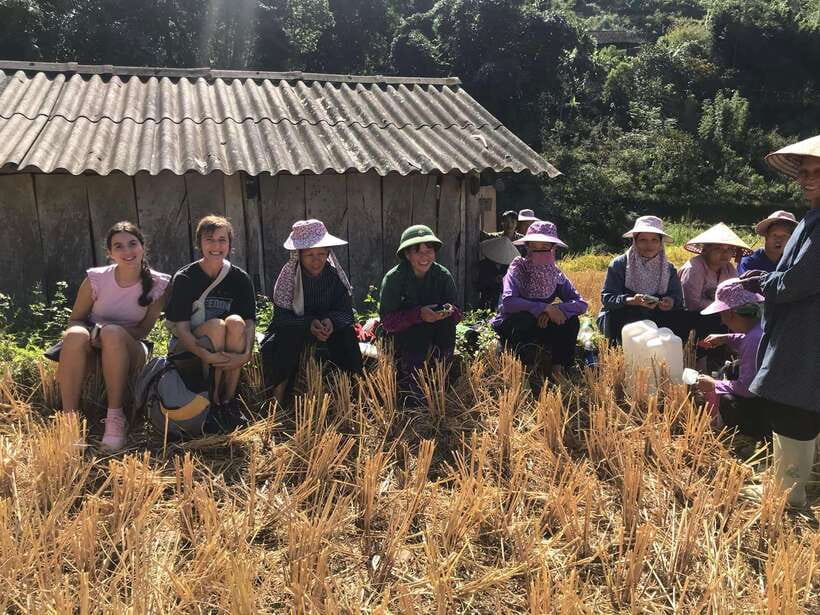
- Hands-on village experiences: Rice planting/harvesting time with Thai and Mong communities is the real differentiator.
- Iconic passes and terrace viewpoints: Khau Phạ Pass and Horseshoe Hill are timed for the best scenery.
- Homestay nights in real villages: Wooden stilt-house stays and simple, local dinners beat hotel sightseeing.
- Terrace treks without the worst crowds: The route focuses on key areas while keeping you out of mass-tour shuffle.
From Hanoi Old Quarter to Nghĩa Lộ: the ride that matters
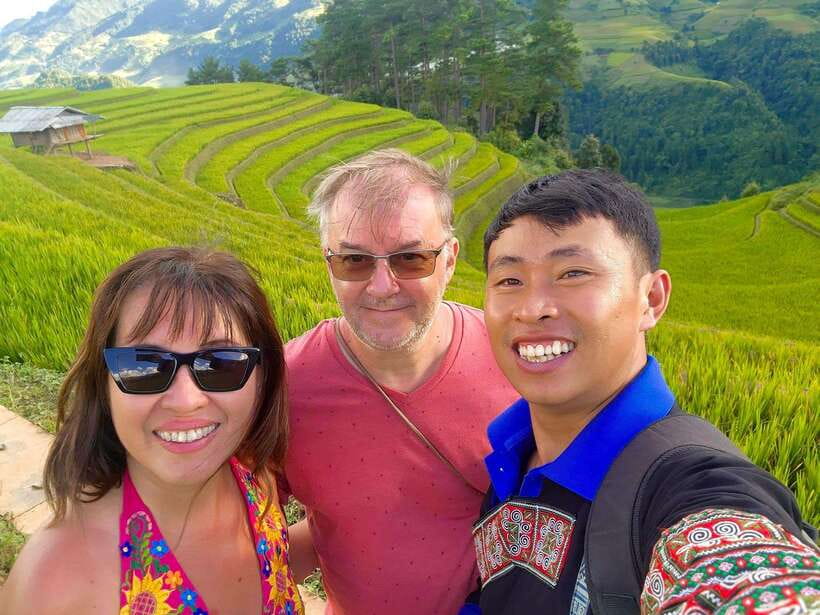
The trip starts in Hanoi Old Quarter, with pickup that’s set up to be easy. You’re asked to be ready about 10 minutes before the departure time, and if you stay within the Old Quarter you’ll get free pickup and drop-off. That may sound like a small detail, but it saves your energy—especially on a day you’re leaving early.
You’ll roll out of the city at 7:30 AM, then use the trip’s long transit time for something useful: scheduled scenic breakpoints for stretching, photos, and a reset before the mountains take over. The first major stop is Nghĩa Lộ in Yên Bái Province. Lunch is included here, served at a local place with regional food rather than a highway “tourist menu.”
This day’s value is in the transition. Mu Cang Chai doesn’t feel like a quick day trip; it feels like a move into a different rhythm of life. By the time you reach Tú Lệ later, you’re already “in the zone” and ready for village walking.
Practical note: expect that the road time is a big part of the experience. One past traveler flagged the overall travel to reach Mu Cang Chai (and the return) as about 6 hours, and that tracks with what you’re signing up for. If you get stiff on long rides, bring a water bottle and plan to relax rather than fight the schedule.
Tú Lệ valley life: stilt-house homestays and hands-on farming
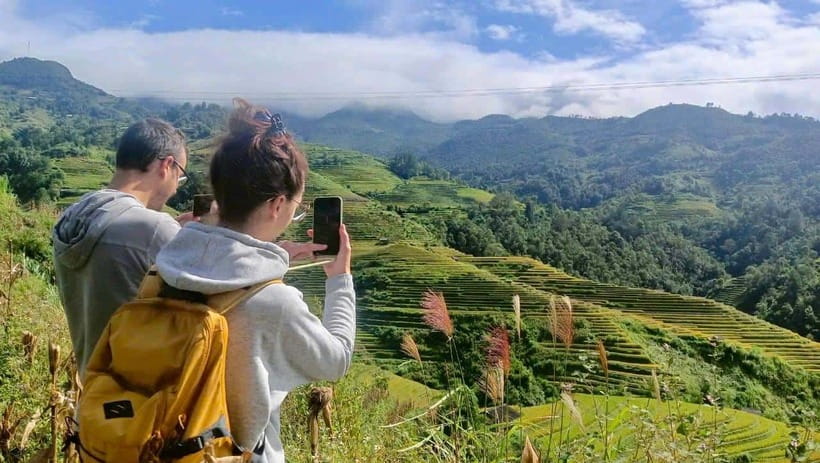
The heart of this itinerary begins once you reach Tú Lệ. After arriving around mid-afternoon, you’re not thrown into one rigid “look-only” session. Instead, you explore the rice fields and village areas at a slower pace, with time for photos and guided stops.
What makes Tú Lệ special is the hands-on element. You’ll join farming activities with Thai and Mong communities—rice planting or harvesting is specifically mentioned—so you’re not just watching terrace culture from a distance. Even if you’re new to farming, the point is learning how daily life works here: what people grow, how they handle seasonal timing, and how farming fits into community rhythms. Your English-speaking guide can connect the dots, and this is where the trip’s cultural side gets sharper.
Dinner and the evening exchange are also part of the “real life” plan. You’ll stay overnight in a cozy wooden stilt house homestay in the Tú Lệ valley, then enjoy a local dinner followed by a cultural exchange with ethnic locals. This is the sort of night that doesn’t feel like a scripted show. It’s more like sharing space, listening, and learning what matters to the community.
One thing to watch: your day ends in a homestay environment. That’s the appeal, but it also means the comfort style is simpler than a city hotel. If you’re the type who needs lots of modern amenities to feel relaxed, set your expectations before you go.
The morning trek to Lim Mong and Lim Thai villages
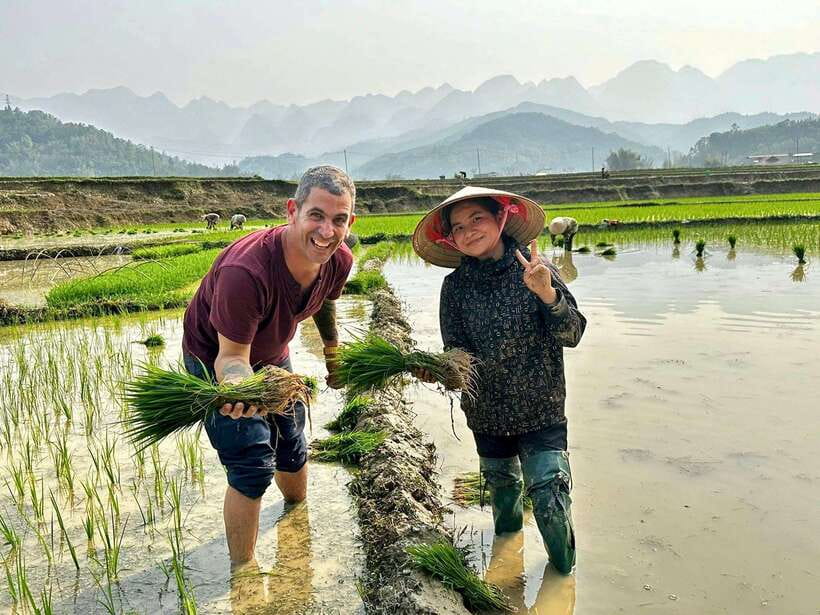
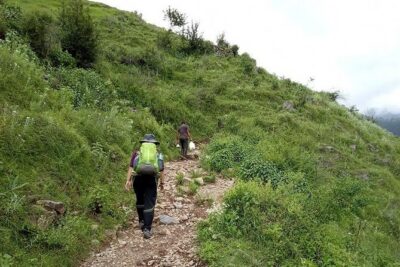
Day 2 starts early at around 6:00 AM with breakfast, then you head into your first trekking block. The trek described here is a “soft trek” to Lim Mong and Lim Thai villages, surrounded by awe-inspiring rice terraces. The main focus is meeting people, learning traditional farming techniques, and taking photos as the terrace patterns open up around you.
This is a smart choice for a 3-day itinerary. You still get the walking and the views, but you’re not spending the entire day “only trekking.” Instead, you’re balancing hiking with village interaction, which is how you avoid the numb feeling that can come from nonstop sightseeing.
Your guide helps you interpret what you’re seeing, and from prior experiences on this route, guides like Cau are particularly good at explaining distinctive features of Thai and Mong groups in these areas. That matters because rice terraces can look beautiful but confusing when you don’t know why they’re built the way they are.
Khau Phạ Pass: one of Vietnam’s Four Great Passes
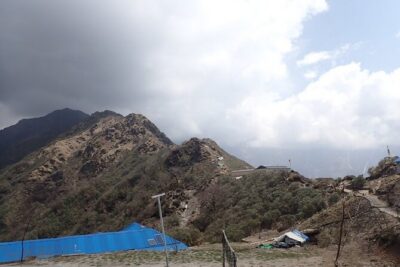
After the morning trek, you move by vehicle through Khau Phạ Pass, one of Vietnam’s Four Great Passes. This is where the trip adds “big scenery” moments without turning into a theme park. You stop for panoramic views of terraced landscapes and for a photo break at an area known for paragliding.
Why this stop works: passes are natural viewpoint machines. They help the terraces show their structure—how the land was carved and managed to hold water and support crops. When you’re standing at a pass, the logic of terrace agriculture becomes clearer than it does from the valley.
Also, it’s a useful break between walking blocks. You’re not just sitting in traffic; you’re getting stops that actually change your perspective.
Mu Cang Chải homestay: the terraced icons start on arrival
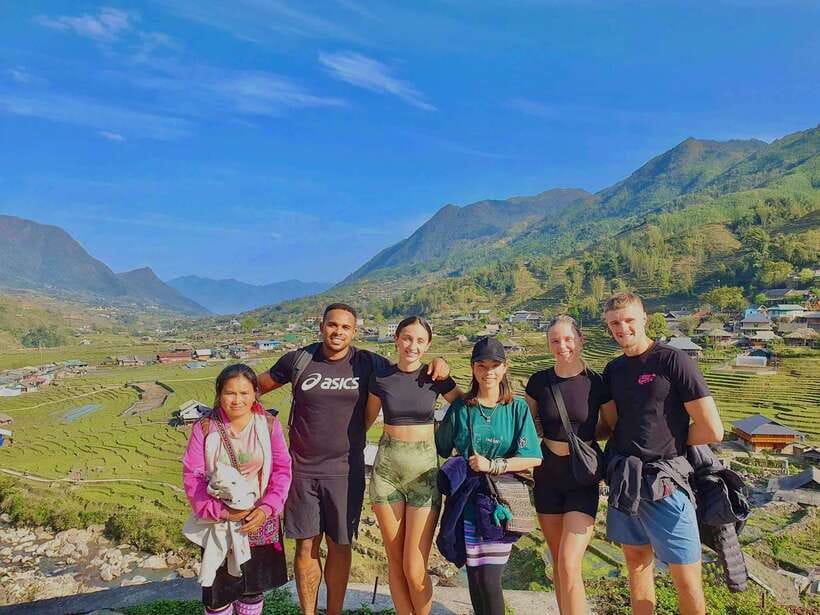
Once you arrive in Mu Cang Chải (check-in at a traditional homestay is included), lunch is served with fresh, regional ingredients. Then the itinerary shifts into deeper terrace walking.
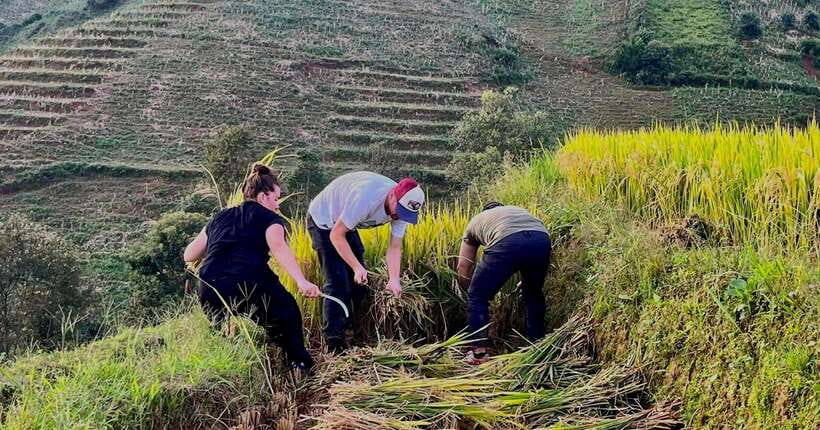
You’ll trek through Che Cu Nha and La Pan Tan, which are named specifically as home to some of Vietnam’s most iconic terraced rice fields. This isn’t just a stroll through a viewpoint. You interact with H’mong farmers and experience agricultural practices, including trying planting rice yourself.
That try-it moment is the reason this version of Mu Cang Chải feels different from a pure photography circuit. When you place your hands into the process—even briefly—you understand the effort behind what you’re photographing.
Dinner on this day includes a Thai chef preparing the meal, plus an evening cultural exchange with traditional dances and storytelling by the fire before you rest at your stilt house homestay. The “storytelling by the fire” part is where you’ll feel the time shift: this region’s culture is meant to be heard, not just looked at.
If you’re concerned about language barriers, the English-speaking guide helps. And if you’re traveling with someone who’s more into food and culture than views, this day gives both.
Small reality check: trekking intensity can feel different based on weather and your fitness. The trek includes hikes, off-road elements, and outdoor walking. Bring the right shoes and accept that mud and uneven steps may happen.
Horseshoe Hill on the last morning: harvesting-gold views
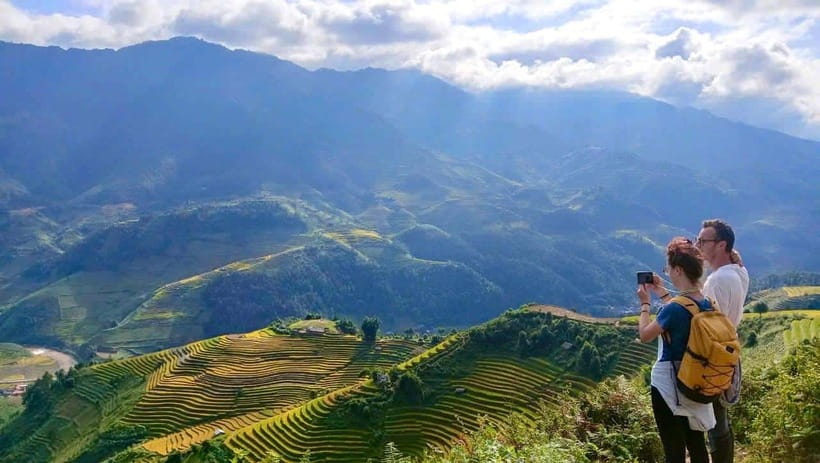
Day 3 is shorter in time but not short on meaning. After breakfast, you go to Horseshoe Hill in Sang Nhu Village. This is described as a highlight with spectacular views of golden terraces during harvest season.
Even if you’re not in peak harvest timing, the point is that Horseshoe Hill is one of the most recognizable terrace scenes. You’re likely to get the kind of photo where the terracing looks like brushstrokes on a hillside. Your guide can help you position yourself for the best angles, and you’ll have time for sightseeing before heading back.
After that, you stop around Nghĩa Lộ or Tú Lệ for lunch, then you start the return to Hanoi. Arrival in Hanoi is about 5:30 PM, with drop-off back at your hotel.
This timing is helpful: you’re not stuck in transit until midnight, and you’ll still have most of your evening for a shower, a meal, and sorting photos.
Price and value: why $193 can work (or not)
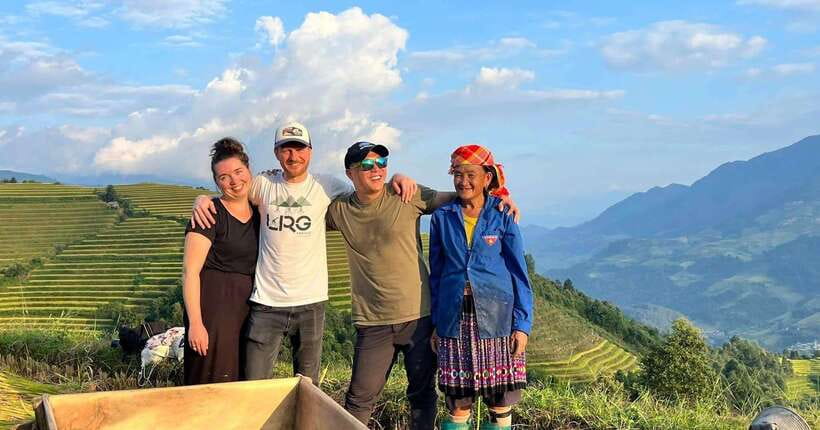
The price is $193 per person for the 3-day experience. That sounds either like a deal or like a lot, depending on how you compare it.
Here’s the value logic that makes sense with what you get:
- You’re paying for private, modern transportation plus safe driver time, not shared buses.
- You’re getting an English-speaking guide who connects terrace walking to ethnic culture and village life (not just recites directions).
- You’re covered for major add-ons that can add up: entrance fees, travel permits on frontier routes, plus most meals.
- You’re staying in homestay rooms, which is usually cheaper than a full hotel setup but offers the most “why am I here” moments.
Also included: bottled water and “Happy water,” which is local wine. Just keep it optional for yourself, and remember the trip includes trekking and driving later.
What’s not included: beverages and personal expenses. So budget for bottled drinks beyond what’s provided, any extra snacks, and souvenirs.
Is $193 fair? For me, it’s fair if you want the full package: private guide, reliable logistics, and cultural access. If your main goal is just scenery from viewpoints, you might find cheaper DIY options. But if you want terrace treks plus homestays plus real village interaction, this price fits the effort you’re being saved.
Logistics that actually affect your day
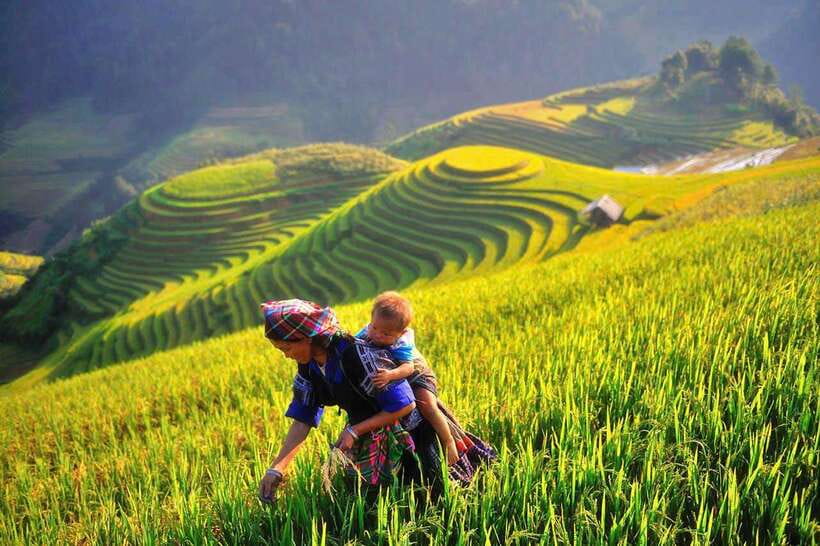
This tour runs as a daily schedule and depends on weather. The trip notes that if conditions are too poor, they’ll offer a different date or experience, or a full refund. That matters because terrace scenes and trekking are weather-sensitive.
Pickup and drop-off are designed for convenience in Hanoi. Inside the Old Quarter, pickup and drop-off are free. If you’re outside Hanoi center, there’s a small surcharge. On weekends, some roads may be closed to vehicles, so you might get dropped at the nearest point in the Old Quarter. In practice, that means you should be flexible about a few minutes of walking.
You also get “skip the ticket line” where applicable, plus a 24/7 hotline support. That’s reassuring when your trip is rural and you don’t want to waste time trying to solve problems yourself.
What to bring: sunglasses, sun hat, camera, hiking shoes, jacket, insect repellent, cash, and weather-appropriate clothing. If you skip the shoes part, the mountain steps will remind you fast.
Who should book this Mu Cang Chai trek (and who should rethink it)
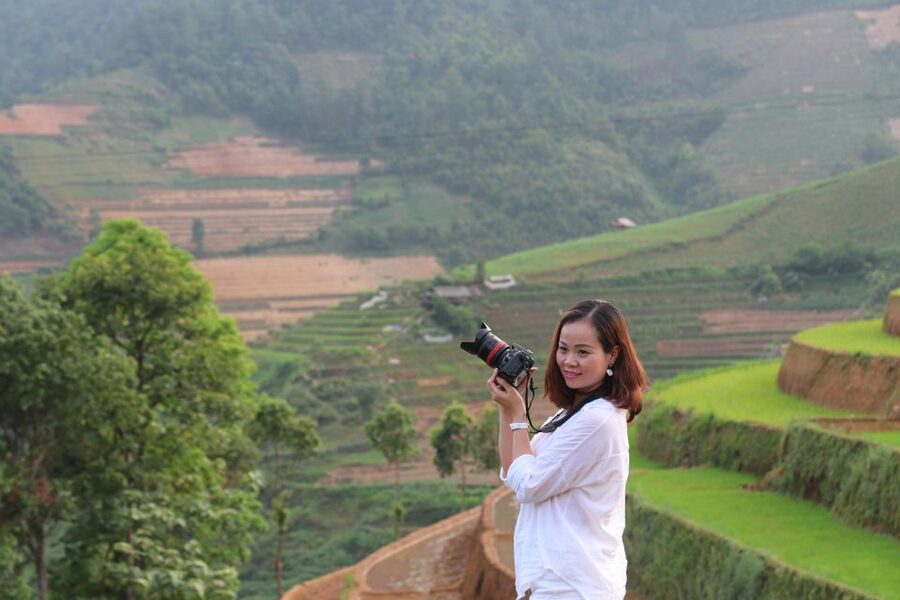
This works especially well if you:
- want a private-group feel without planning every turn yourself
- care about ethnic culture and not just photo spots
- like active travel but prefer guided, structured pacing
- want homestay nights in stilt houses and included meals
It might be less ideal if you:
- hate long drives and would rather minimize time in transit
- dislike outdoor hiking even when it’s described as soft in parts
- expect hotel-style comfort in the evenings
If you’re a couple, it’s a strong fit. Prior experiences with a wife-and-husband team praised how well the trip handled needs, with the guide and driver staying attentive throughout.
My verdict: should you book this $193 Mu Cang Chai trek?
I’d book it if your priority is more than scenery. The hands-on farming time with Thai, Mong, and H’mong communities, plus homestays and evening storytelling, makes this feel like cultural travel—not just a photo mission. The private vehicle and English guide are doing real work here: they reduce friction and add meaning to each stop.
I would hesitate if you’re highly sensitive to long road days or if weather conditions are a major concern for your travel style. If you’re flexible and ready for early starts, though, this is a very practical way to see Mu Cang Chai with less hassle and more local access.
FAQ
What’s included in the meals for this 3-day trip?
You get breakfast 2 times, lunch 3 times, and dinner 2 times, exactly as specified in the itinerary. Vegetarian food is available on request. Bottled water and Happy water (local wine) are also included.
Do I get an English-speaking guide?
Yes. The tour includes a live guide who speaks English (other languages may be available on request).
How does pickup in Hanoi work?
Pickup is included in Hanoi Old Quarter. You should be ready at your hotel lobby about 10 minutes before departure. Airport pickup is available 24/7. Pickup/drop-off outside Hanoi center has a small surcharge.
Is the trekking beginner-friendly?
The trekking is described as a soft trek for the village sections, but it still includes hiking and off-road walking at times. Wear comfortable hiking shoes and clothing suitable for outdoor activity.
Can I get vegetarian food?
Yes. Vegetarian meals are available on request.
What time does the trip start?
The trip runs for 3 days, and starting times depend on availability, so you’ll need to check available dates to see the exact departure times.
What should I bring for the trek and village days?
Bring sunglasses, sun hat, camera, hiking shoes, a jacket, insect repellent, cash, and weather-appropriate clothing.
FAQ
Is there free cancellation?
You can cancel up to 24 hours in advance for a full refund.