REVIEW · VOLCANOES NATIONAL PARK RWANDA
From Kigali: Bisoke Summit Trek, Crater Lake 1 Day Safari
Book on GetYourGuide →Operated by Vista Safaris · Bookable on GetYourGuide
Bisoke starts with an early alarm for a reason. This day trek mixes Volcanoes National Park wildlife chances with a serious hike up to the crater lake at the summit. I love that the schedule is tight and guided, so you get moving early, stay on pace, and still have time to enjoy the views.
The main downside to plan for is physical effort: the trail is mostly uphill and can get muddy and slippery, especially in wet conditions. The good news is that porters can be available if you opt for one, and the guides do the practical stuff—pace, footing tips, and staying organized—so you can focus on the experience.
In This Review
- Key things that make this trek worth your time
- Kigali to Volcanoes National Park: the early start that actually pays off
- Kinigi briefing: how rangers and guides set expectations
- The trek itself: villages, forest, and the volcanic climb to Bisoke
- Bisoke summit and crater lake: the moment your legs want to quit
- The descent back to the trailhead: staying steady at the tricky part
- Wildlife rules that matter: monkeys, gorillas, and your camera
- Price and value: what you’re really paying for ($260 plus permits)
- What to bring (and what to expect on the trail)
- Who this Bisoke summit trek suits best
- Should you book this Bisoke Summit trek with crater lake?
- FAQ
- What time is pickup from Kigali?
- How long is the drive to Volcanoes National Park?
- Where do we meet inside the park area?
- What time do we start hiking?
- How long does it take to reach the summit?
- Is lunch included?
- What permits or fees should I plan for?
- What should I bring?
Key things that make this trek worth your time
- 4:30 AM pickup in Kigali means you arrive at the park and start hiking before the day gets hot
- Kinigi briefing at Volcanoes National Park sets you up with trail expectations and wildlife rules
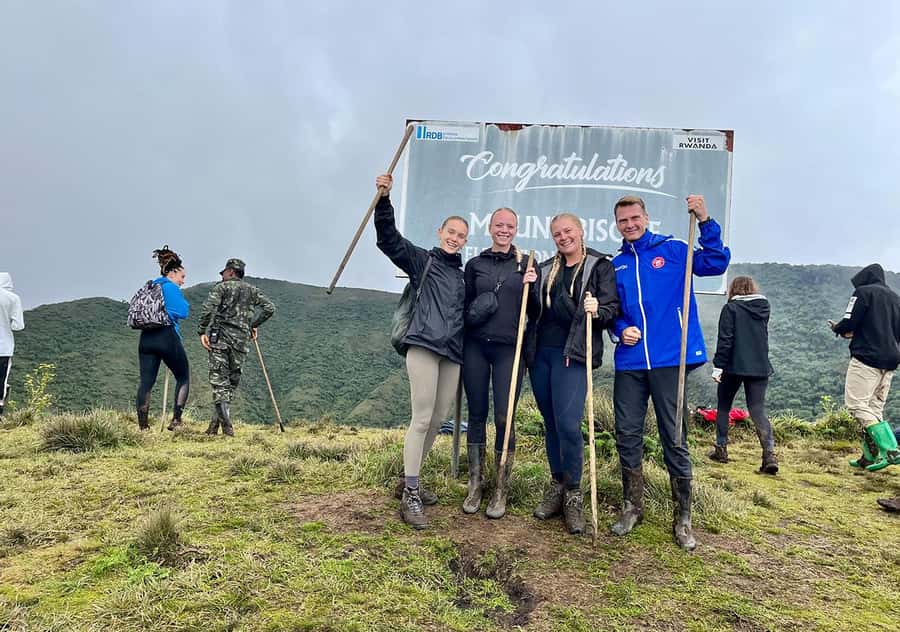
- A summit-to-crater-lake payoff after hours of forest and volcanic terrain
- Golden monkey and rare gorilla sightings (with the important photography/permit rules)
- Picnic lunch with big views so the day feels like more than just walking
- Strong guiding and problem-solving (including smooth coordination from named staff in past days)
Kigali to Volcanoes National Park: the early start that actually pays off
You start the day in Kigali at 4:30 AM, picked up directly from your accommodation. That early departure isn’t just for tradition. It’s how you beat the long day later on, give the hike better conditions, and still have enough daylight to get back comfortably.
The drive runs for about 2.5 hours in a 4×4/SUV toward the Volcanoes National Park area. Along the way, you’ll pass through a mix of paved stretches and more rugged roads. Rwanda’s countryside can look quiet and slow from the window, but once you’re near the park, the mood changes. Everything feels more “protected area,” less city, more nature.
You’ll reach Kinigi by around 7:30 AM for the park headquarters stop and meeting time. This is where the day transitions from travel mode to “trail mode.” And honestly, that’s when your hike feels real.
Kinigi briefing: how rangers and guides set expectations
At 7:30 AM, you’ll meet your group and park rangers at Kinigi. You get a detailed briefing, which matters more than people expect. Volcanoes National Park isn’t a theme park. Wildlife encounters, weather, and trail conditions can change the plan in small ways, and the briefing helps you stay calm if something shifts.
This is also where the day’s wildlife rules come into focus. You might spot golden monkeys, and on rare occasions gorillas can appear. The key detail: if gorillas are sighted, photography requires a valid permit. That’s a big one to understand before you show up with your camera ready to shoot everything.
Your guide also helps with the practical realities: the trail is mostly uphill, and footing can be tricky. That matters because you’ll be spending hours on paths that aren’t flat. Good guidance makes the hike feel manageable rather than chaotic.
The trek itself: villages, forest, and the volcanic climb to Bisoke
Hiking starts around 8:00 AM with a transfer to the Bisoke Volcano trailhead. Expect roughly 40 minutes of driving here, with roads that can mix smooth stretches and rough patches. In a day like this, comfort in the car helps. You’ll be using your legs soon.
You begin the hike at around 2,700 meters above sea level. That elevation is one reason the first part feels brisk even if you’re not sprinting. Porters are available if you opt to use them, and even if you don’t hire one, it’s smart to travel with light gear. This isn’t a “carry everything like a backpacking trip” kind of summit day.
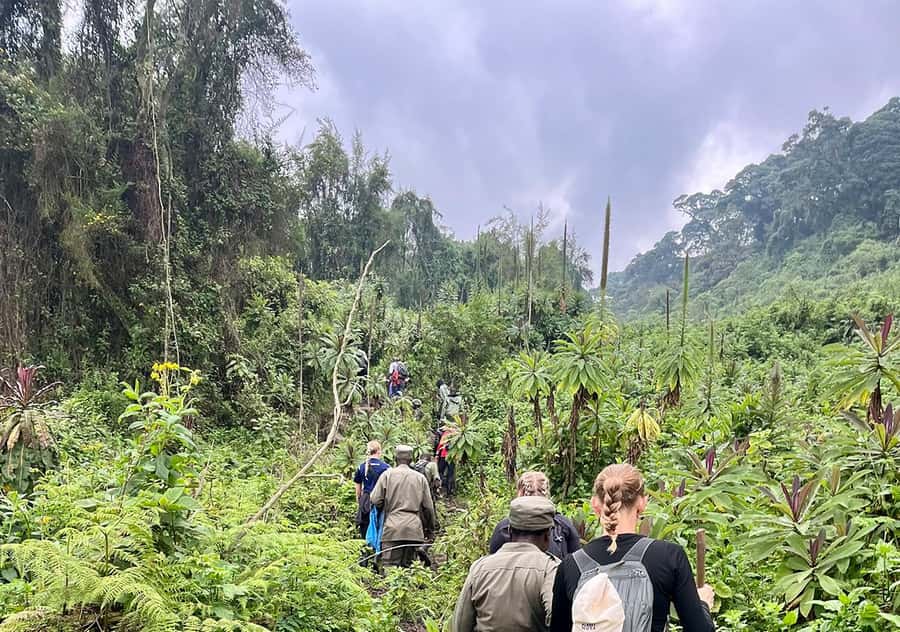
The trail begins with a short walk through villages and farmland, then shifts into the dense forest of the park. This first transition is one of my favorite parts in the whole day. You move from human scale and farm life into protected wilderness, and you feel the air change as the trees close in.
Expect a mostly uphill climb. The path can be muddy and slippery, so slow down early rather than trying to “make up time” later. That’s where most people either feel strong or feel worn out.
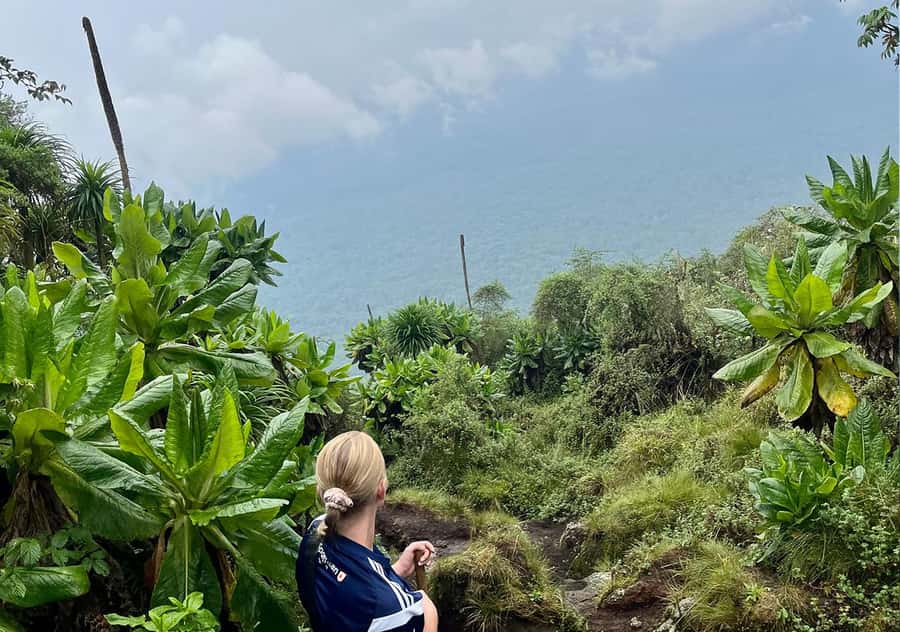
After about 2 hours, the hike starts moving into more distinctly volcanic terrain. Vegetation changes too—there are unique plants like giant heather, which makes this part feel different from typical rainforest hiking. Then, after about 4 hours of hiking total, you reach the summit area.
Wildlife chances can pop up along the way. You may see golden monkeys, and you could also encounter gorillas in rare cases. If gorillas are involved, you’ll follow the guidance on how to behave and what’s allowed—especially around photography permits.
Bisoke summit and crater lake: the moment your legs want to quit
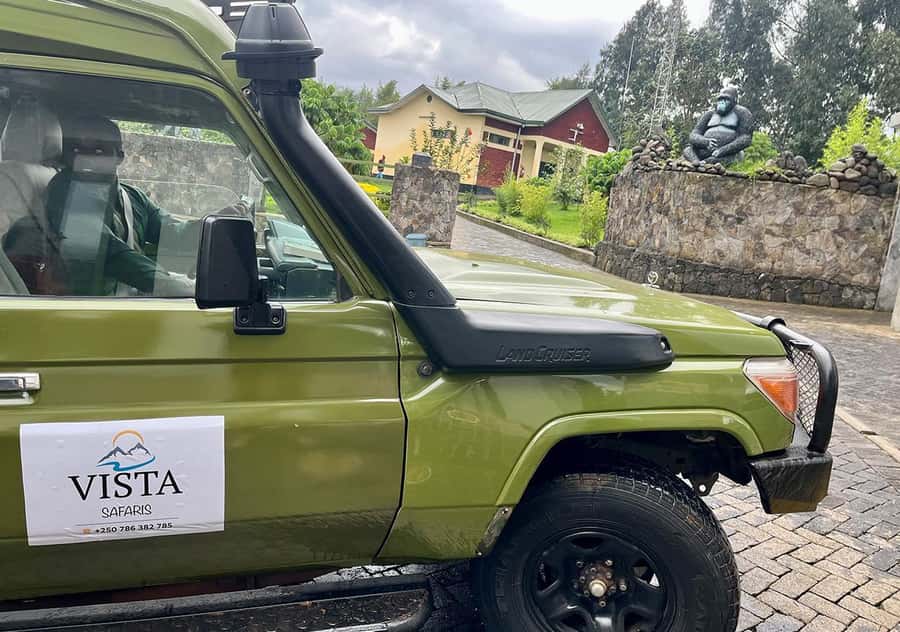
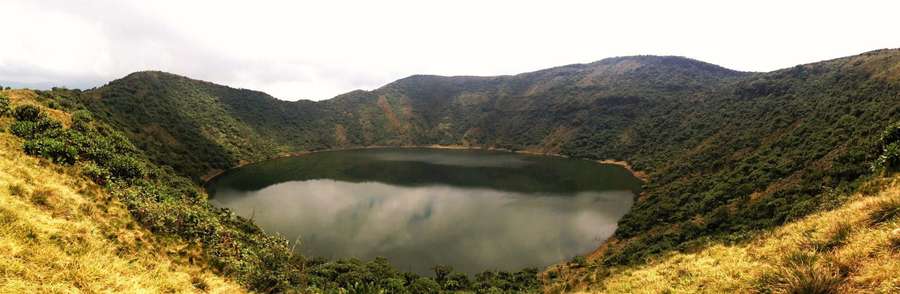
Reaching the top is a turning point. At around 4 hours, you arrive where the crater lake is waiting. This is why people call Bisoke a favorite hiking choice in Rwanda: the destination feels dramatic, not just scenic.
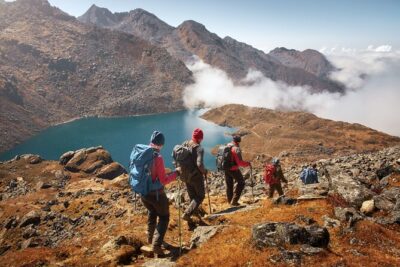
You get time to take in the Bisoke crater lake and views of the surrounding volcano area plus the twin lakes below. The feeling here is part geography, part silence. Even with other hikers in the area, it often feels like the world narrows down to your breath, the terrain, and the water in the crater.
Then comes the part that makes the effort feel fair: a picnic lunch. Eating on the summit doesn’t sound relaxing on paper, but it works. You’re tired, you’ve earned it, and you can sit and look without rushing immediately into a descent.
If weather is damp, keep your expectations grounded. Your photos might not be perfect because you’re focused on balance and safety. But the views don’t require perfect weather to feel impressive.
The descent back to the trailhead: staying steady at the tricky part
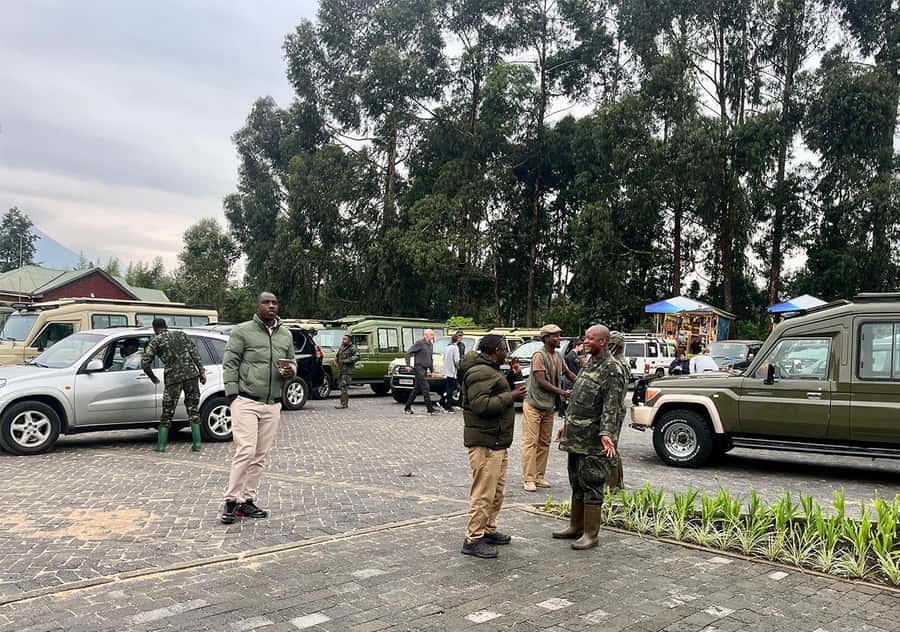
Descent starts around 2:00 PM and usually takes about 2 hours, depending on pace and the number of stops you make. This is where many hikers find out something surprising: the downhill can be harder than expected.
Why? Because your footing matters more than your leg strength. Your quads might feel fine, but slipping becomes the main risk. Slow, careful steps beat fast steps every time.
As you go, use small stops when you need them. Don’t turn this into a race. If you’re hiking in wet conditions, treat the trail like it has invisible ice patches. Keep your shoes clean where you can, watch your soles, and use the guide’s pace as your baseline.
By around 4:00 PM, you’re back at the starting point and meet your driver for the return trip to Kigali. The day is long—roughly 12 hours total from pickup to finish—but it ends while there’s still daylight and time to reset.
Wildlife rules that matter: monkeys, gorillas, and your camera
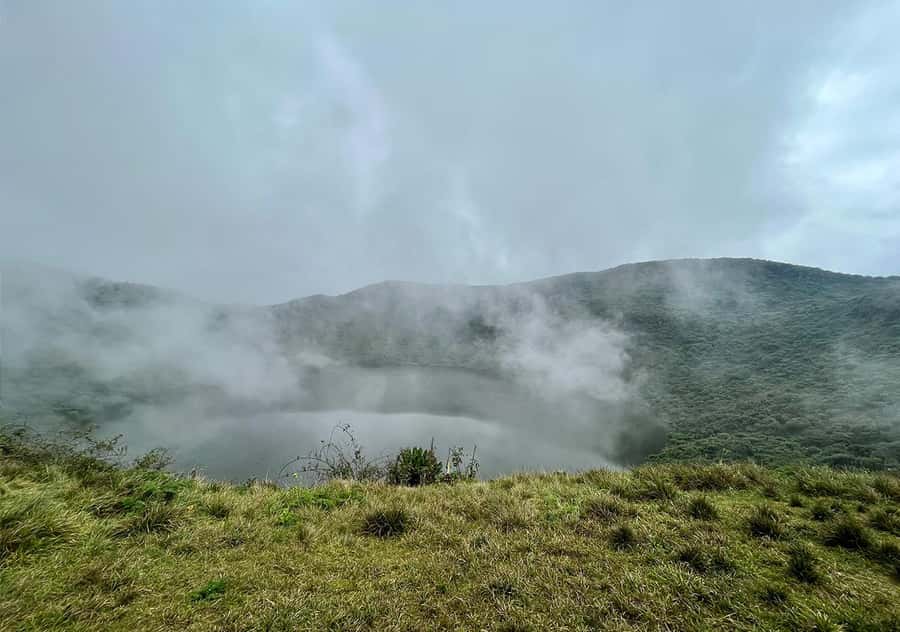
Volcanoes National Park is famous for gorillas, but Bisoke adds a different angle: you might see wildlife during a hike to a volcanic summit. That’s exciting, but it comes with rules.
Here’s what you should plan for:
- Golden monkeys are possible along the route.
- Gorillas are rare but possible.
- If gorillas appear, photography requires a valid permit.
The point isn’t to scare you off. It’s to keep the day smooth. If you’re carrying a camera, assume you may need to put it away depending on what happens. The guide will help with the timing and compliance.
If you’re hoping for gorillas: your best strategy is to go with patience and follow ranger directions immediately when encounters happen. That’s how you get the encounter experience—without chaos.
Price and value: what you’re really paying for ($260 plus permits)
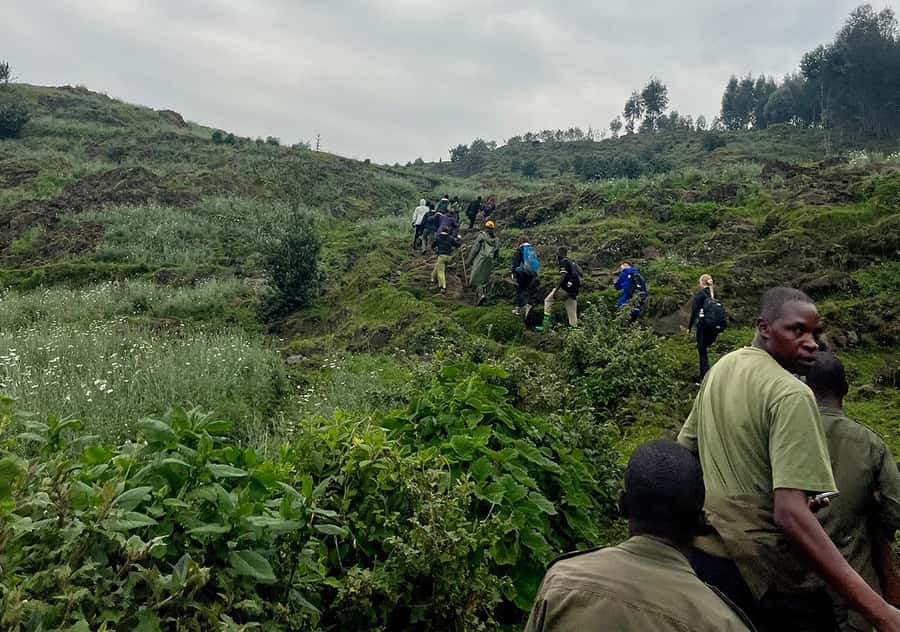
The price is $260 per person, with about 12 hours of total time. That’s not cheap, but it can be good value when you compare what’s included versus what you’d have to arrange yourself.
Included:
- Pickup and drop-off in Kigali
- Transportation in a 4×4 car
- Lunch
- Professional guide
- Bottled water
- Assistance and support throughout
- All taxes
Not included:
- $75 Bisoke hike permit fee
- Porter service if you choose to use one
So what are you paying for, really? In a day like this, the biggest cost is not just access. It’s the early timing, the 4×4 driving to the trailhead area, the guide’s navigation and wildlife rule management, and the fact that lunch and water are handled. For many people, that removes the hardest parts of organizing a summit trek on a schedule—especially when you’re unfamiliar with the local logistics.
Also, the practical part of organization shows up in the experience. Past days have featured on-time pickup and smooth coordination, including friendly, socially skilled guiding. When things went wrong, named staff like Joel helped solve issues fast. That kind of calm problem-solving is worth real money on an active day.
What to bring (and what to expect on the trail)
Bring:
- Passport or ID card
- Comfortable hiking shoes
You’ll be outside most of the day. Your shoes matter because the trail can get muddy and slippery. If you only have basic sneakers, this hike can feel harder than it should. Good traction buys you time and confidence.
Packing tip: keep it simple. You’re doing a summit day with changing weather potential. The guide and your timing reduce the need for lots of spare gear.
Also keep your energy plan realistic:
- The first hours are steady uphill.
- The summit moment is the reward.
- The downhill is the safety-sensitive part.
If you’ve done medium hikes before, this will likely feel like a step up. If you haven’t, you can still do it, but you should be honest about your stamina and balance.
Who this Bisoke summit trek suits best
This trek fits best if you like physical nature days and can handle mostly uphill hiking. The route is not suitable for people with low level of fitness, because the trail demands steady effort and careful footing.
It suits:
- Hikers who’ve done medium-difficult hikes
- People who want a full day with wildlife chances and a real summit reward
- Travelers who enjoy guided planning and want help with permit rules and timing
- Anyone traveling with a private group who prefers a more direct, personalized pace
It’s also a great fit if you value organization. Smooth pickup timing, helpful porters when needed, and friendly guiding can make the difference between a tough day and a memorable one.
Should you book this Bisoke Summit trek with crater lake?
I’d book it if you want a Rwanda experience that goes past sightseeing. This is a hike with a clear goal, a dramatic destination, and enough structure to keep you comfortable through a long day.
Choose it if you:
- Want crater lake views from Bisoke after a guided trek
- Prefer an experience with pickup, transportation, guide, lunch, and water handled
- Are comfortable hiking for hours and walking downhill carefully
Skip it—or switch plans—if you know you can’t manage a mostly uphill, potentially muddy trail. In rain, conditions can make pacing slower, and your footing becomes the main focus.
One last practical note: there’s a $75 permit fee for the Bisoke hike, so budget for that on top of the $260 rate. If you’re coming with the right shoes and a realistic fitness plan, the payoff is worth it.
FAQ
What time is pickup from Kigali?
Pickup starts at 4:30 AM from your accommodation in Kigali.
How long is the drive to Volcanoes National Park?
The drive to the Volcanoes National Park area is about 2.5 hours by 4×4/SUV.
Where do we meet inside the park area?
You arrive at the park headquarters in Kinigi around 7:30 AM, then get a briefing before heading to the trailhead.
What time do we start hiking?
Hiking begins at about 8:00 AM after transferring to the Bisoke Volcano trailhead.
How long does it take to reach the summit?
You reach the summit after about 4 hours of hiking.
Is lunch included?
Yes. There’s a picnic lunch included, and you’ll have about an hour for lunch.
What permits or fees should I plan for?
The Bisoke hike permit fee is $75 and is not included in the base price.
What should I bring?
Bring your passport or ID card and comfortable hiking shoes. If you might encounter gorillas, remember that photography requires a valid permit.