REVIEW · NOSY BE
Full-day jungle trek on Nosy Komba (Lemur island) with the Black Lemur Sanctuary
Book on Viator →Operated by Fossa Travel · Bookable on Viator
A jungle walk here feels like stepping into a nature documentary. This is a real 6-hour trek through dense Nosy Komba jungle—past cocoa, vanilla, jackfruit, pepper, coffee bushes, and small local villages—and it ends at the Black Lemur Sanctuary, where lemurs get surprisingly close. What I love most is the hands-on nature: you get to taste jungle-grown flavors and then watch lemurs behave with calm, gentle curiosity. My other favorite part is the variety—plants, wildlife, and people, all in one long day. The one drawback to keep in mind: this is not a paved stroll, and the climb can be tough and slippery if conditions are wet.
You start at 9:00 am and spend roughly 8 to 10 hours total, with the core trek clocking in at about 6 hours. You’ll be picked up (when offered), travel by boat, and then hike through hot, humid terrain that demands decent footing and stamina. If you want an easy walk, look elsewhere—but if you’re happy with sweat, roots, and close-up wildlife, this tour is the kind that sticks with you.
In This Review
- Key highlights at a glance
- Nosy Komba starts with a short boat ride and big jungle energy
- The full 6-hour trek through jungle plants and working village life
- The summit climb to 622 meters: where the day gets real
- Black Lemur Sanctuary: calm, close encounters (with rules you’ll want to follow)
- Fruit tastings that feel like a mini education
- Local guides, private pace, and why your timing feels different
- Price and logistics: what $232.29 buys you in real terms
- Weather and season: when lemurs get extra friendly
- Who should book this and who should skip it
- Should you book the Nosy Komba jungle trek with Black Lemur Sanctuary?
- FAQ
- FAQ
- How long is the trek on Nosy Komba?
- What time does the tour start?
- How do you get from Nosy Be to Nosy Komba?
- Where do you land on Nosy Komba?
- Is this tour private?
- What wildlife will you see near the Black Lemur Sanctuary?
- Are the lemurs aggressive or do they bite?
- What kinds of fruit or plants can you taste during the tour?
- Is admission included?
- What happens if weather is bad?
Key highlights at a glance
- Volcanic Nosy Komba + jungle summit views with a hike that truly feels like a jungle adventure
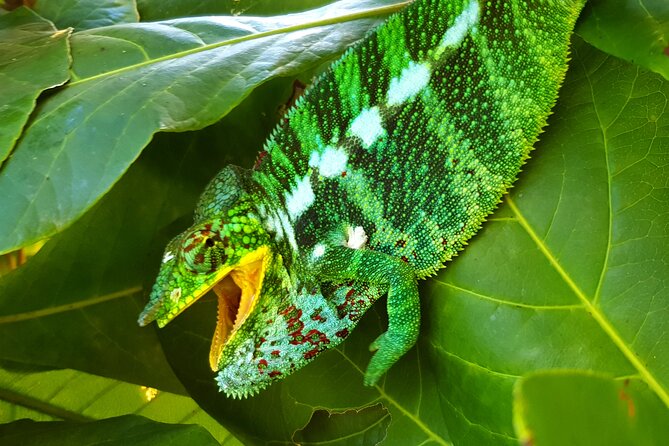
- Black Lemur Sanctuary wildlife time, including chameleons, geckos, giant tortoises, and snakes
- Gentle lemur encounters in season, with lemurs accepting bananas from your hands
- Fruit and plant tastings like fresh cocoa fruit flesh, raw sugar cane, jackfruit, soursop, and in-season mango
- Village walk + local art at the end, where you can see and buy artwork made by local artists
Nosy Komba starts with a short boat ride and big jungle energy
Nosy Komba is a volcanic island just about 20 minutes by boat from Nosy Be. That short water hop matters, because it sets expectations: once you land, you’re trading beach time for jungle immersion and uphill work.
You’ll arrive on the south-west side at Anjiabe village, then face the forest and start hiking. The moment you step in, the vibe changes fast. Instead of neat paths and fences, you’re moving through thick growth, with vines, fruit trees, and shaded pockets that make every turn feel like a new scene.
If your travel style is “show me the real ecosystem,” this is a good match. You’re not just seeing jungle—you’re walking it in a way that lets the day build.
The full 6-hour trek through jungle plants and working village life
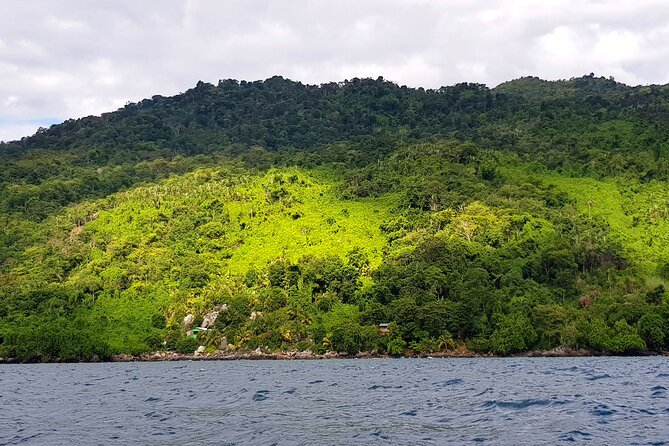
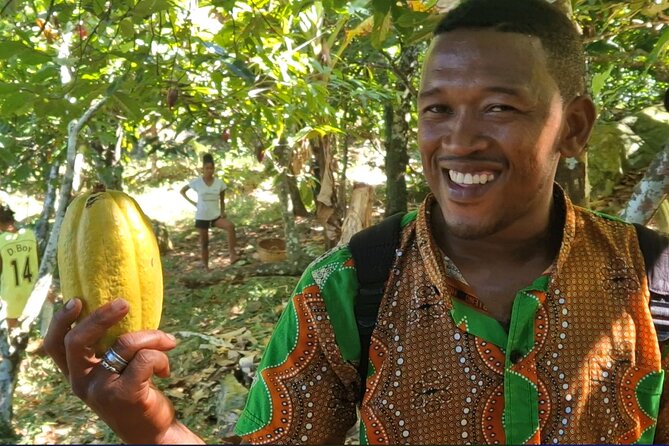
The trek is designed to feel more like a guided expedition than a nature walk. In the first stretch, you’re introduced to a wide mix of plants and uses—some you’ll recognize, some you won’t. Expect stops and explanations around fruit trees and jungle crops such as mango, cocoa, soursop, bread and jackfruit trees, plus pepper bushes, bananas, and vanilla. You can also run into cola nuts, pineapples, wild chillies, and coffee bushes.
What makes this portion valuable isn’t only that the plants are impressive. It’s that you learn what they are and then you taste them. That turns “I saw a tree” into “I understand what this fruit actually is.” For many people, that’s the difference between a photo safari and a memory.
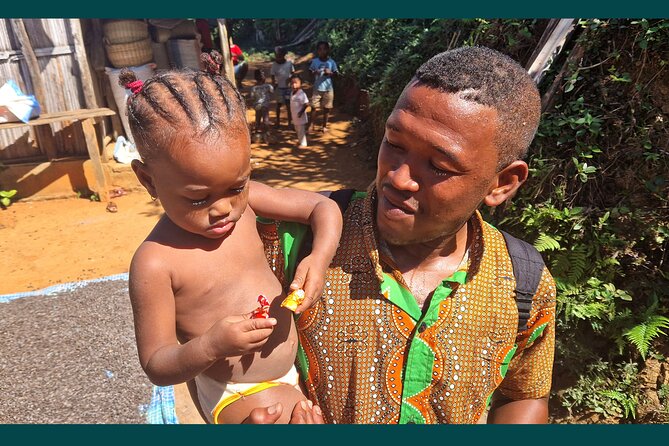
You’ll also pass tiny jungle villages along the way. These aren’t just scenery. They’re part of why the island feels lived-in rather than staged. If you like travel days that connect nature with local routines, you’ll appreciate this balance.
The summit climb to 622 meters: where the day gets real
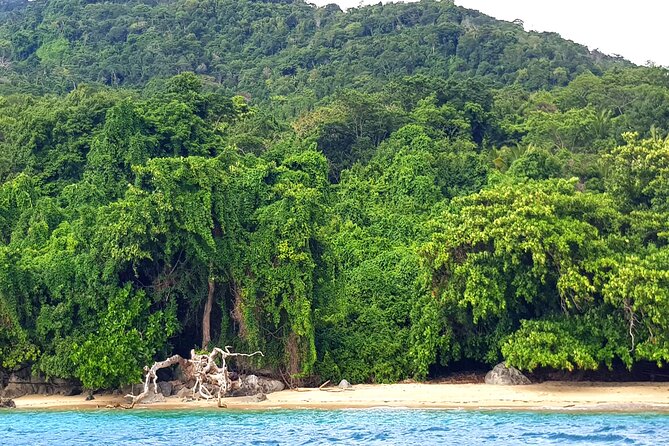
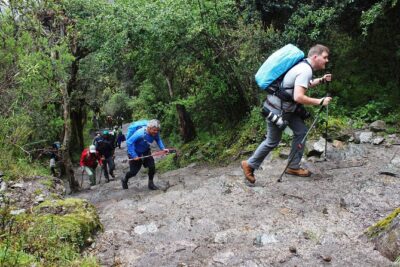
The destination is the summit of Komba at 622 meters. That number sounds tidy on paper, but in the jungle it’s about effort and footing. The forest is dense and the terrain is not described as an easy trail. Plan for sweat, uneven ground, and stretches that feel more like climbing than strolling.
Here’s the practical consideration: if it has rained recently, surfaces can turn slippery. Even when it’s dry, the combination of heat and humidity can make a “moderate” day feel harder than expected. One solid approach is to treat it like a serious hike, not a casual walk.
The good news is that the effort pays back in the second half of the trek. People often notice that wildlife activity ramps up as you climb higher and move through more open pockets near the upper areas. If you pace yourself and stay focused on where you place your feet, you’ll get through the tough parts and still enjoy the surprises.
Black Lemur Sanctuary: calm, close encounters (with rules you’ll want to follow)
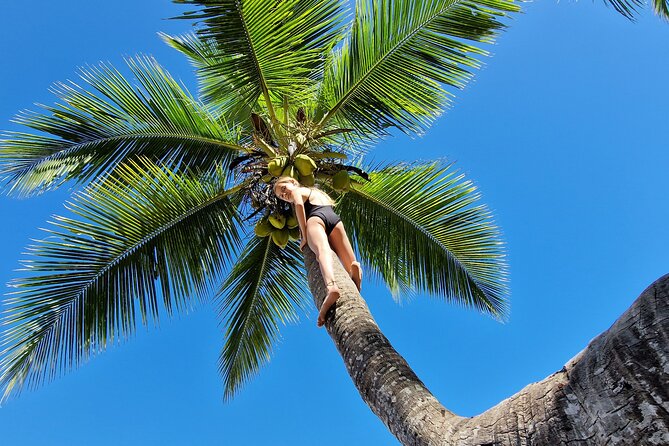
Your mountain hike on the north-eastern side ends at the Black Lemur Sanctuary, close to Ampangorina village. This is one of the tour’s biggest reasons to book, because it shifts from “walk and look” to “walk and meet wildlife.”
As you approach, the last hour and a half is where sightings tend to intensify. You’ll be in the company of chameleons, geckos, giant tortoises, and snakes, alongside the lemurs that the sanctuary is known for.
The lemur behavior is described as friendly in winter time—they may jump gently onto you and even accept bananas from your hands. The important part: they are described as never aggressive, and they do not steal or bite. That’s a helpful reassurance, but it still means you should act respectfully—keep movements calm, don’t tease, and follow your guide’s cues.
At the sanctuary, you’ll walk through the area, admire the wildlife, then move on to a jungle walkway to the village. That transition matters: it keeps the experience from being only animal-focused. You finish with a human element and a sense of where the local community fits in.
Fruit tastings that feel like a mini education
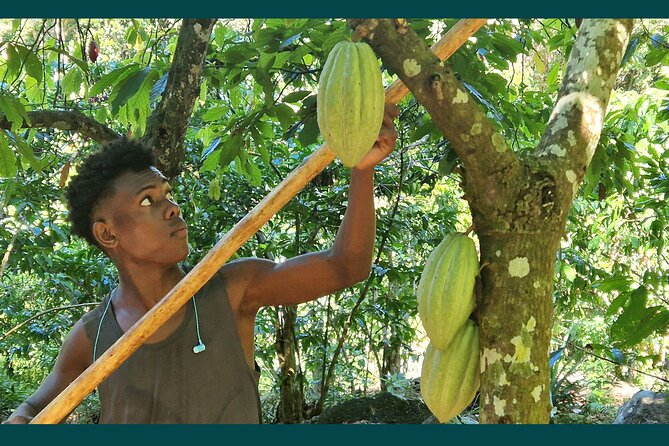
One of the most memorable parts is the food you get to try. This is not just “look at fruit.” You get to taste it as you learn.
Early on, you may sample:
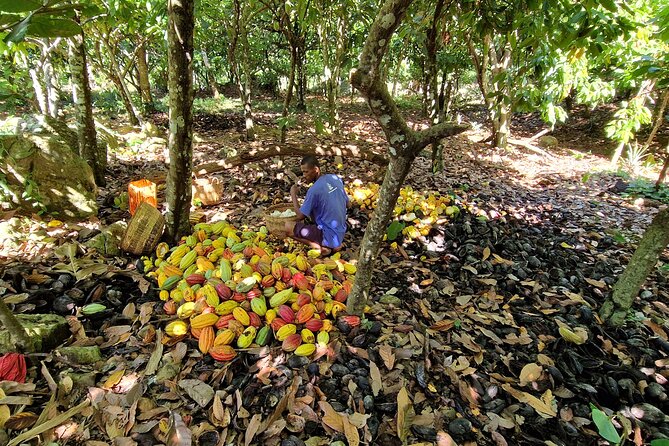
- Fresh cocoa fruit flesh (the pulp around the cocoa beans)
- Raw sugar cane, valued for its sweetness
- Jackfruit and soursop
- 8 kinds of mango in season
- Other specialty fruits that don’t translate neatly into English or French
The value here is simple: you build real understanding. Cocoa tastes different in its raw fruit form than the chocolate you buy later. Sugar cane sweetness feels almost unreal if you’re used to processed sugars. Jackfruit and soursop add that “Malagasy flavor identity” that you can’t really copy at home.
If you’re a foodie who likes learning how ingredients grow, you’ll enjoy this section. And even if you’re not, the tastings make the walk less repetitive. You’re always moving toward the next stop, and the next fruit tasting gives the day a rhythm.
Local guides, private pace, and why your timing feels different
This is run as a private tour/activity, so it’s only your group. That matters more than it sounds, especially on a long hike. When you’re not constantly coordinating with strangers, guides can slow down for questions, adjust pace, and spend more time explaining what you’re actually seeing.
Pickup is offered when available, and you’ll also use boat transport between Nosy Be and Nosy Komba. The day runs long—roughly 8 to 10 hours—so a smoother schedule reduces stress. You start at 9:00 am, and you’ll have a mobile ticket, with confirmation received at booking.
On the guide side, one comment you’ll want to take seriously is that a good guide can turn plants into stories. A past group specifically mentioned a guide named Max explaining the different plants and fruits. That’s the sweet spot you should hope for: explanations that make the jungle feel like a living system, not a collection of random leaves.
Price and logistics: what $232.29 buys you in real terms
At $232.29 per person, this isn’t a cheap nature walk. So the key question is: do you get enough to justify the price?
You do get several things working together:
- A full-day schedule with pickup offered (when available) and boat transfer
- A private group setup
- A sustained trek (about 6 hours of walking) plus an end stop at a sanctuary that includes wildlife viewing
- Admission included for the sanctuary portion, while the first part is free admission
More importantly, you’re paying for guided time in a place where self-navigation would be difficult and where wildlife encounters depend on knowing how to move through the environment safely.
If you’re comparing costs, also think about value per memory. One full-day trek that delivers wildlife closeness, plant tastings, and village context usually beats a cheaper tour that gives you only a few photo stops.
Weather and season: when lemurs get extra friendly
Your day depends on conditions. The experience requires good weather. If weather is poor, you’ll be offered a different date or a full refund.
Season changes how lemurs behave. Lemurs are described as extremely friendly in winter time, including the gentle jumping and accepting bananas from your hands. The tour doesn’t promise the same level of closeness in every season, but it clearly frames winter as the time for the most interactive lemur encounters.
For you, the practical takeaway is to travel with flexibility. If you’re in Nosy Be for only a short window, choose your dates with buffer time.
Who should book this and who should skip it
This tour is a strong fit if:
- You’re comfortable with an off-trail jungle trek rather than a paved path
- You want wildlife and plants, not just one or the other
- You like guides who explain what you’re seeing and then back it up with tastings
- You prefer a private pacing for questions and slower moments
Skip it if:
- You’re looking for an easy walk or a gentle stroll
- You have limited mobility or expect smooth, even ground
- You’re not willing to handle possible slipperiness after rain
You don’t need to be a mountain athlete, but you do need readiness. The jungle is real. The climb to the summit is real. If that sounds like your kind of day, you’ll likely love it.
Should you book the Nosy Komba jungle trek with Black Lemur Sanctuary?
If you want a day that feels authentic—jungle plants you can taste, lemurs that can come close, chameleons and reptiles you can actually spot, and village life folded into the hike—this is a high-value option for Nosy Be visitors. The price feels easier to accept when you think in terms of time, guidance, sanctuary access, and the long trek you’re getting.
My advice: book it if you can handle a tougher hike and you’re traveling during a season when lemurs are described as friendly (winter). Don’t book it if you need a low-effort nature outing or if the idea of slippery jungle terrain would stress you out.
FAQ
FAQ
How long is the trek on Nosy Komba?
The core jungle trek is about 6 hours, and the full experience runs roughly 8 to 10 hours total.
What time does the tour start?
The start time is 9:00 am.
How do you get from Nosy Be to Nosy Komba?
You take a boat ride, about 20 minutes.
Where do you land on Nosy Komba?
You land on the south-west side of the island, in Anjiabe village.
Is this tour private?
Yes. It’s a private tour/activity, and only your group participates.
What wildlife will you see near the Black Lemur Sanctuary?
You can encounter lemurs plus chameleons, geckos, giant tortoises, snakes, and more.
Are the lemurs aggressive or do they bite?
They’re described as never aggressive. They may jump gently and eat bananas from your hands, but they do not steal or bite.
What kinds of fruit or plants can you taste during the tour?
You can taste things like fresh cocoa fruit flesh, raw sugar cane sweetness, jackfruit, soursop, and in-season mango varieties, plus other fruits that may not have direct translations.
Is admission included?
Admission for the Black Lemur Sanctuary is included. The first portion is listed as free admission.
What happens if weather is bad?
The experience requires good weather. If it’s canceled due to poor weather, you’ll be offered a different date or a full refund.
If you tell me your travel month and your hiking comfort level (easy, moderate, or tough), I can help you decide if this is the right day for you.