REVIEW · THIMPHU
13-Day Jomolhari Festival Trek & Cultural Immersion
Book on Viator →Operated by Raven Tours and Treks · Bookable on Viator
Bhutan on foot, with culture on the side. This 13-day trek threads Jomolhari Mountain Festival traditions into big-days hiking, plus the smaller, hands-on stuff like painting, cooking, and mailing postcards.
I especially like the way the trip mixes high-country trekking with low-pressure cultural moments you can actually enjoy without rushing.
Two things I really liked: the private, English-speaking guidance (so you’re not stuck guessing meanings), and the practical trekking logistics—warm tents, porters, and a kitchen crew—so your energy goes into the trail. One thing to consider: this is not a light walk. You’ll be doing multiple 6–8 hour trekking days at higher passes, so moderate fitness matters.
If you want Bhutan that feels personal and lived-in—temples, markets, farmhouse cooking, and then mask dances in the highlands—this one has a clear rhythm. And if weather turns, your trekking dates may shift, because this depends on good conditions.
In This Review
- Key highlights worth planning around
- Why the Jomolhari festival trek feels like more than a hike
- Smart routing from Paro to Thimphu to Punakha (and back)
- Days 1–2: Paro airport welcome, art school creativity, and Thimphu culture hits
- Punakha river days: Dzong views, farmhouse cooking, blessings, and rafting
- Paro Taktsang: the big hike and the hot-stone reset
- Jomolhari trek days 7–8: forests to high camps around 4,000m
- The Jomolhari festival day: mask dances plus wearing kira or gho
- High passes on Days 10–11: Bongtsho La and Takhung La
- Day 12 descent to Sharna and the Paro wellness reset
- Guides, private transport, and what the trekking support actually means
- Value check: what $5,880.60 covers in real terms
- Practical pacing and packing notes for high passes
- Who should book this Bhutan trek (and who should think twice)
- Should you book Raven Tours and Treks for the Jomolhari season?
- FAQ
- What’s the tour duration?
- Where does the experience start and finish?
- Is this tour private?
- How physically demanding is the trekking?
- Are meals included?
- What’s included for trekking camp logistics?
- What major costs are not included?
- Is the festival day and dress-up included?
Key highlights worth planning around
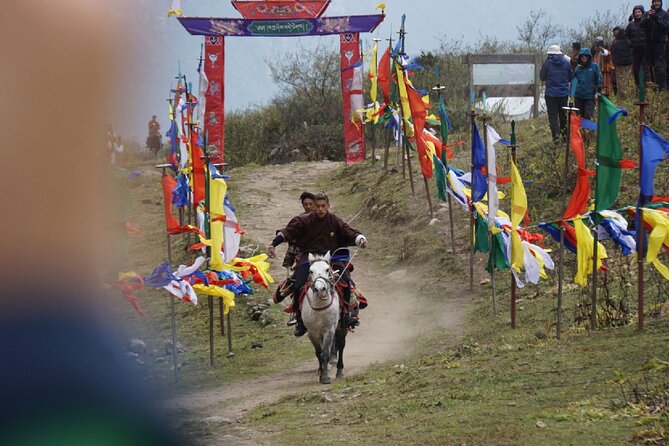
- Jomolhari Mountain Festival with a full day at the highland venue and a chance to wear Bhutanese attire like kira or gho
- Trekking logistics handled: warm tents, porters, kitchen crew, and a dining tent mean you hike, not run camp
- Cultural hands-on moments: Bhutan Post postcards, Choki art school, and a farmhouse cooking session with a Bhutanese family
- Multiple “Bhutan icons” in a tight route: Taktsang in Paro, Punakha Dzong, and key Thimphu spiritual stops
- Signature experiences included: archery, butter lamps, hot stone bath, dress-up photo, and tree planting
Why the Jomolhari festival trek feels like more than a hike
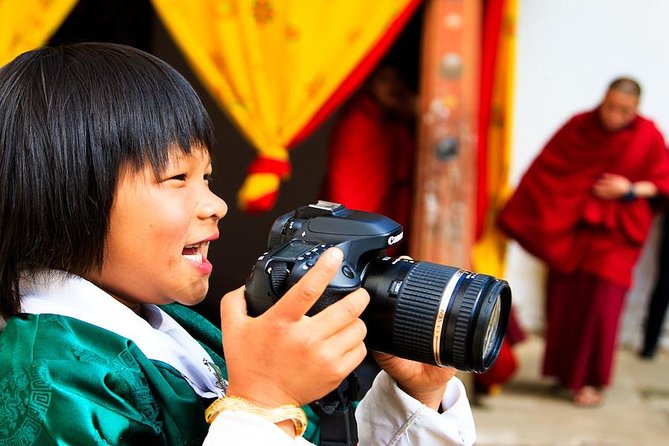
On paper, this is a trekking trip with the Jomolhari Mountain Festival as the payoff day. In real life, the best parts come from how the culture shows up in small, concrete actions.
You start with things that make Bhutan feel intimate fast: sending postcards at Bhutan Post with your own photo, trying hands-on art at Choki Traditional Art School, and doing ritual-style moments like prayer-flag hoisting at dawn (part of the trip’s included experience style). This means you’re not just watching Bhutan. You’re participating in it.
The other strength is pacing by design. You have full trekking days, yes—but you also get recovery time and low-effort cultural stops: tea breaks, monastery courtyards, markets, and viewpoints. That balance matters on a trip with high passes later.
One more practical note: this is built around a group you travel with, not a giant public crowd. It’s a private tour/activity, so you won’t be shuffled into random mixed groups mid-day.
Smart routing from Paro to Thimphu to Punakha (and back)
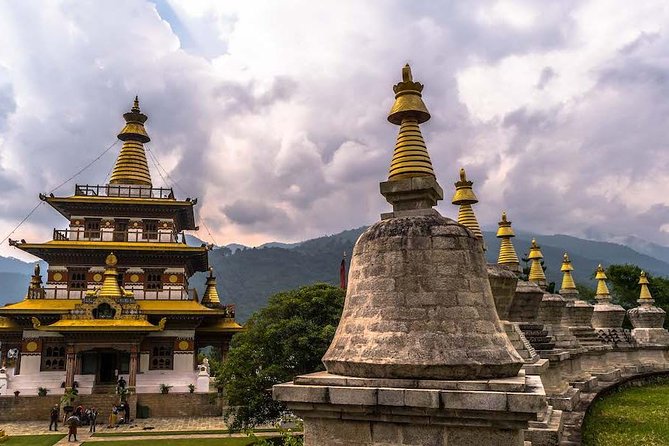
The trip uses a classic Bhutan loop: begin in Paro, spend time in Thimphu, move through Punakha, then base your main adventure on the Jomolhari highlands before descending back to Paro.
That routing is smart for your first Bhutan visit because you stack iconic stops before you’re committed to days of trail. By the time you’re hiking in the high country, you already know the rhythm: slow steps, frequent pauses, and a steady focus on place.
You also get good variety without feeling like you’re sprinting across the country. If you’re thinking, I want Bhutan, but not in the exhausting grab-everything-at-once way, this is built for you.
Days 1–2: Paro airport welcome, art school creativity, and Thimphu culture hits
Your first day starts in Paro International Airport with a warm welcome and private transfer. It’s a small thing, but it sets the tone. Arriving in Bhutan can feel like stepping into another tempo, and having a guide and driver ready means you’re not wasting that first day figuring things out.
Then you roll through a set of cultural anchors:
- Tachogang Lhakhang Bridge: cross the ancient iron bridge to a riverside temple. It’s short and scenic, with a spiritual feel that’s easy to absorb.
- Bhutan Post: choose stamps and mail postcards using your own photo. If you like tangible travel souvenirs, this is the kind you keep on your shelf later.
- Choki Traditional Art School: try painting and sculpting (and observe local students). This is one of the best “learn by doing” moments on the trip.
Day 2 shifts to Thimphu. You get a mix of spirituality, wildlife, and local life:
- Wangdi-tse Monastery: a monastery hike with morning yoga in the courtyard. Even if you’ve never done yoga, the setting makes it feel grounded and simple.
- Motithang Takin Preserve: meet Bhutan’s national animal, the takin. It’s a quick visit, but it gives you a Bhutan-specific wildlife story you won’t get elsewhere.
- Buddha Dordenma: a peaceful encounter with the world’s tallest sitting Buddha.
- Centenary Farmers Market: a casual scan of produce and handicrafts. This is where you see what locals actually buy.
- Thimphu city stroll: explore Norzin Lam areas, boutiques, and cafés, then watch archery at Changlimithang Stadium & Archery Ground.
That archery stop is more than a spectacle. In Bhutan, it’s the national sport, and seeing it in action helps you understand why everyday life here doesn’t separate culture from activity.
Punakha river days: Dzong views, farmhouse cooking, blessings, and rafting
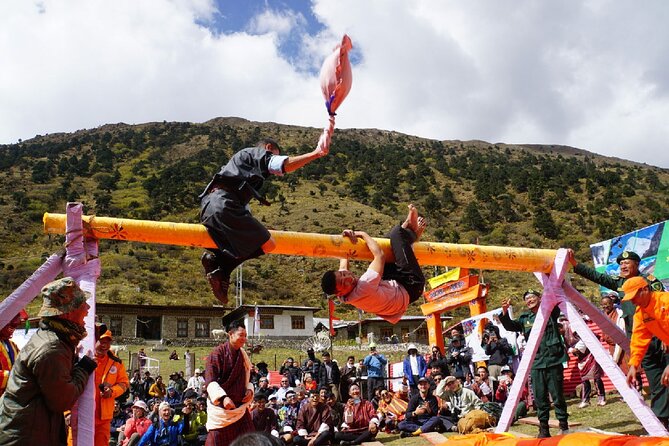
By Day 3 and Day 4, the trip drops you into Punakha’s classic river-valley atmosphere.
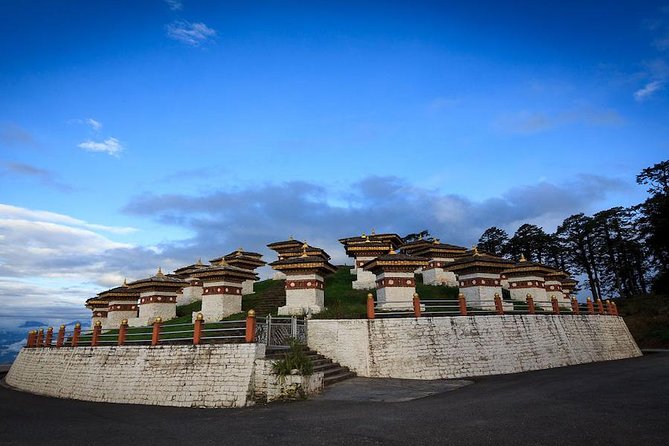
Day 3 begins with Dochula Pass, where you’ll see 108 chortens laid out against wide mountain views. It’s a short stop, but it’s a great visual way to get your bearings.
Then comes the Punakha anchor:
- Punakha Dzong: the riverside fortress of happiness. You’ll get time to explore and soak up the architecture at a slow pace.
The real “human scale” moment is next:
- Aum Leki’s Farmhouse cooking class with a Bhutanese family. You prepare traditional recipes, then share the meal. This is where the trip becomes more than scenery. It’s food and conversation with a family, not a photo stop.
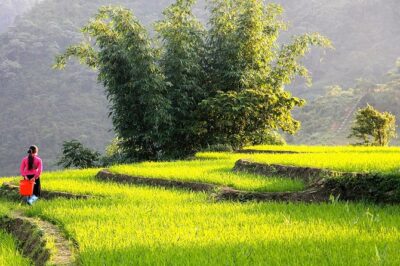
Day 4 keeps the warmth going with a hike through rice fields to Khamsum Yulley Namgyal Chorten and valley views. You also get a riverside café break at Khuruthang.
If you like adventure, you get it here too:
- Rafting/Kayaking on the Mo Chhu River. It’s outdoors time that breaks up the cultural rhythm.
Then you switch gears back to ritual experience:
- A private blessing moment with butter lamp lighting, archery, and interaction with monks. This kind of structured participation is one of the trip’s “value multipliers” because it’s not just watching ceremonies—it’s learning how they’re done.
You also visit a local school and spend time with students. This is one of those stops that changes how you see the country after a long travel day: education becomes part of the story, not a sidebar.
Paro Taktsang: the big hike and the hot-stone reset
Day 6 hits Paro Taktsang, Bhutan’s iconic cliffside temple. The hike is long—about 7 hours—and it’s guided, which helps because you’ll understand what you’re looking at as you go.
Expect a steady climbing day rather than a sprint. You’ll come away with that feeling that your legs earned the view. When you finish, the trip gives you a very practical recovery tool:
- Traditional Hot Stone Bath in Paro, with a herbal soak experience in the evening.
This pairing is thoughtful. Many tours do temples and leave you to fend for sore muscles. Here, the bath is built into the plan, so you don’t have to guess how you’ll recover after your hardest single day.
After that, you get downtime: a leisurely stroll through handicraft shops and cafés, which is the right contrast after a strenuous hike.
Jomolhari trek days 7–8: forests to high camps around 4,000m
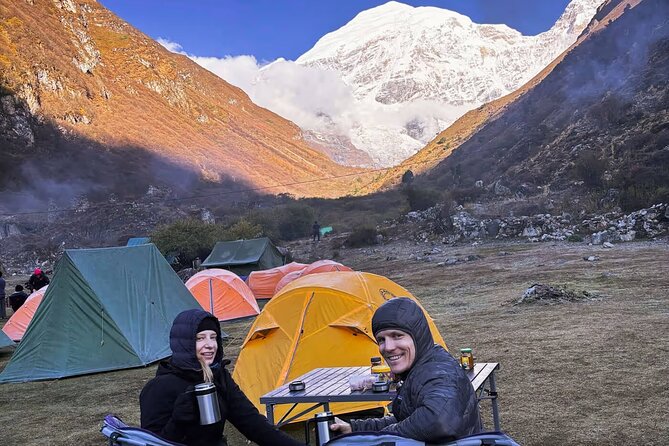
Then the main act starts.
On Day 7, you begin the Jomolhari Festival Trek along river valleys and forest trails. You’ll pass through pine and rhododendron forests, with scenery that shifts day by day rather than staying the same. The highlight here is gradual involvement: you’re not thrown into harsh conditions immediately.
You move to Thangthangkha Camp as your first major overnight.
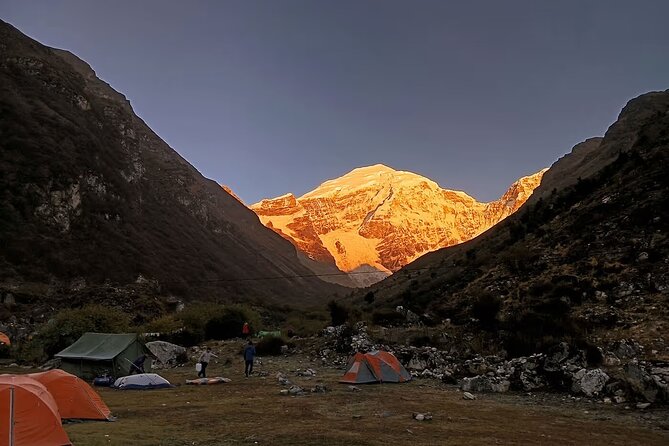
Day 8 takes you to Jomolhari Base Camp, trekking onward to Jangothang. The climb is gradual through highland valleys with yak pastures, and you’ll spend about 5–6 hours trekking. Your camp sits around 4,080m, so this is where the altitude becomes real and you’ll feel the pace shift.
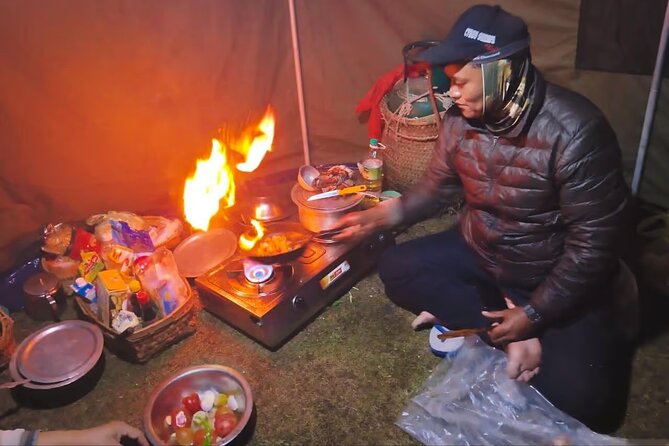
The key practical point: the tour’s trekking setup is organized. You get warm tents and full logistics, including a porter team and kitchen crew, plus a dining tent. That means your backpack isn’t doing the job of your whole campsite. On a long trek, that difference is huge.
The Jomolhari festival day: mask dances plus wearing kira or gho
Day 9 is the payoff: Jomolhari Mountain Festival at the festival venue, with a full day of mask dances and highland cultural performances.
You also get something fun and meaningful:
- Dress in Bhutanese attire (kira or gho) so you can connect more directly with the day—and also get photos that feel like you actually belong in the moment.
This is one of the most praised parts of the overall experience style, because it turns the trek into an event with community energy. You’re not simply hiking past culture—you’re arriving for it at the right time.
If you’re sensitive to crowds, this is still a festival day, but your role is guided and structured. You won’t be left to wander without context.
High passes on Days 10–11: Bongtsho La and Takhung La
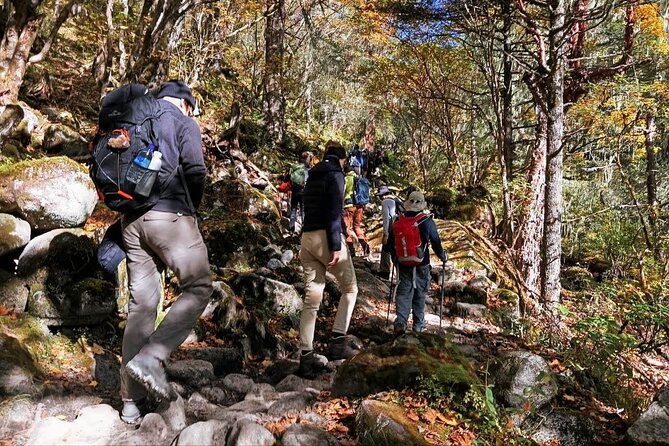
After festival day, you continue trekking through passes and meadows.
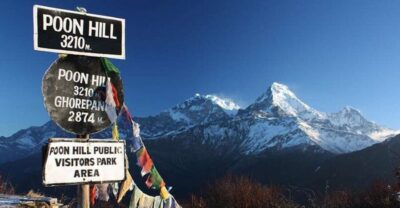
Day 10 runs about 7–8 hours trekking as you ascend across mountain passes with big panoramic views. The named highlight here is Bongtsho La Pass at around 4,890m, with views of Mt. Jomolhari, Jichu Drake, and neighboring peaks (views are a major part of why people do this section).
Day 11 follows with 6–7 hours trekking from Soi Yaksa, moving along alpine ridges and meadows into quieter highlands. You reach Takhung La Pass around 4,520m. This is where the trip shifts from festival energy to quiet, wide-open trekking.
A practical consideration: these long days mean you should plan to walk steady, not fast. The higher you go, the more “slow and consistent” wins over “hero pace.” Your guide’s job is to keep the group moving at a manageable rhythm.
Day 12 descent to Sharna and the Paro wellness reset
Day 12 is your return-to-valley day.
You trek from Thombu Shong down to Sharna. The trek is about 7–8 hours with an approximate elevation around 2,850m at the endpoint. That’s a long descent, so your legs will feel it, even if it’s not constant uphill.
Then you transfer back:
- Scenic drive to Paro from the trek endpoint.
Once you’re in Paro, you get a Bhutanese wellness treatment for about 1 hour. After multiple high-country days, a planned reset is a smart touch.
By now, your schedule has gone from temples and markets to festival highlands and back down again. This wellness block helps you land safely rather than stumble into travel-fatigue.
Guides, private transport, and what the trekking support actually means
This trip works because it’s supported.
You travel with a licensed English-speaking Raven guide, which matters when you’re doing both spiritual sites and a remote trekking route. In a place where meanings matter, having a guide who can explain context can change your whole experience.
Transportation is also built-in:
- Private SUVs or vans with A/C, heaters, and seat belts; and for larger groups, a 20-seat Toyota Coaster may be used.
For you, that means you’re not spending time hunting rides between stops.
On the trail, the logistics matter even more:
- Warm tents
- Porters
- Kitchen crew
- A dining tent
So your job is to hike and show up. The trip takes care of camp basics. That’s the difference between an enjoyable trek and a stressful one.
Value check: what $5,880.60 covers in real terms
Yes, this is expensive. Bhutan trips often are, because you’re paying for access, services, and trained local staff—not just hotel rooms.
Here’s the value picture based on what’s included:
- 13 days / 12 nights? (The plan specifically notes 7 nights in boutique hotels, eco-lodges, and family farmhouses, plus trekking camping setup for the remaining nights)
- Meals included: breakfast on most days, plus lunch and dinners (tea, coffee, and snacks are covered at hand-selected cafés)
- All entrance fees for monasteries, museums, and parks
- Government fees: Bhutan visa fee and Sustainable Development Fee (SDF), plus taxes and surcharges
- Bottled water during the tour
- Private transportation with climate control
- Signature Raven experiences: dress-up photo, tree planting, archery, hot stone bath, butter lamps
- Trekking logistics: tents, porters, kitchen crew, dining tent
What’s not included is also clear:
- International flights
- Personal expenses and souvenirs
- Alcohol
- Travel insurance (recommended)
- Gratuities (not mandatory, tips appreciated if you feel service was great)
So when you compare this to doing Bhutan on your own, the cost often looks high until you tally what it replaces: guides, permits/fees, organized trekking support, and a full meal plan. For a festival trek, the included structure is part of what makes the price make sense.
Practical pacing and packing notes for high passes
The tour is designed for people with moderate physical fitness.
You’ll see a range of trekking lengths:
- Around 3 hours on some trail days early
- Big days later like 7–8 hours across passes
- Festival-stage trek segments around 5–6 hours with camp around 4,080m
- Pass elevations around 4,890m (Bongtsho La) and 4,520m (Takhung La)
What you should do before you go:
- Train for sustained walking and long days, not just short hikes.
- Plan for layers. Even when the day starts pleasant, higher elevations can shift fast.
- Don’t overpack your day bag. The tour handles trekking camp gear and support, so focus on essentials.
Also, remember this experience requires good weather. If conditions aren’t right, the trek may be canceled with an alternate date or a full refund.
Who should book this Bhutan trek (and who should think twice)
This trip fits best if you want:
- A festival-focused Bhutan experience tied to the highlands
- A blend of trekking plus hands-on culture like cooking with a family and art school practice
- Private guiding in English with structured spiritual and cultural stops
- Trek support that’s organized, with porters and camp staffing
Think twice if:
- You want fully independent travel with zero group structure
- You’re not comfortable with multi-hour hiking days, especially those approaching the 4,500–4,900m passes
- You hate waiting for weather. Here, weather can affect whether you go on the trail as scheduled.
Should you book Raven Tours and Treks for the Jomolhari season?
If you’re aiming for Bhutan that feels both human and high-country, I’d say this is a strong choice. The mix of Jomolhari festival immersion, structured cultural participation, and real trekking support makes it easier to enjoy the experience instead of managing the logistics.
Book it if you’re ready for long walking days, you like guided context, and you want your money to cover more than transport and rooms. With weather sensitivity in the background and the promise of an alternate date or full refund if the trek can’t run, it’s a reasonable risk to take—especially since the trip is packed with included value like monastery fees, meals, and signature experiences.
FAQ
What’s the tour duration?
The trek and cultural program runs for about 13 days.
Where does the experience start and finish?
It starts with pickup and activities around Paro International Airport, and it ends with a private transfer back to Paro International Airport.
Is this tour private?
Yes. It’s described as a private tour/activity, meaning only your group participates.
How physically demanding is the trekking?
It’s listed as suitable for travelers with moderate physical fitness, and the plan includes multiple long trekking days (including 6–8 hour days and high passes).
Are meals included?
All meals are included, with tea, coffee, and snacks at hand-selected cafés, and the plan also specifies lunch and dinner counts plus breakfasts.
What’s included for trekking camp logistics?
You get branded warm tents with full trekking logistics, including porters, kitchen crew, and a dining tent.
What major costs are not included?
International flights are not included. Personal expenses, souvenirs, alcoholic beverages, and travel insurance (recommended) are not included, and gratuities are not mandatory.
Is the festival day and dress-up included?
The plan includes time at the Jomolhari Mountain Festival, and it specifically mentions dressing in Bhutanese attire like kira or gho during the festival experience.